Listing Agreement Document For Rental Property In Georgia
Description
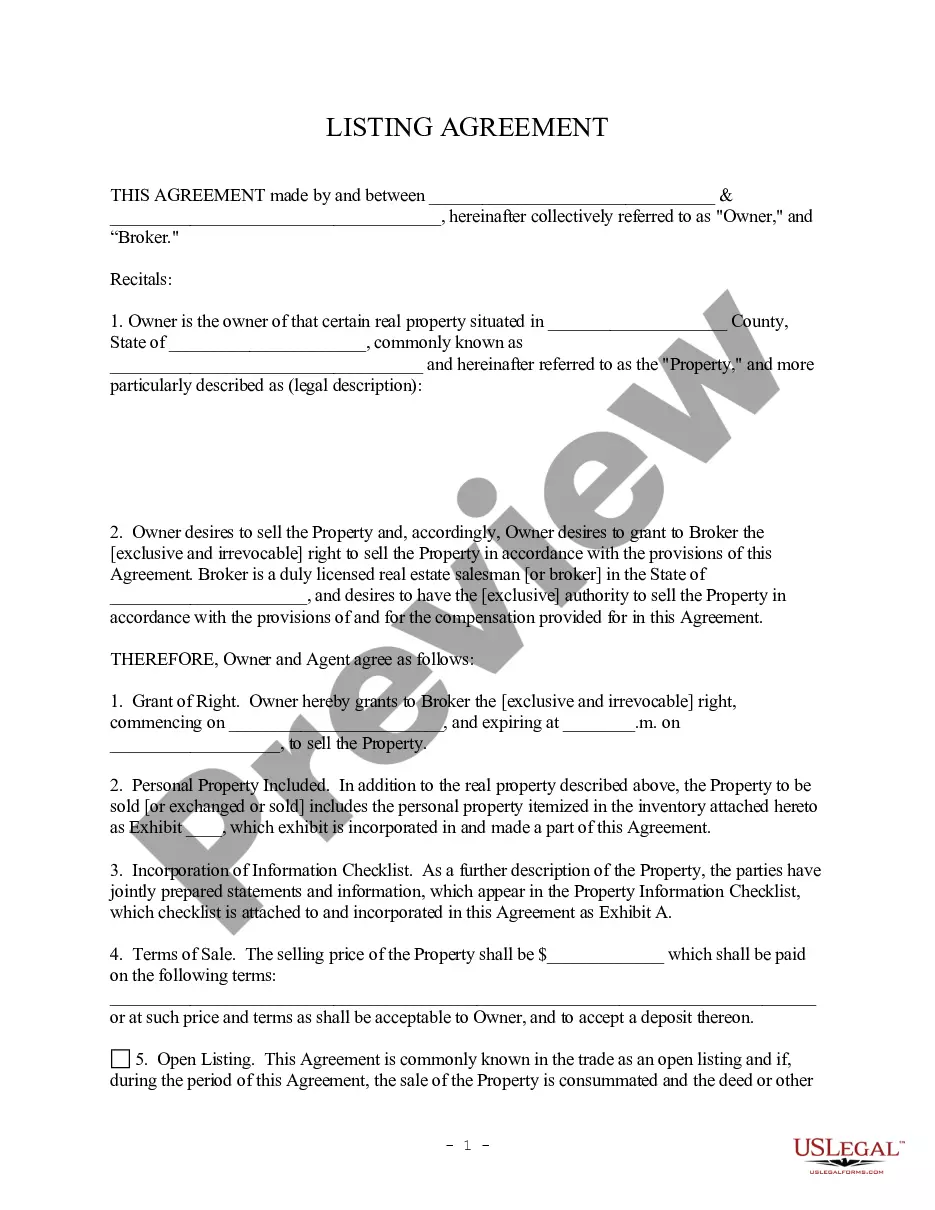
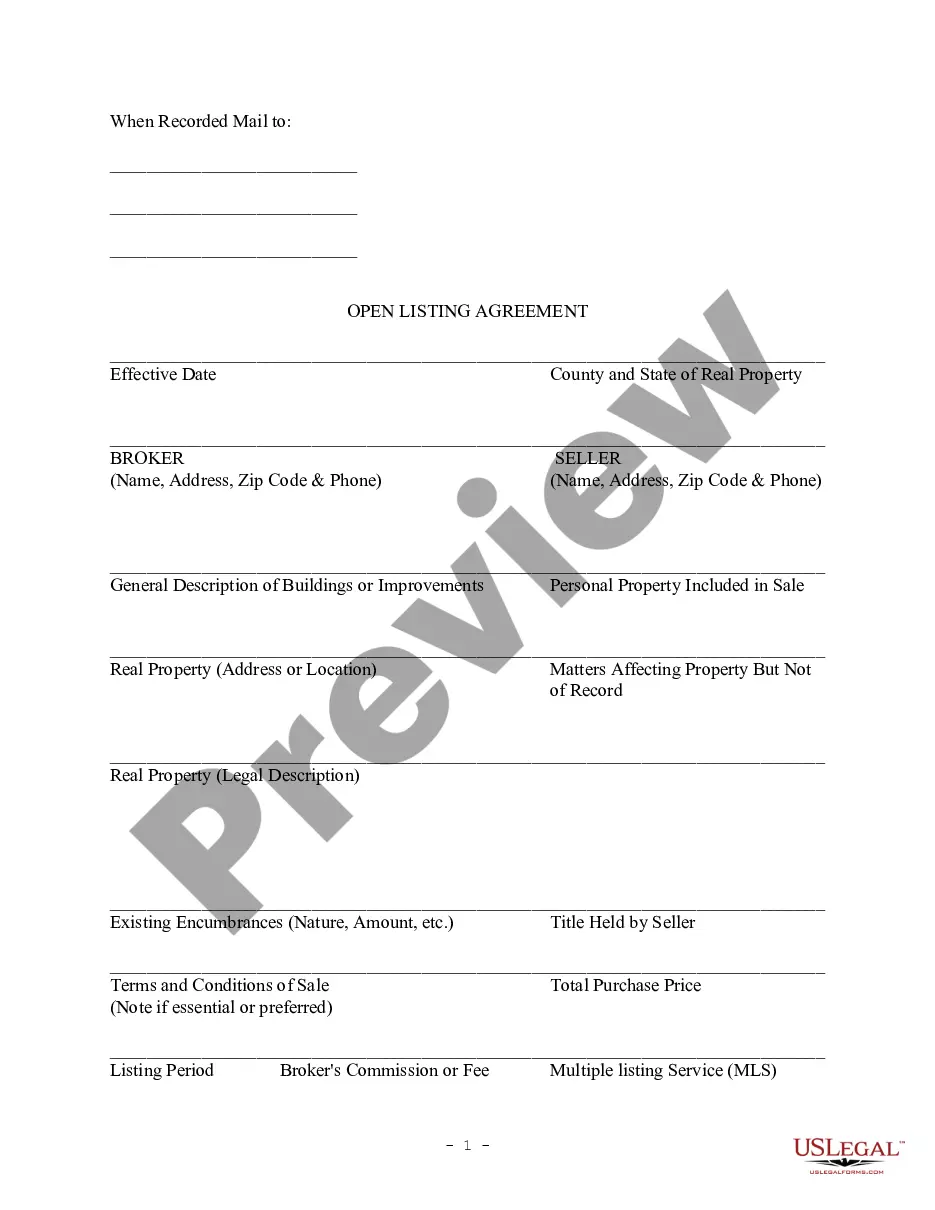
Get your form ready online
Our built-in tools help you complete, sign, share, and store your documents in one place.
Make edits, fill in missing information, and update formatting in US Legal Forms—just like you would in MS Word.
Download a copy, print it, send it by email, or mail it via USPS—whatever works best for your next step.
Sign and collect signatures with our SignNow integration. Send to multiple recipients, set reminders, and more. Go Premium to unlock E-Sign.
If this form requires notarization, complete it online through a secure video call—no need to meet a notary in person or wait for an appointment.
We protect your documents and personal data by following strict security and privacy standards.

Make edits, fill in missing information, and update formatting in US Legal Forms—just like you would in MS Word.

Download a copy, print it, send it by email, or mail it via USPS—whatever works best for your next step.

Sign and collect signatures with our SignNow integration. Send to multiple recipients, set reminders, and more. Go Premium to unlock E-Sign.

If this form requires notarization, complete it online through a secure video call—no need to meet a notary in person or wait for an appointment.

We protect your documents and personal data by following strict security and privacy standards.
Looking for another form?






Form popularity
FAQ
What are the most important steps for drafting a commercial lease agreement? Identify the parties and the property. Determine the rent and the term. Negotiate the improvements and the maintenance. Allocate the taxes and the insurance. Include the clauses and the contingencies. Review and sign the agreement.
At the very least, a commercial lease should identify the parties to the lease, state who is the landlord and who is the tenant, give the address of the property, and include the amount of the rent. It should also include a start date and an allocation of any other costs. Both parties should sign the lease.
It is possible to draft your own lease agreement, but you are leaving yourself open to issues.
What are the most important steps for drafting a commercial lease agreement? Identify the parties and the property. Determine the rent and the term. Negotiate the improvements and the maintenance. Allocate the taxes and the insurance. Include the clauses and the contingencies. Review and sign the agreement.
What to include in an apartment lease agreement. Tenant information. Include each tenant's full name and contact information. Rental property description. List the apartment's location, all common areas, parking spaces, and included facilities. Security deposit. Monthly rent amount. Utilities. Lease term. Policies. Late fees.
Every valid contract in California needs to have four essential elements. (1) The parties must be capable of contracting, (2) the parties must consent to the contract, (3) the contract must have a lawful object (they cannot be for illegal services), and (4) the contract must be supported by consideration.
What to include in an apartment lease agreement. Tenant information. Include each tenant's full name and contact information. Rental property description. List the apartment's location, all common areas, parking spaces, and included facilities. Security deposit. Monthly rent amount. Utilities. Lease term. Policies. Late fees.
An exclusive seller brokerage engagement agreement establishes a client relationship between seller and real estate broker. The seller gives permission for the broker to exclusively represent them in listing and selling the identified property following the terms and conditions set forth in the agreement.
Though notarization is not required, it may still be a good idea to have a notary present in order to verify the identities of all signers.
Use this form to add new dependents to an existing policy, cancel coverage, change plan benefits elections, or transfer subscribers from one group to another within the same account.

