Service Level Agreement For Equipment Maintenance In Wayne
Description

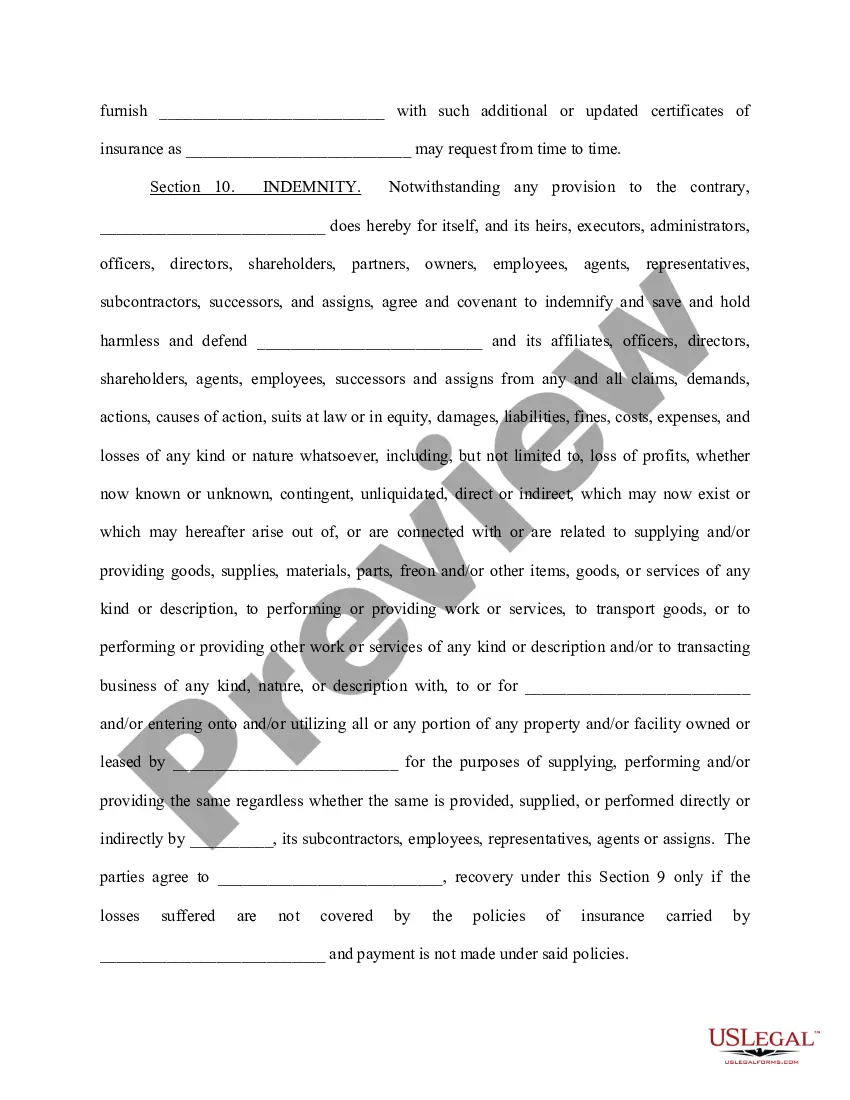
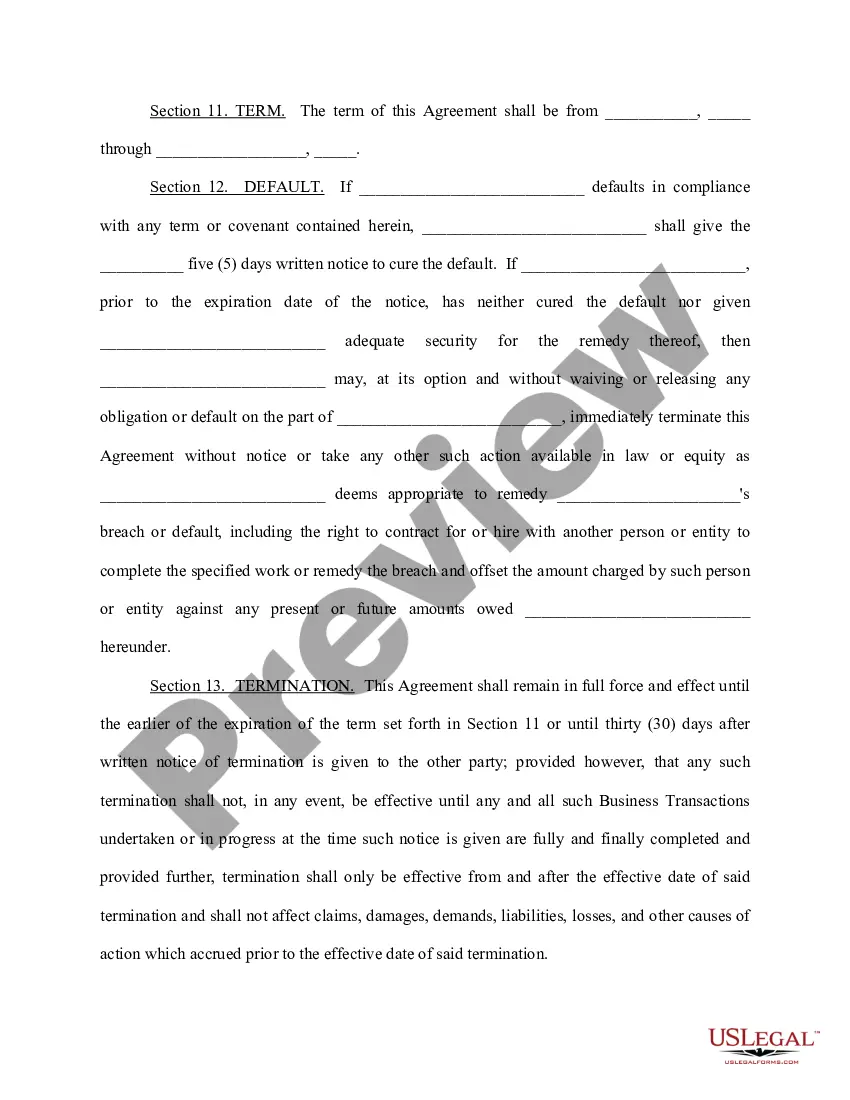
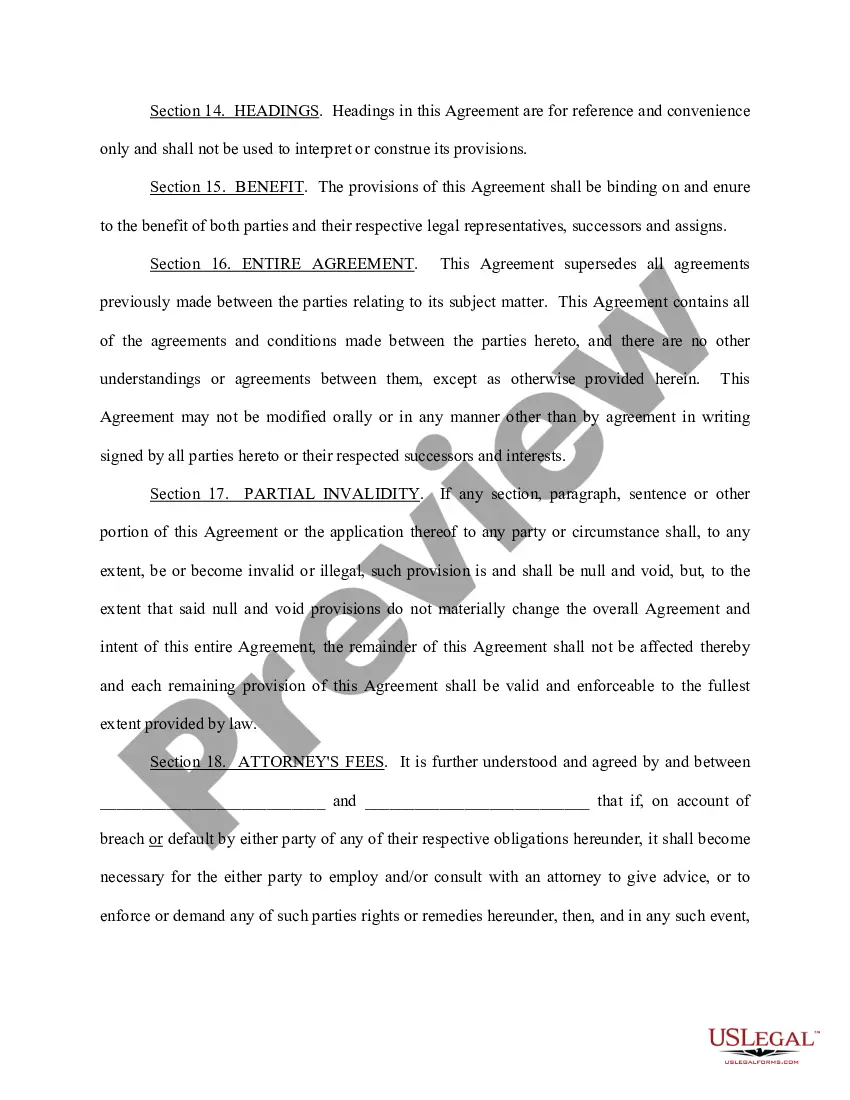
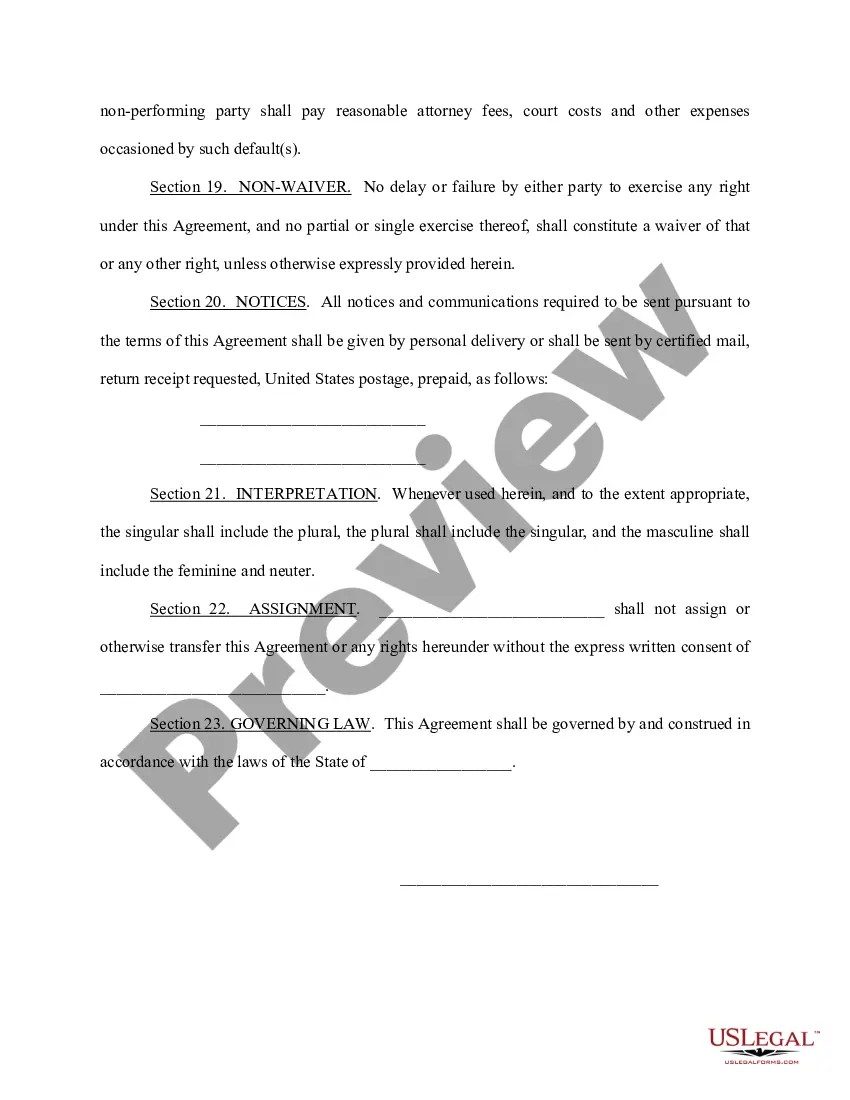
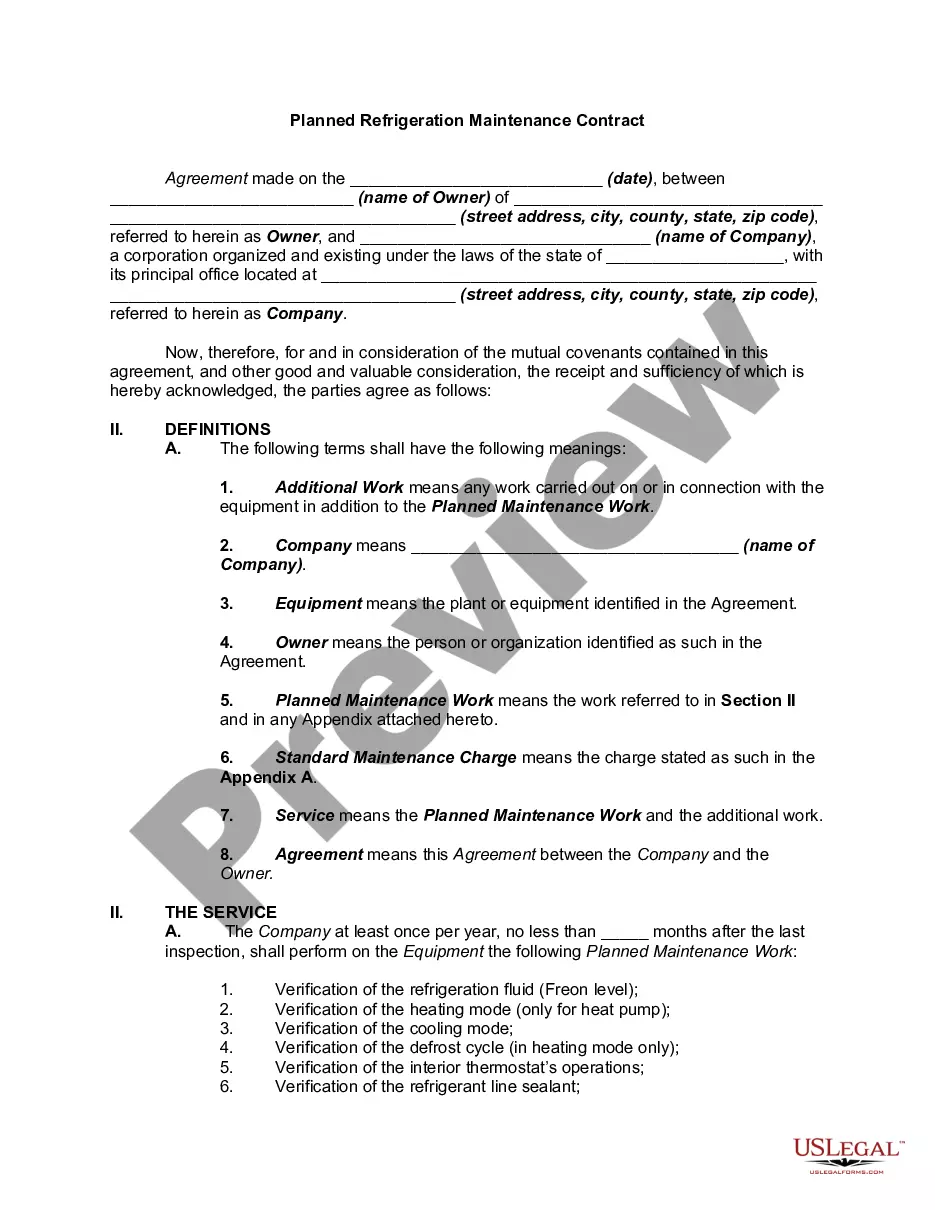
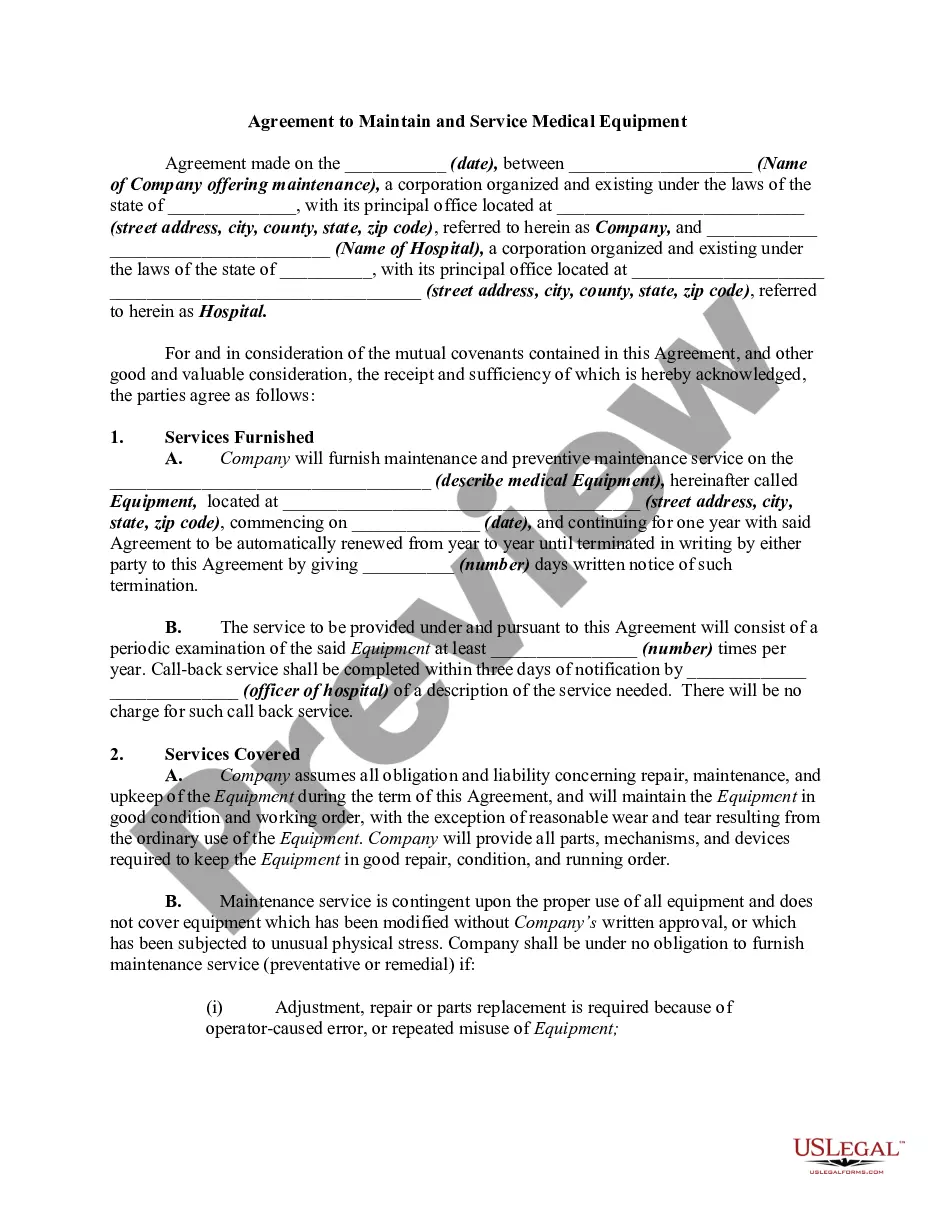
Get your form ready online
Our built-in tools help you complete, sign, share, and store your documents in one place.
Make edits, fill in missing information, and update formatting in US Legal Forms—just like you would in MS Word.
Download a copy, print it, send it by email, or mail it via USPS—whatever works best for your next step.
Sign and collect signatures with our SignNow integration. Send to multiple recipients, set reminders, and more. Go Premium to unlock E-Sign.
If this form requires notarization, complete it online through a secure video call—no need to meet a notary in person or wait for an appointment.
We protect your documents and personal data by following strict security and privacy standards.

Make edits, fill in missing information, and update formatting in US Legal Forms—just like you would in MS Word.

Download a copy, print it, send it by email, or mail it via USPS—whatever works best for your next step.

Sign and collect signatures with our SignNow integration. Send to multiple recipients, set reminders, and more. Go Premium to unlock E-Sign.

If this form requires notarization, complete it online through a secure video call—no need to meet a notary in person or wait for an appointment.

We protect your documents and personal data by following strict security and privacy standards.
Looking for another form?


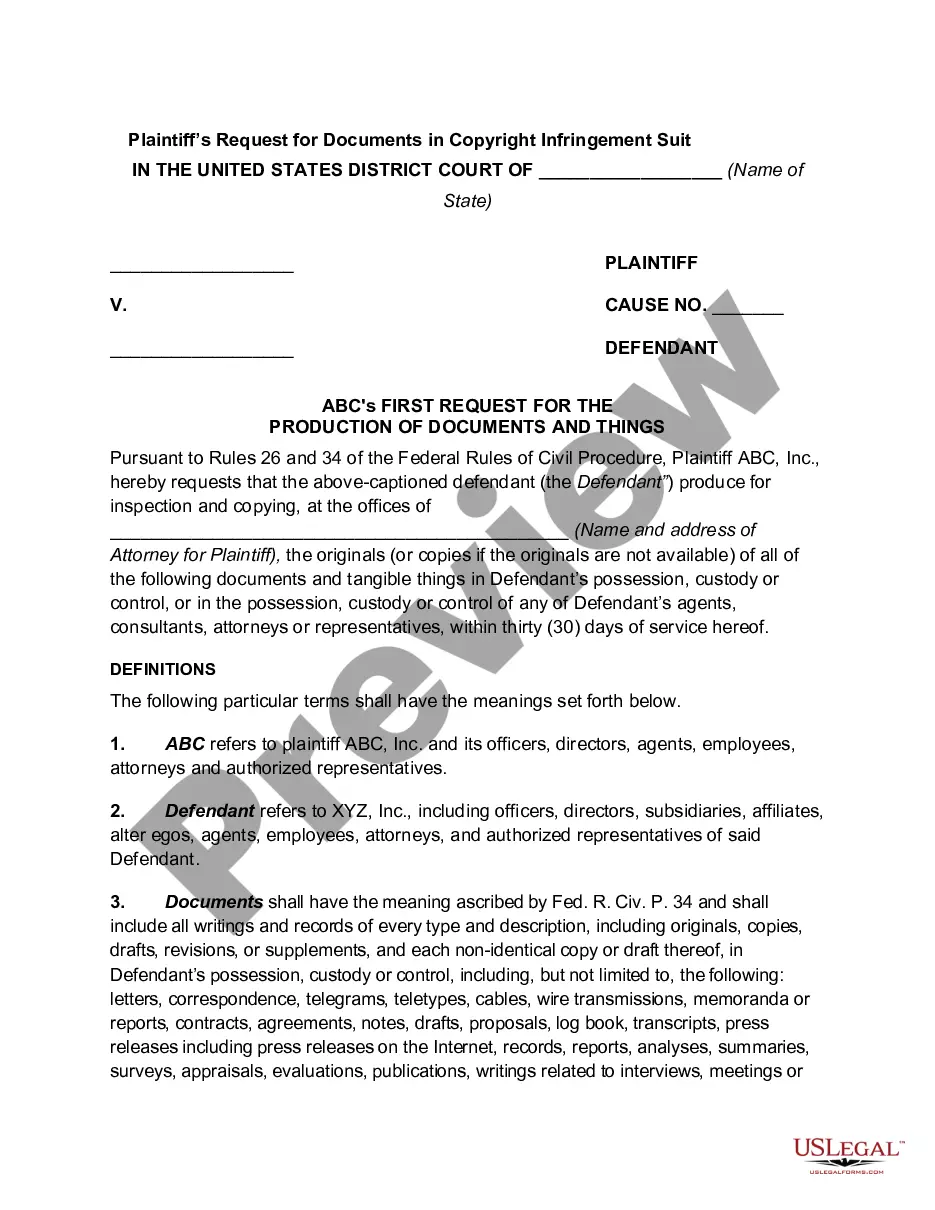

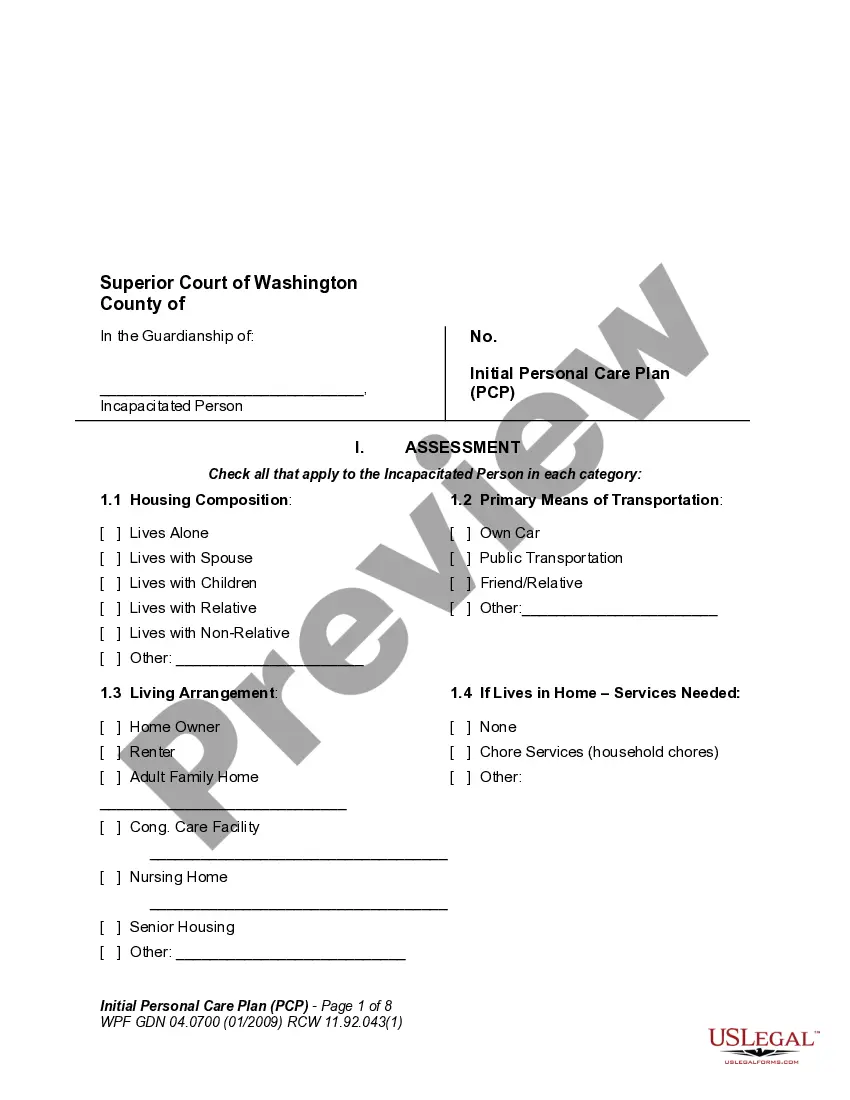


Form popularity
FAQ
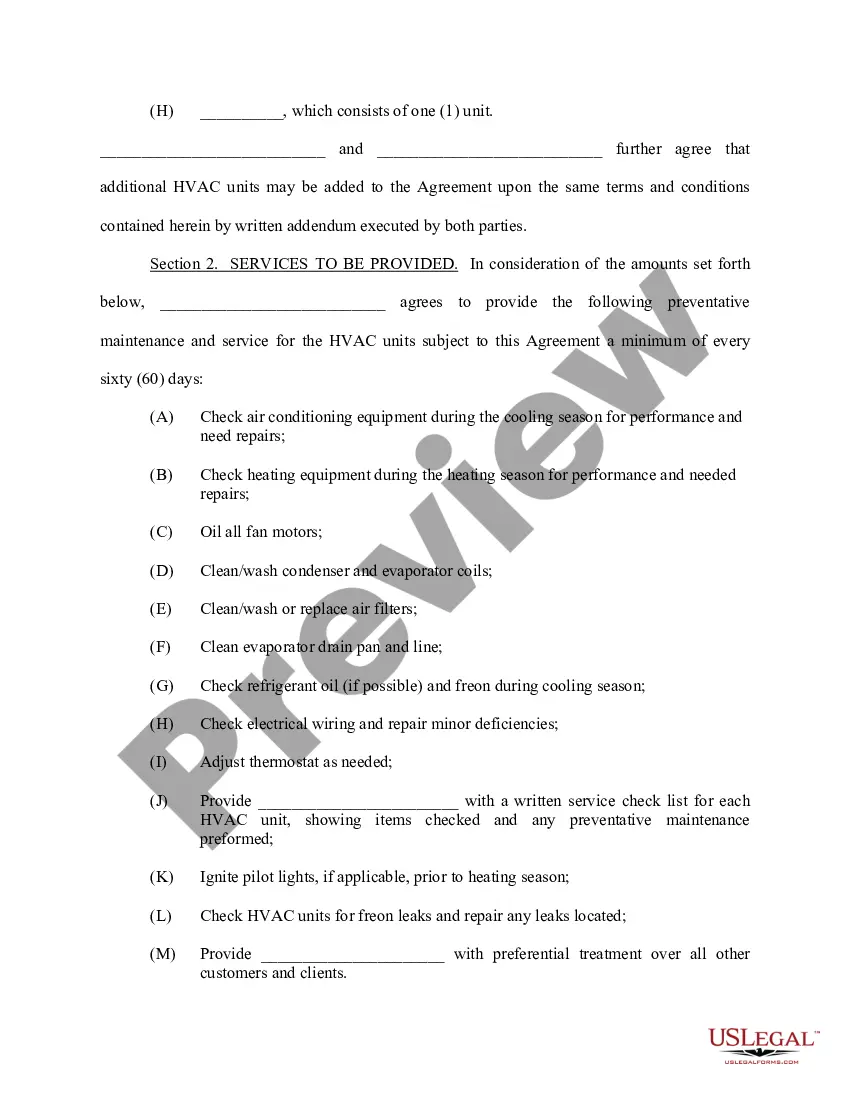
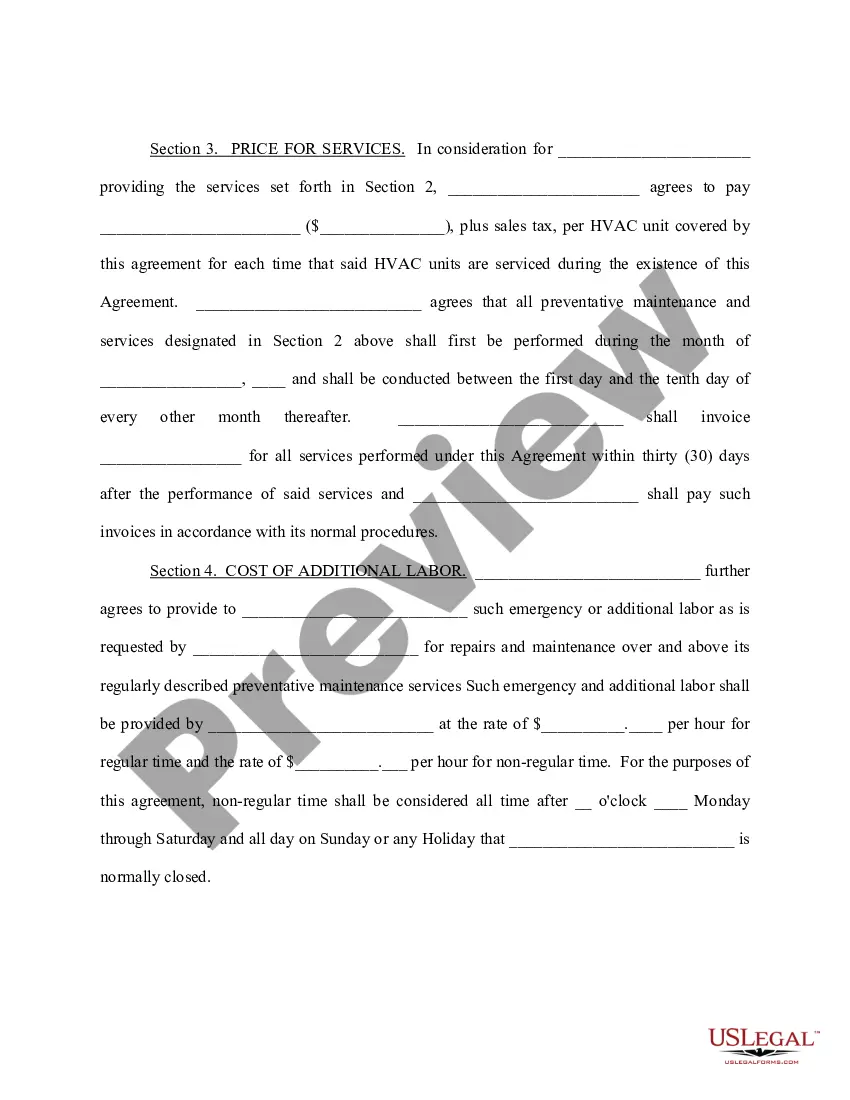
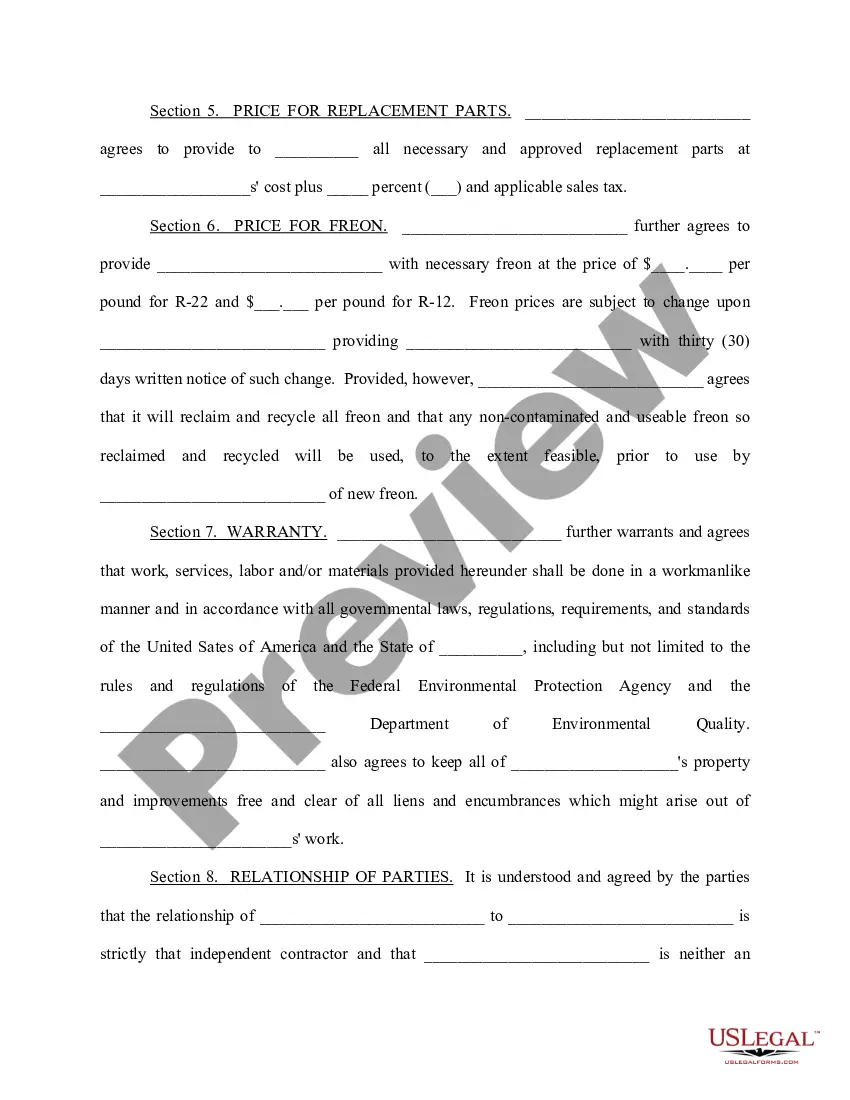
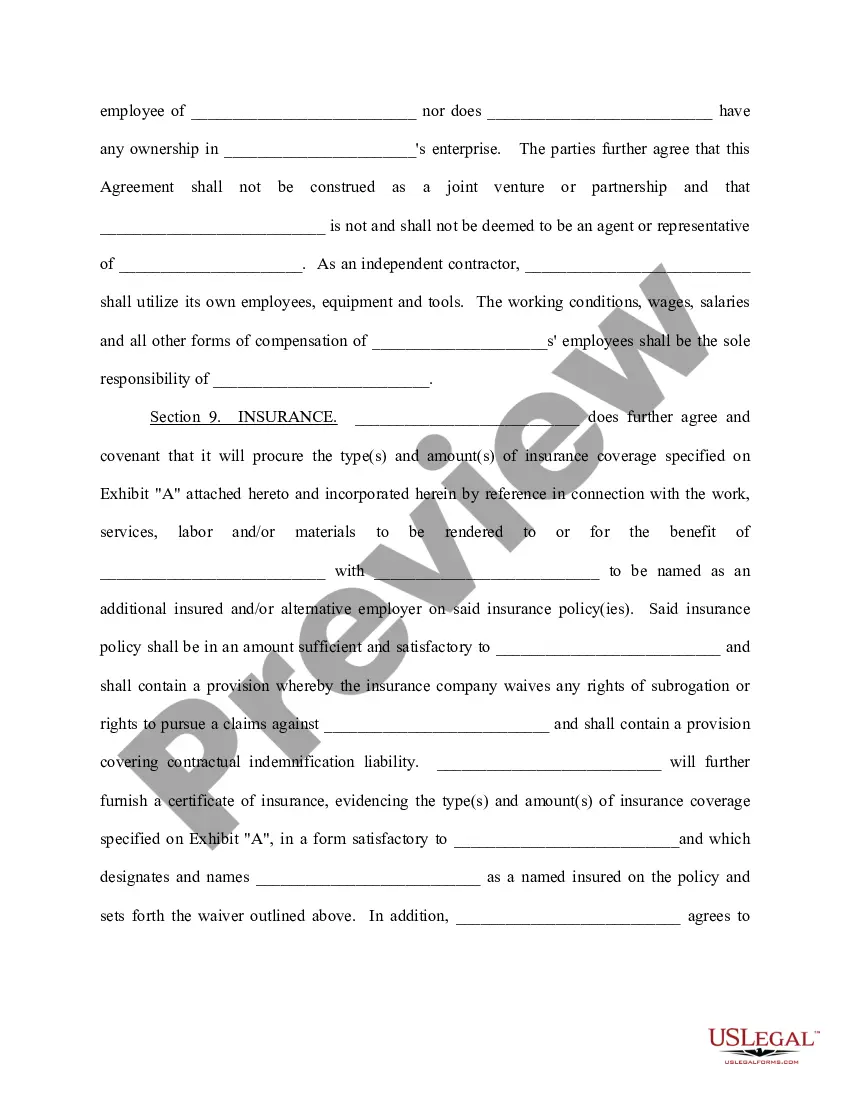
A service-level agreement (SLA) is an agreement between a service provider and a customer. Particular aspects of the service – quality, availability, responsibilities – are agreed between the service provider and the service user.
Key components of an SLA Agreement overview. A list of stakeholders. The goals of all stakeholders. A description of services. Service levels. A list of services excluded from the agreement. Conditions of cancellation. A plan if goals aren't reached.
A service-level agreement (SLA) is a contract between a service provider and its customers that documents what services the provider will furnish and defines the service standards the provider is obligated to meet.
Applying for SLA There is not a defined process for the allocation of SLA, however most Units will send a welcome pack informing you of the local application process. For full eligibility criteria, how to apply and guidelines for the occupation of SLA please refer to JSP 464 Volume 2.
SLAs are generally formed between a vendor and an external customer, but companies also use SLAs internally to formalize agreements between departments or teams. SLAs are an important part of outsourcing and information technology (IT) vendor contracts, providing an end-to-end view of the working relationship.
How to write a service level agreement in 5 steps Define the service. Your SLA will need to define and outline the service clearly. Verify service levels. Determine performance metrics. Prepare the service level agreement document. Review the SLA with all stakeholders.
How to write a service level agreement in 5 steps Define the service. Your SLA will need to define and outline the service clearly. Verify service levels. Determine performance metrics. Prepare the service level agreement document. Review the SLA with all stakeholders.
How to set an SLA and measure your performance Set a baseline. The best place to start is by looking at your current SLAs, and how you're performing against them. Ask how you're doing. Build a draft of new SLAs based on the results of the steps above. Get support from management.
A service-level agreement (SLA) defines the level of service expected by a customer from a supplier, laying out metrics by which that service is measured, and the remedies or penalties, if any, should service levels not be achieved.
What are the three types of SLAs? There are three basic types of SLAs: customer, internal and multilevel service-level agreements. A customer service-level agreement is between a service provider and its external or internal customers.
