Maintenance Agreement Equipment Template For Construction In Wayne
Description
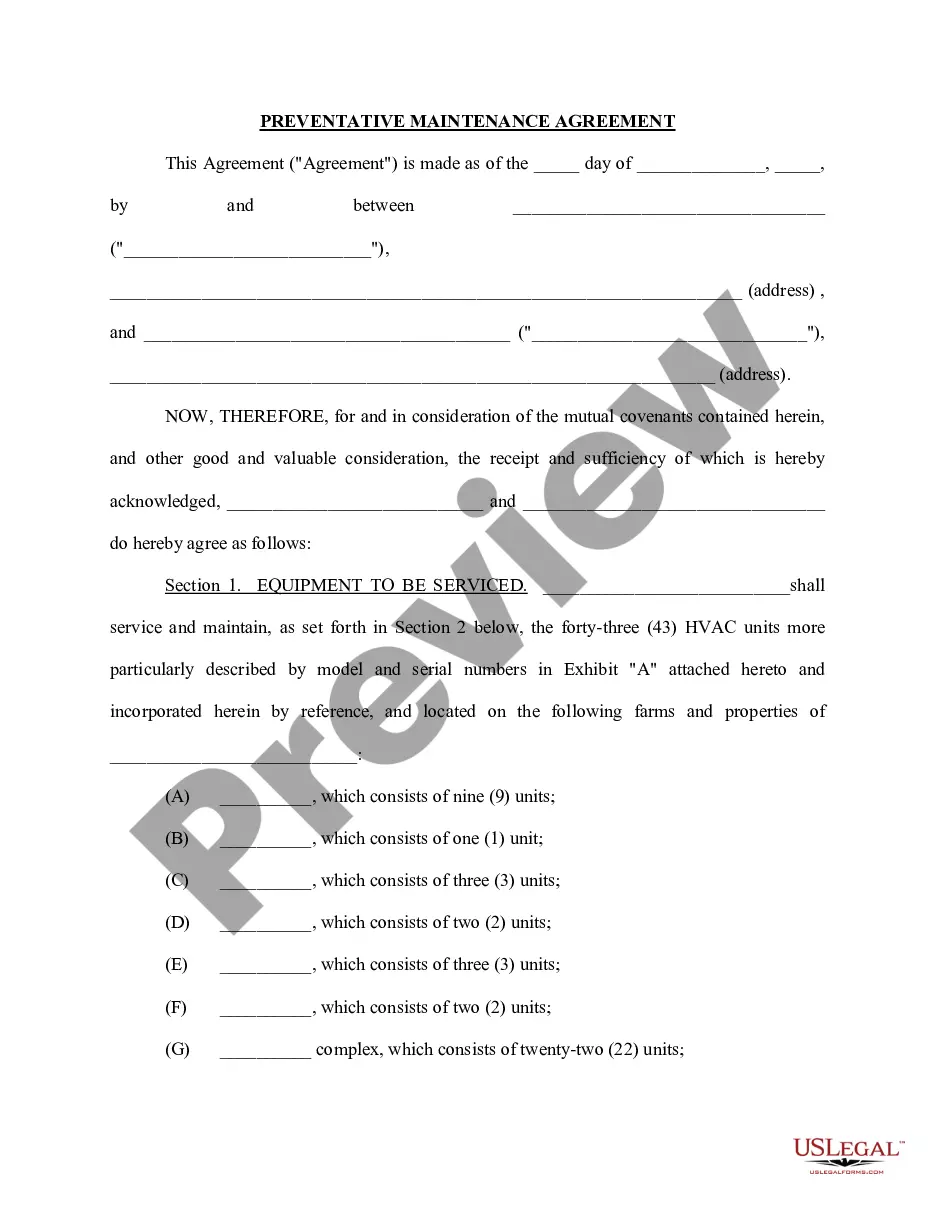
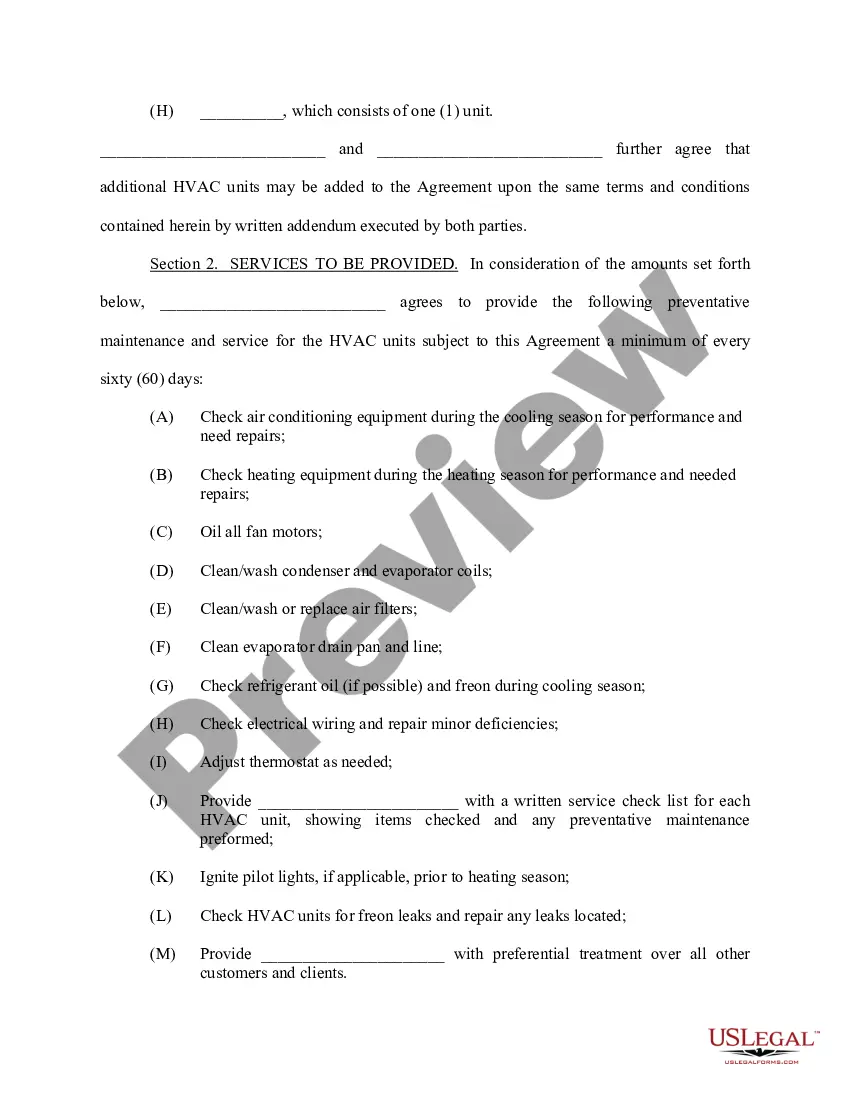
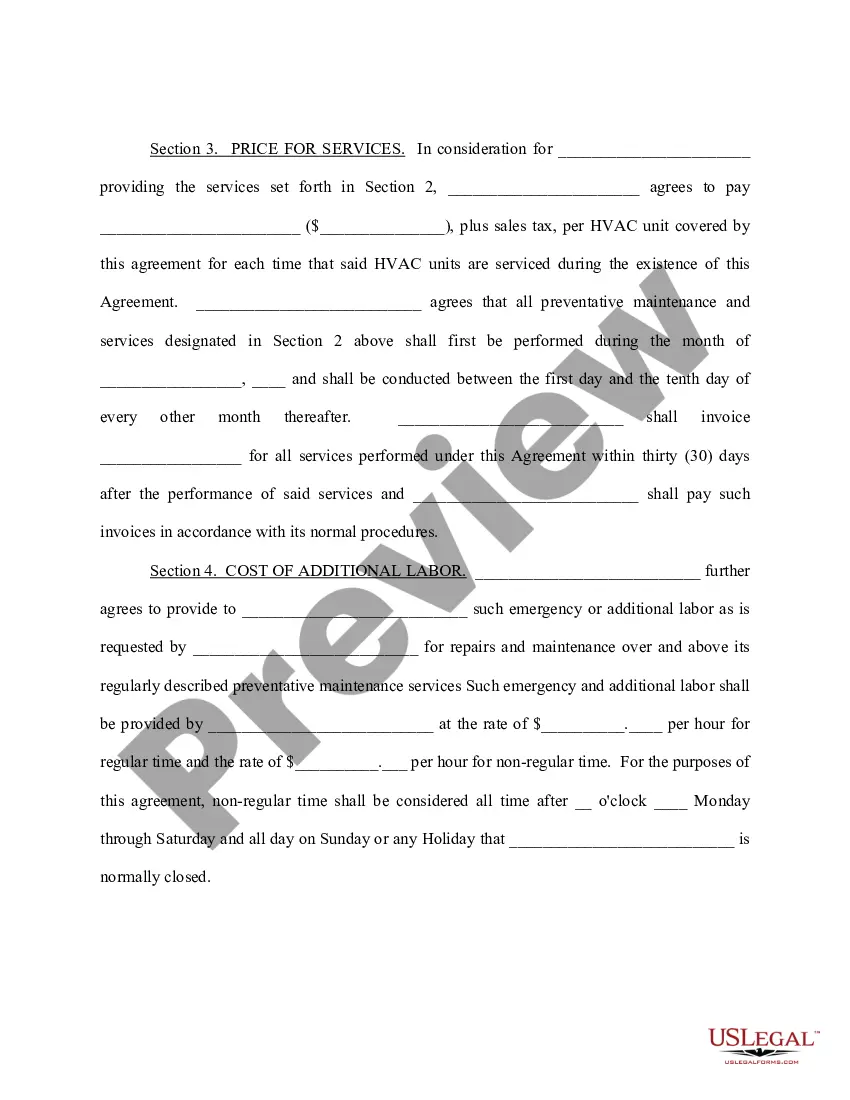
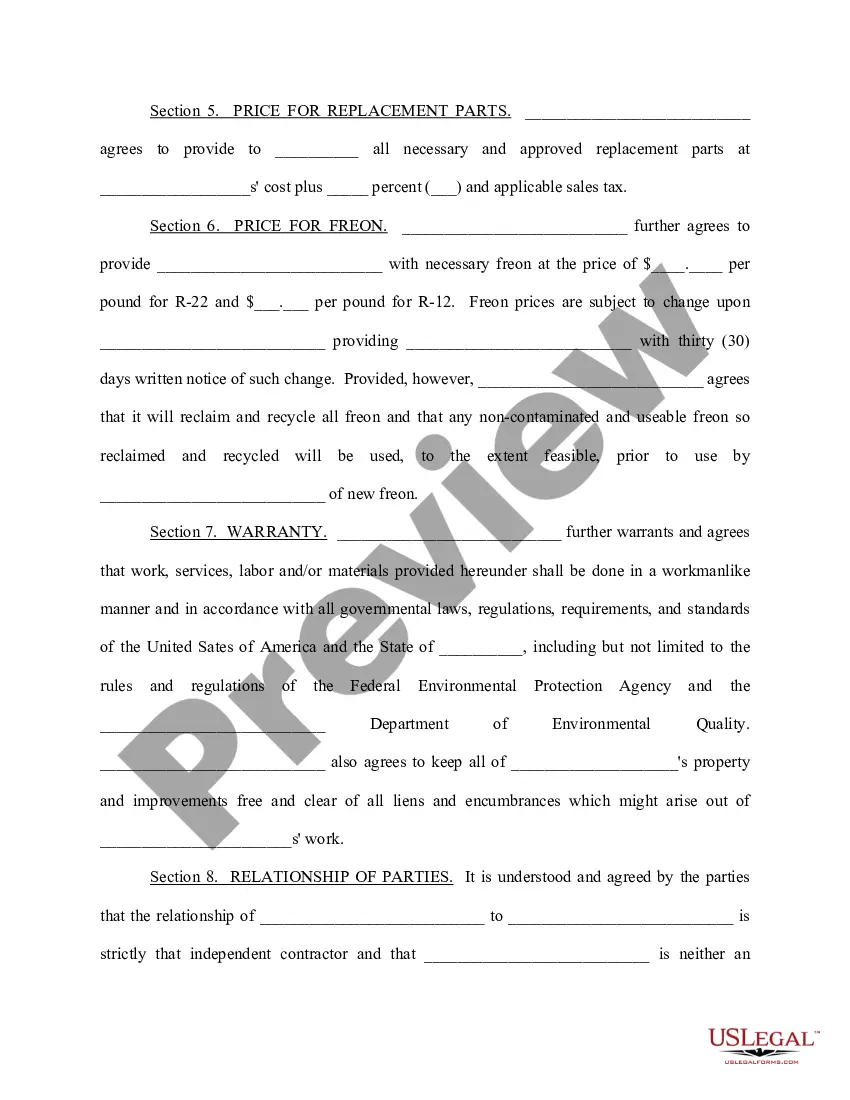
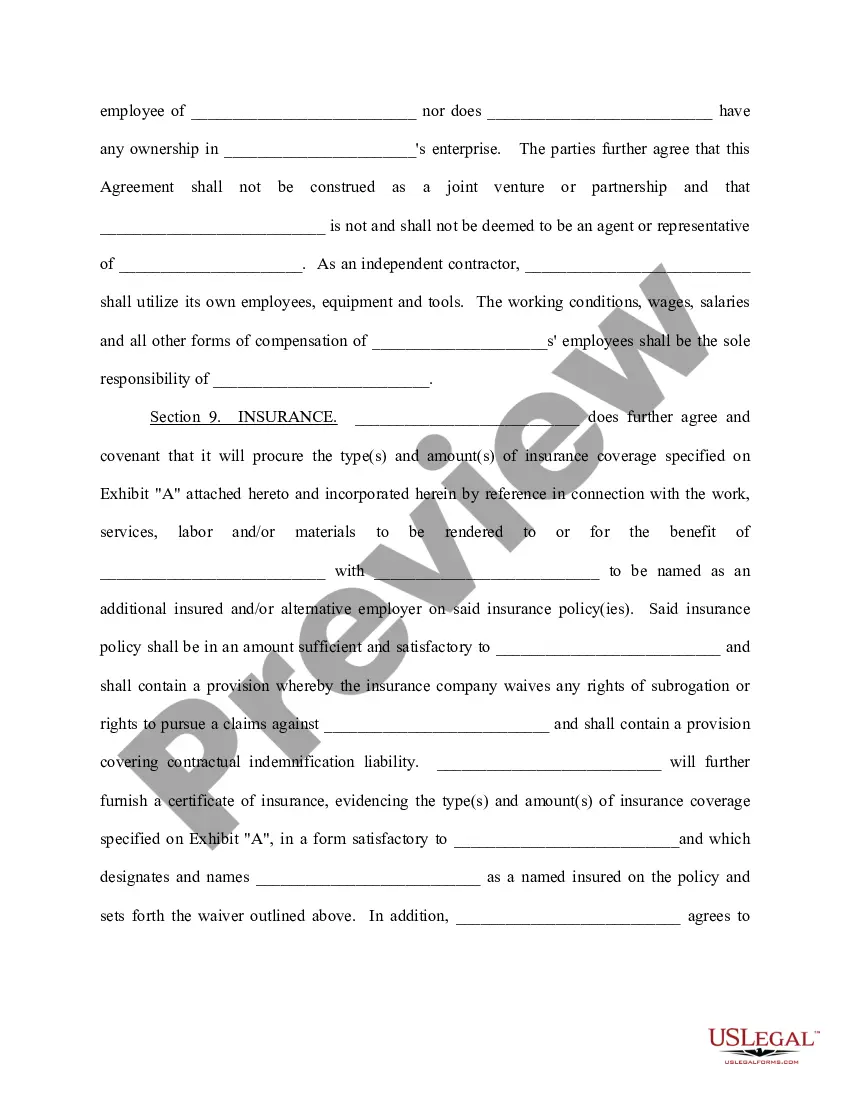
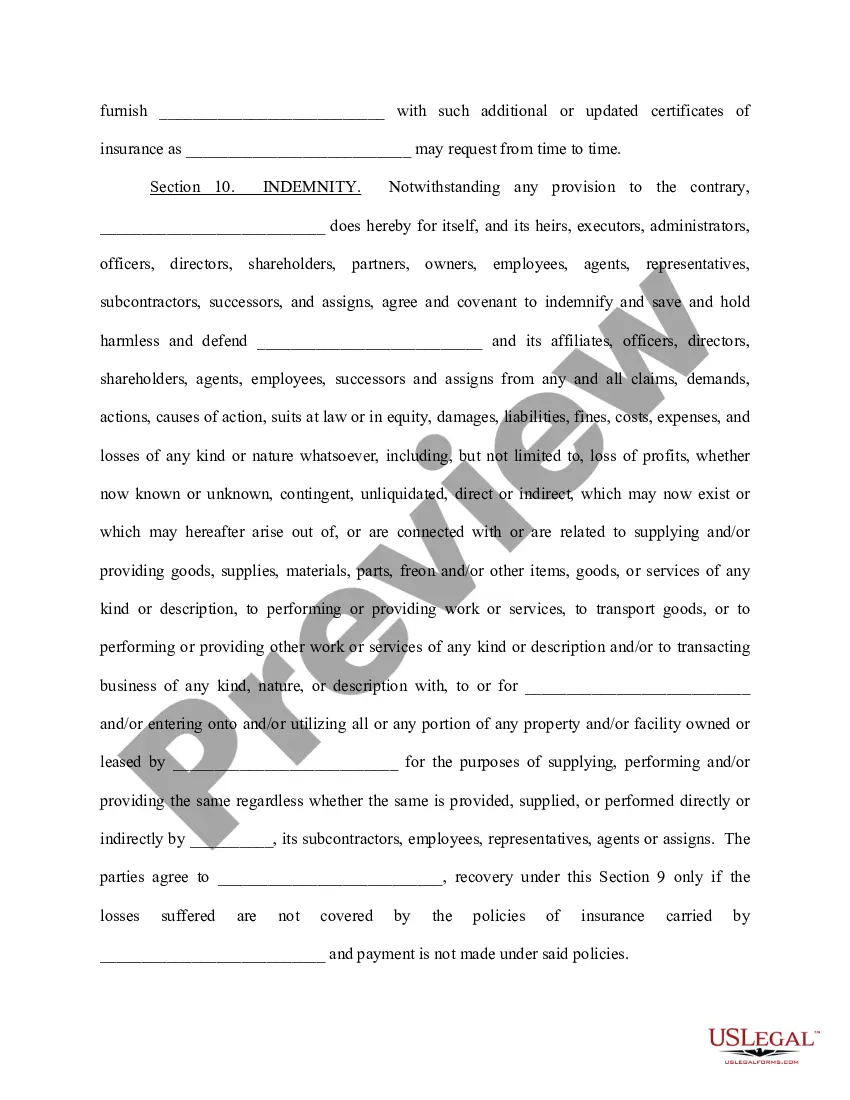
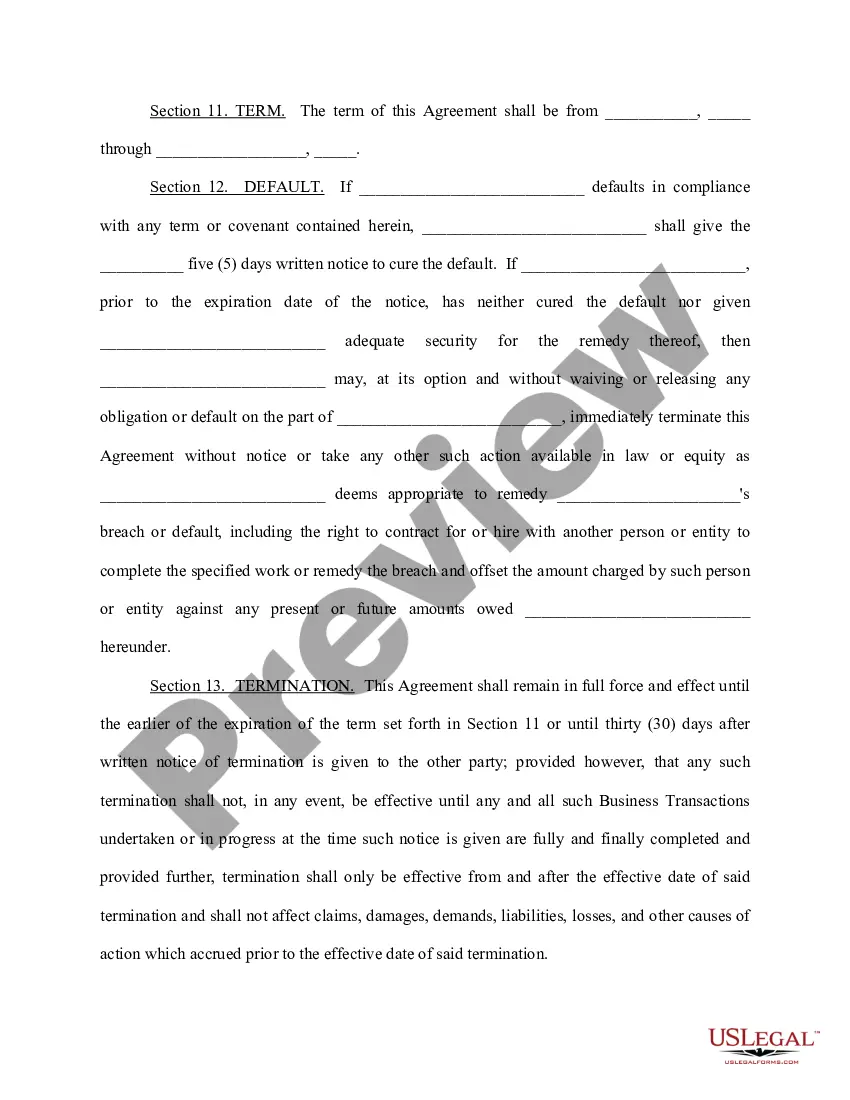
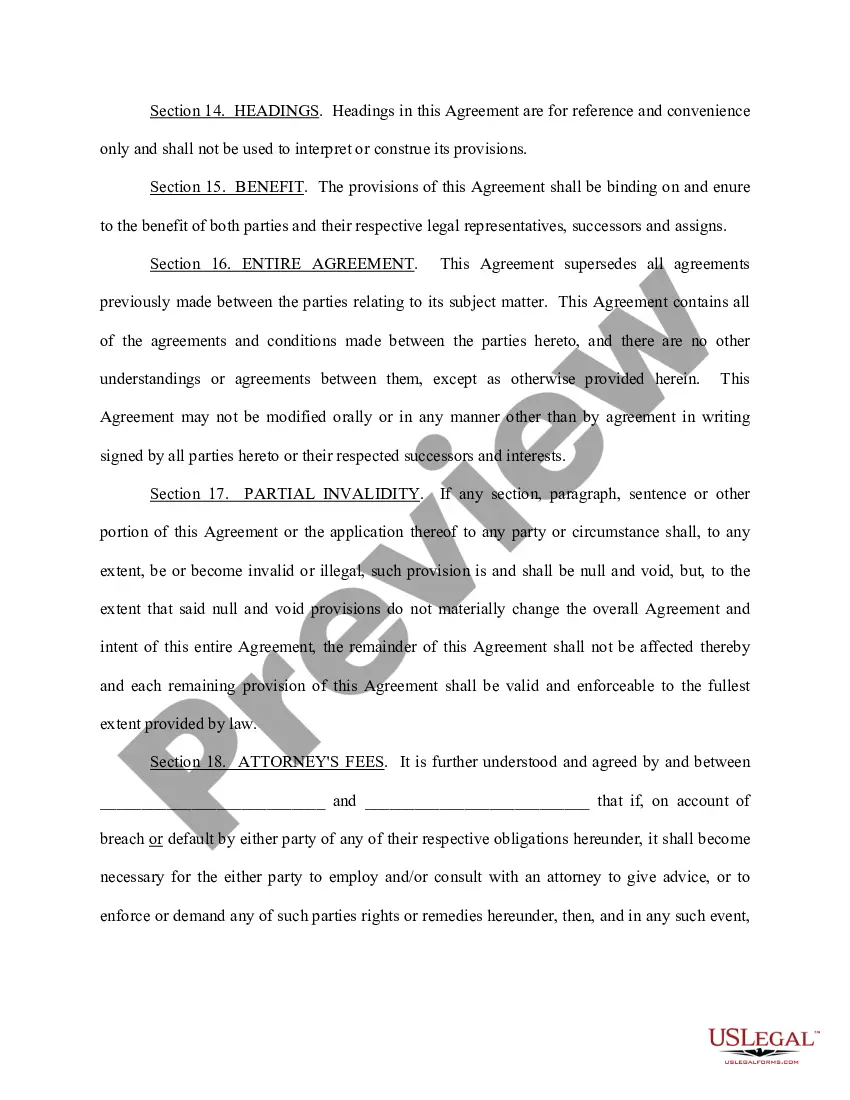
Get your form ready online
Our built-in tools help you complete, sign, share, and store your documents in one place.
Make edits, fill in missing information, and update formatting in US Legal Forms—just like you would in MS Word.
Download a copy, print it, send it by email, or mail it via USPS—whatever works best for your next step.
Sign and collect signatures with our SignNow integration. Send to multiple recipients, set reminders, and more. Go Premium to unlock E-Sign.
If this form requires notarization, complete it online through a secure video call—no need to meet a notary in person or wait for an appointment.
We protect your documents and personal data by following strict security and privacy standards.

Make edits, fill in missing information, and update formatting in US Legal Forms—just like you would in MS Word.

Download a copy, print it, send it by email, or mail it via USPS—whatever works best for your next step.

Sign and collect signatures with our SignNow integration. Send to multiple recipients, set reminders, and more. Go Premium to unlock E-Sign.

If this form requires notarization, complete it online through a secure video call—no need to meet a notary in person or wait for an appointment.

We protect your documents and personal data by following strict security and privacy standards.
Looking for another form?









Form popularity
FAQ
A maintenance agreement outlines the steps one party will undertake to insure the upkeep, repair, serviceability of another party's property. Maintenance contracts are commonly used by companies that take care of vehicle fleets, industrial equipment, office and apartment buildings, computer networks, etc.
A service contract is an agreement between you and a service provider that covers the maintenance and repair of your equipment after the warranty expires. A service contract may also include preventive maintenance, software updates, technical support, training, or other benefits.
How to Write a Maintenance Contract Draw up a section for official definitions at the beginning of the contract. Lay out the maintenance services to be performed early in the contract. Discuss the compensation structure agreed upon for services. Draft a section discussing any warranties or promises made by either party.
Write the contract in six steps Start with a contract template. Open with the basic information. Describe in detail what you have agreed to. Include a description of how the contract will be ended. Write into the contract which laws apply and how disputes will be resolved. Include space for signatures.
Definition. A maintenance agreement (contract), sometimes called a service agreement (contract), is an agreement which requires specific performance of repairing, cleaning, altering, or improving tangible personal property on a regular or irregular basis to ensure the product's continued satisfactory operation.
An Annual Maintenance Contract (AMC) is a type of service agreement that provides ongoing maintenance and support for a specific equipment or asset. It is typically used to ensure that the equipment or asset is kept in good working order and is regularly serviced and inspected.
Here's a list of standard fields that you should include in your lease agreement: Tenant information. Include each tenant's full name and contact information. Rental property description. Security deposit. Monthly rent amount. Utilities. Lease term. Policies. Late fees.
The agreement should include the following: Full and correct names. Your company should be listed as the lessor and your customer as the lessee. List the rented-out equipment. Rental duration terms. Rental rate. Late charges. Security deposit. Equipment usage guidelines. Repair and replacement.
