Resignation Letter Vs Two Week Notice In Travis
Description

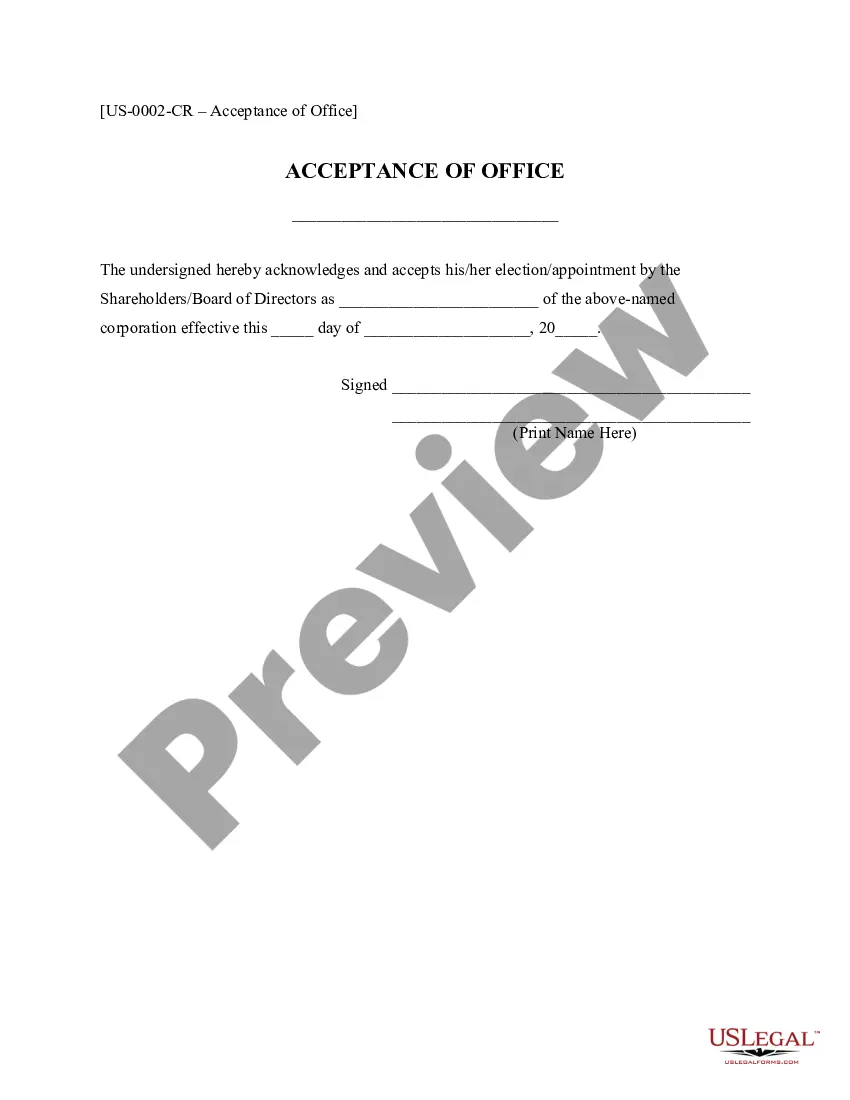
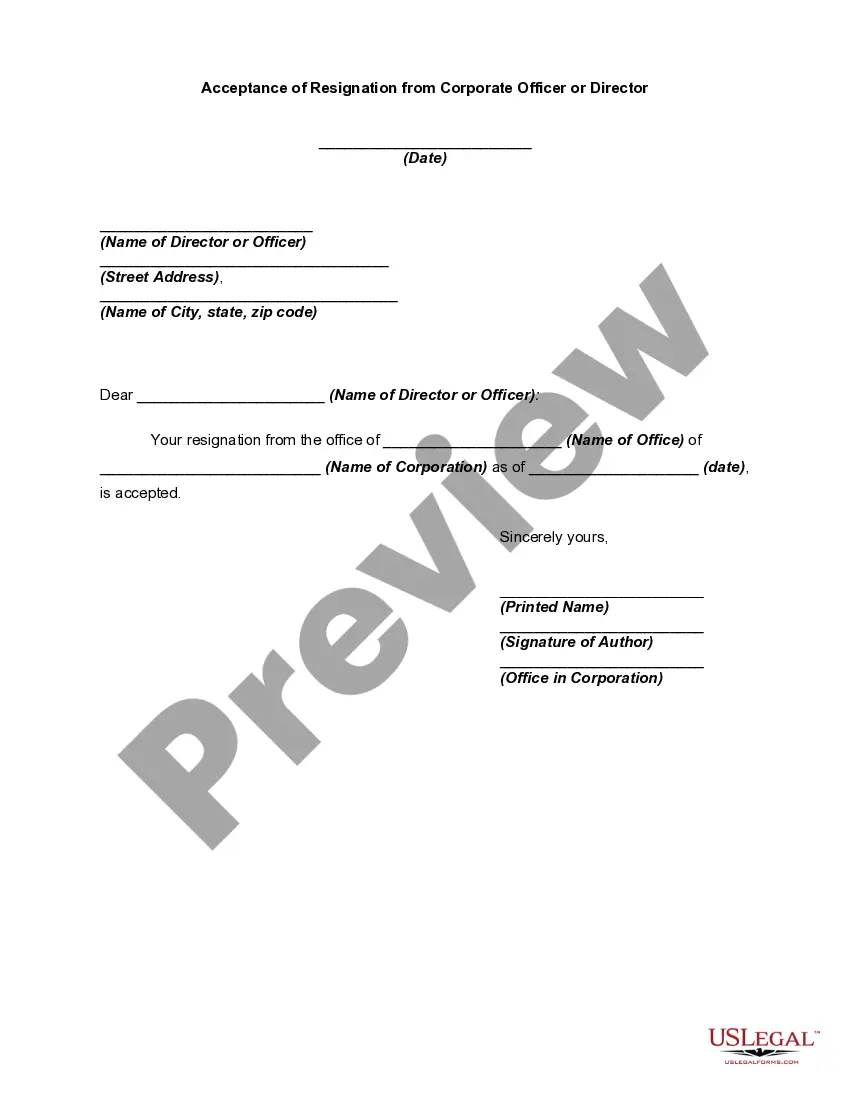
Get your form ready online
Our built-in tools help you complete, sign, share, and store your documents in one place.
Make edits, fill in missing information, and update formatting in US Legal Forms—just like you would in MS Word.
Download a copy, print it, send it by email, or mail it via USPS—whatever works best for your next step.
Sign and collect signatures with our SignNow integration. Send to multiple recipients, set reminders, and more. Go Premium to unlock E-Sign.
If this form requires notarization, complete it online through a secure video call—no need to meet a notary in person or wait for an appointment.
We protect your documents and personal data by following strict security and privacy standards.

Make edits, fill in missing information, and update formatting in US Legal Forms—just like you would in MS Word.

Download a copy, print it, send it by email, or mail it via USPS—whatever works best for your next step.

Sign and collect signatures with our SignNow integration. Send to multiple recipients, set reminders, and more. Go Premium to unlock E-Sign.

If this form requires notarization, complete it online through a secure video call—no need to meet a notary in person or wait for an appointment.

We protect your documents and personal data by following strict security and privacy standards.
Looking for another form?










Form popularity
FAQ
Resignation is the process of an employee ending their employment contract. You might also call it 'quitting', 'leaving your job' or 'handing in your notice'. If you're considering resigning because of a problem at work, you might be able to resolve it and avoid leaving your job.
It also refers to the period between the resignation date and the last working day in the company when an employee resigns. A notice period is the amount of time an employee has to give from the time he or she decides to quit until he/she actually stops working.
You may feel a loss of control over your career path. If you can afford to do so, giving two weeks' notice is generally the most professional route and can benefit you in the long run. However, if the work environment is toxic or if you have another opportunity lined up, quitting immediately might be the best choice.
You may feel a loss of control over your career path. If you can afford to do so, giving two weeks' notice is generally the most professional route and can benefit you in the long run. However, if the work environment is toxic or if you have another opportunity lined up, quitting immediately might be the best choice.
There was a material difference between saying, on the one hand, 'I am resigning' or 'I resign', and, on the other, 'I will hand in my notice'. The former has immediate effect to terminate the employment; whereas the latter is merely a statement of intention.
A two weeks' notice letter is a formal resignation letter stating your plan to resign two weeks from the day you submit it. Two weeks is the standard notice period when you resign from a job, because it gives the company just enough time to start interviewing replacements and prepare for your departure.
Quitting is an informal way of describing the separation of a an employee and employer instigated by the employee. Resigning is a more formal way of describing the same thing.
Resigning and quitting are the same thing and are done at the employee's discretion. “Terminated” simply means that the employment relationship has been ended either at the employee's discretion or the employer's.

