Resignation Letter For Officer In Houston
Description

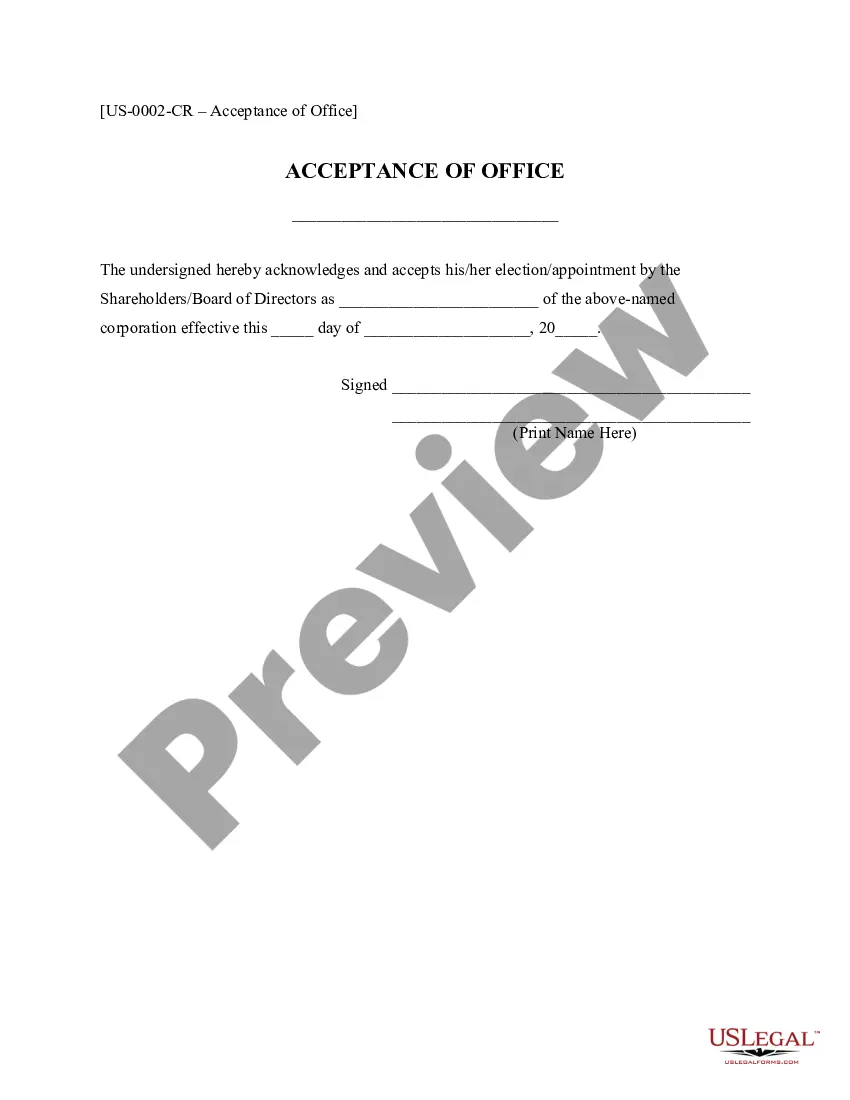
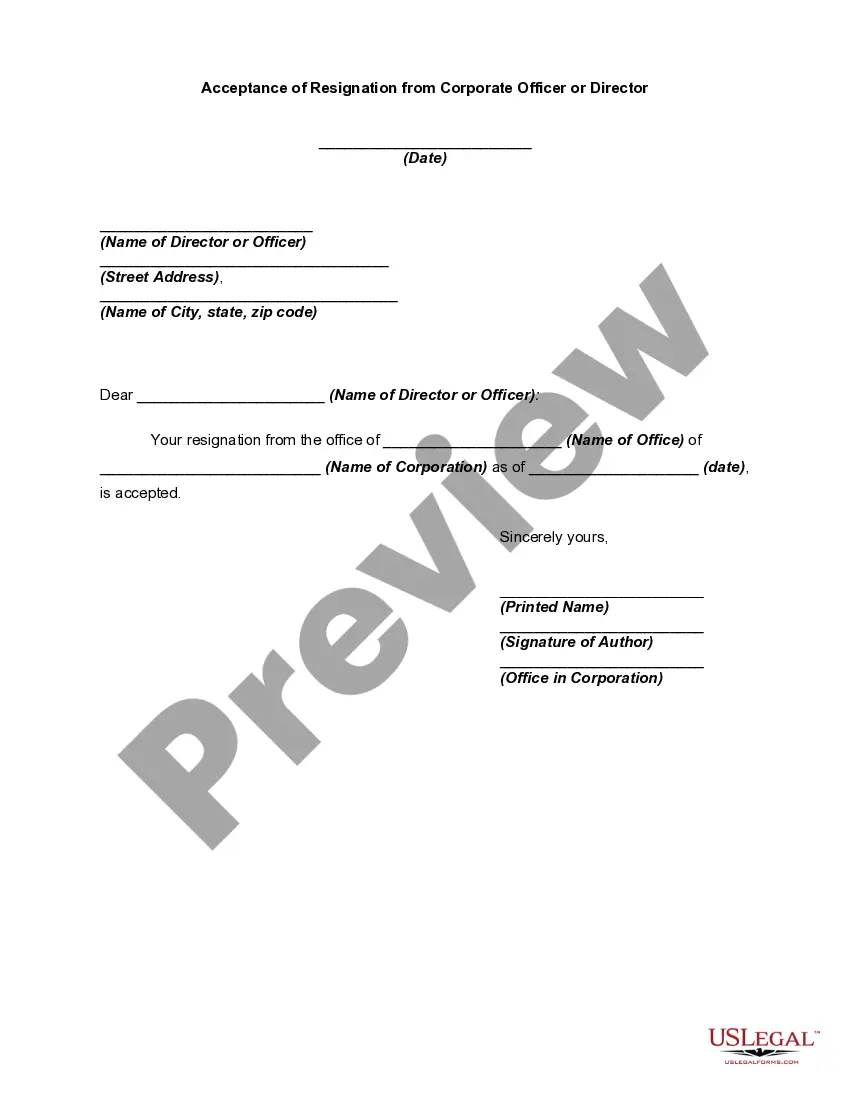
Get your form ready online
Our built-in tools help you complete, sign, share, and store your documents in one place.
Make edits, fill in missing information, and update formatting in US Legal Forms—just like you would in MS Word.
Download a copy, print it, send it by email, or mail it via USPS—whatever works best for your next step.
Sign and collect signatures with our SignNow integration. Send to multiple recipients, set reminders, and more. Go Premium to unlock E-Sign.
If this form requires notarization, complete it online through a secure video call—no need to meet a notary in person or wait for an appointment.
We protect your documents and personal data by following strict security and privacy standards.

Make edits, fill in missing information, and update formatting in US Legal Forms—just like you would in MS Word.

Download a copy, print it, send it by email, or mail it via USPS—whatever works best for your next step.

Sign and collect signatures with our SignNow integration. Send to multiple recipients, set reminders, and more. Go Premium to unlock E-Sign.

If this form requires notarization, complete it online through a secure video call—no need to meet a notary in person or wait for an appointment.

We protect your documents and personal data by following strict security and privacy standards.
Looking for another form?




Form popularity
FAQ
How to write a security guard resignation letter Plan your letter. To begin the process of writing your resignation letter, you may plan out the content and format. Write the first draft. Next, you may write a draft of your letter that has all the information you want to include. Proofread your letter. Submit the letter.
Give proper notice. Provide the standard two weeks' notice, or more if required by your employer. Resign in person. Schedule a meeting with your manager to resign face-to-face. Be gracious and appreciative. Offer to help transition your work.
The items you include are: A clear statement that expresses your intention to resign. Provide the proper amount of notice. Offer a transition plan. A short explanation about why you're leaving. A polite expression of gratitude. A statement about your immediate departure from the company. Criticism of your colleagues.
Most companies ask you to deliver your resignation letter to your direct supervisor. You may also write to a letter to someone else, such as a more senior manager or member of human resources. Your employee handbook may have information about whom to address when sending a resignation letter.
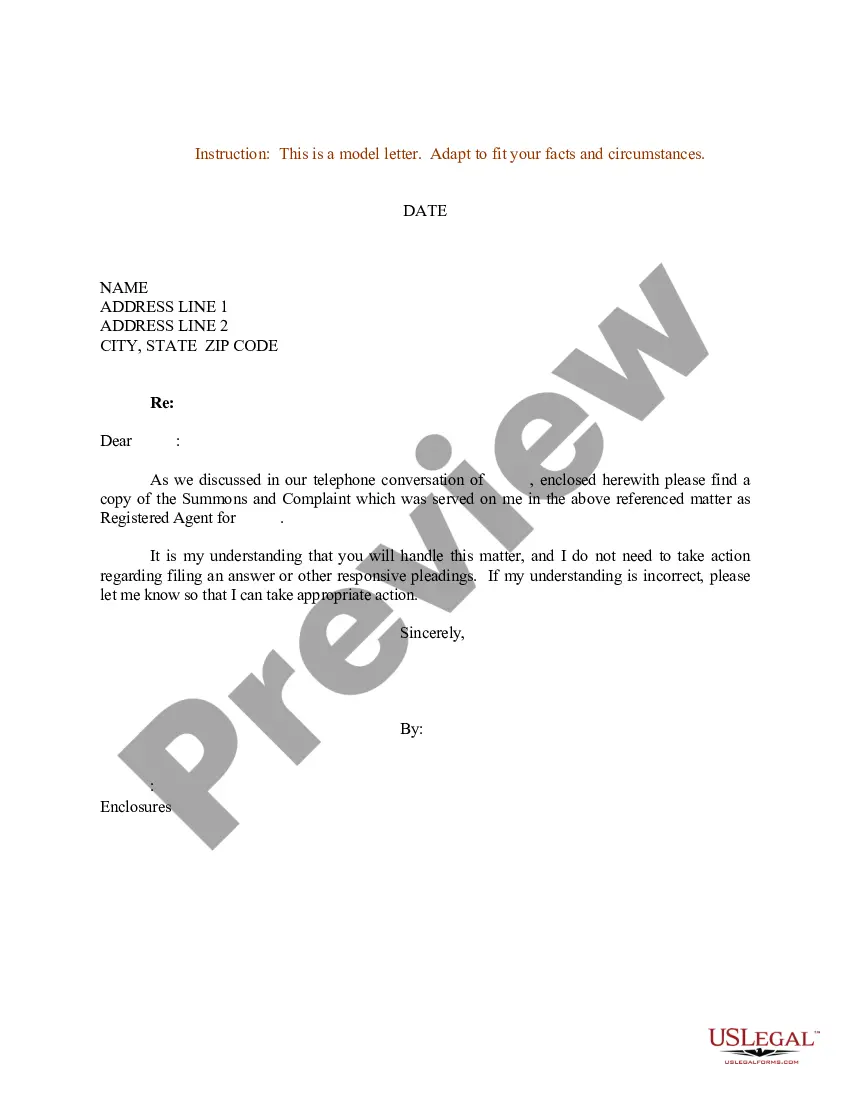
Dear (Recipient's Name), I am writing to inform you of my immediate resignation from my position at (Company Name). After careful consideration, I have decided that it is in my best interest to conclude my employment with (Company Name) effective immediately.
I am writing to inform you that I have decided to resign from my position as Job Title at Company Name. My last day of work will be Date. I want to take this opportunity to thank you and the entire team for the valuable experience and support provided during my time at Company Name.
Dear Manager's Name, I regret to inform you that I am resigning from my position as Job Role at Company Name, effective immediately. Due to unforeseen circumstances, I am unable to continue in my current role. I apologise for the abrupt nature of my departure and any inconvenience it may cause.
Please accept my apologies for not being able to provide typical notice period, but due to your reason for leaving, I am resigning with immediate effect. I understand that by leaving so abruptly, this may cause some difficulties, so don't hesitate to let me know how I can help make the transition easier.
Here are seven steps to writing a resignation letter when unhappy with management at your workplace: Start with a date and time. Use a formal address. Detail the exact date you plan to leave. Explain your reason for resigning. Express your gratitude. Discuss transitioning your responsibilities.
It's common courtesy to give your employer at least two weeks' notice of your resignation, but sometimes that's not an option. There are many circumstances that may warrant an immediate resignation. Perhaps you're dealing with a hostile or unsafe work environment that's jeopardizing your mental or physical health.

