Format Of Job Application Letter For Class 12 In Phoenix
Description

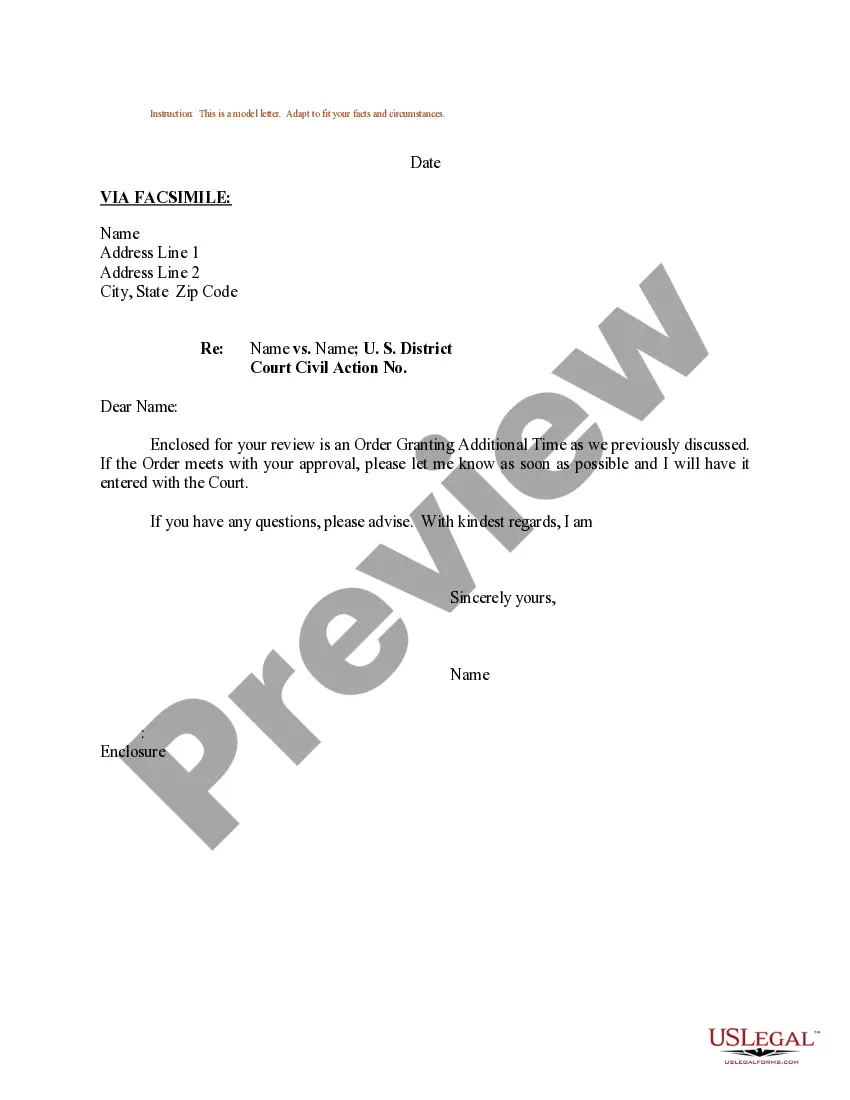
Get your form ready online
Our built-in tools help you complete, sign, share, and store your documents in one place.
Make edits, fill in missing information, and update formatting in US Legal Forms—just like you would in MS Word.
Download a copy, print it, send it by email, or mail it via USPS—whatever works best for your next step.
Sign and collect signatures with our SignNow integration. Send to multiple recipients, set reminders, and more. Go Premium to unlock E-Sign.
If this form requires notarization, complete it online through a secure video call—no need to meet a notary in person or wait for an appointment.
We protect your documents and personal data by following strict security and privacy standards.

Make edits, fill in missing information, and update formatting in US Legal Forms—just like you would in MS Word.

Download a copy, print it, send it by email, or mail it via USPS—whatever works best for your next step.

Sign and collect signatures with our SignNow integration. Send to multiple recipients, set reminders, and more. Go Premium to unlock E-Sign.

If this form requires notarization, complete it online through a secure video call—no need to meet a notary in person or wait for an appointment.

We protect your documents and personal data by following strict security and privacy standards.
Looking for another form?










Form popularity
FAQ
Use a clear structure: Your cover letter should have a clear structure, with a header, introduction, body paragraphs, and conclusion. Address the hiring manager: If possible, address the hiring manager by name in your opening paragraph or use an acceptable salutation, as seen in our examples.
When writing a cover letter, you should: introduce yourself. mention the job (or type of job) you're applying for (or looking for) show that your skills and experience match the skills and experience needed to do the job. encourage the reader to read your resume.
Most business letters must include a return address (letterhead or your name and address), date, an inside address (receiver's name and address), a salutation, body paragraphs, and a closing.
Understanding these aspects will guide your tone and content. 2 Start With a Proper Format: Formal letters have a specific layout that includes the sender's address, date, recipient's address, salutation, body, close, and signature.
Four Paragraphs Minimum—Your letter should have at least an introductory paragraph, an education paragraph, an employment paragraph, and a concluding paragraph. Complimentary Close—These are some standard phrases: Sincerely, Sincerely yours, Yours sincerely, Yours very truly, and Very truly yours.
The letter should have the sender's address, date, receiver's address, subject, salutation, body in 2-3 paragraphs, complimentary close and signature. The CV consists of personal details, qualifications, work experience, achievements, languages known, skills and references.
Dear Hiring Manager's Name, As a Position Name with X years of experience Action, I believe that I am the ideal candidate for Company Name. I look forward to hearing from you. I can be reached at Your Email or Your Phone Number.
How to Write a Letter of Application (With Examples) Put your contact information in your header. Address the hiring manager. Grab attention with your introduction. Quantify skills in body paragraphs. Use action verbs. Close with a call to action. Format properly.
Use business letter format. Use a formal business letter format when writing your letter. Include your contact information at the top, the date, and the employer's contact information. Be sure to provide a salutation at the beginning and your signature at the end.