Sample Schedule Form For Loan Application In Philadelphia
Description

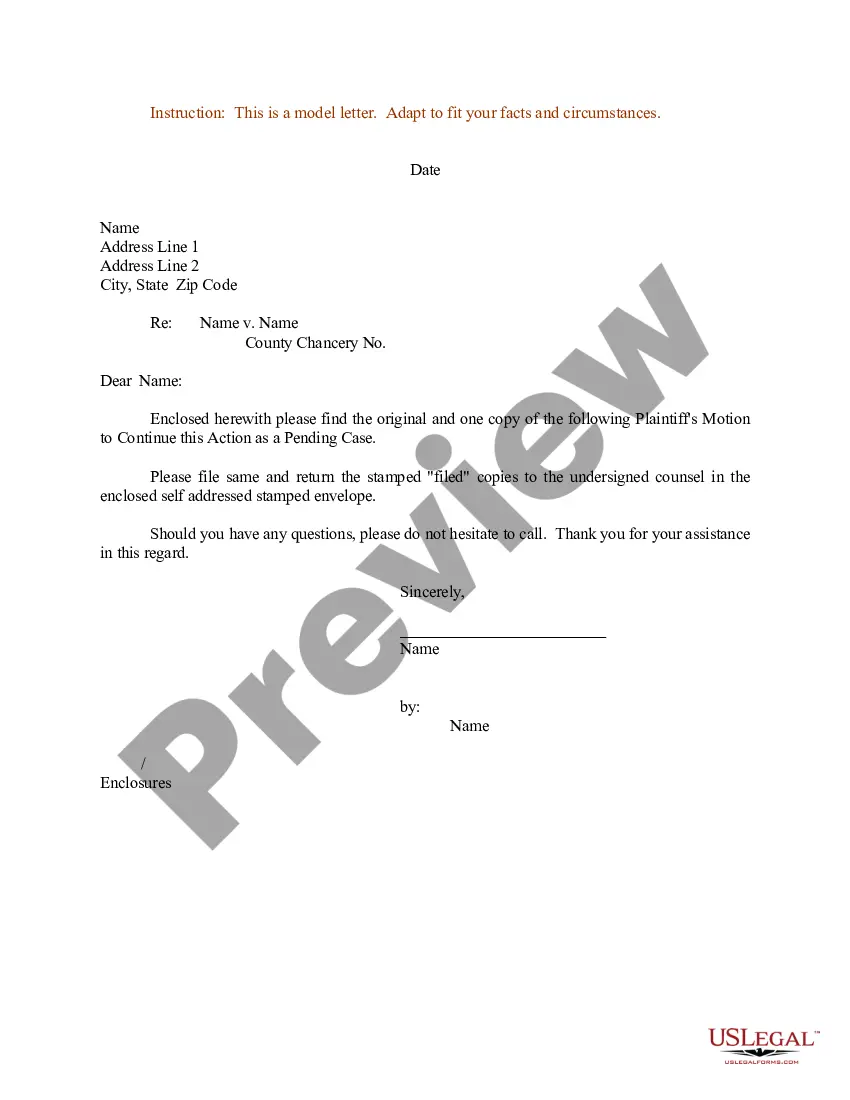
Get your form ready online
Our built-in tools help you complete, sign, share, and store your documents in one place.
Make edits, fill in missing information, and update formatting in US Legal Forms—just like you would in MS Word.
Download a copy, print it, send it by email, or mail it via USPS—whatever works best for your next step.
Sign and collect signatures with our SignNow integration. Send to multiple recipients, set reminders, and more. Go Premium to unlock E-Sign.
If this form requires notarization, complete it online through a secure video call—no need to meet a notary in person or wait for an appointment.
We protect your documents and personal data by following strict security and privacy standards.

Make edits, fill in missing information, and update formatting in US Legal Forms—just like you would in MS Word.

Download a copy, print it, send it by email, or mail it via USPS—whatever works best for your next step.

Sign and collect signatures with our SignNow integration. Send to multiple recipients, set reminders, and more. Go Premium to unlock E-Sign.

If this form requires notarization, complete it online through a secure video call—no need to meet a notary in person or wait for an appointment.

We protect your documents and personal data by following strict security and privacy standards.
Looking for another form?






Form popularity
FAQ
A business debt schedule, schedule of debt or schedule of liabilities is a list of all the debts your business currently owes, their current balance, original amount, monthly payments and other pertinent details. These debts can include: Small-business loans, including lines of credit and business credit cards. Leases.
Form 770 is the financial statement of debtor that is used by SBA servicing centers for actions that require current financial information for a specific borrower or debtor.
Previous Employment/Self Employment and Income – Provide at least 2 years of current and previous employment and income. Complete this section if you have received income from your current job(s) or self-employment(s) for less than two years.
The new Form 1003, which went into effect Effective March 1, 2021, does not require notarization. However, it does make significant changes to the layout of the document, such as moving the borrower information section to the top of the first page.