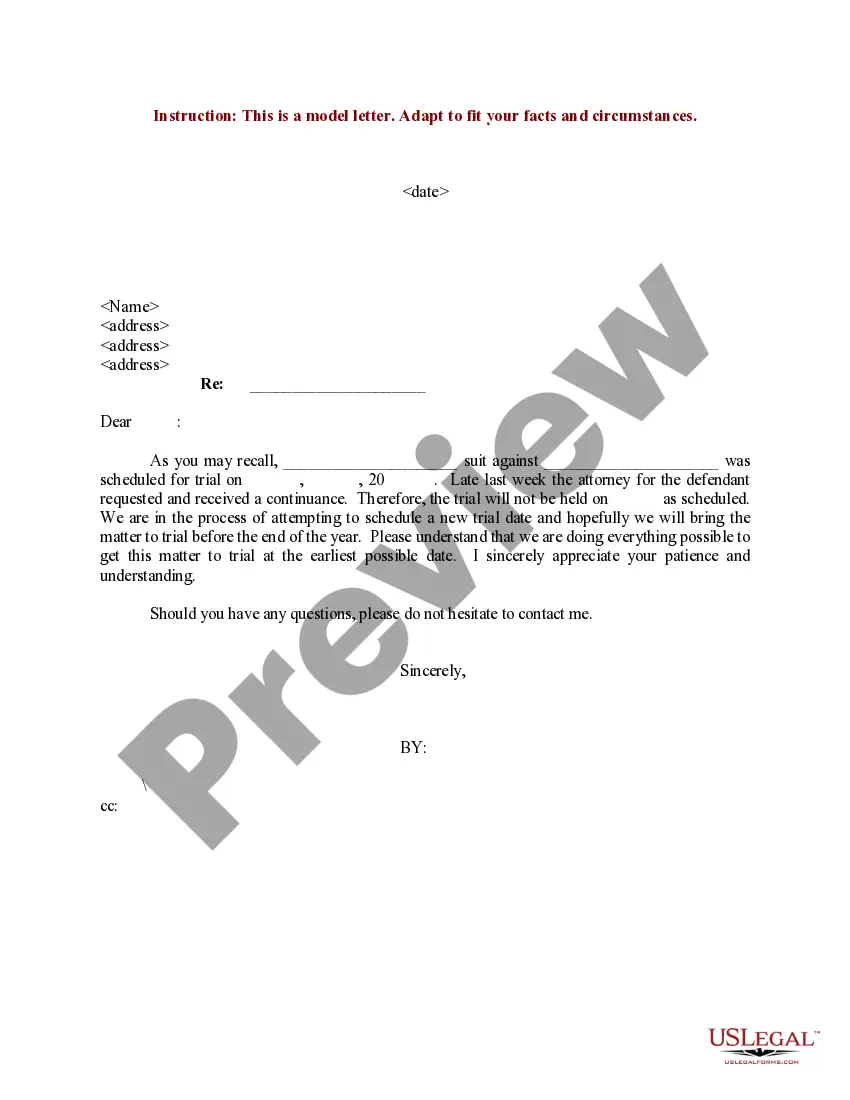
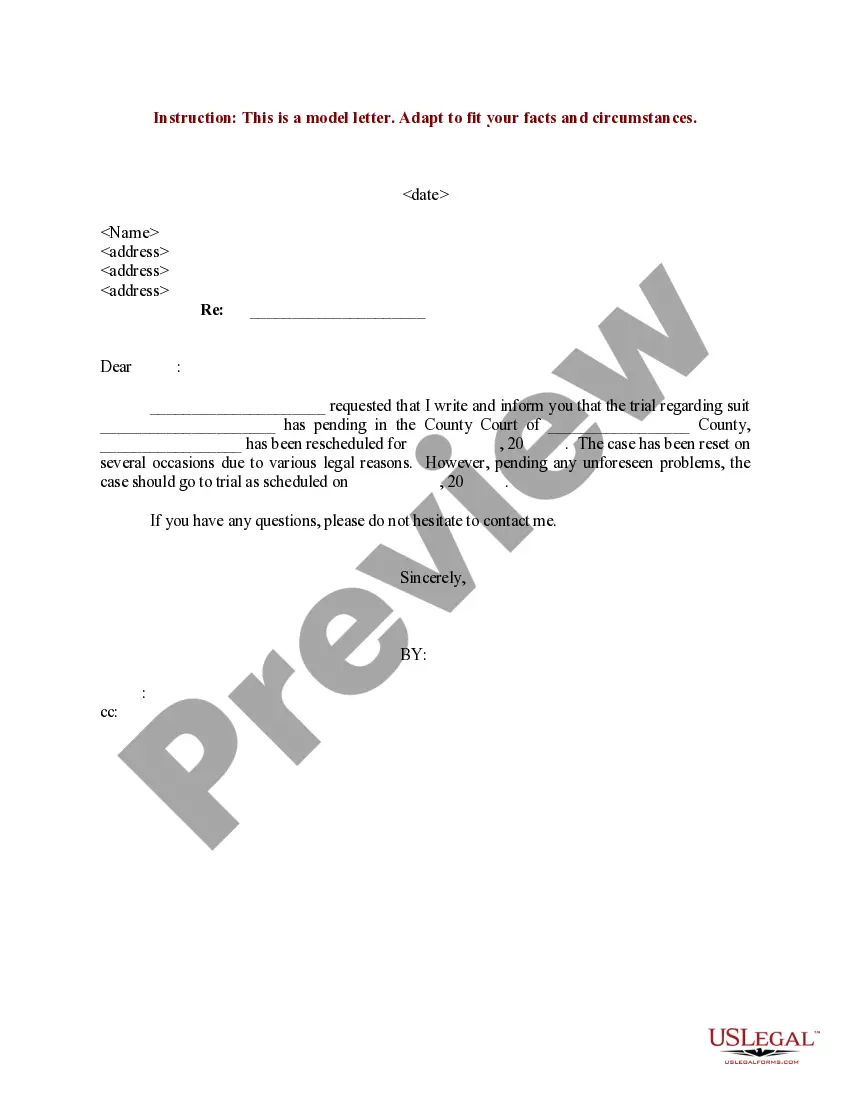
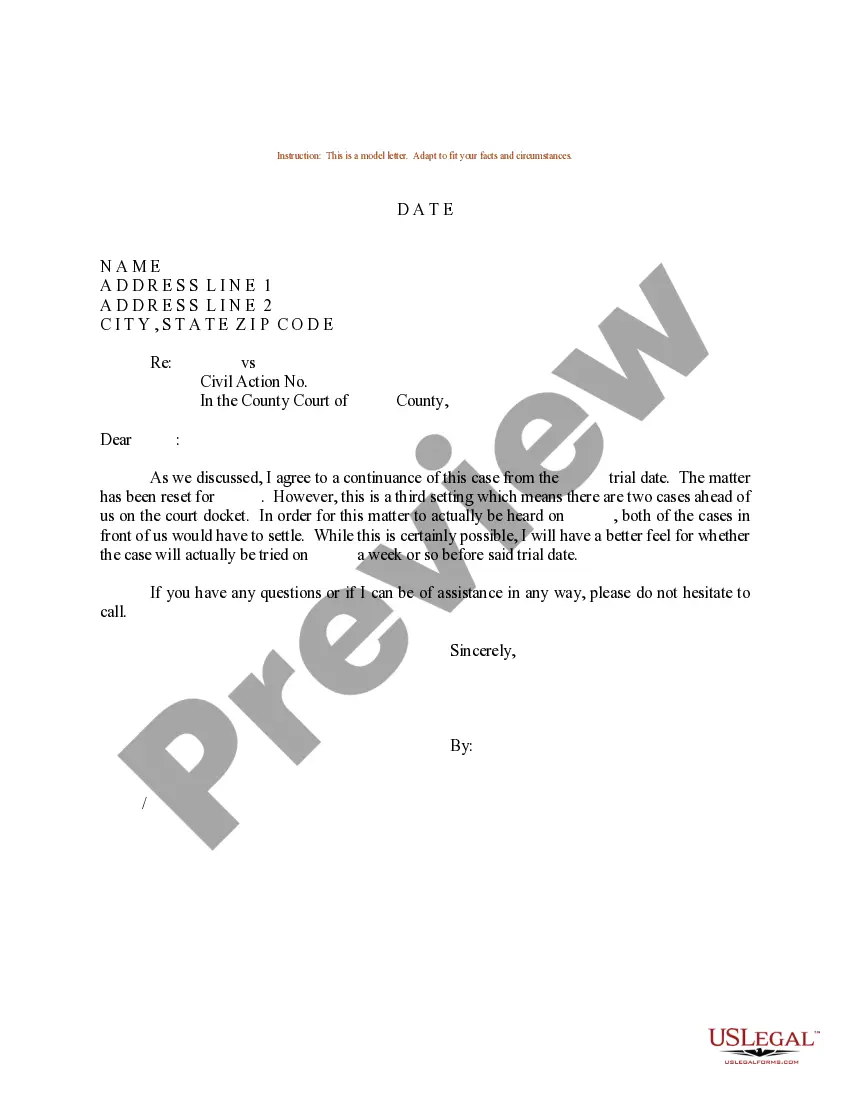
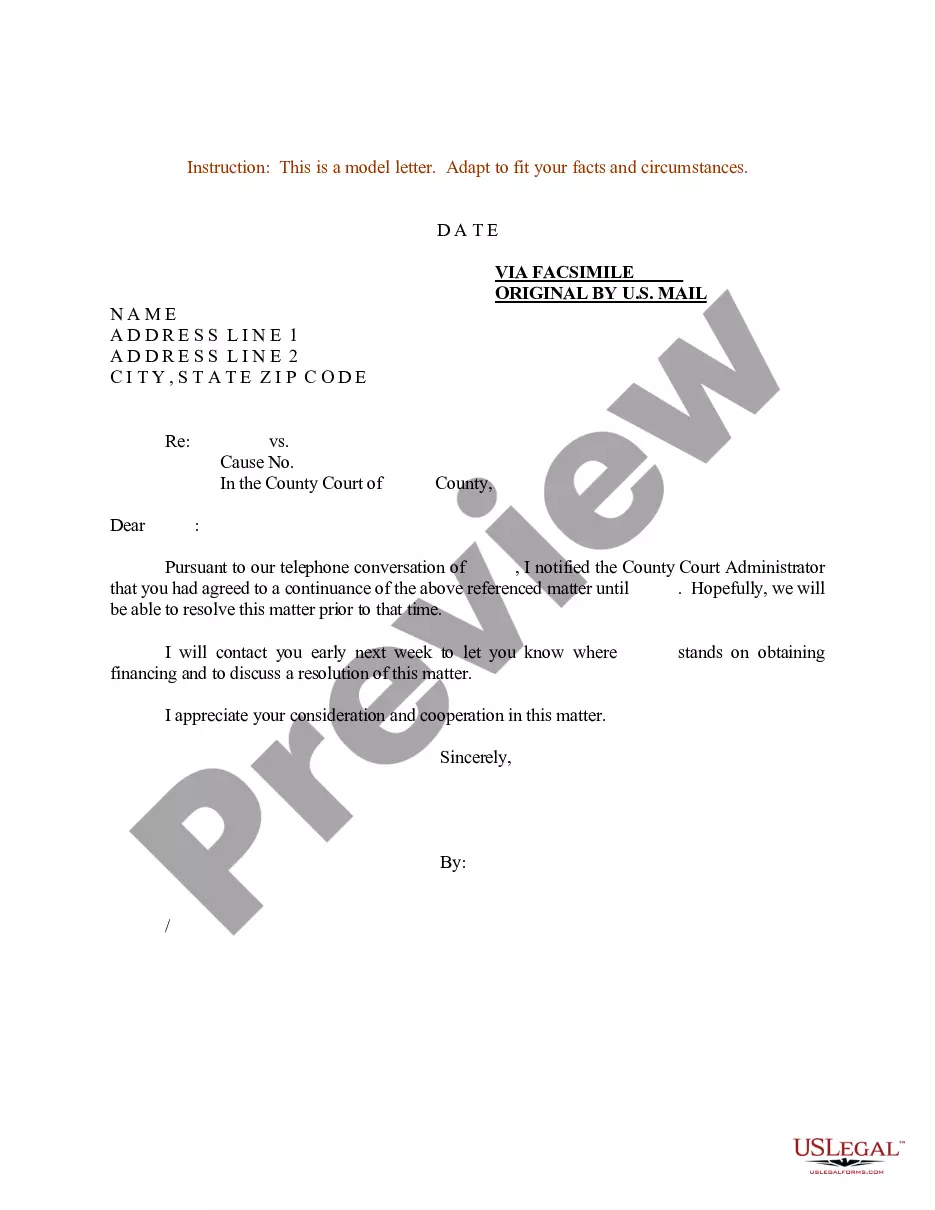
Trial Continuance Without Evidence In Nevada
Description
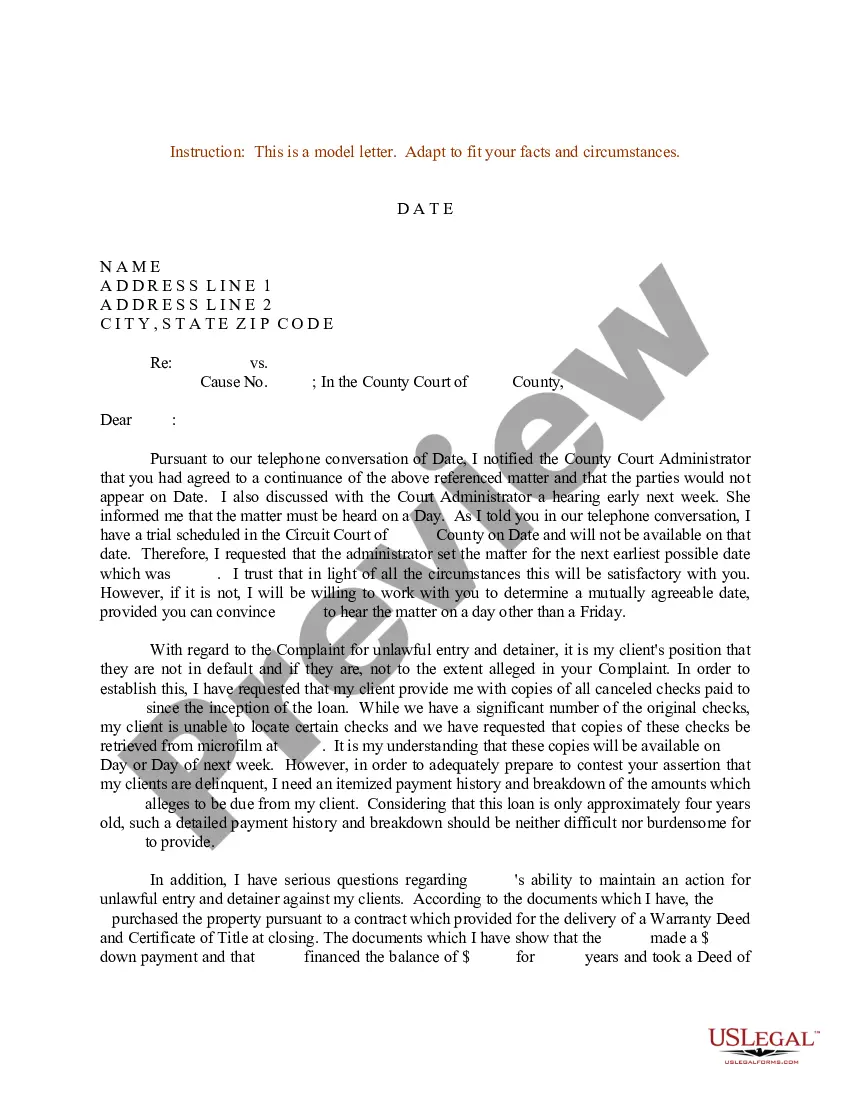
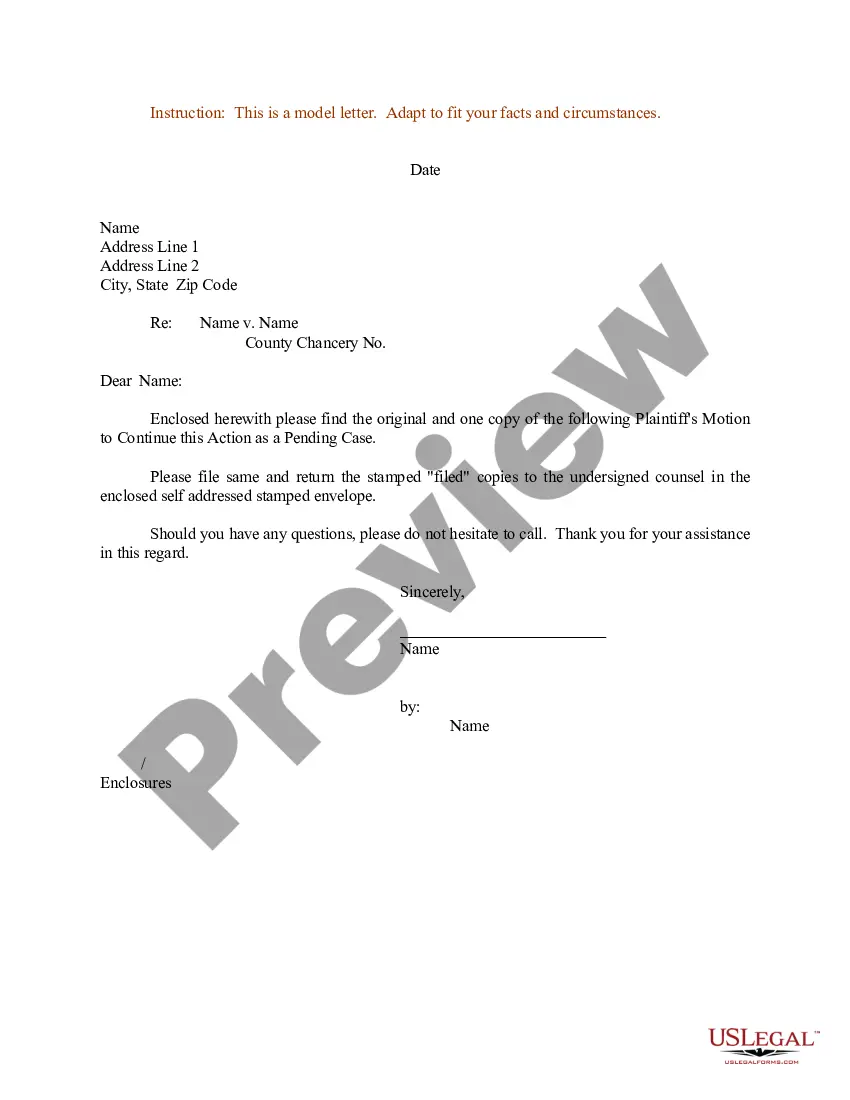
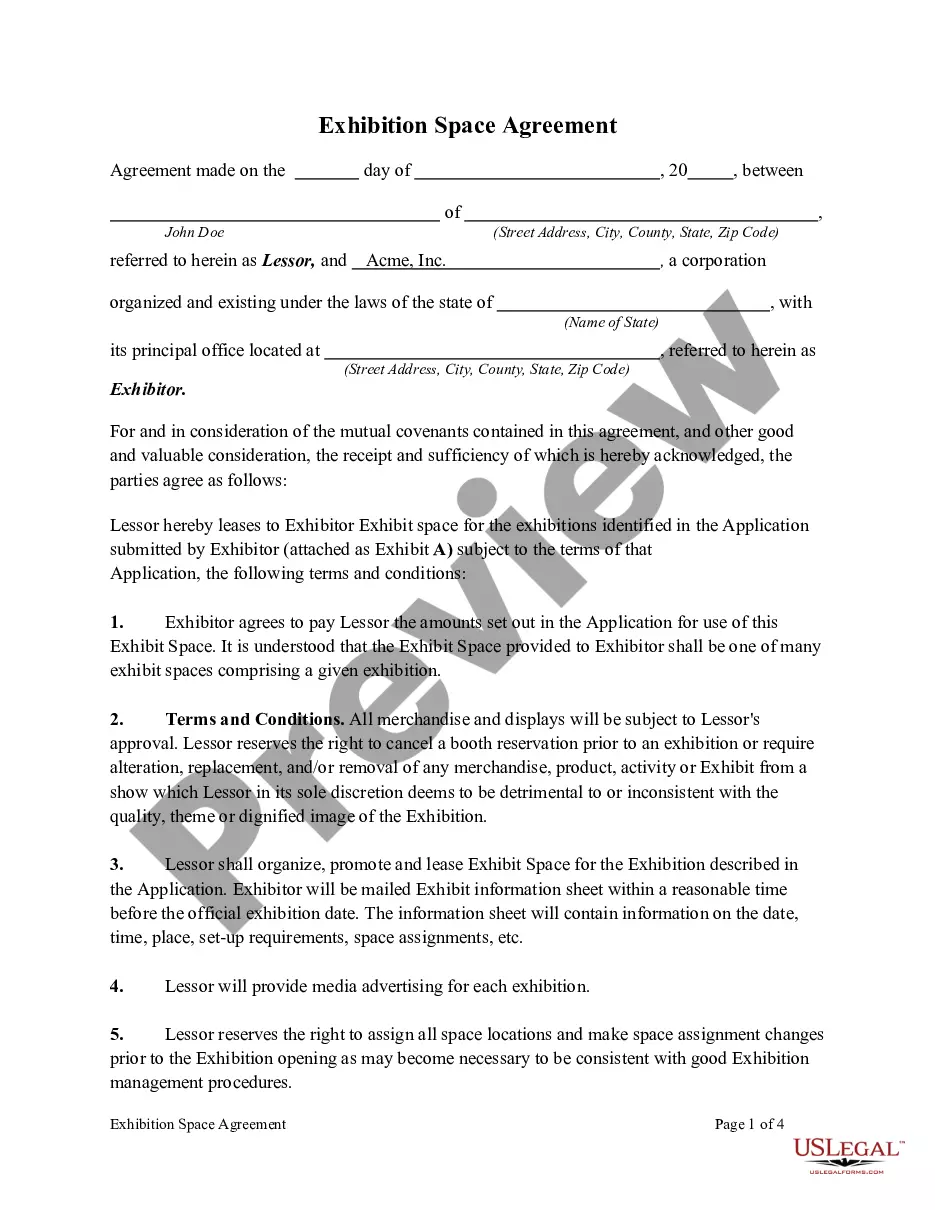
Get your form ready online
Our built-in tools help you complete, sign, share, and store your documents in one place.
Make edits, fill in missing information, and update formatting in US Legal Forms—just like you would in MS Word.
Download a copy, print it, send it by email, or mail it via USPS—whatever works best for your next step.
Sign and collect signatures with our SignNow integration. Send to multiple recipients, set reminders, and more. Go Premium to unlock E-Sign.
If this form requires notarization, complete it online through a secure video call—no need to meet a notary in person or wait for an appointment.
We protect your documents and personal data by following strict security and privacy standards.

Make edits, fill in missing information, and update formatting in US Legal Forms—just like you would in MS Word.

Download a copy, print it, send it by email, or mail it via USPS—whatever works best for your next step.

Sign and collect signatures with our SignNow integration. Send to multiple recipients, set reminders, and more. Go Premium to unlock E-Sign.

If this form requires notarization, complete it online through a secure video call—no need to meet a notary in person or wait for an appointment.

We protect your documents and personal data by following strict security and privacy standards.
Looking for another form?









Form popularity
FAQ
On a motion for a new trial in an action tried without a jury, the court may open the judgment if one has been entered, take additional testimony, amend findings of fact and conclusions of law or make new findings and conclusions, and direct the entry of a new judgment.
What Is Considered a “Good Cause?” Either the defendant or prosecution needs more time to prepare for trial; The defendant became ill or experienced an unexpected life change; Witnesses cannot be tracked down or cannot attend the scheduled court date; The defendant needs more time to retain a lawyer;
Rule 60. Relief From a Judgment or Order (a) Corrections Based on Clerical Mistakes; Oversights and Omissions. The court may correct a clerical mistake or a mistake arising from oversight or omission whenever one is found in a judgment, order, or other part of the record.
Rule 59(e) authorizes a motion to alter or amend a judgment. A Rule 59(e) motion must be filed no later than 28 days after the entry of the judgment. This is a strict time limit, and the court has no authority to grant more time.
An objection to a continuance should be clear and positive, though no particular form of words is required. Words such as “I object,” or “We want it tried,” are clear enough. Expressions such as “Well, we leave it up to the court,” or “I cannot consent,” are equivocal, and will not be taken as objections.
On a motion for a new trial in an action tried without a jury, the court may open the judgment if one has been entered, take additional testimony, amend findings of fact and conclusions of law or make new findings and conclusions, and direct the entry of a new judgment.
Specifically, Rule 59(e) recognizes only three possible grounds for any motion for reconsideration: (1) an intervening change in the law; (2) the availability of new evidence not previously available; and (3) the need to correct a clear error of law or prevent manifest injustice.
In representing a client, a lawyer shall not communicate about the subject of the representation with a person the lawyer knows to be represented by another lawyer in the matter, unless the lawyer has the consent of the other lawyer or is authorized to do so by law or a court order.
Circumstances that may indicate good cause for a continuance include the unavailability of an essential witness (CRC 3.1332 (c)(1)); the unavailability of a party because of death, illness, or other excusable circumstances (CRC 3.1332 (c)(2)); or a significant, unanticipated change in the status of the case as a result ...
A motion requesting a rehearing or reconsideration may be based only on one of the following grounds: (a) Newly discovered or available evidence. (b) Error in the hearing or in the findings and recommendations or the decision that would be grounds for reversal of the findings and recommendations or the decision.