Trial Continuance Without A Trial In Massachusetts
Description
Get your form ready online
Our built-in tools help you complete, sign, share, and store your documents in one place.
Make edits, fill in missing information, and update formatting in US Legal Forms—just like you would in MS Word.
Download a copy, print it, send it by email, or mail it via USPS—whatever works best for your next step.
Sign and collect signatures with our SignNow integration. Send to multiple recipients, set reminders, and more. Go Premium to unlock E-Sign.
If this form requires notarization, complete it online through a secure video call—no need to meet a notary in person or wait for an appointment.
We protect your documents and personal data by following strict security and privacy standards.

Make edits, fill in missing information, and update formatting in US Legal Forms—just like you would in MS Word.

Download a copy, print it, send it by email, or mail it via USPS—whatever works best for your next step.

Sign and collect signatures with our SignNow integration. Send to multiple recipients, set reminders, and more. Go Premium to unlock E-Sign.

If this form requires notarization, complete it online through a secure video call—no need to meet a notary in person or wait for an appointment.

We protect your documents and personal data by following strict security and privacy standards.
Looking for another form?









Form popularity
FAQ
The definition of "continuance without a finding" is provided to make clear that, as used in these rules, the term presupposes that the defendant whose case has been so continued has formally submitted, and the court has accepted, a plea of guilty or an admission to sufficient facts.
Felony convictions are included in CORI reports only for ten years after final disposition (including termination of any period of incarceration). Misdemeanor convictions will be reported only for five years after final disposition (again, including termination of any period of incarceration).
Common grounds asserted by counsel as a basis for a requested continuance are: Illness of the defendant or important witnesses or defense counsel, conflicting engagements of counsel, lack of time for preparation by counsel or prejudicial publicity or a combination of several of the factors.... 30 Mass.
A felony or charges related to domestic violence, drug crimes, or firearms offenses may disqualify you from a License to Carry (LTC), but a CWOF (continuance without a finding) isn't considered a conviction. Past involuntary commitments can also be a barrier.
Both misdemeanor and felony convictions remain on your record indefinitely. A no-contest plea will result in a permanent criminal record for both types of offenses unless you successfully petition for expungement or an order of nondisclosure (sealing).
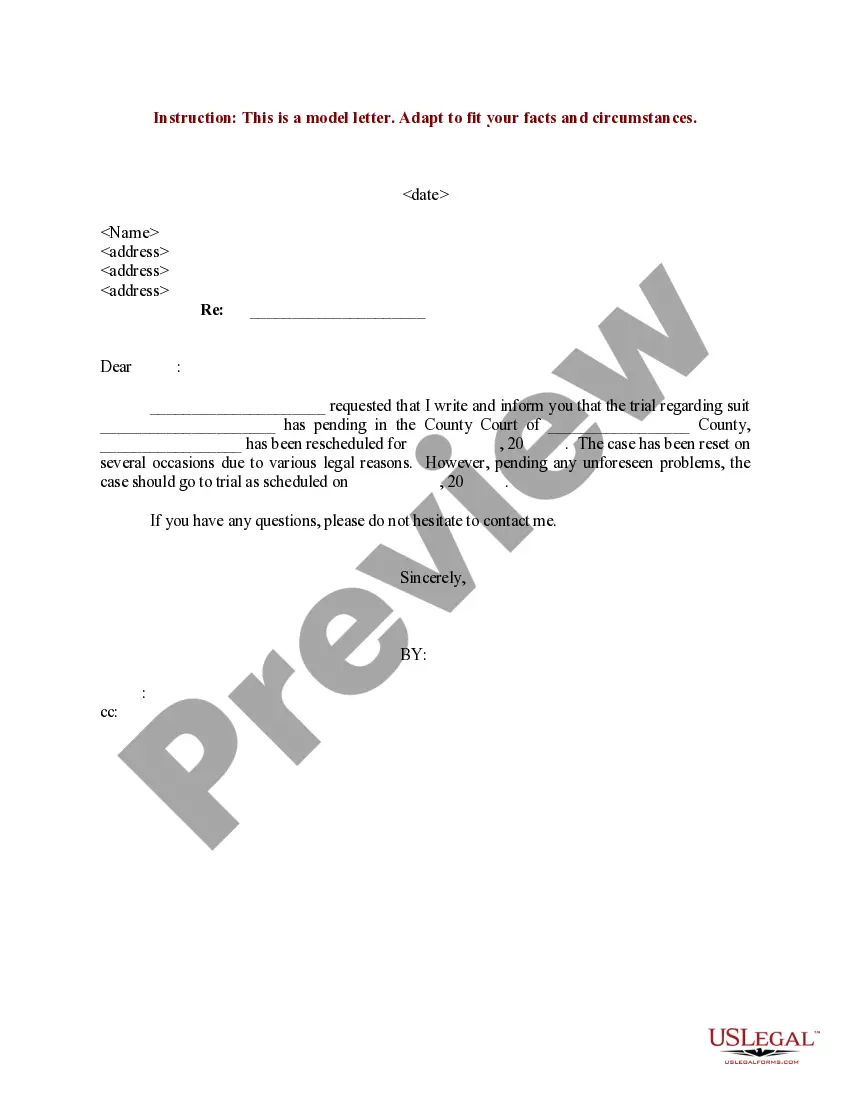
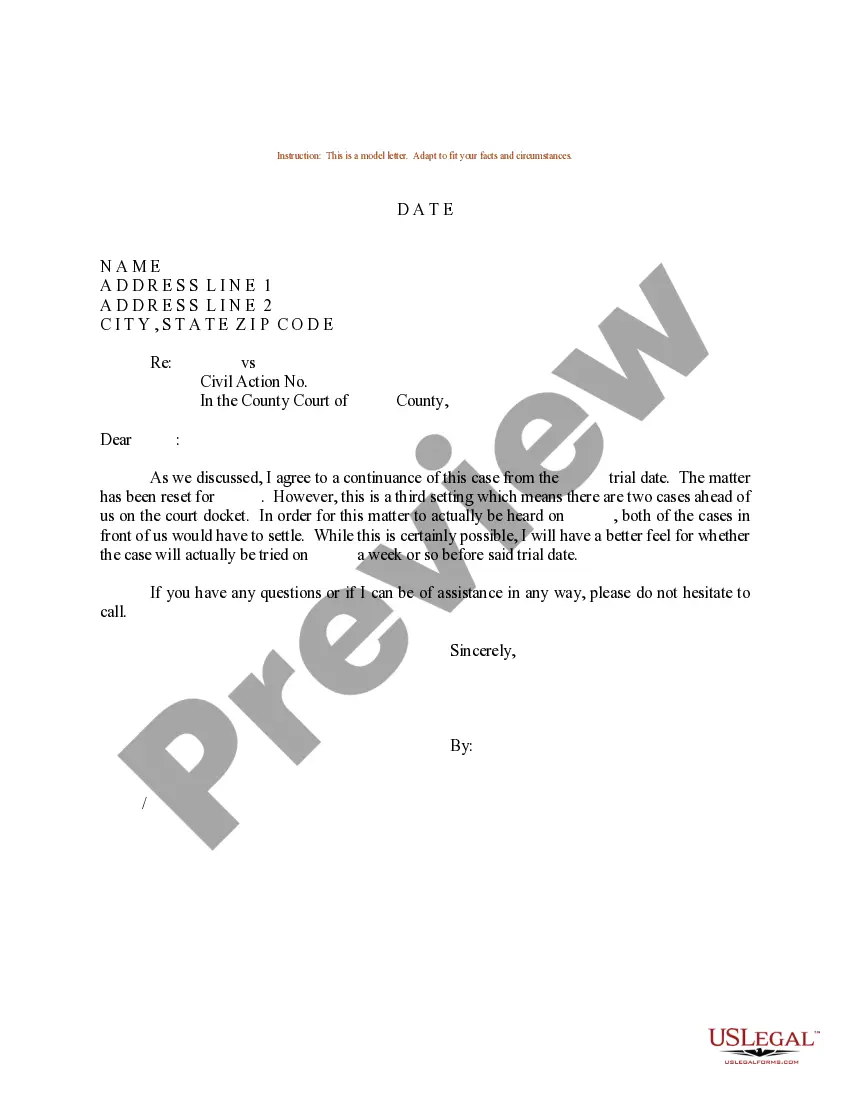
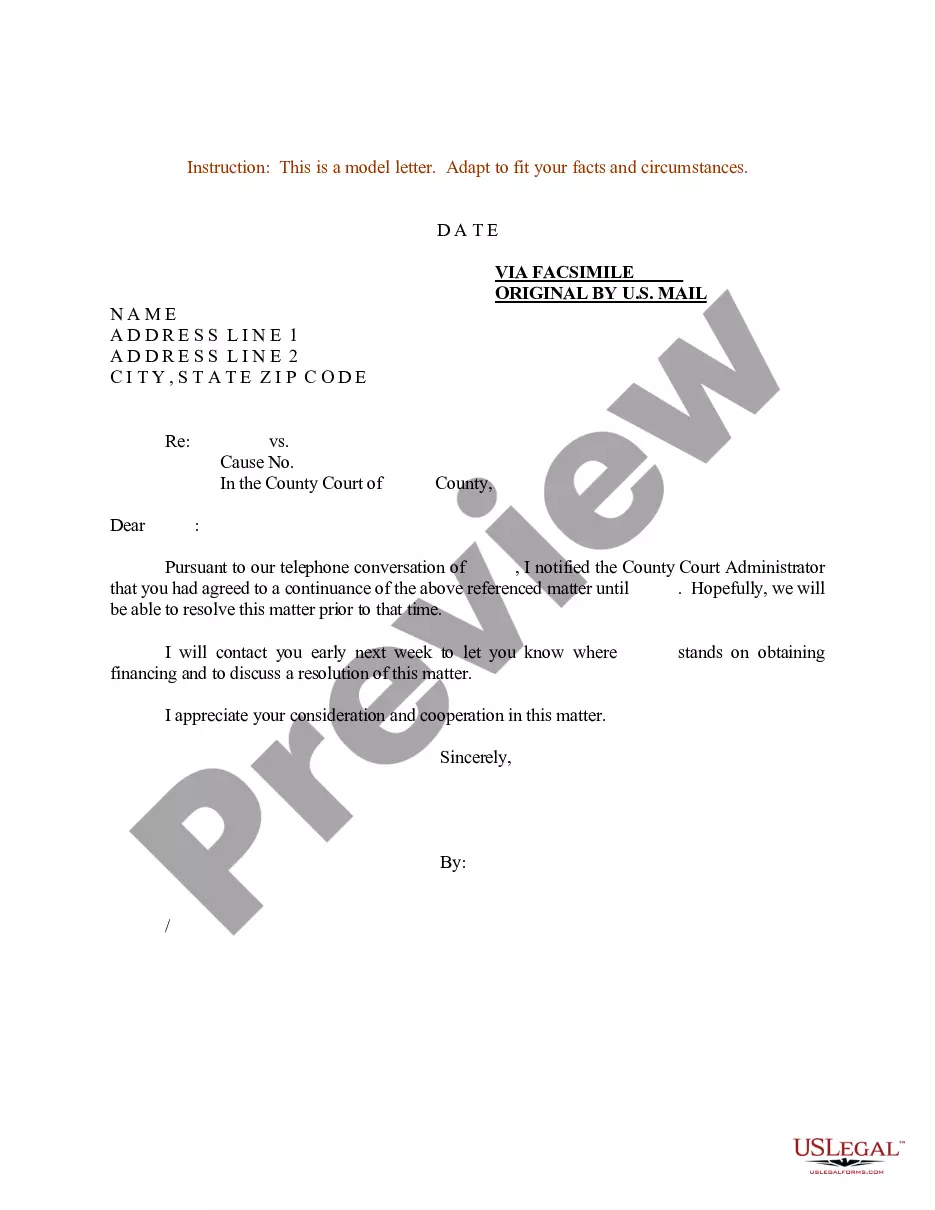
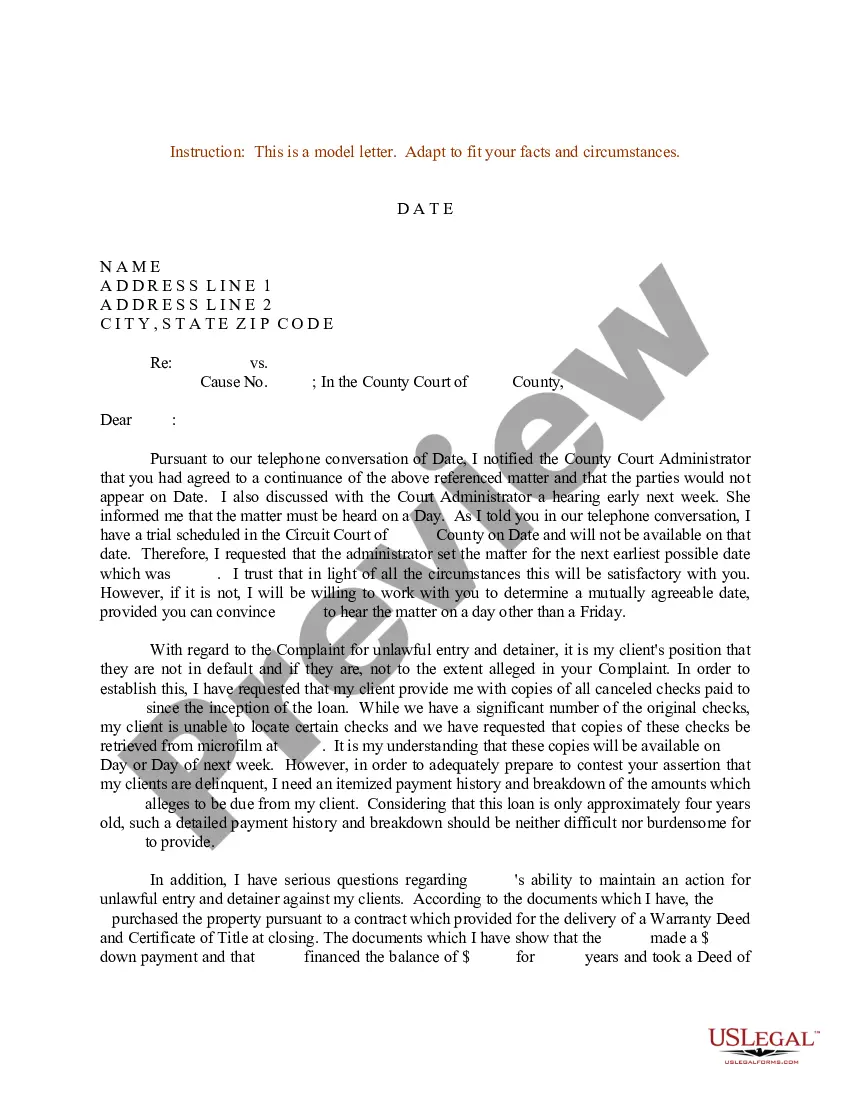
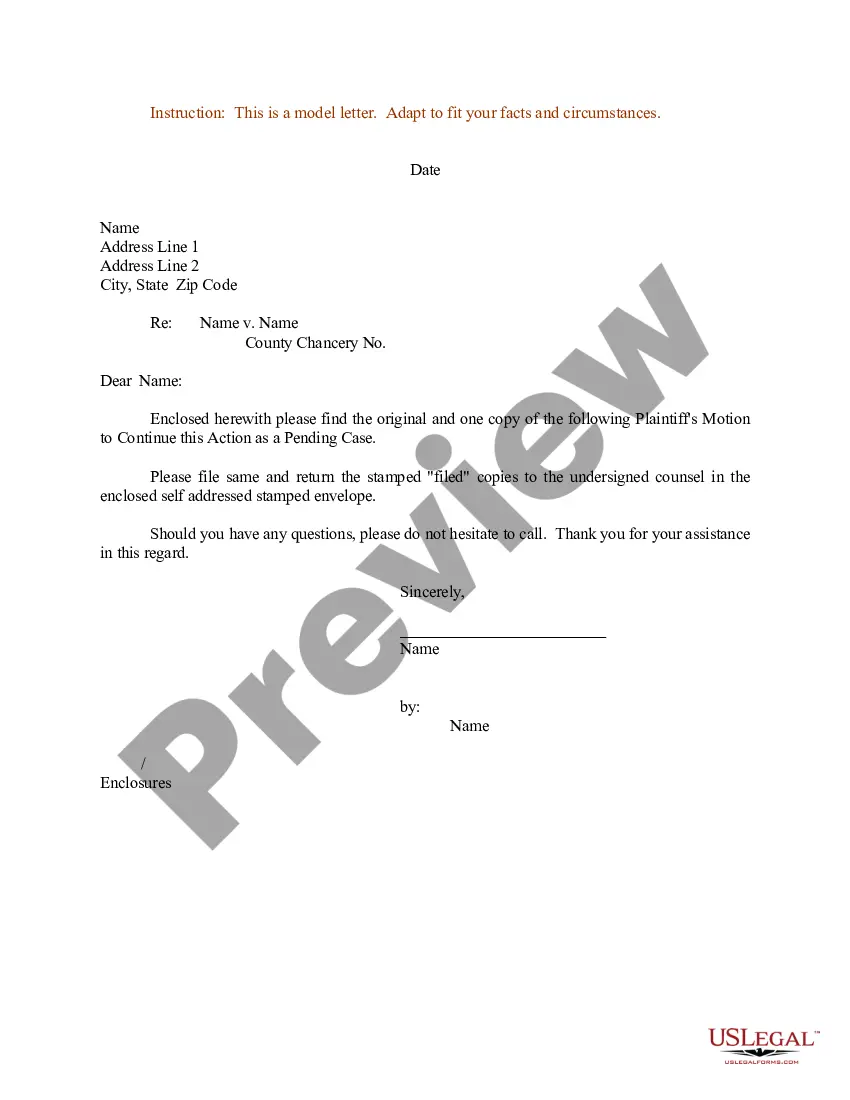
Absolutely. You would just need to draft it and explain why you need the continuance.
Common grounds asserted by counsel as a basis for a requested continuance are: Illness of the defendant or important witnesses or defense counsel, conflicting engagements of counsel, lack of time for preparation by counsel or prejudicial publicity or a combination of several of the factors.... 30 Mass.
Rule 17 is the process where a lawyer can ask the Court for a summons for third party records. To make a showing to acquire third party records a defendant must establish the following: A party moving to summons documents pursuant to Mass. R. Crim.
If you are available on your court date but need more time to prepare, ask the judge or the court attorney for an adjournment. An adjournment means that your hearing will be rescheduled. If you cannot be in court on the assigned date, file an affidavit of unavailablity with the clerk.

