Acceptance Letter To University In Suffolk
Description
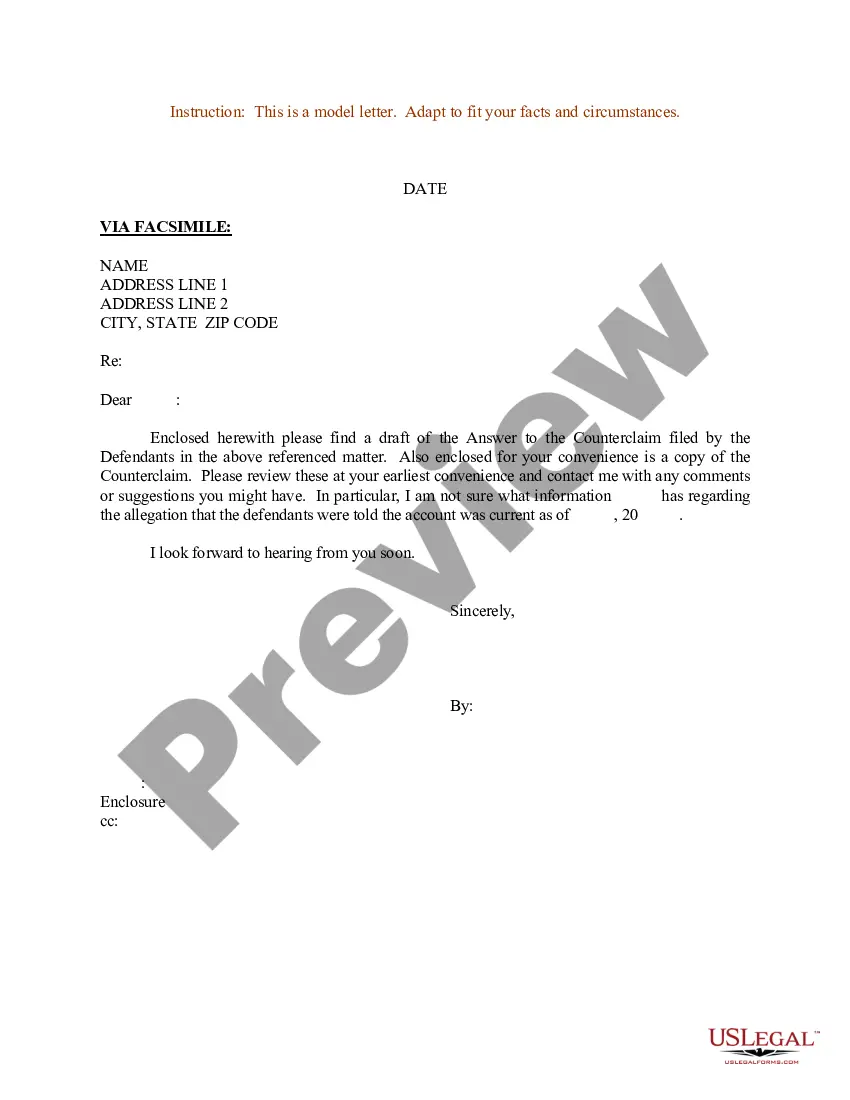
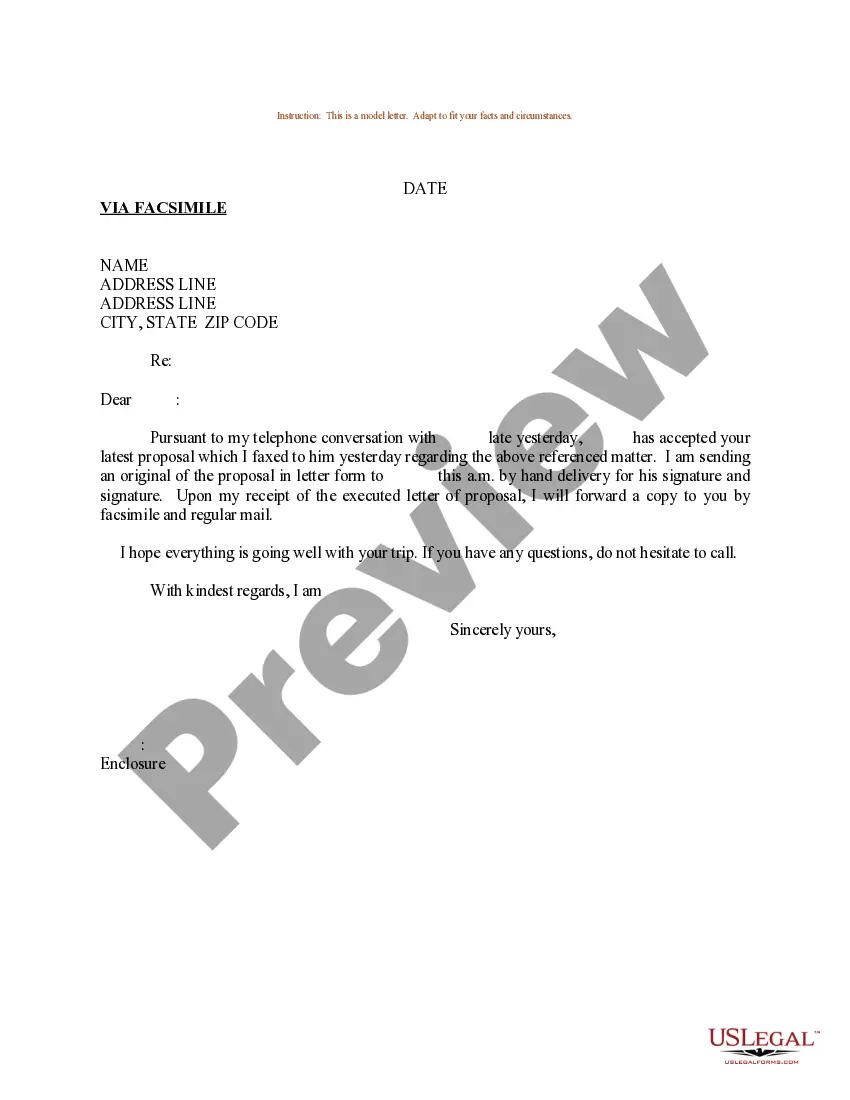
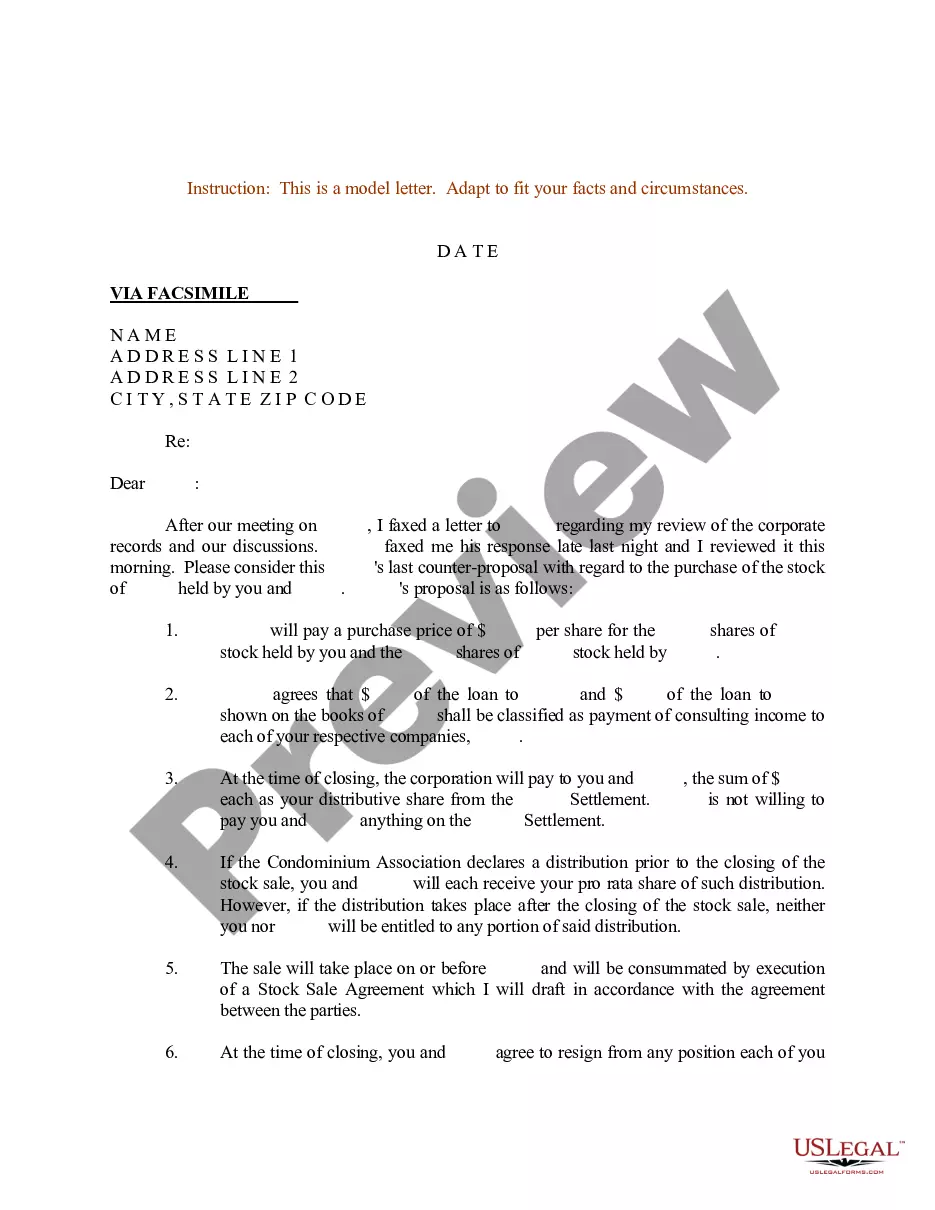
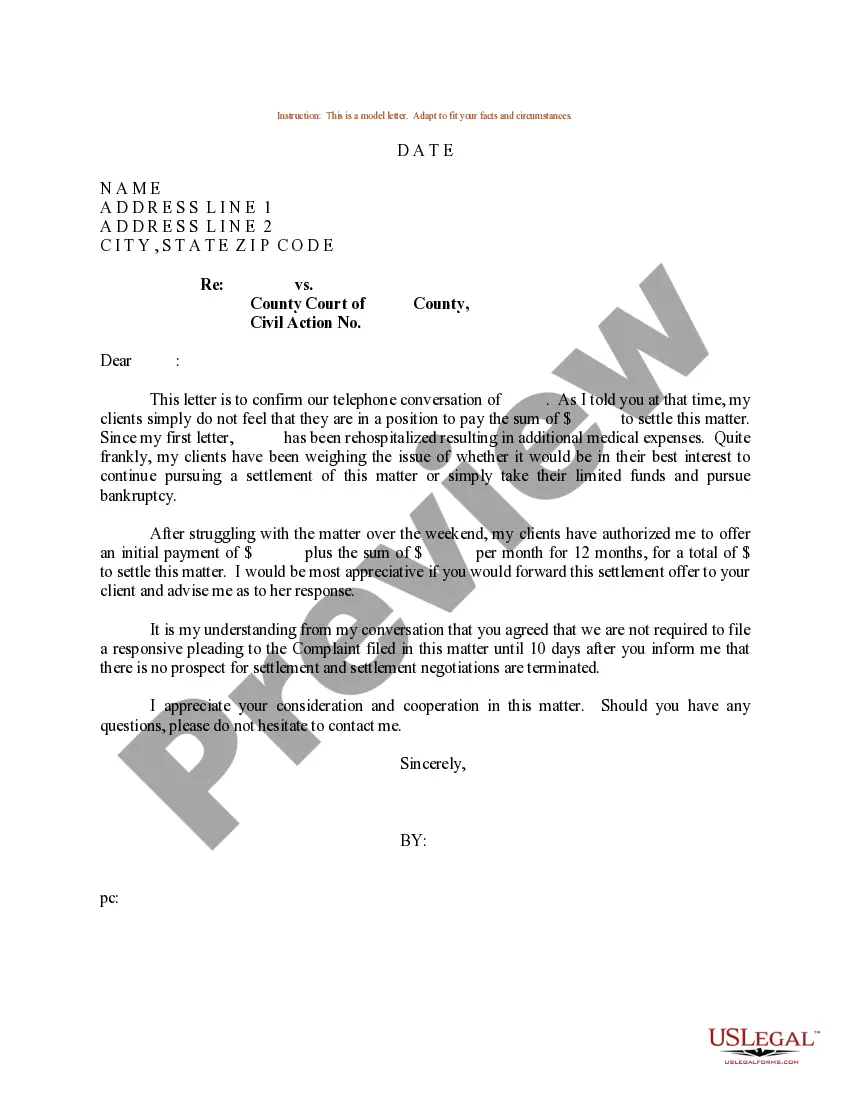
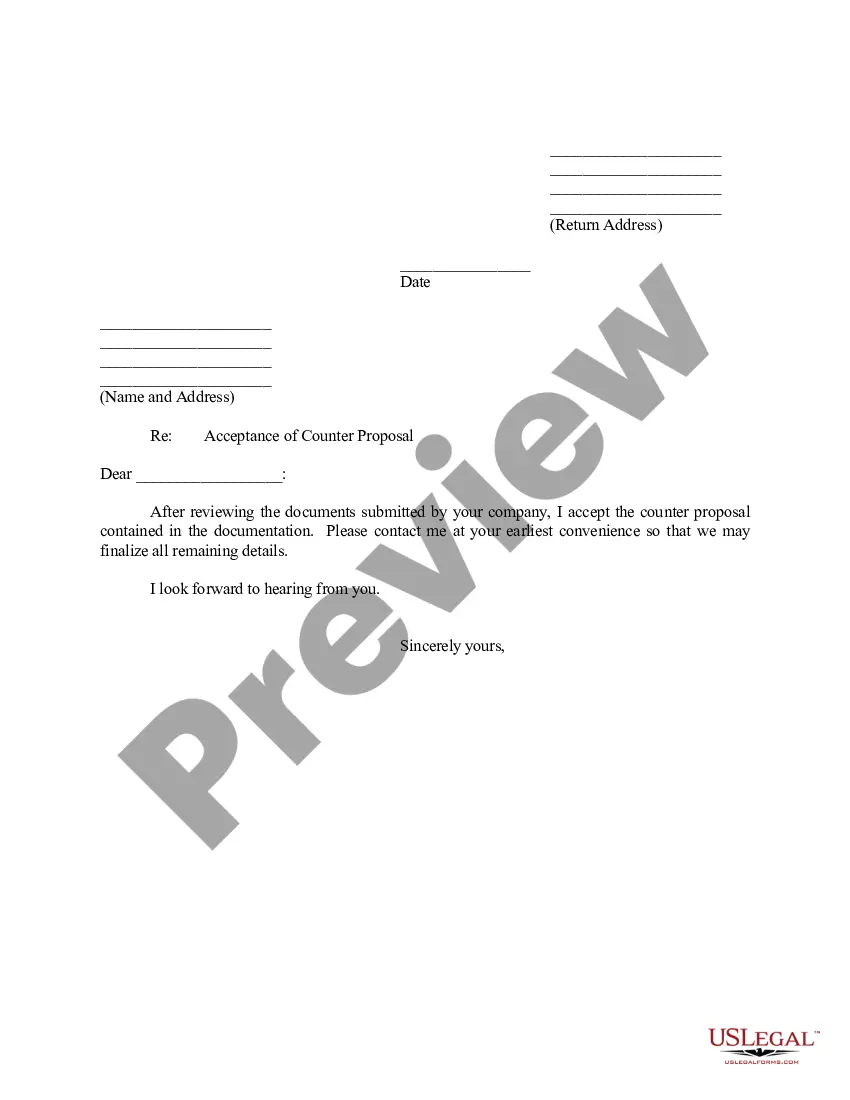
Get your form ready online
Our built-in tools help you complete, sign, share, and store your documents in one place.
Make edits, fill in missing information, and update formatting in US Legal Forms—just like you would in MS Word.
Download a copy, print it, send it by email, or mail it via USPS—whatever works best for your next step.
Sign and collect signatures with our SignNow integration. Send to multiple recipients, set reminders, and more. Go Premium to unlock E-Sign.
If this form requires notarization, complete it online through a secure video call—no need to meet a notary in person or wait for an appointment.
We protect your documents and personal data by following strict security and privacy standards.

Make edits, fill in missing information, and update formatting in US Legal Forms—just like you would in MS Word.

Download a copy, print it, send it by email, or mail it via USPS—whatever works best for your next step.

Sign and collect signatures with our SignNow integration. Send to multiple recipients, set reminders, and more. Go Premium to unlock E-Sign.

If this form requires notarization, complete it online through a secure video call—no need to meet a notary in person or wait for an appointment.

We protect your documents and personal data by following strict security and privacy standards.
Looking for another form?








Form popularity
FAQ
The acceptance rate at Suffolk University is 86.8%. For every 100 applicants, 87 are admitted. This means the school is lightly selective.
The timing of decision emails depends on the specific college and their admissions process. Some colleges may send out all decisions (acceptances, rejections, and waitlists) simultaneously, while others might send them out in separate batches.
There's also a little bit of variation in how decisions are conveyed: you can expect many colleges to send acceptance letters by email or online portal, though some will still send a formal letter in your mailbox, too.
While the turnaround time for a decision to be made on your application may vary from college to college, you will traditionally be able to expect a decision - and a letter of acceptance - to be issued on your application from four to eight weeks after you have successfully submitted your application.
The Binding Early Decision Program deadline is December 1. We begin accepting applications in September. Decisions are released on a rolling basis beginning in late November. After the priority deadline, we continue to accept applications until July 1 and review applications in the order they are received.
There's no standard for how long it takes colleges to send out acceptance letters, but generally, if you applied under regular decision, you can expect letters to begin arriving between mid-March and mid-April.
While the turnaround time for a decision to be made on your application may vary from college to college, you will traditionally be able to expect a decision - and a letter of acceptance - to be issued on your application from four to eight weeks after you have successfully submitted your application.
Colleges that accept you will usually notify you of your acceptance between mid-March and mid-April, either through an email or as an update on your college application portal.
It can take a few weeks to a few months to hear back for a college admissions decision, depending on the type of application you submitted. Early applicants — such as early decision or early action — will generally hear back in December while regular decision applicants will receive their admission decision in April.
What is an admissions acceptance letter? A brief description of what made the candidate's application special. Basic information about any scholarships the applicant earned. Details about how to accept the offer. Deadlines for responding or submitting a deposit. Information about first-year orientation.

