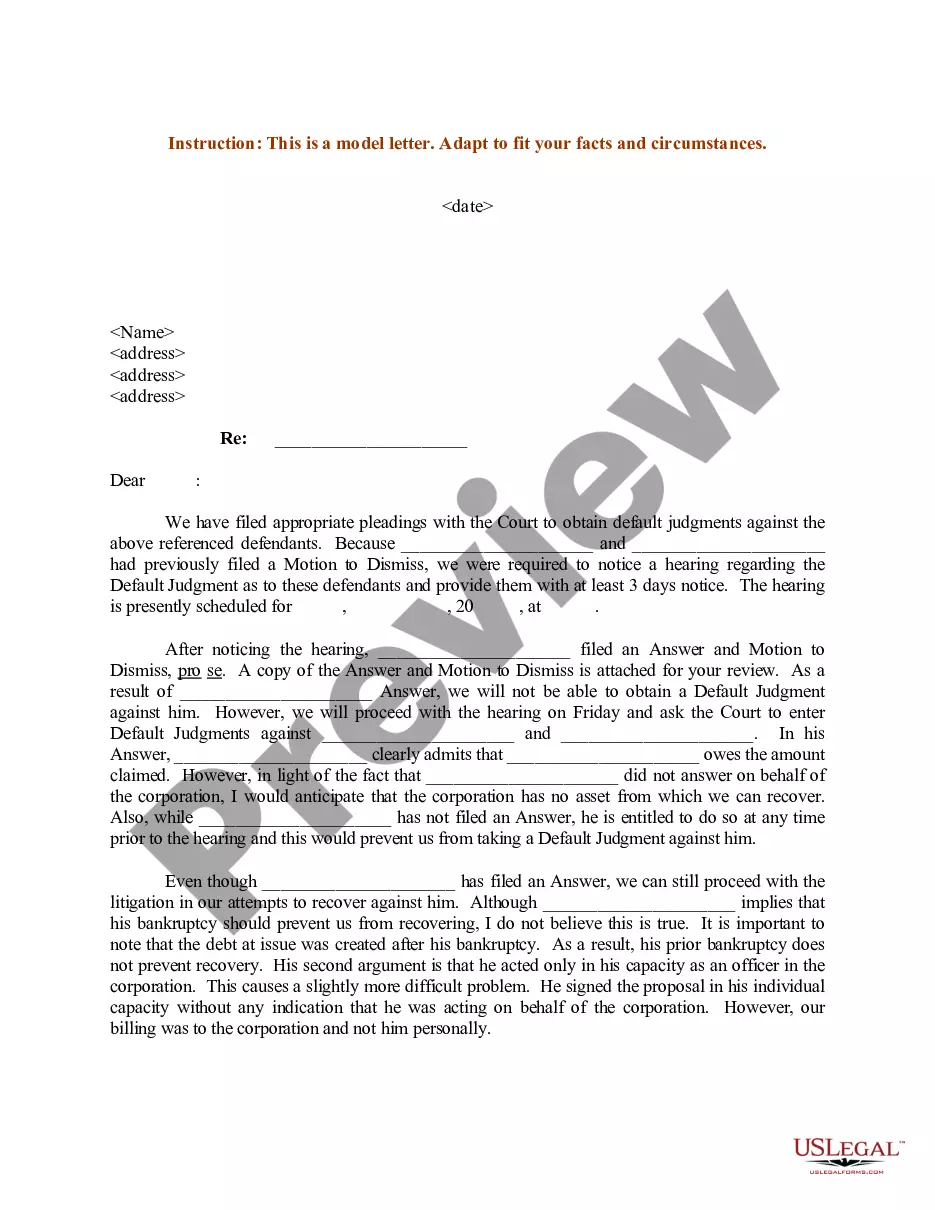
Acceptance Letter For Scholarship In Sacramento
Description
Get your form ready online
Our built-in tools help you complete, sign, share, and store your documents in one place.
Make edits, fill in missing information, and update formatting in US Legal Forms—just like you would in MS Word.
Download a copy, print it, send it by email, or mail it via USPS—whatever works best for your next step.
Sign and collect signatures with our SignNow integration. Send to multiple recipients, set reminders, and more. Go Premium to unlock E-Sign.
If this form requires notarization, complete it online through a secure video call—no need to meet a notary in person or wait for an appointment.
We protect your documents and personal data by following strict security and privacy standards.

Make edits, fill in missing information, and update formatting in US Legal Forms—just like you would in MS Word.

Download a copy, print it, send it by email, or mail it via USPS—whatever works best for your next step.

Sign and collect signatures with our SignNow integration. Send to multiple recipients, set reminders, and more. Go Premium to unlock E-Sign.

If this form requires notarization, complete it online through a secure video call—no need to meet a notary in person or wait for an appointment.

We protect your documents and personal data by following strict security and privacy standards.
Looking for another form?





Form popularity
FAQ
In most cases, acceptance and financial aid letters will come in separately, usually the acceptance first and scholarship later.
Some examples of information that you can include on an admissions acceptance letter include: A brief description of what made the candidate's application special. Basic information about any scholarships the applicant earned. Details about how to accept the offer. Deadlines for responding or submitting a deposit.
Usually it comes in the acceptance letter. Some large scholarships have later dates, especially when they involve an interview weekend you must attend in order to be eligible. Sometimes it'll be both at the same school.
What to say in a thank you letter: Use a formal salutation with appropriate titles. Do not use first names. Begin by introducing yourself and thanking the donor. Tell something about yourself. Explain how this scholarship will benefit you. Say “thank you” once again. Sign your letter.
Scholarship Acceptance Letter Writing Tips Keep the letter brief and to the point: Do not include any unnecessary information when writing. Congratulate the student on winning the scholarship. Use the standard business format when writing the acceptance letter.
``Thank you for the confidence that you have shown in me. I am honored to accept your offer of this scholarship. I assure you that I will work hard and make you proud of this decision.''
When accepting the offer, consider the following steps: Express Gratitude Begin by expressing your gratitude for the opportunity to join the program. Confirm Your Intentions Clearly state your intention to accept the athletic scholarship offer. Follow the Formal Procedures ... Stay in Communication
Here's a list of steps you can follow to write a cover letter for a scholarship: Review the scholarship qualifications. Write an introduction. Discuss internships or professional experience. Describe your academic interests and goals. Review your post-graduation aspirations. Write a concluding paragraph. Proofread and revise.
Briefly introduce yourself, state the scholarship you are applying for, and express your enthusiasm. Mention a compelling reason or a personal story that makes the scholarship particularly significant to you. Clearly articulate your academic pursuits and how they align with your career aspirations.
Briefly introduce yourself, state the scholarship you are applying for, and express your enthusiasm. Mention a compelling reason or a personal story that makes the scholarship particularly significant to you. Clearly articulate your academic pursuits and how they align with your career aspirations.