Default Prove Up Hearing With Attorney In Houston
Description
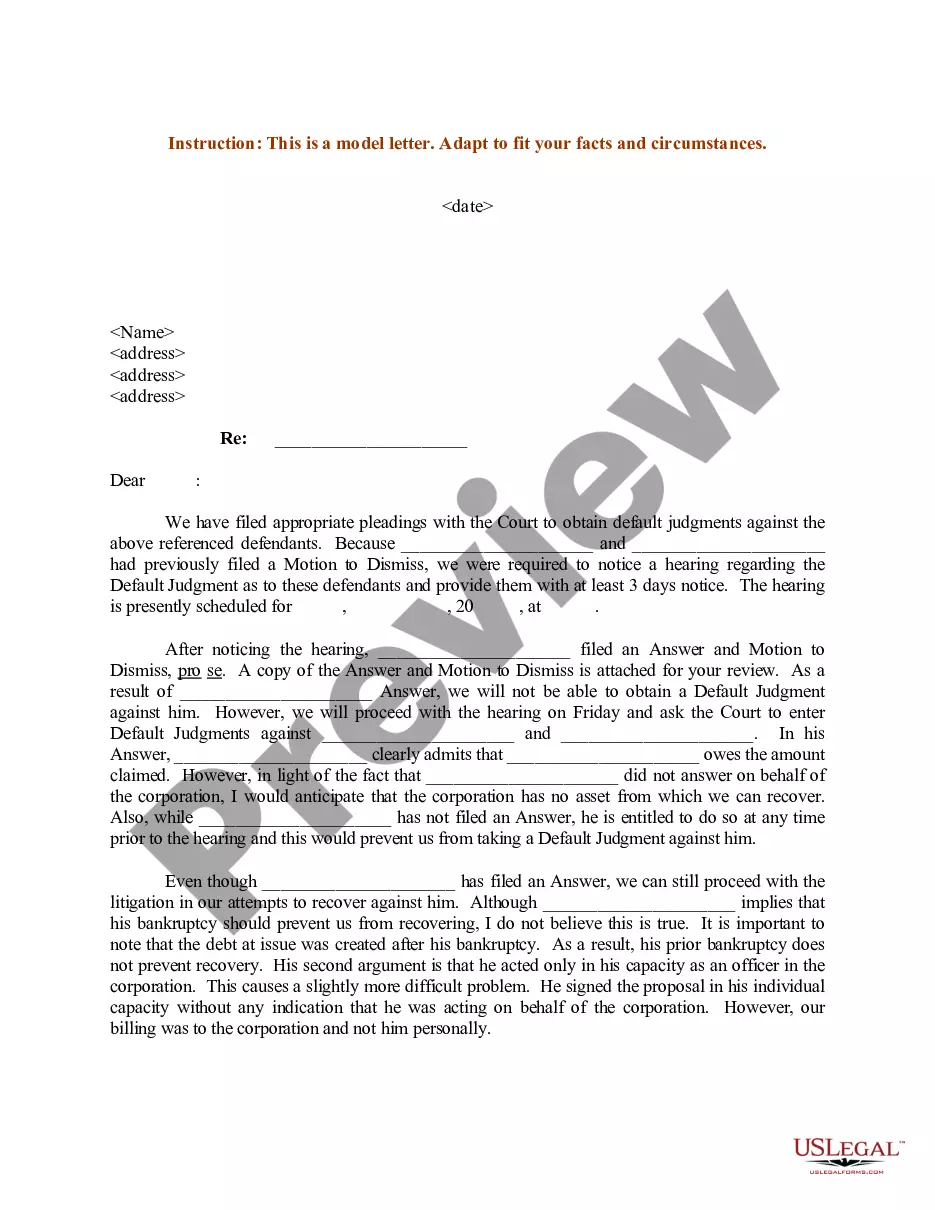
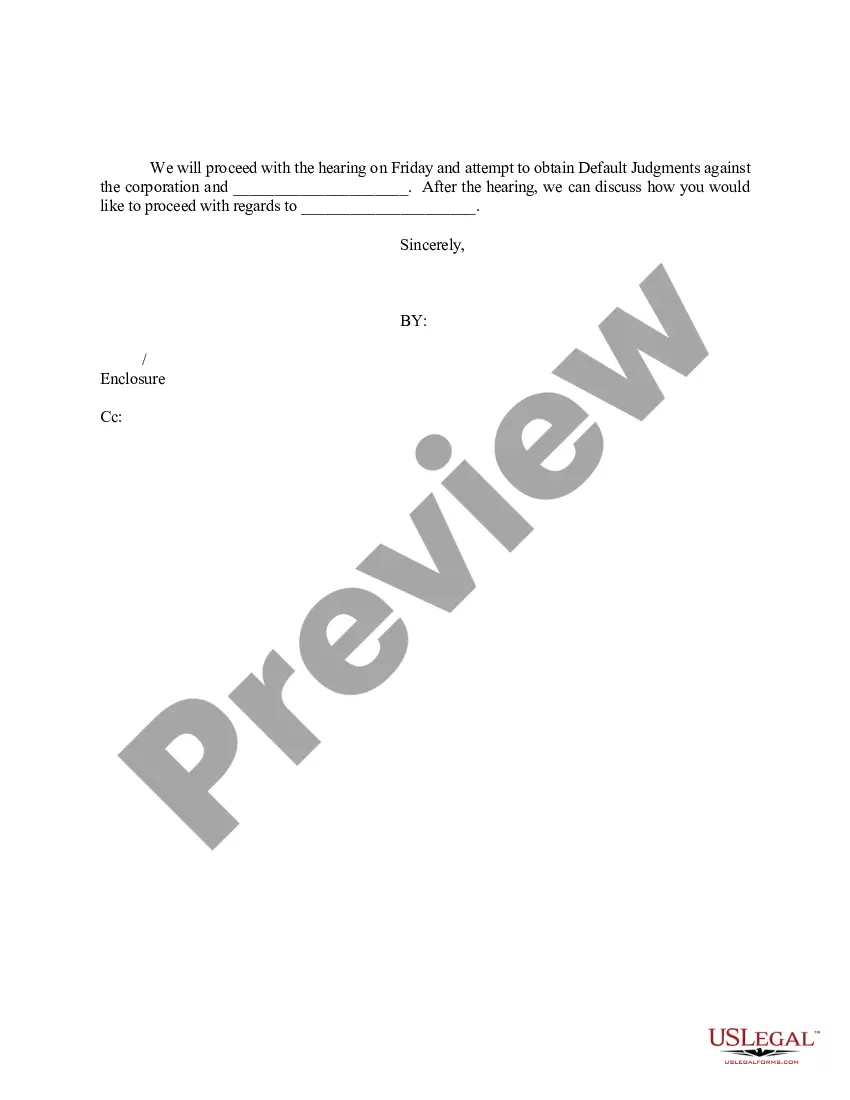
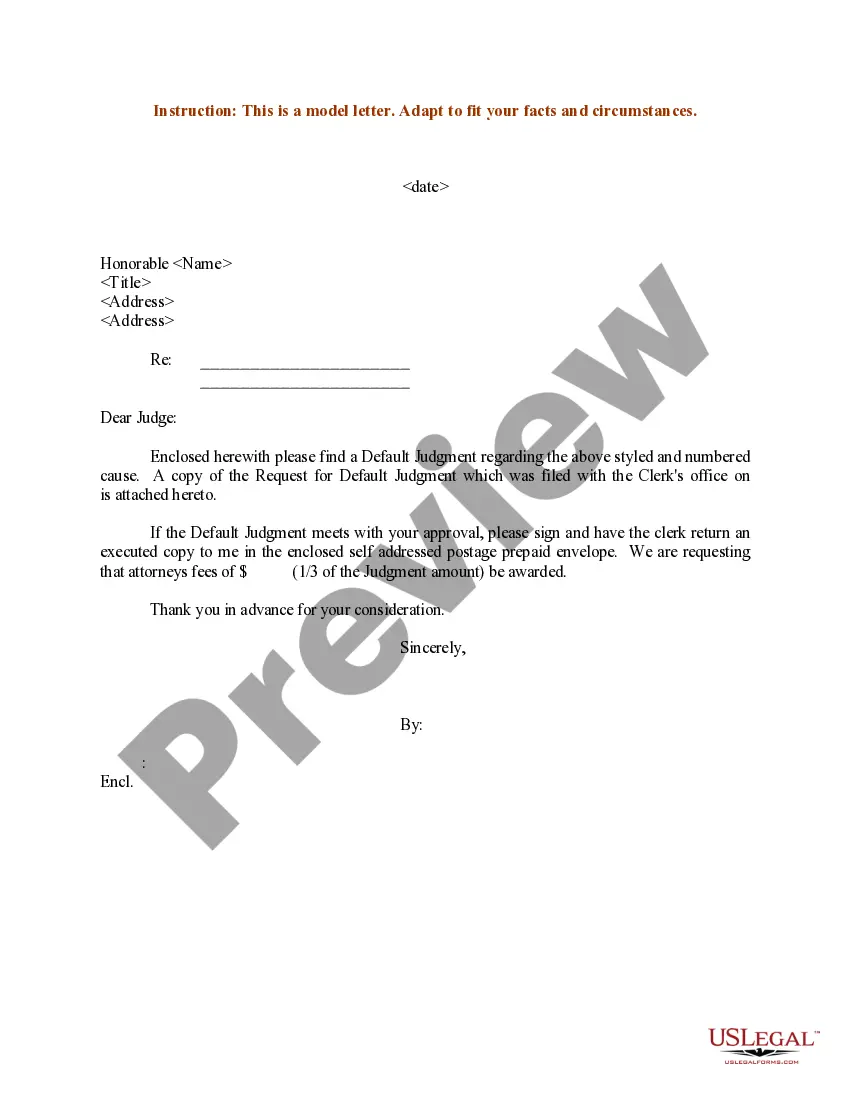
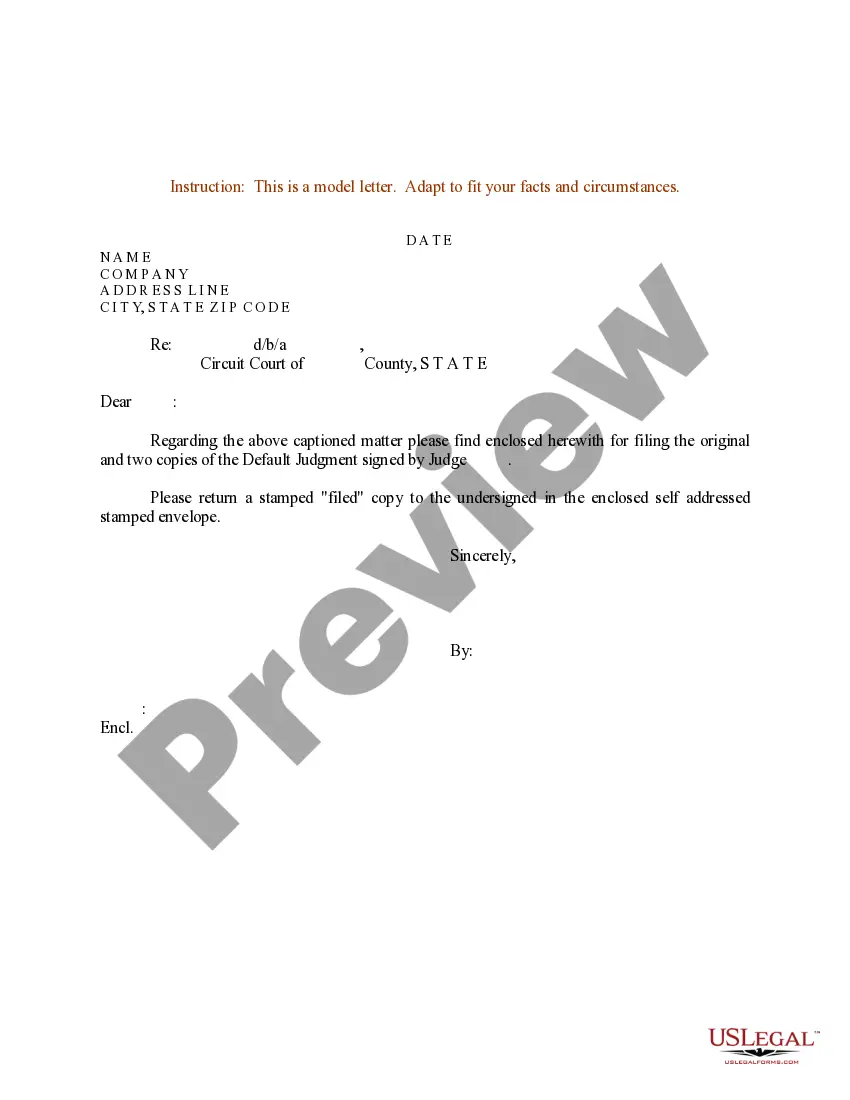
Get your form ready online
Our built-in tools help you complete, sign, share, and store your documents in one place.
Make edits, fill in missing information, and update formatting in US Legal Forms—just like you would in MS Word.
Download a copy, print it, send it by email, or mail it via USPS—whatever works best for your next step.
Sign and collect signatures with our SignNow integration. Send to multiple recipients, set reminders, and more. Go Premium to unlock E-Sign.
If this form requires notarization, complete it online through a secure video call—no need to meet a notary in person or wait for an appointment.
We protect your documents and personal data by following strict security and privacy standards.

Make edits, fill in missing information, and update formatting in US Legal Forms—just like you would in MS Word.

Download a copy, print it, send it by email, or mail it via USPS—whatever works best for your next step.

Sign and collect signatures with our SignNow integration. Send to multiple recipients, set reminders, and more. Go Premium to unlock E-Sign.

If this form requires notarization, complete it online through a secure video call—no need to meet a notary in person or wait for an appointment.

We protect your documents and personal data by following strict security and privacy standards.
Looking for another form?







Form popularity
FAQ
up hearing typically happens when a divorce is uncontested, and the judge needs to verify that the settlement terms are fair and in alignment with California's divorce laws. Start by reviewing all case documents, especially your marital settlement agreement (MSA) and any supporting financial records submitted.
Once entered, the default judgment permits a plaintiff to act quickly and enforce the terms of the judgment. A plaintiff may request an abstract of judgment. An abstract of judgment permits the plaintiff to acquire judgment liens on your real and personal property.
Do judgments expire in Texas? Judgments awarded in Texas to a non-government creditor are generally valid for ten years but can be renewed for longer. If a judgment is not renewed, it will become dormant. A creditor can request to revive a dormant judgment to continue to try and collect the debt.
In this process, a judge (rather than a clerk) determines how much the plaintiff can collect after reviewing the amount requested by the plaintiff, which may require a court hearing. Once the default prove-up process is finished and a ruling by the judge is provided, the case is complete.
up hearing in Texas is a court proceeding where the plaintiff presents evidence to prove their case, usually in uncontested matters or when seeking a default judgment.
Do judgments expire in Texas? Judgments awarded in Texas to a non-government creditor are generally valid for ten years but can be renewed for longer. If a judgment is not renewed, it will become dormant. A creditor can request to revive a dormant judgment to continue to try and collect the debt.
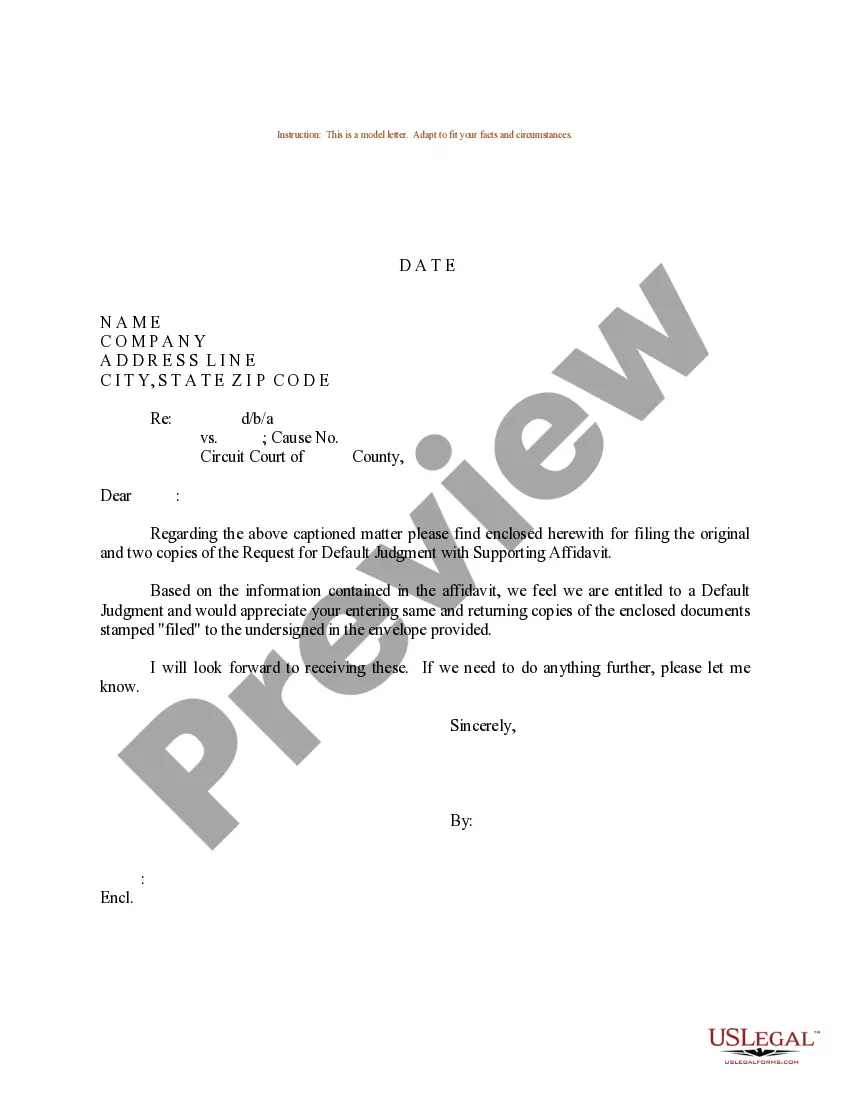
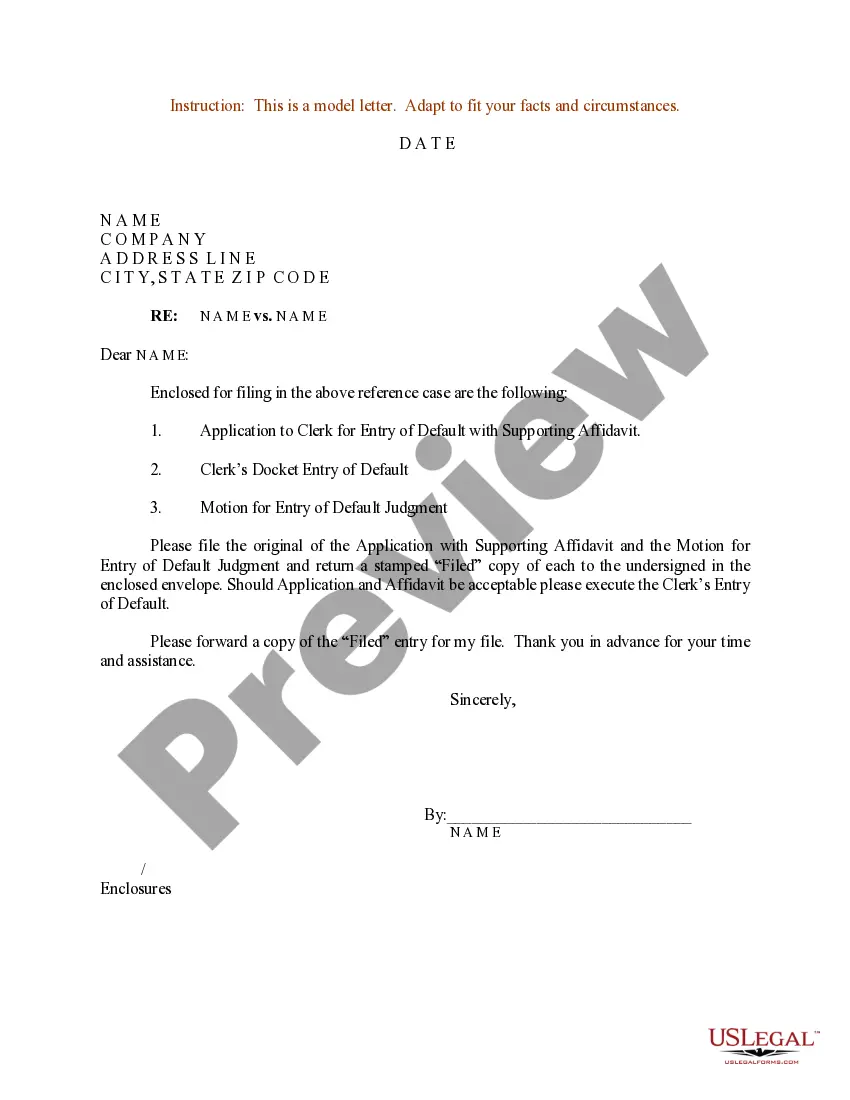
The plaintiff should make a written request for the clerk to enter a default judgment, and provide the clerk with an affidavit of the amount owed by the defendant and a proposed clerk's default judgment. Internal Procedures: All documents are forwarded to the docket clerk for processing within 24 hours.
"Proving Up" ing to the Texas Young Lawyer's Pro Se Divorce Handbook, a "prove-up" is a short hearing in an uncontested divorce. At the prove-up, "you appear before the judge and give evidence and testimony as to the terms of your divorce."
