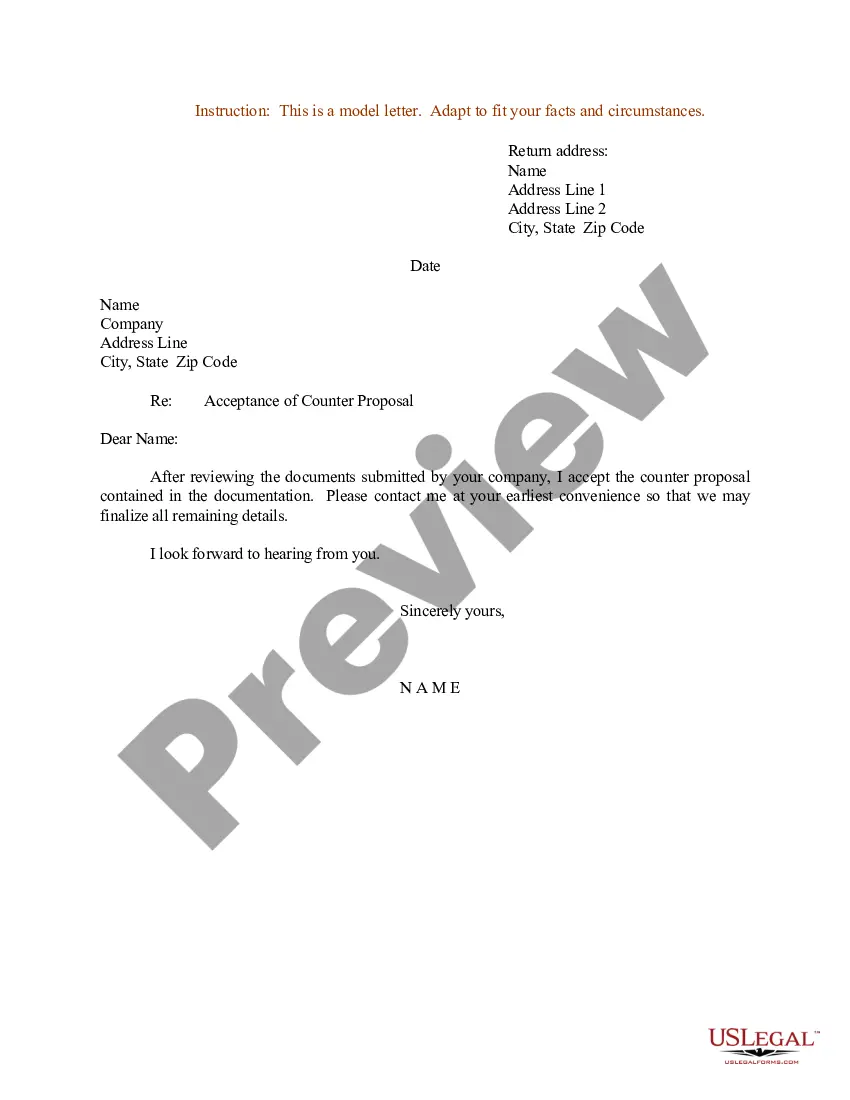
Acceptance Letter For School In Maricopa
Description
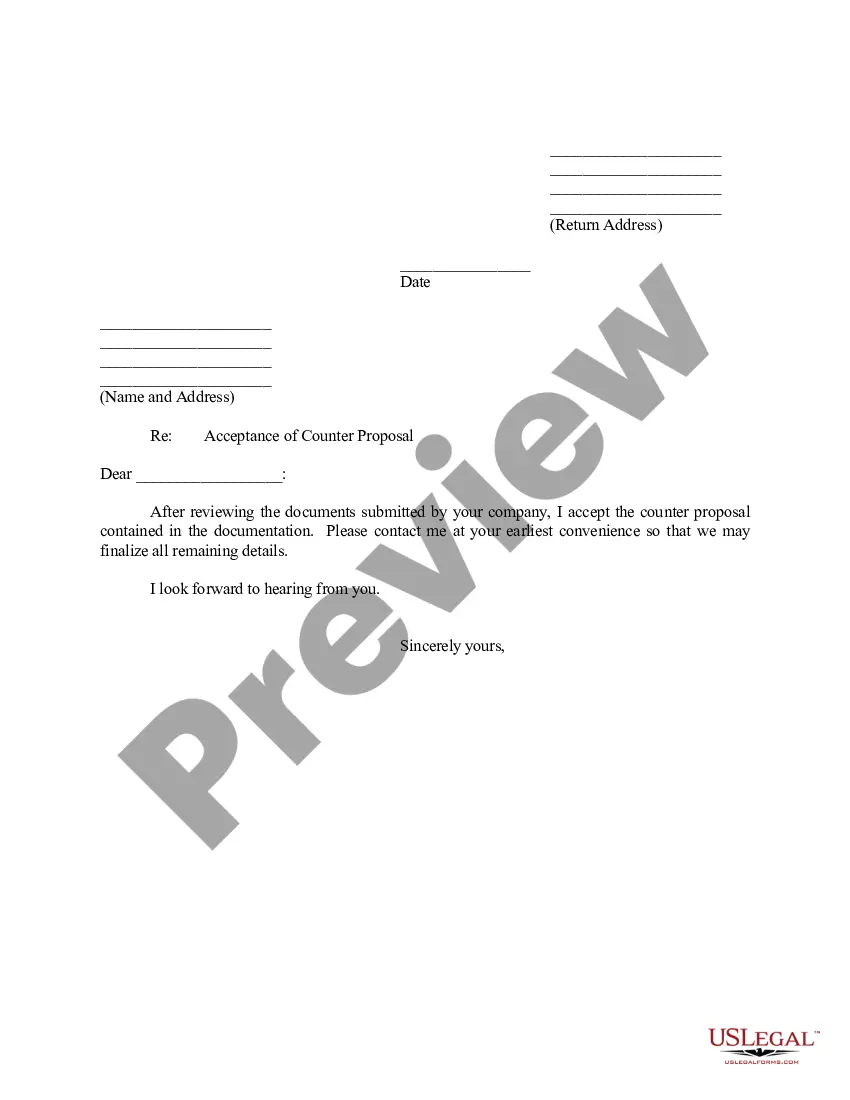
Get your form ready online
Our built-in tools help you complete, sign, share, and store your documents in one place.
Make edits, fill in missing information, and update formatting in US Legal Forms—just like you would in MS Word.
Download a copy, print it, send it by email, or mail it via USPS—whatever works best for your next step.
Sign and collect signatures with our SignNow integration. Send to multiple recipients, set reminders, and more. Go Premium to unlock E-Sign.
If this form requires notarization, complete it online through a secure video call—no need to meet a notary in person or wait for an appointment.
We protect your documents and personal data by following strict security and privacy standards.

Make edits, fill in missing information, and update formatting in US Legal Forms—just like you would in MS Word.

Download a copy, print it, send it by email, or mail it via USPS—whatever works best for your next step.

Sign and collect signatures with our SignNow integration. Send to multiple recipients, set reminders, and more. Go Premium to unlock E-Sign.

If this form requires notarization, complete it online through a secure video call—no need to meet a notary in person or wait for an appointment.

We protect your documents and personal data by following strict security and privacy standards.
Looking for another form?

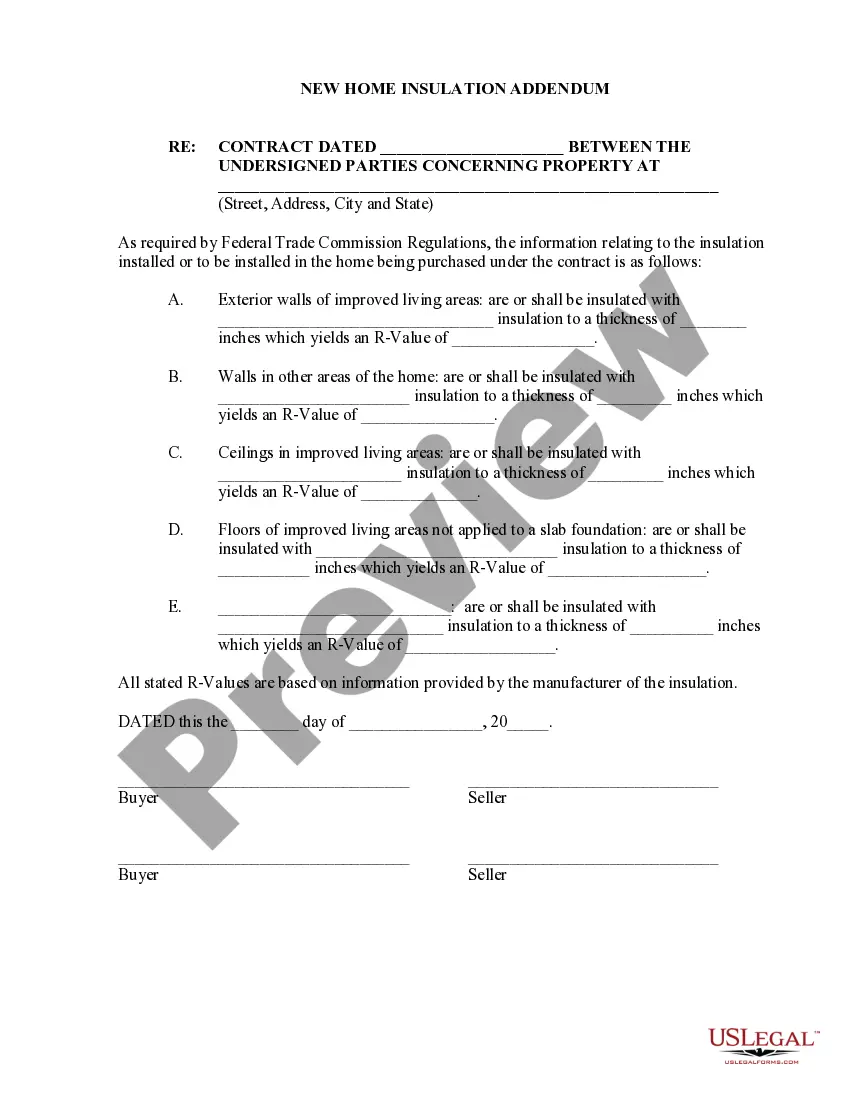




Form popularity
FAQ
How to write an admissions acceptance letter Prepare the header. Begin the letter with an official header that includes the student's full name and address. Confirm the candidate's admission. Share congratulations. Explain how to accept. Include optional details. Encourage them to accept.
If you do not have access to registration at that college, please start a live chat at the bottom right of this page or email admissions@apps.maricopa.
How Do You Write An Email To The Admissions Office? Find the Right Contact Information. Address the Admissions Officer Respectfully. Introduce Yourself. Jump right into Your Question. Say Thank You and Write a Proper Sign-Off.
Contact Admissions To schedule a tour (or ask a question), please contact us at 541-463-5678 or admissions@lanecc.
If you are thinking of taking one or two classes at a different Maricopa college, you will need to complete our online application so that we can notify the other institution that you are allowed to take courses over at their campus.
To schedule an individual appointment, call 315-792-5354 or email admissions@mvcc.
There's also a little bit of variation in how decisions are conveyed: you can expect many colleges to send acceptance letters by email or online portal, though some will still send a formal letter in your mailbox, too.
Admitted students receive a "maricopa" email account, which allows them to: Receive official email updates from the Maricopa Community Colleges. Use applications in the G Suite for Education such as Google Calendar and Drive with unlimited storage.
A college acceptance letter is an official notification from a college or university informing a student that they have been admitted. It typically includes congratulatory messages, details about the admission offer, next steps for enrollment, important deadlines, and often financial aid information.
The highest degree awarded by community colleges is an associate degree, but they also offer certificates in a wide range of subjects. You can even choose to take individual classes at a community college if you're interested in a topic or you'd like to add supplementary education to your resume.