Master Sales Agreement Form In Wayne
Description


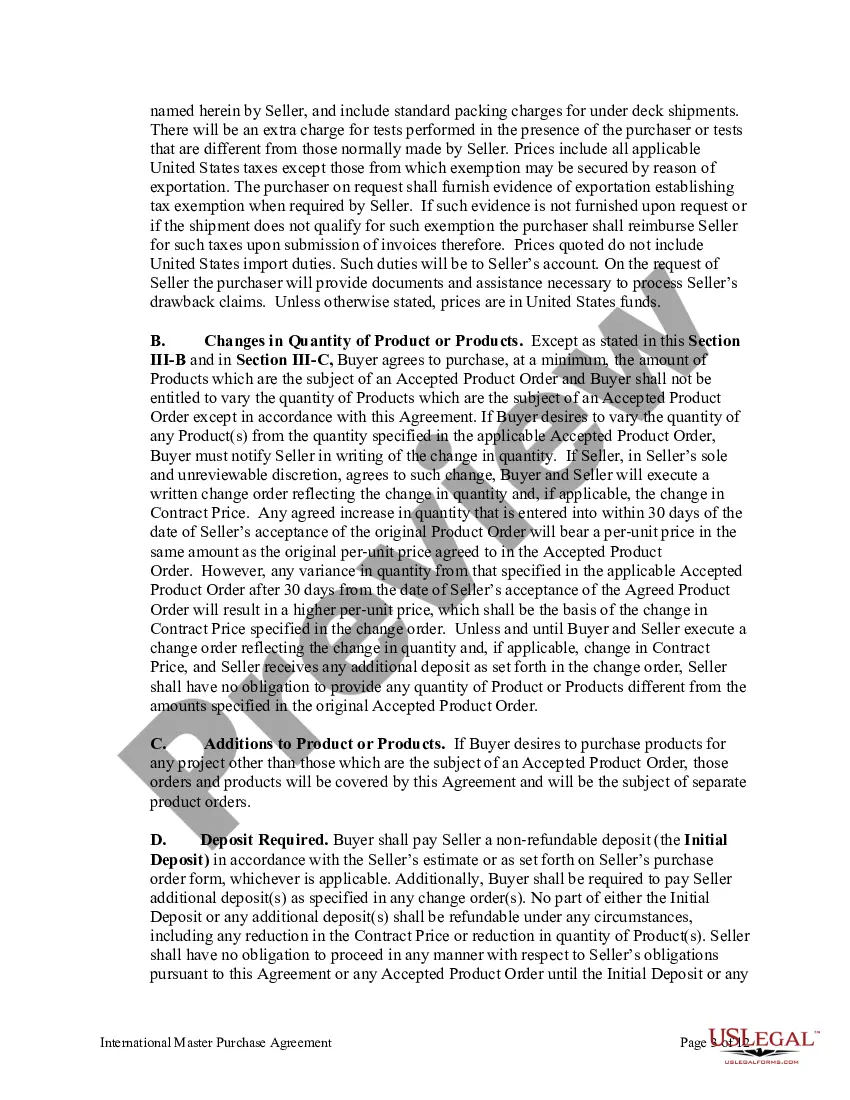
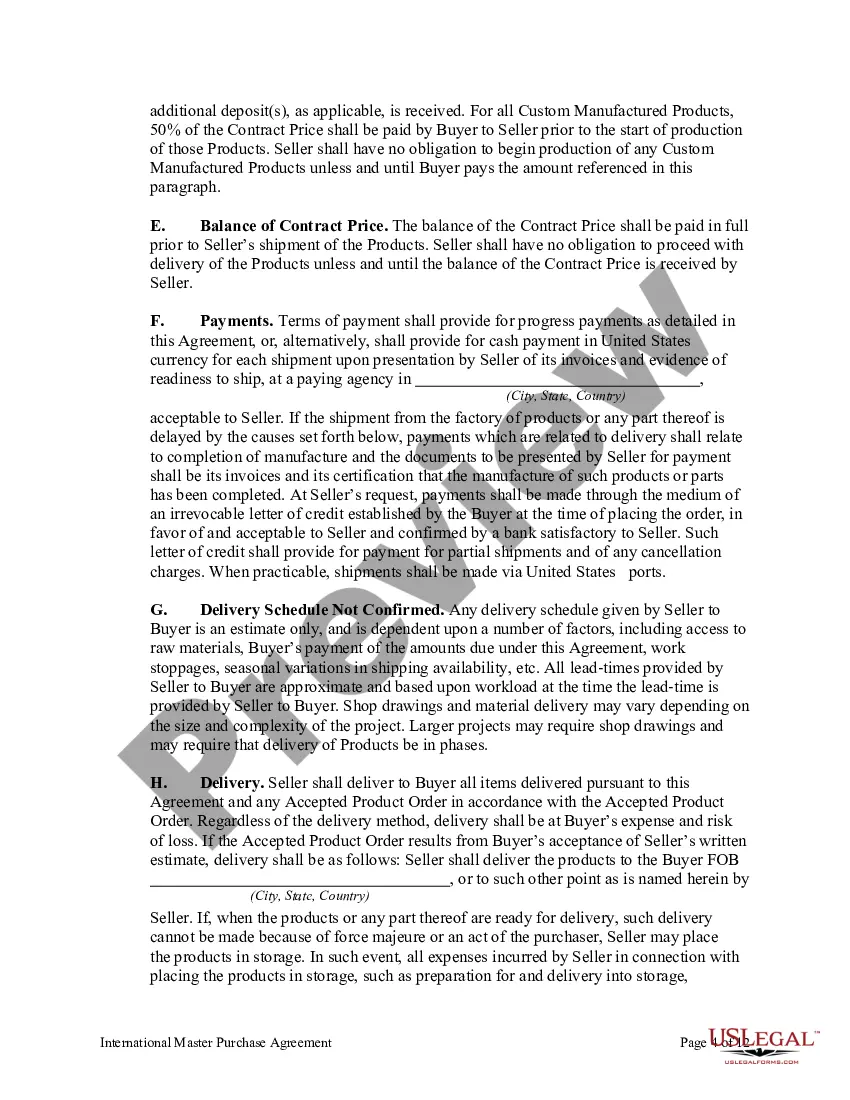
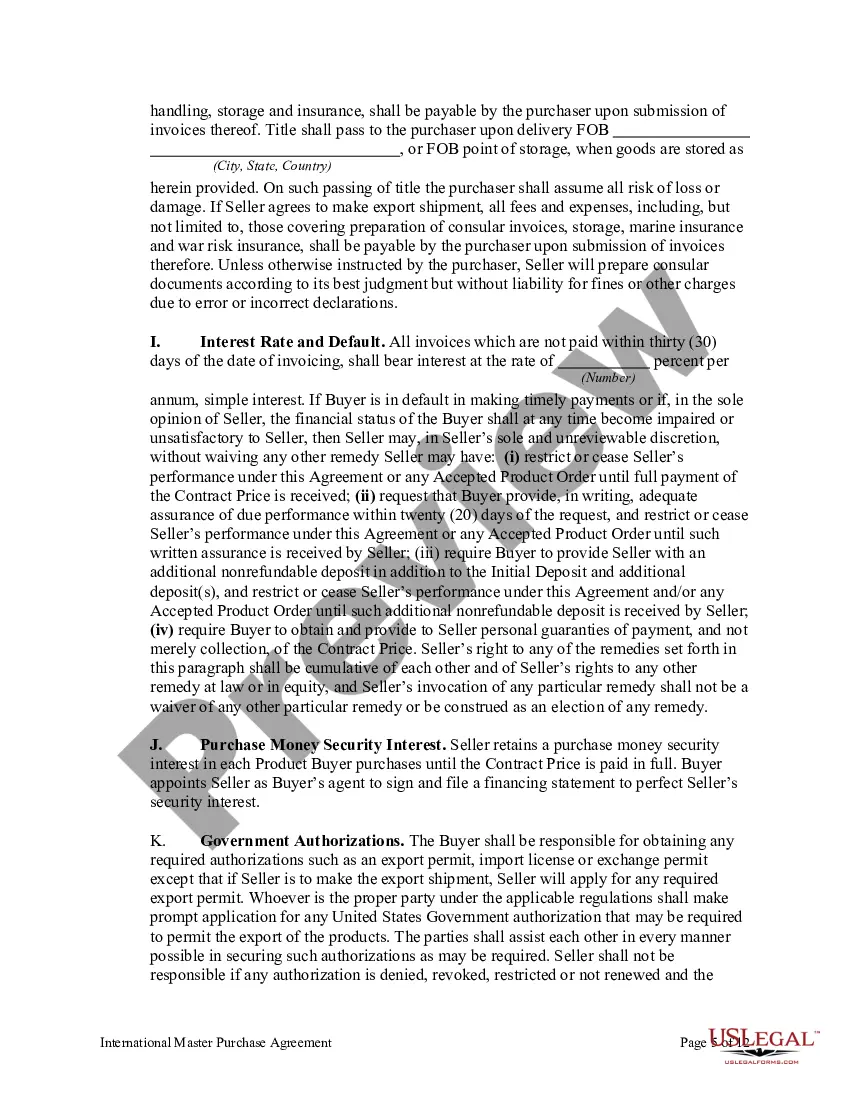
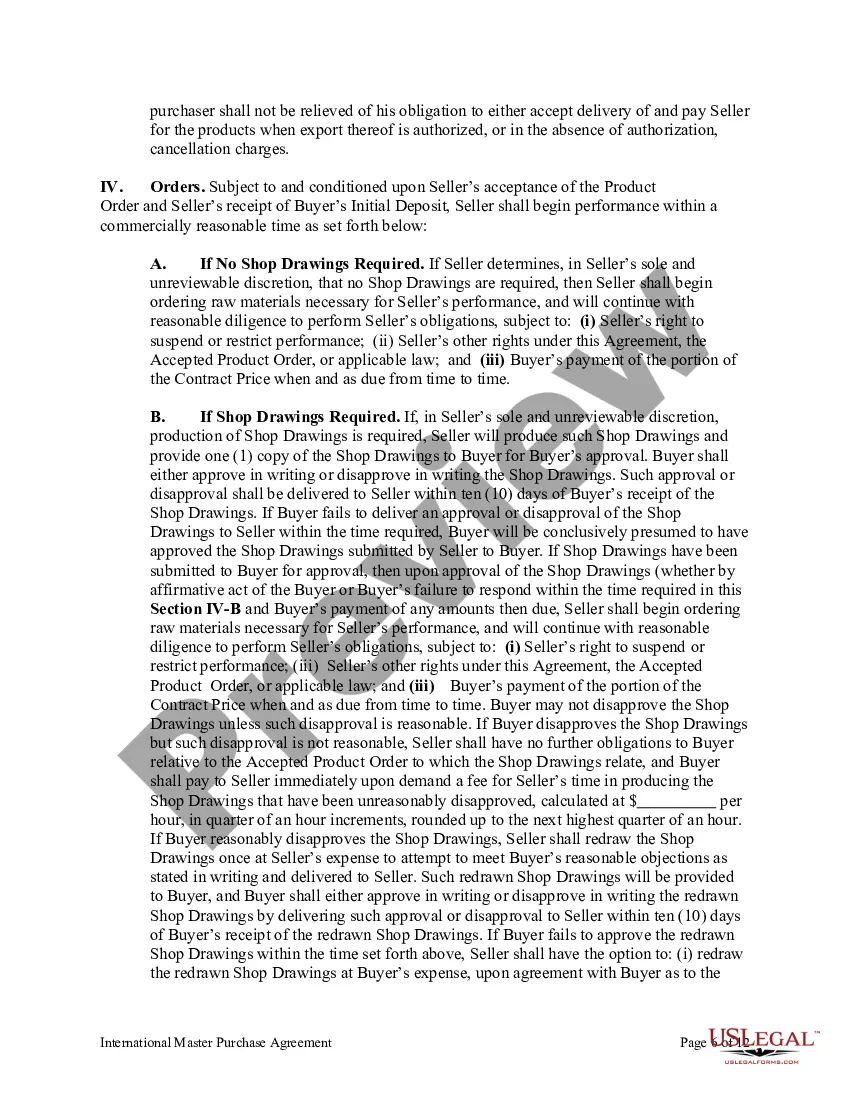
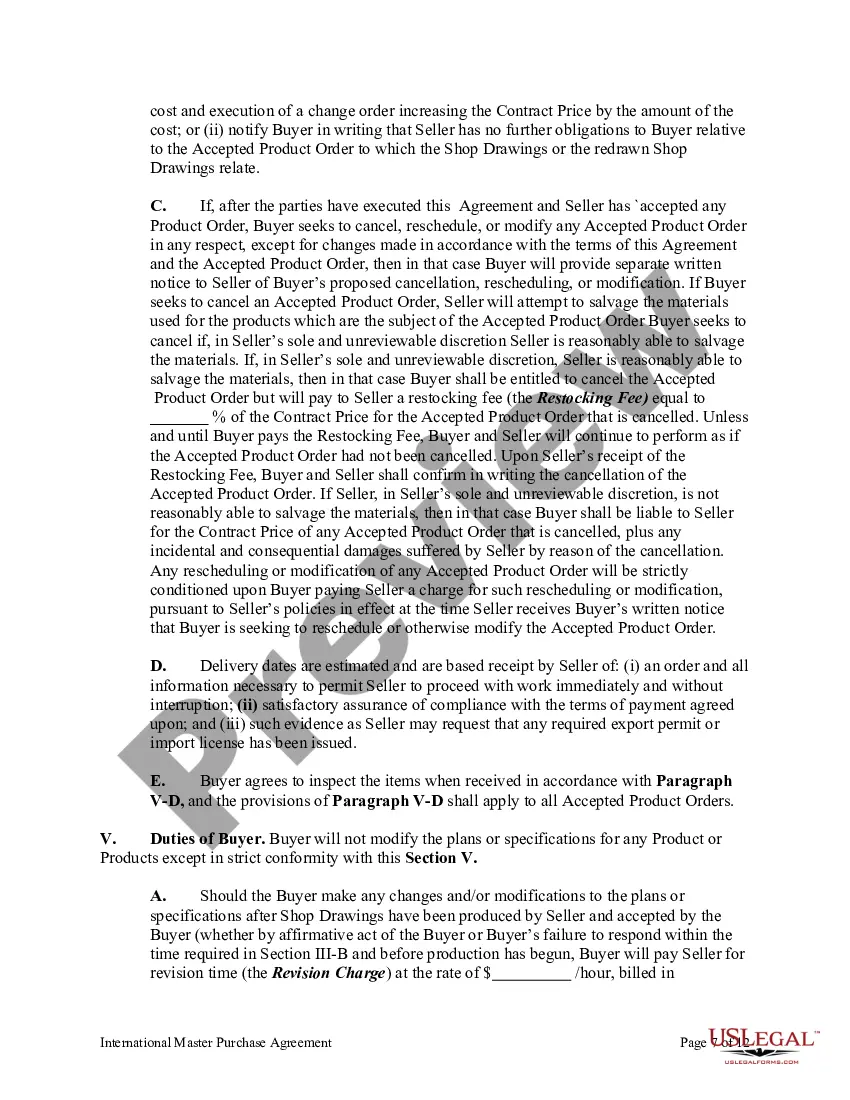
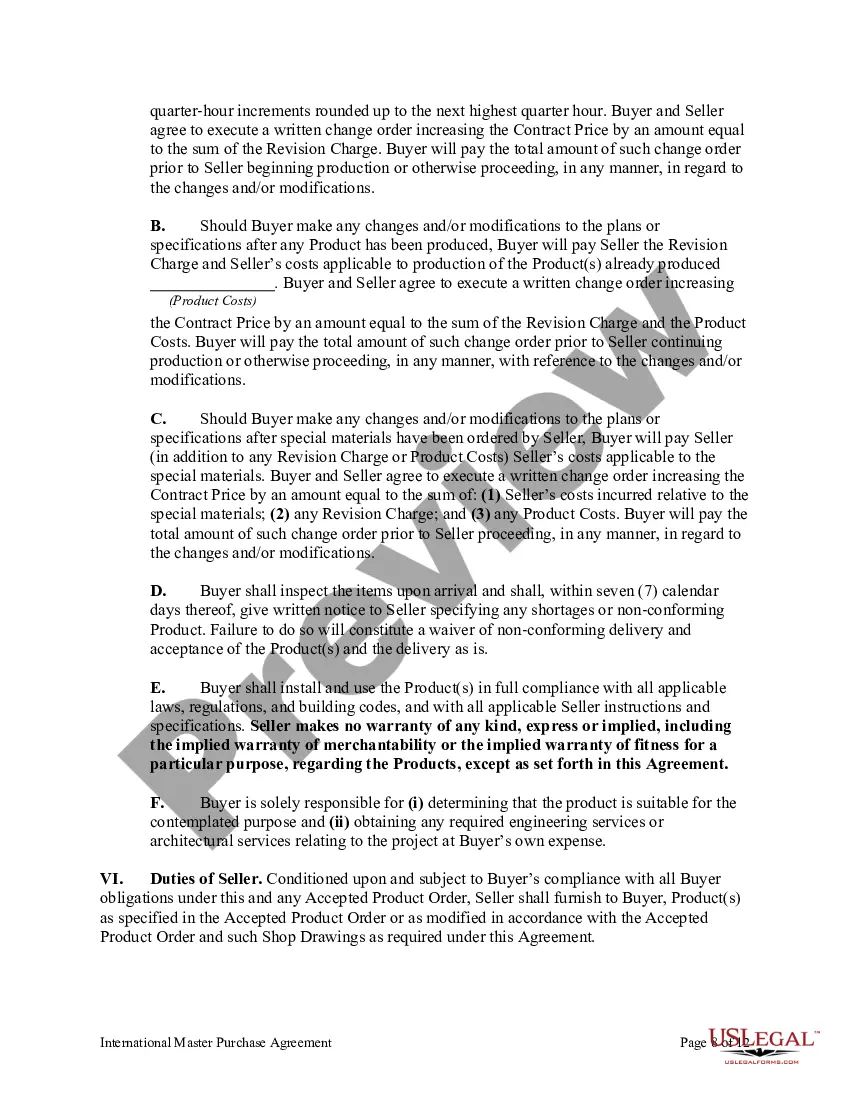
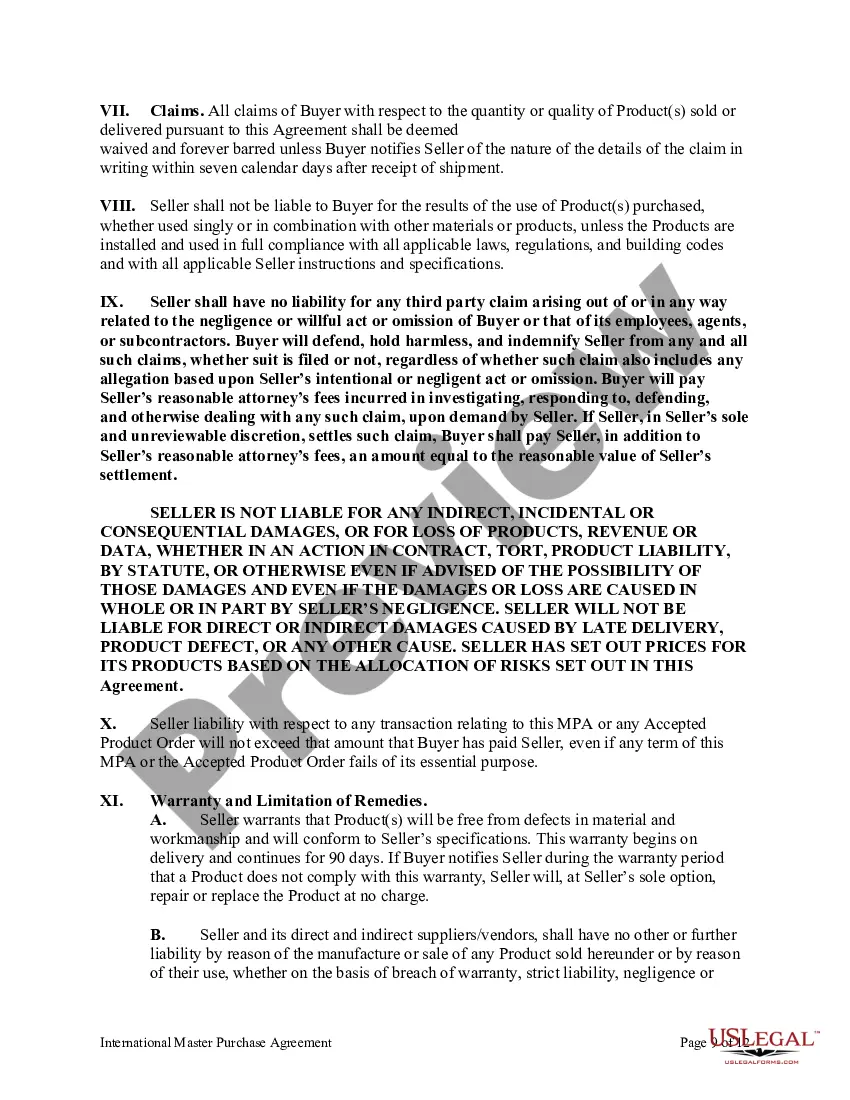
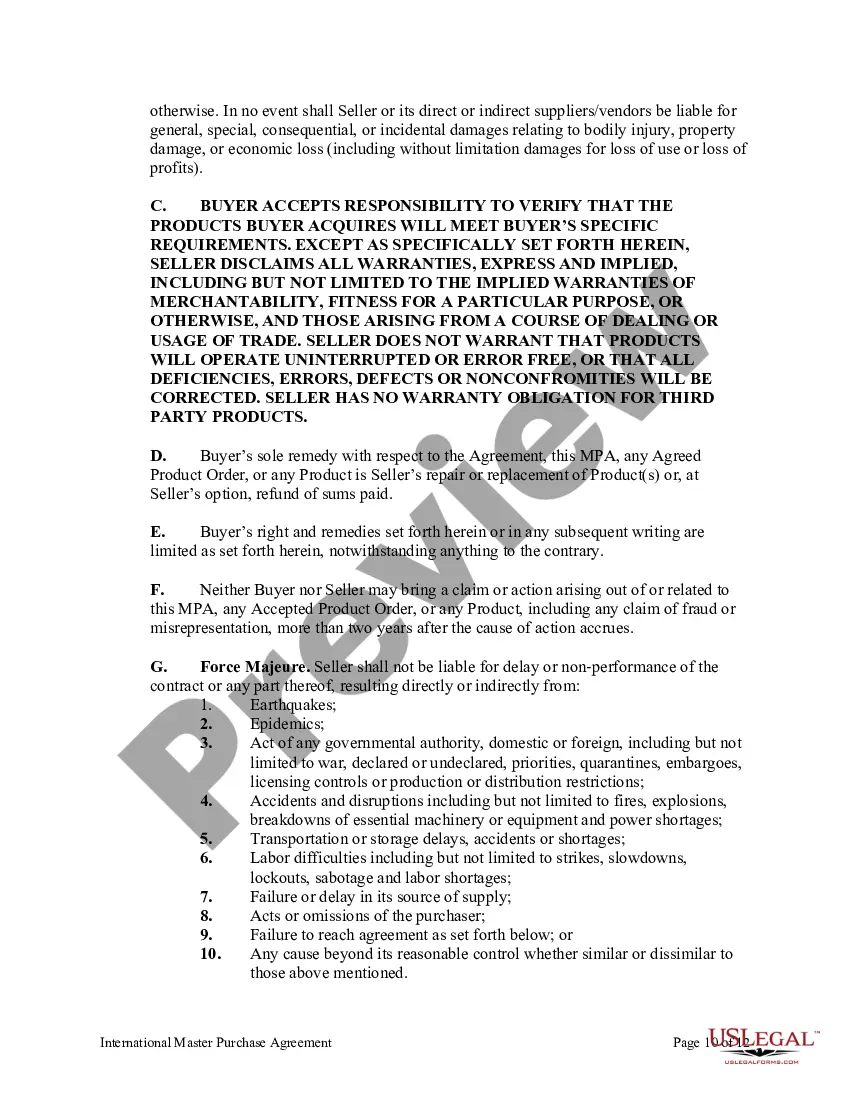



Get your form ready online
Our built-in tools help you complete, sign, share, and store your documents in one place.
Make edits, fill in missing information, and update formatting in US Legal Forms—just like you would in MS Word.
Download a copy, print it, send it by email, or mail it via USPS—whatever works best for your next step.
Sign and collect signatures with our SignNow integration. Send to multiple recipients, set reminders, and more. Go Premium to unlock E-Sign.
If this form requires notarization, complete it online through a secure video call—no need to meet a notary in person or wait for an appointment.
We protect your documents and personal data by following strict security and privacy standards.

Make edits, fill in missing information, and update formatting in US Legal Forms—just like you would in MS Word.

Download a copy, print it, send it by email, or mail it via USPS—whatever works best for your next step.

Sign and collect signatures with our SignNow integration. Send to multiple recipients, set reminders, and more. Go Premium to unlock E-Sign.

If this form requires notarization, complete it online through a secure video call—no need to meet a notary in person or wait for an appointment.

We protect your documents and personal data by following strict security and privacy standards.
Looking for another form?








Form popularity
FAQ
Below are four critical topics you and your lawyer should consider when drafting your company's buy-sell agreement. Identify the Parties Involved. Agree on the Trigger Events. Agree on a Valuation Method. Set Realistic Expectations and Frequently Review the Agreement Terms.
Provide your personal information and the date For example, a business-related agreement letter can include business names or your role in an organization. In most cases, you can include your name, address, and contact information. Below your personal information, mention the date that you're writing the letter.
You can create an MSA by following these structured steps, ensuring all key elements are covered: Establish the framework. Detail the scope of services. Set the payment terms. Agree on insurance and liability. Describe the work order process. Protect confidential information. Draft the statement of work (SOW).
How to write a contract agreement in 7 steps. Determine the type of contract required. Confirm the necessary parties. Choose someone to draft the contract. Write the contract with the proper formatting. Review the written contract with a lawyer. Send the contract agreement for review or revisions.
An agreement is made when two parties agree to something. So, for example, a mother might make an agreement with her son not to kiss him in public because, after kindergarten, well, that's just not cool. If people's opinions are in , or match one another, then they are in agreement.
Elements of a sales agreement Buyer and seller names and contact information. Description of goods, services, or property being purchased. Payment amount, dates, and method. Liability of each party in the case of loss, damage, or delivery failure. Ownership information, such as when ownership formally transfers to the buyer.
How to use MSA vs SOW. Both MSAs and SOWs are used in service transaction contracts. The major difference between them is that, while an MSA sets the legal framework for the relationship between contracting parties, an SOW deals with specific projects or transactions.
PSA vs MSA: Understanding the Differences Scope: PSAs typically define the terms for a specific project or task, while MSAs cover the general terms of the business relationship across multiple projects.
While the terms of service may be referenced in the MSA, they are just one component of the overall agreement. The MSA provides a more comprehensive framework for the business relationship, while the terms of service focus on specific usage and conduct guidelines for customers.
Unlike traditional service and license agreements, which are usually single-body contracts with occasional attachments and exhibits, MSAs are “master” documents that govern multiple agreements or transactions between entities.
