Master Supply Agreement With In Washington
Description


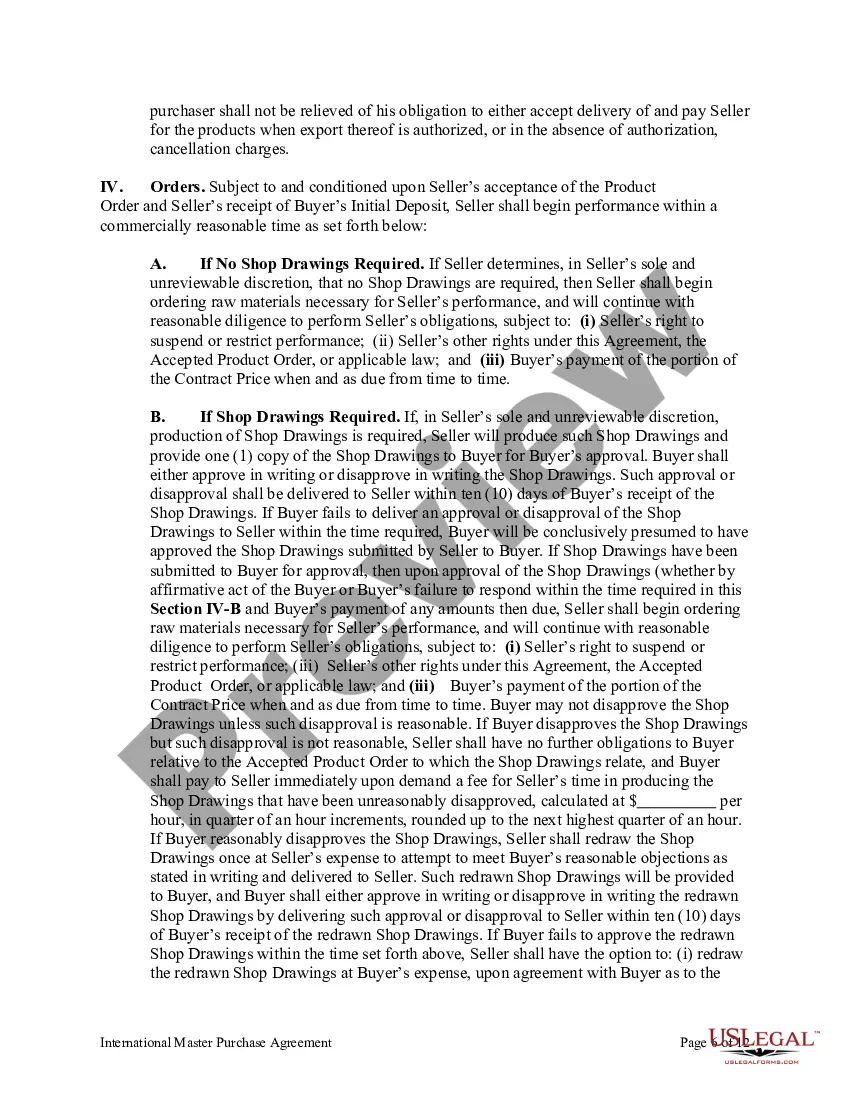
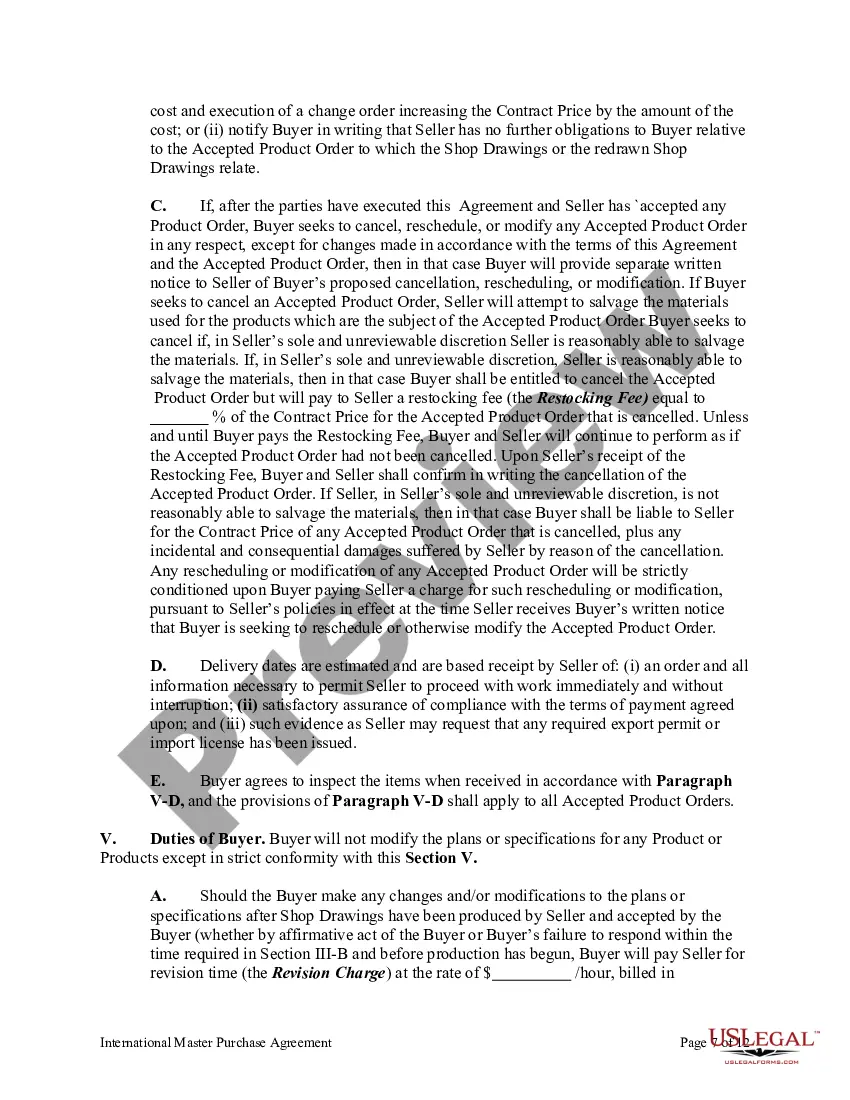
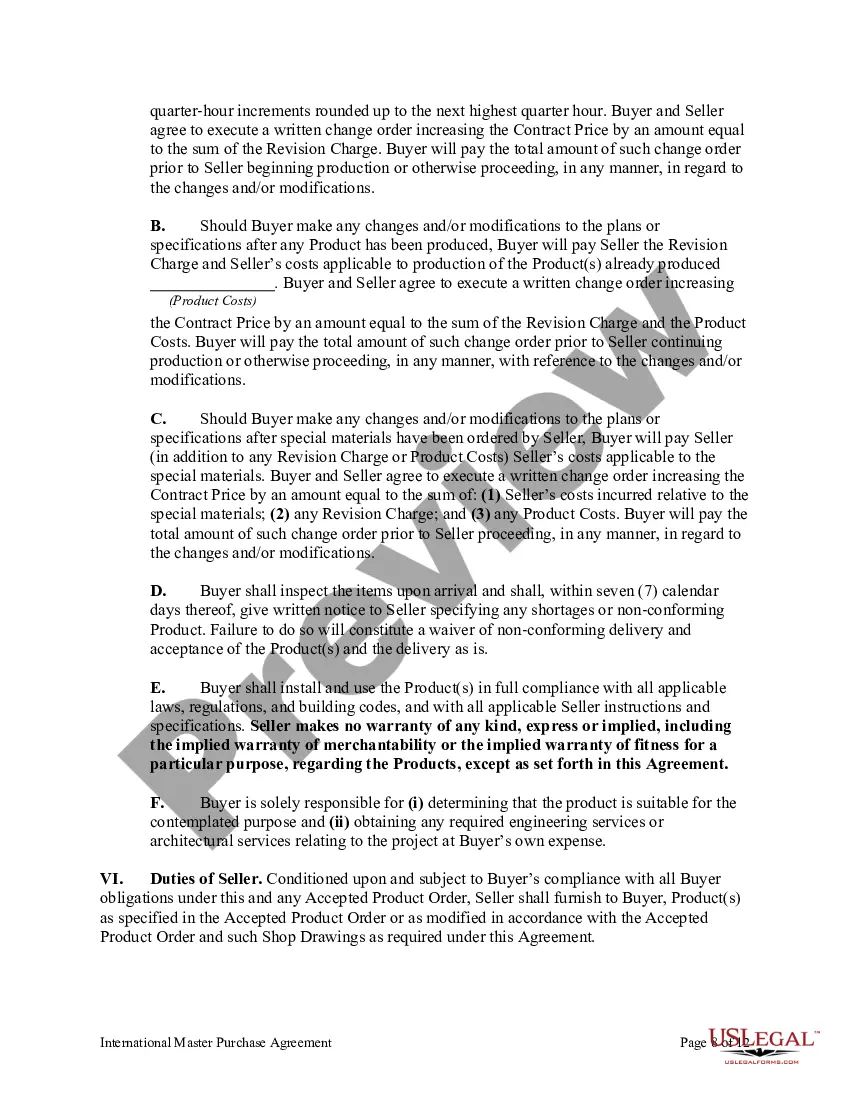
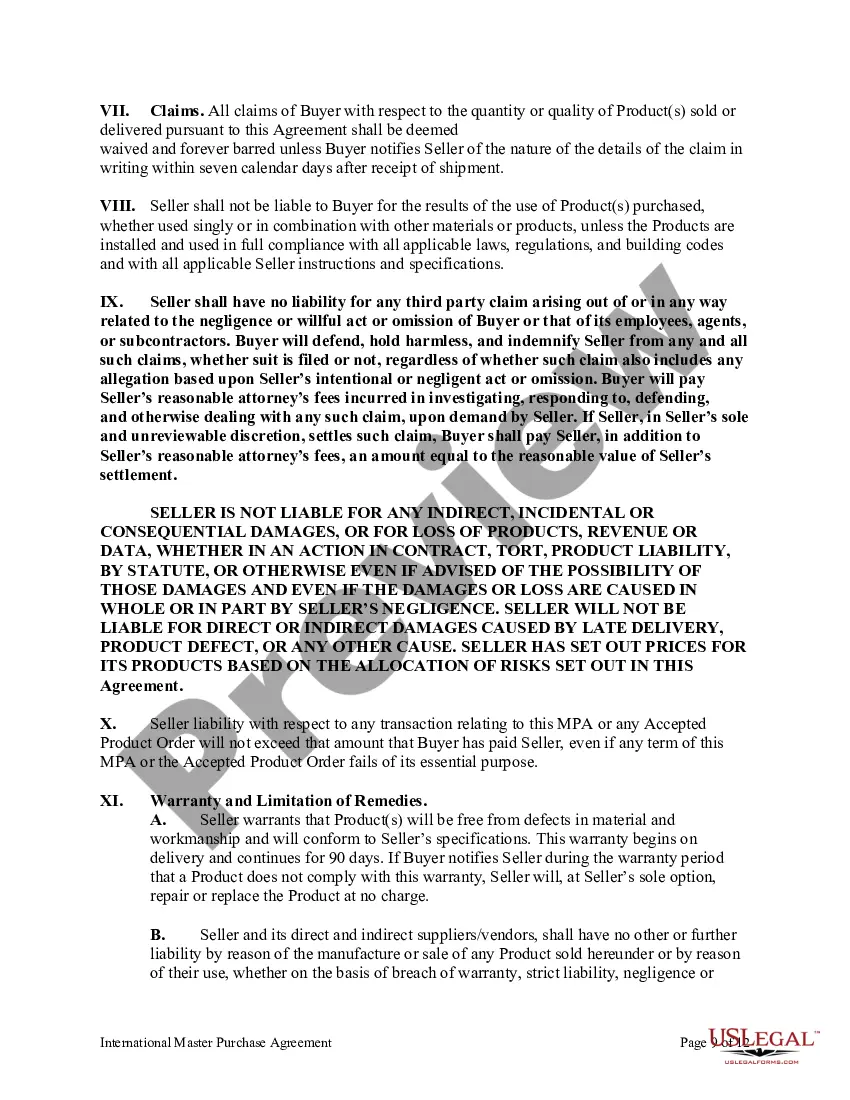



Get your form ready online
Our built-in tools help you complete, sign, share, and store your documents in one place.
Make edits, fill in missing information, and update formatting in US Legal Forms—just like you would in MS Word.
Download a copy, print it, send it by email, or mail it via USPS—whatever works best for your next step.
Sign and collect signatures with our SignNow integration. Send to multiple recipients, set reminders, and more. Go Premium to unlock E-Sign.
If this form requires notarization, complete it online through a secure video call—no need to meet a notary in person or wait for an appointment.
We protect your documents and personal data by following strict security and privacy standards.

Make edits, fill in missing information, and update formatting in US Legal Forms—just like you would in MS Word.

Download a copy, print it, send it by email, or mail it via USPS—whatever works best for your next step.

Sign and collect signatures with our SignNow integration. Send to multiple recipients, set reminders, and more. Go Premium to unlock E-Sign.

If this form requires notarization, complete it online through a secure video call—no need to meet a notary in person or wait for an appointment.

We protect your documents and personal data by following strict security and privacy standards.
Looking for another form?


Form popularity
FAQ
In total, there are 6 types of supply chain contracts, with the three main contracts being; continuous, fast, and flexible.
The three major sources of contract law in the United States are the common law of contracts, the Uniform Commercial Code (UCC), and case law.
State contract means an agreement or contract with the state or any state agency or any quasi-public agency, let through a procurement process or otherwise, having a value of fifty thousand dollars or more, or a combination or series of such agreements or contracts having a value of one hundred thousand dollars or more ...
In the aggregate, master supply agreements, or MSAs, are generally contracts that come into existence when a company maintains several contracts with the same supplier, and therefore seeks to streamline the process by merging them into a single agreement.
Contracts address the specific details of a particular project, transaction, or engagement. Think of the master agreement as the foundation or umbrella under which contracts operate. It sets the general terms, while contracts focus on the specific details and scope of each individual project.