Master Sales Agreement With Payment Plan In Washington
Description


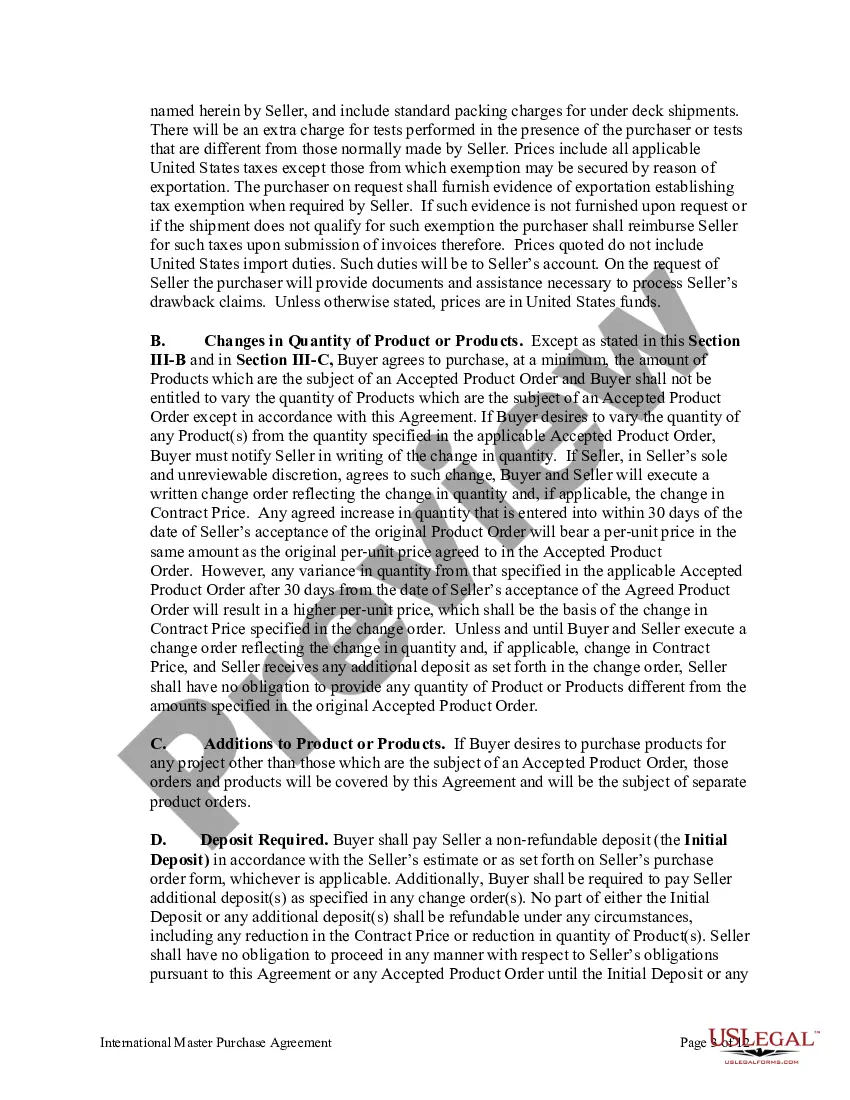
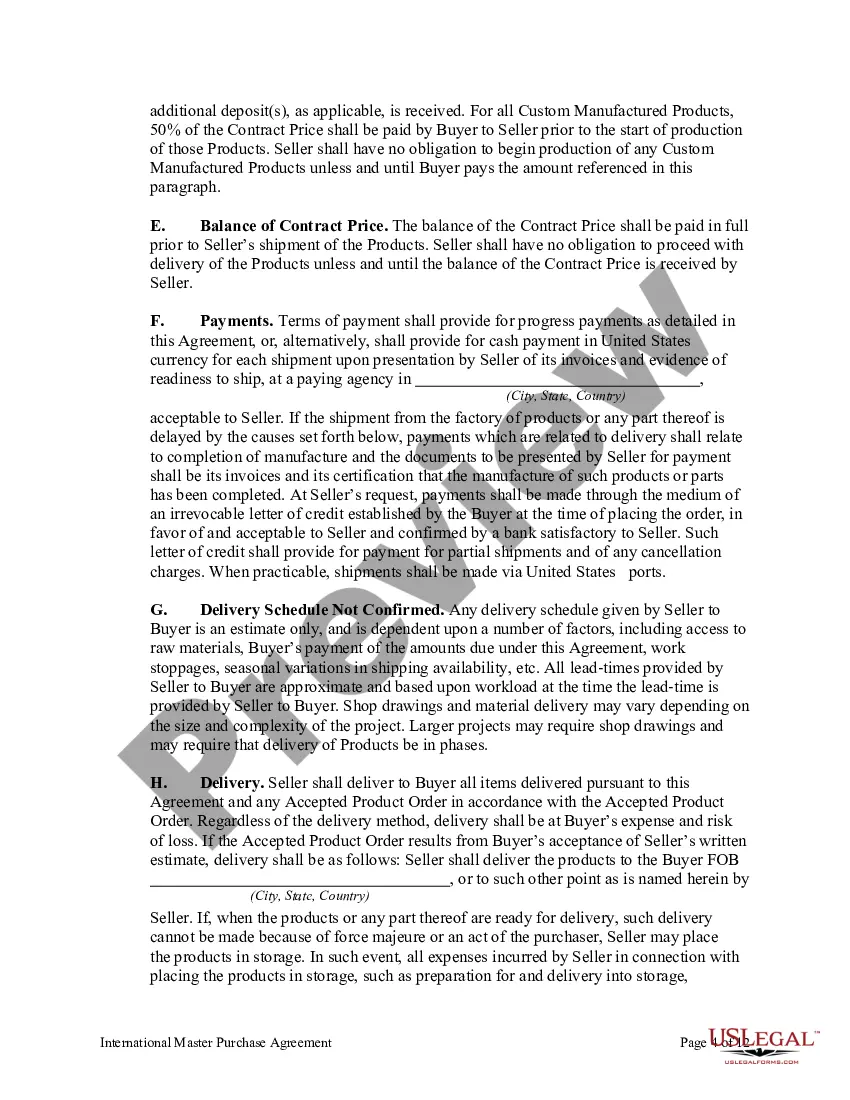
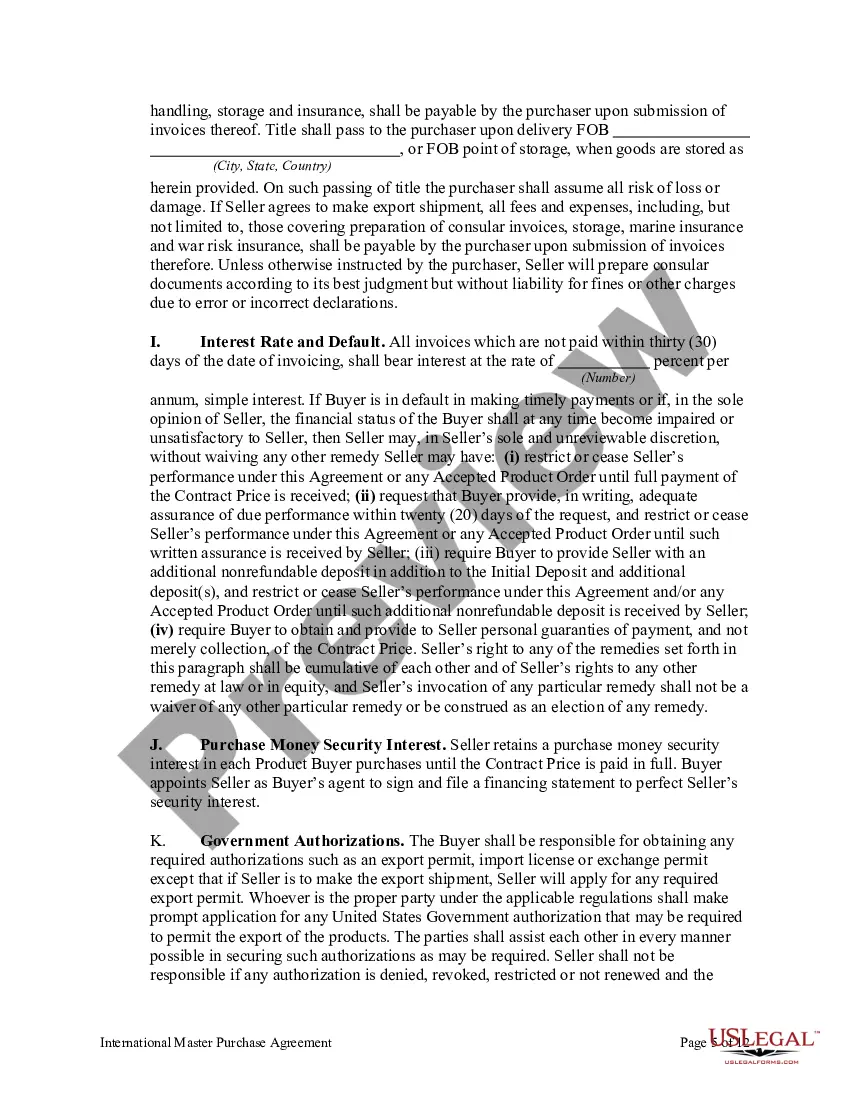
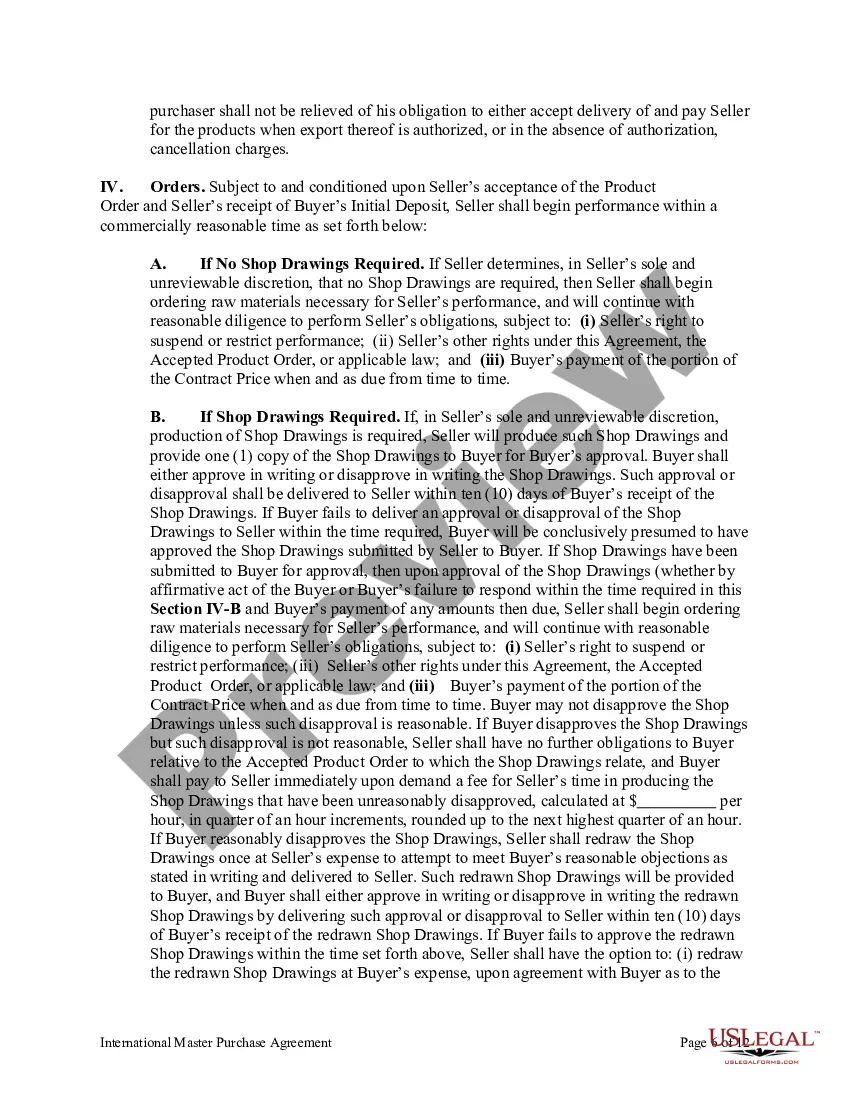



Get your form ready online
Our built-in tools help you complete, sign, share, and store your documents in one place.
Make edits, fill in missing information, and update formatting in US Legal Forms—just like you would in MS Word.
Download a copy, print it, send it by email, or mail it via USPS—whatever works best for your next step.
Sign and collect signatures with our SignNow integration. Send to multiple recipients, set reminders, and more. Go Premium to unlock E-Sign.
If this form requires notarization, complete it online through a secure video call—no need to meet a notary in person or wait for an appointment.
We protect your documents and personal data by following strict security and privacy standards.

Make edits, fill in missing information, and update formatting in US Legal Forms—just like you would in MS Word.

Download a copy, print it, send it by email, or mail it via USPS—whatever works best for your next step.

Sign and collect signatures with our SignNow integration. Send to multiple recipients, set reminders, and more. Go Premium to unlock E-Sign.

If this form requires notarization, complete it online through a secure video call—no need to meet a notary in person or wait for an appointment.

We protect your documents and personal data by following strict security and privacy standards.
Looking for another form?





Form popularity
FAQ
How do you create an MSA? Step-by-step instructions Establish the framework. Detail the scope of services. Set the payment terms. Agree on insurance and liability. Describe the work order process. Protect confidential information. Draft the statement of work (SOW). Specify intellectual property (IP) rights.
Unlike contracts that typically apply to a one-time transaction between two parties, a Master Service Agreement is intended to outline the rights and responsibility of the parties involved in an ongoing relationship, including those that pertain to: The ownership rights of a property.
Key Elements to Include in a Payment Agreement Personal Details. Like all legal documents, payment agreements identify the people involved. Project Details. Payment Details. Payment Deadlines. Payment Method. Exit Clause. Steps for Solving Disagreements. Non-Disclosure Agreements.
Drafting the payment plan agreement Brainstorm payment plan parameters and write them down. Identify key terms and conditions applicable to both parties. Draft a payment plan agreement with all the details noted in the previous step. List the payment plan schedule and payment amounts.
It functions as a contract between two or more parties to guarantee that essential agreements are in place before any service commences. An MSA serves to minimize disagreements by providing an unmistakable description of what the parties can expect from one another.
Clearly outline the number of days a customer has after receiving an invoice before payment is due. Explicitly state if you'll accept partial payment upfront and whether or not you'll require a deposit before you start work.
Populate the template with key details: Clearly define the amount owed, the payment schedule, the payment method (e.g., bank transfer, check), and any additional terms such as interest rates or late fees. Include any relevant dates, such as when payments are due and the total duration of the payment plan.
Proposing a payment plan: "Right now, I can commit to monthly payment amount based on your budget a month. I will contact you if my financial situation changes." "I am committed to paying the amount I owe, but right now I can afford monthly payment amount based on your budget."
Long-term payment plan (installment agreement): You owe $50,000 or less in combined tax, penalties and interest. You have filed all required returns. Short-term payment plan: You owe less than $100,000 in combined tax, penalties and interest.
