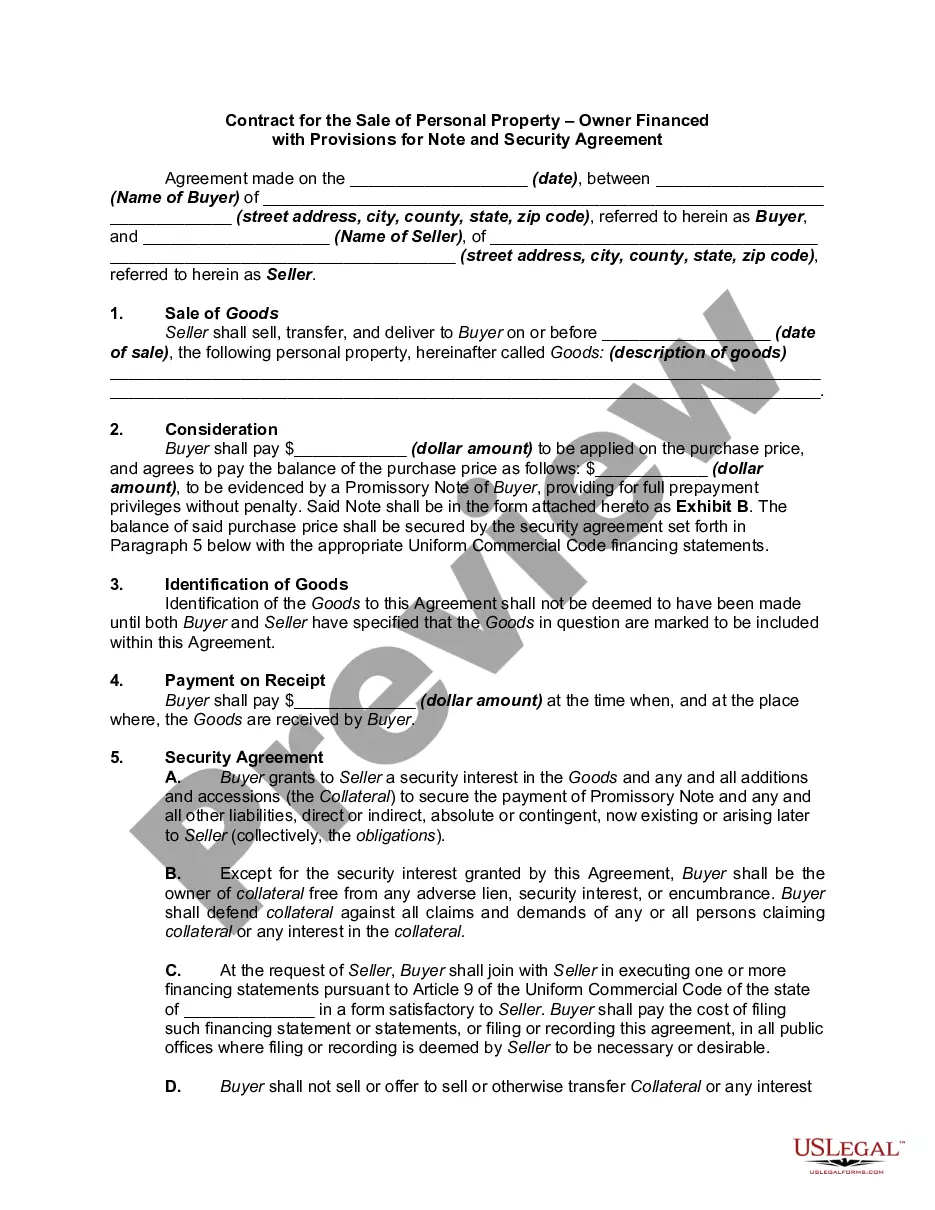
Master Sales Agreement With Seller Financing In Travis
Description





Get your form ready online
Our built-in tools help you complete, sign, share, and store your documents in one place.
Make edits, fill in missing information, and update formatting in US Legal Forms—just like you would in MS Word.
Download a copy, print it, send it by email, or mail it via USPS—whatever works best for your next step.
Sign and collect signatures with our SignNow integration. Send to multiple recipients, set reminders, and more. Go Premium to unlock E-Sign.
If this form requires notarization, complete it online through a secure video call—no need to meet a notary in person or wait for an appointment.
We protect your documents and personal data by following strict security and privacy standards.

Make edits, fill in missing information, and update formatting in US Legal Forms—just like you would in MS Word.

Download a copy, print it, send it by email, or mail it via USPS—whatever works best for your next step.

Sign and collect signatures with our SignNow integration. Send to multiple recipients, set reminders, and more. Go Premium to unlock E-Sign.

If this form requires notarization, complete it online through a secure video call—no need to meet a notary in person or wait for an appointment.

We protect your documents and personal data by following strict security and privacy standards.
Looking for another form?

Form popularity
FAQ
Possible foreclosure. If the buyer stops making payments and won't leave the property, you might need to start the foreclosure process, which could take months or even years.
In CA, we recommend putting it verbatim in paragragh 3. E (additional financing terms). We put in on our pre-approval letter. Include it in your agent cover letter.
How Does Seller Financing Work? A bank isn't involved in a seller-financed sale; the buyer and seller make the arrangements themselves. They draw up a promissory note setting out the interest rate, the schedule of payments from buyer to seller, and the consequences should the buyer default on those obligations.
And you'll just type in propose. And you'll see proposed financing. And you'll move it over to theMoreAnd you'll just type in propose. And you'll see proposed financing. And you'll move it over to the right screen which moves it into your search criteria. You'll then hit the back button.
Sellers who make arrangements to provide financing – especially with buyers they know – should save on costs associated with listing and selling a home, as well as on fees. They can get a continuing stream of income through principal and interest payments, Zuetel says.
Risks and Downsides of Seller Financing If they default, the seller can repossess the business but a disruption is likely. No Bank Diligence: Unlike a bank, the seller does not do formal due diligence on the buyer's finances. This information asymmetry exposes the seller to higher default risk.