Master Agreement For Services In Tarrant
Description





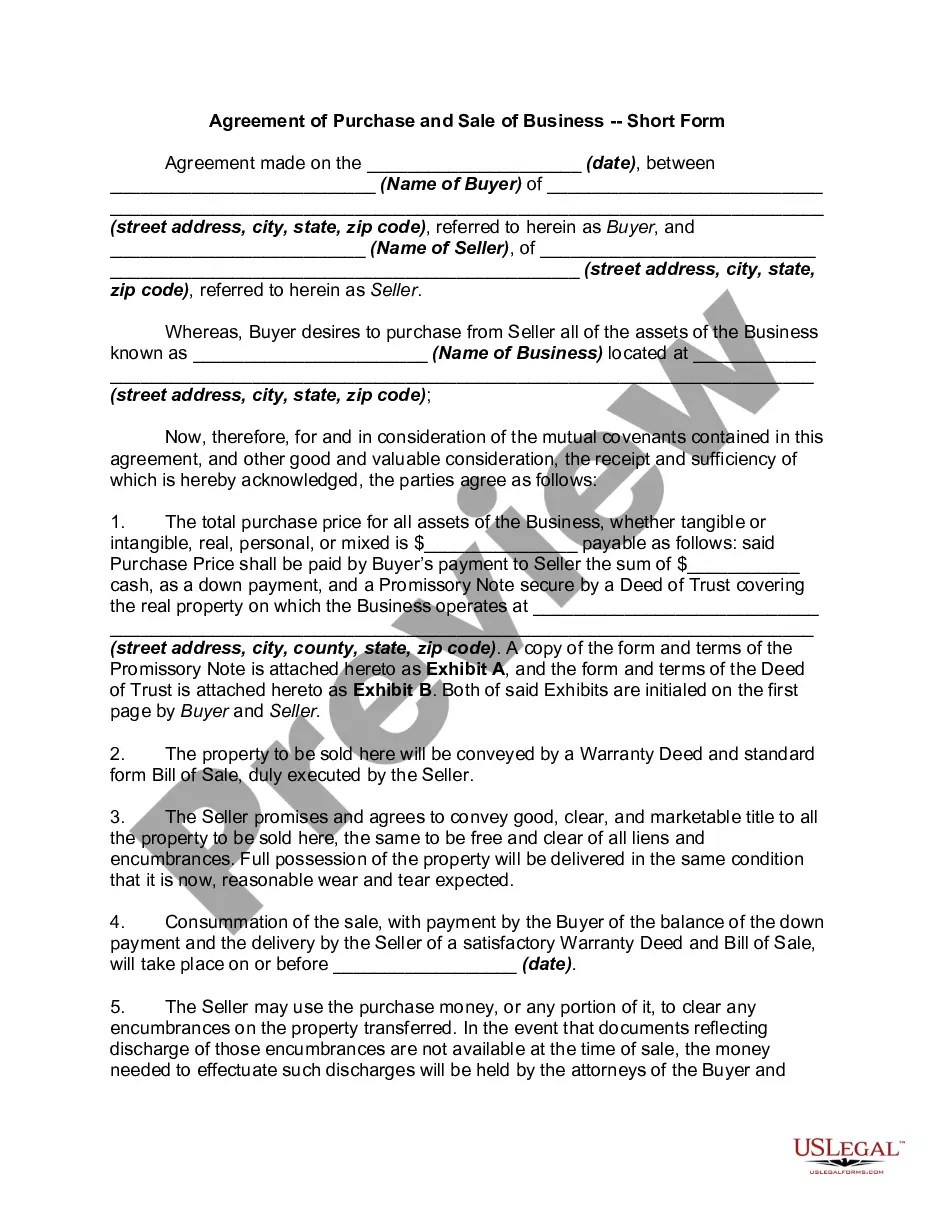
Get your form ready online
Our built-in tools help you complete, sign, share, and store your documents in one place.
Make edits, fill in missing information, and update formatting in US Legal Forms—just like you would in MS Word.
Download a copy, print it, send it by email, or mail it via USPS—whatever works best for your next step.
Sign and collect signatures with our SignNow integration. Send to multiple recipients, set reminders, and more. Go Premium to unlock E-Sign.
If this form requires notarization, complete it online through a secure video call—no need to meet a notary in person or wait for an appointment.
We protect your documents and personal data by following strict security and privacy standards.

Make edits, fill in missing information, and update formatting in US Legal Forms—just like you would in MS Word.

Download a copy, print it, send it by email, or mail it via USPS—whatever works best for your next step.

Sign and collect signatures with our SignNow integration. Send to multiple recipients, set reminders, and more. Go Premium to unlock E-Sign.

If this form requires notarization, complete it online through a secure video call—no need to meet a notary in person or wait for an appointment.

We protect your documents and personal data by following strict security and privacy standards.
Looking for another form?




Form popularity
FAQ
An MSA is a comprehensive agreement that governs the overall business relationship between the parties, establishing general terms and conditions. On the other hand, an SLA focuses on specific performance metrics and service levels to be achieved for a particular project or service.
In summary, Terms of Service are designed for individual users and are used in B2C relationships, while Master Service Agreements are tailored for business-to-business relationships and provide a comprehensive framework for ongoing service provision between companies.
MSAs are contracts that formulate the basic terms between vendors and clients at the beginning of a business relationship. This initial agreement helps to speed up the negotiation process for future contracts and facilities the project management process, resulting in a more efficient and streamlined process.
SLAs often commit organisations to targets or quality standards, while MoUs are often used for more informal relationships.
Although you don't have to hire a lawyer, you should. Entering into a legally binding agreement isn't something you should take lightly. Signing a document without fully comprehending the terms or your rights is dangerous. It can lead to significant unintended consequences and time-consuming legal battles.
At its most basic, an MSA is a contract between two or more parties that establishes what terms and conditions will govern all current and future activities and responsibilities. MSAs are useful because they allow the parties to plan for the future while also speeding the ratification of future agreements.
The master service agreement checklist is your essential companion for confidently handling complex master service agreements (MSAs). It makes creating, reviewing, or changing MSAs easier.
A master service agreement (MSA) is a fundamental contract outlining the scope of the relationship between two parties, including terms and conditions for current and future activities and responsibilities.
An MSA generally contains the following elements: Scope of work: ensures that both parties understand what work will be delivered. Confidentiality: protects intellectual property and other proprietary information from being disclosed. Geography: defines where the work will be performed.
