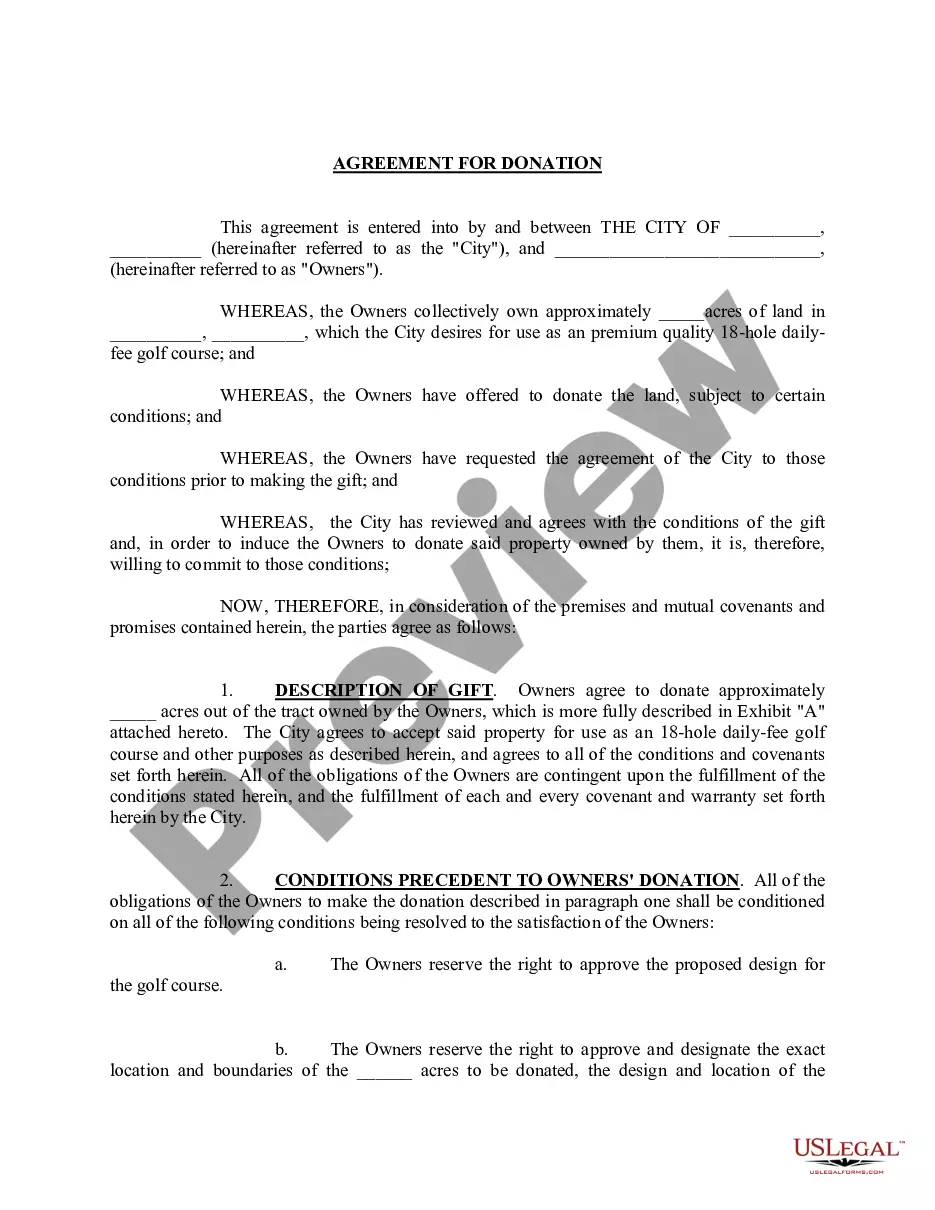
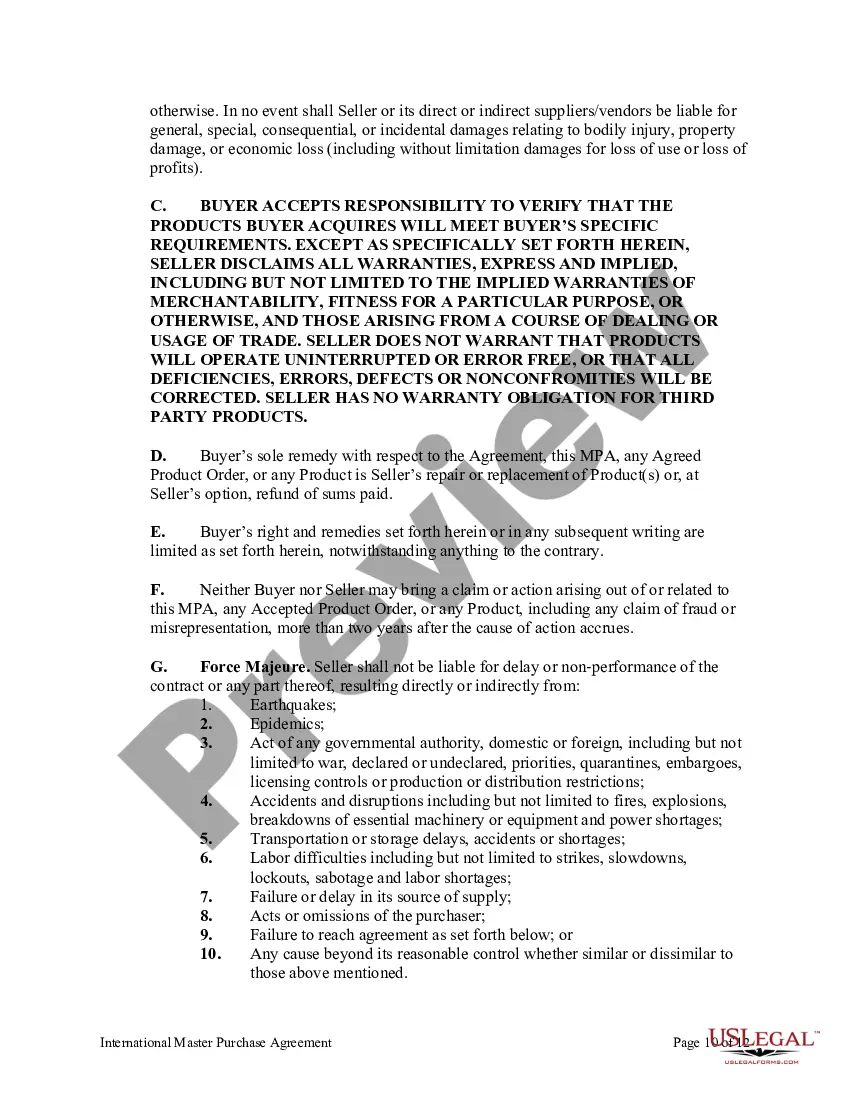
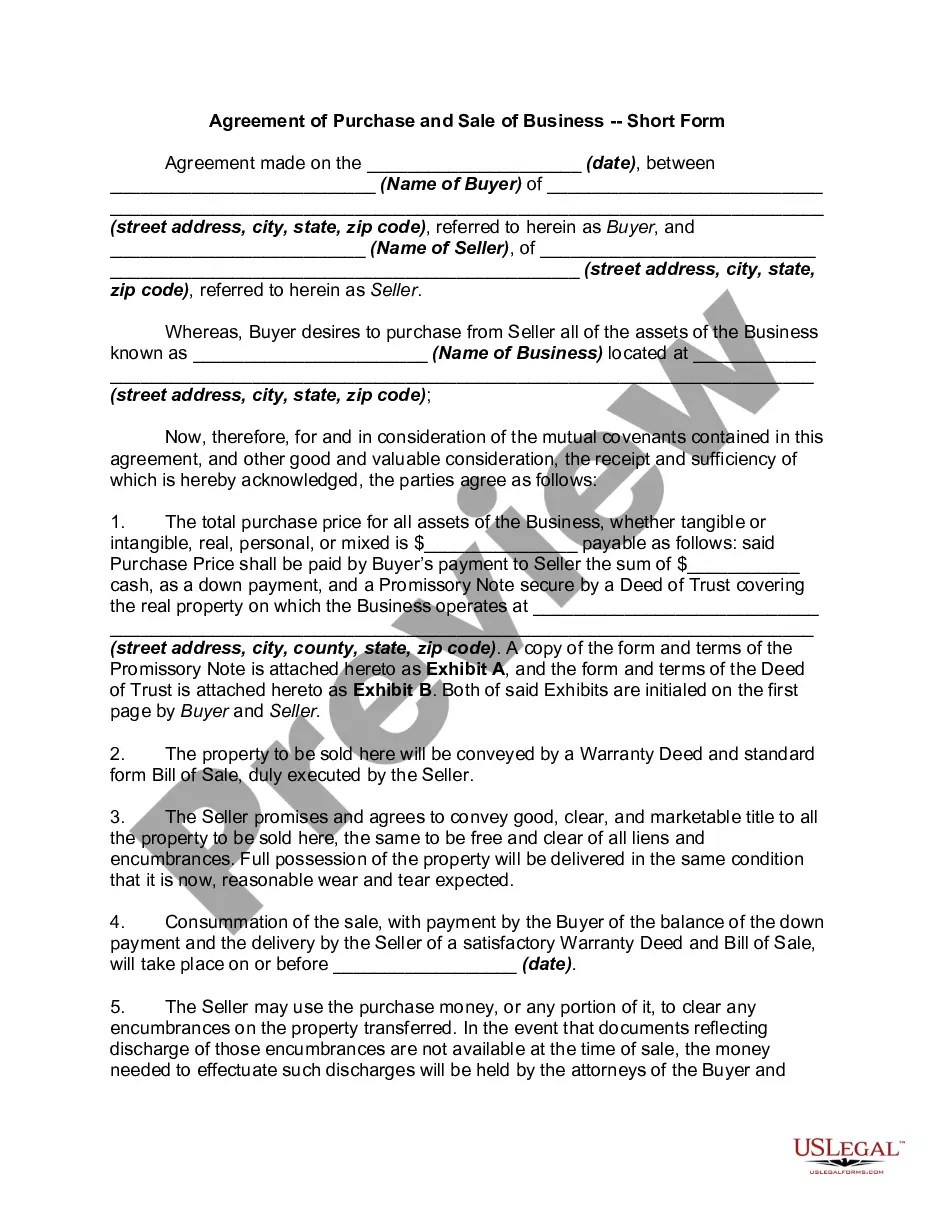
Master Supply Agreement With In New York
Description


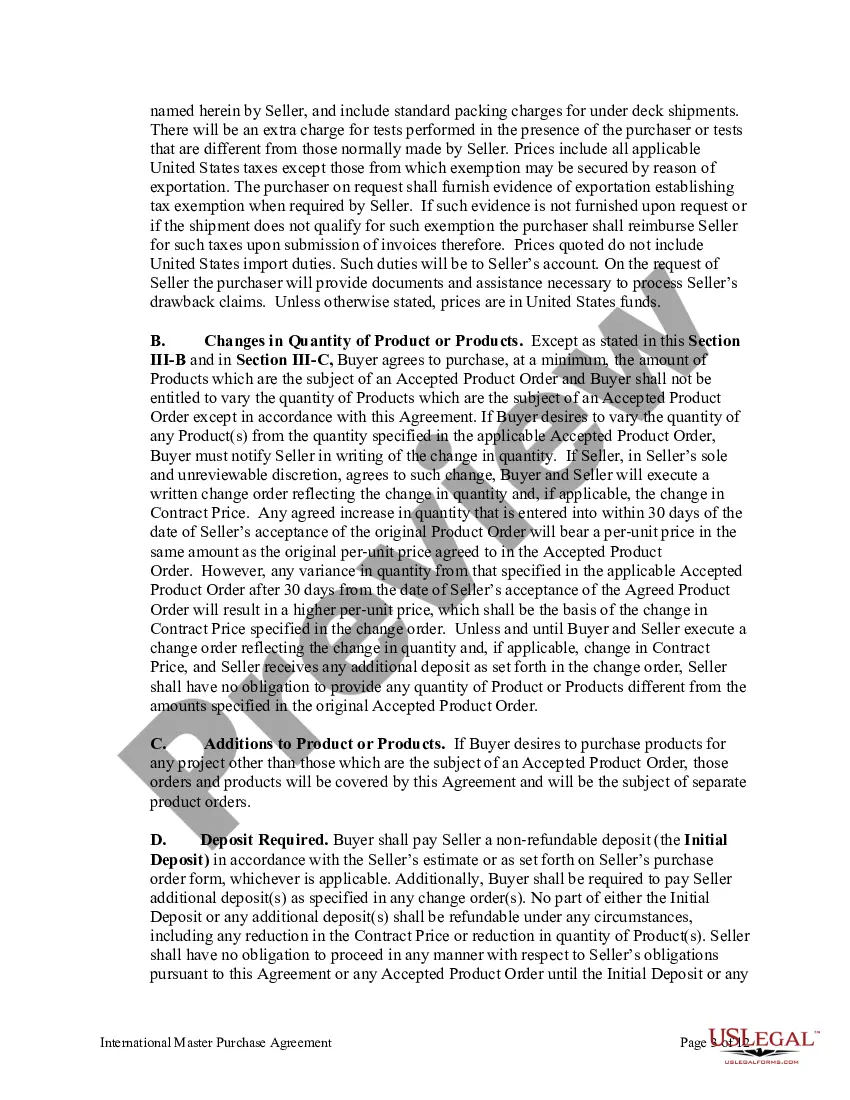
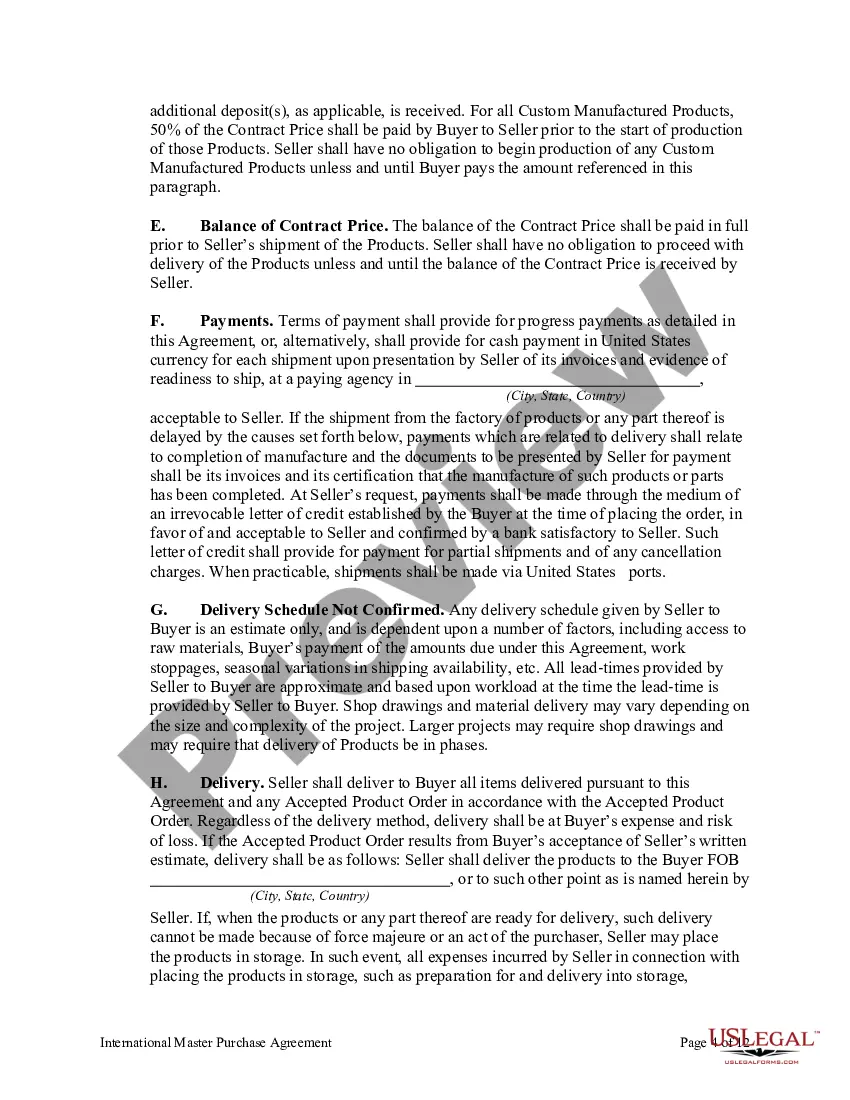
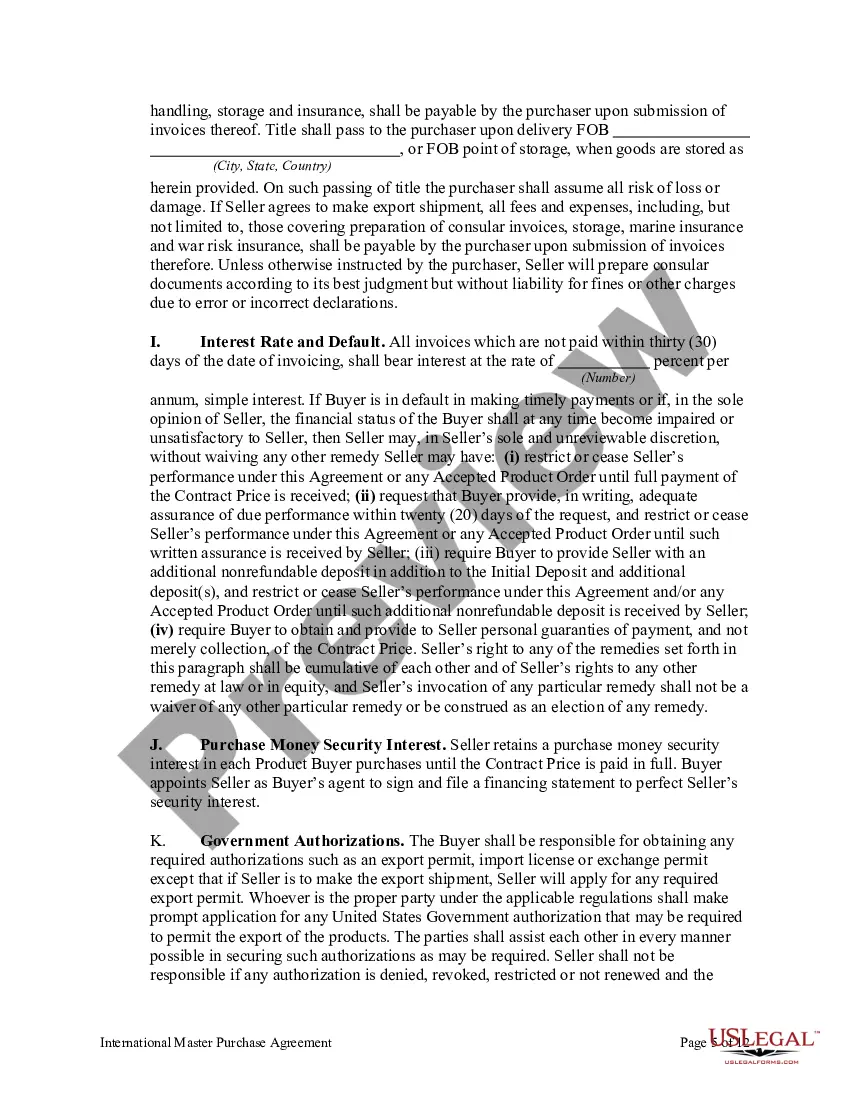



Get your form ready online
Our built-in tools help you complete, sign, share, and store your documents in one place.
Make edits, fill in missing information, and update formatting in US Legal Forms—just like you would in MS Word.
Download a copy, print it, send it by email, or mail it via USPS—whatever works best for your next step.
Sign and collect signatures with our SignNow integration. Send to multiple recipients, set reminders, and more. Go Premium to unlock E-Sign.
If this form requires notarization, complete it online through a secure video call—no need to meet a notary in person or wait for an appointment.
We protect your documents and personal data by following strict security and privacy standards.

Make edits, fill in missing information, and update formatting in US Legal Forms—just like you would in MS Word.

Download a copy, print it, send it by email, or mail it via USPS—whatever works best for your next step.

Sign and collect signatures with our SignNow integration. Send to multiple recipients, set reminders, and more. Go Premium to unlock E-Sign.

If this form requires notarization, complete it online through a secure video call—no need to meet a notary in person or wait for an appointment.

We protect your documents and personal data by following strict security and privacy standards.
Looking for another form?








Form popularity
FAQ
In total, there are 6 types of supply chain contracts, with the three main contracts being; continuous, fast, and flexible.
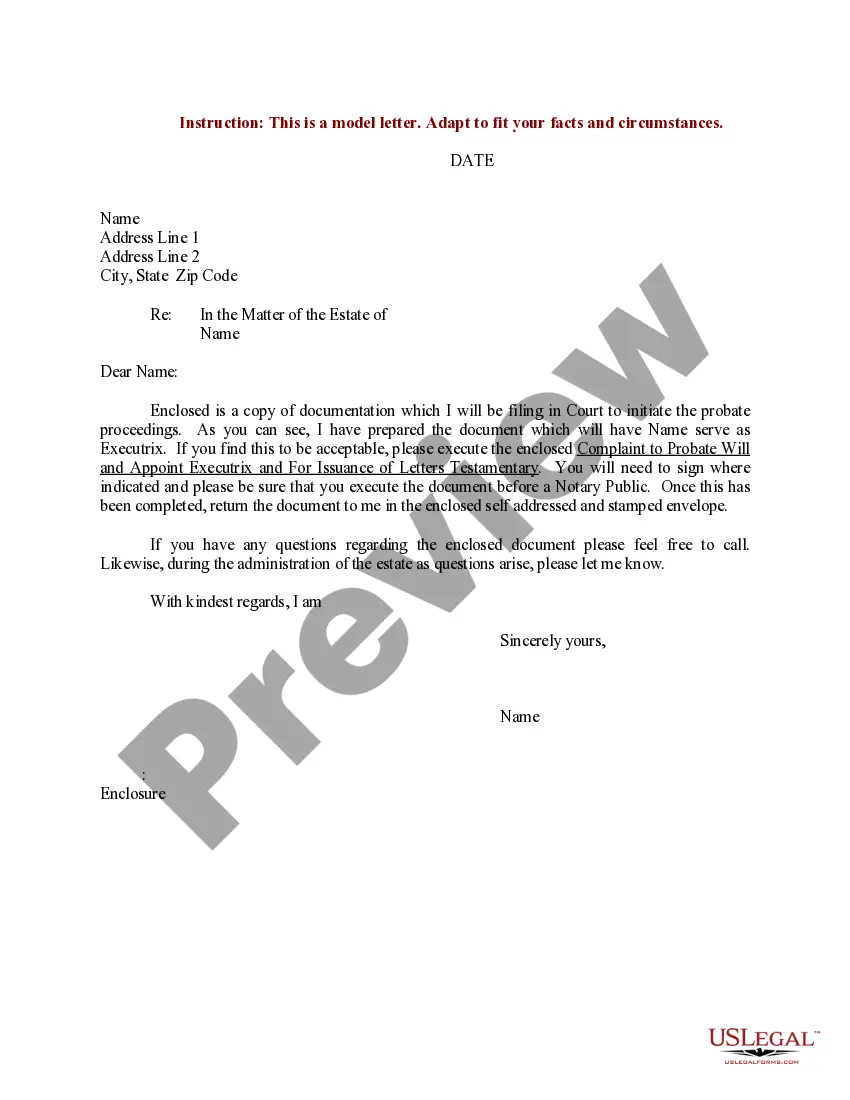
Write the contract in six steps Start with a contract template. Open with the basic information. Describe in detail what you have agreed to. Include a description of how the contract will be ended. Write into the contract which laws apply and how disputes will be resolved. Include space for signatures.
Contract Formation Offer and Acceptance – one party must make a clear and definite offer, and the other party must accept that offer, clearly and definitely. Exchange Something of Value – also known as “Consideration.” Each party must promise or provide something of value to the other party;
At its most basic, an MSA is a contract between two or more parties that establishes what terms and conditions will govern all current and future activities and responsibilities. MSAs are useful because they allow the parties to plan for the future while also speeding the ratification of future agreements.
Contracts are made up of three basic parts – an offer, an acceptance and consideration. The offer and acceptance are what the purpose of the agreement is between the parties. A public relations firm offers to provide its services to a potential client.
In the aggregate, master supply agreements, or MSAs, are generally contracts that come into existence when a company maintains several contracts with the same supplier, and therefore seeks to streamline the process by merging them into a single agreement.
There must be an offer and an acceptance. There must be consideration. The parties to the contract must be competent. Its purpose must be legal.
An MSA generally contains the following elements: Scope of work: ensures that both parties understand what work will be delivered. Confidentiality: protects intellectual property and other proprietary information from being disclosed. Geography: defines where the work will be performed.