Collective Agreement For Ec In Nevada
Description


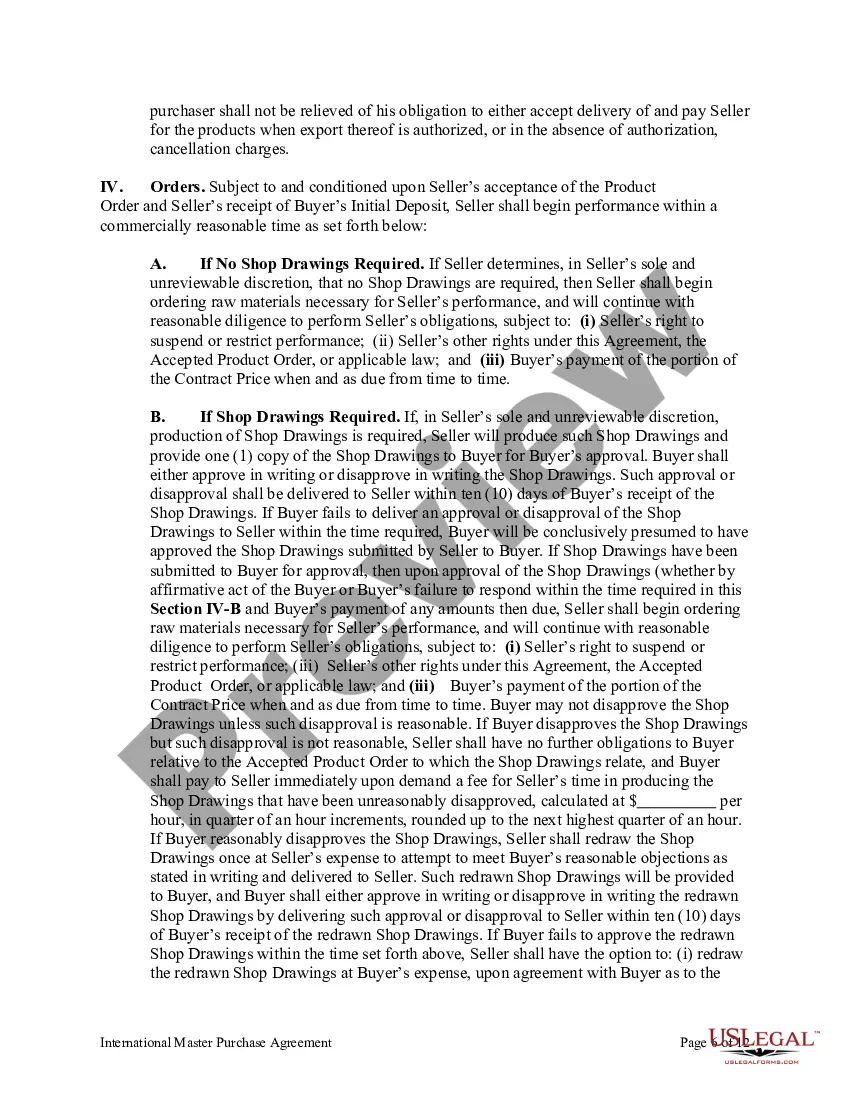
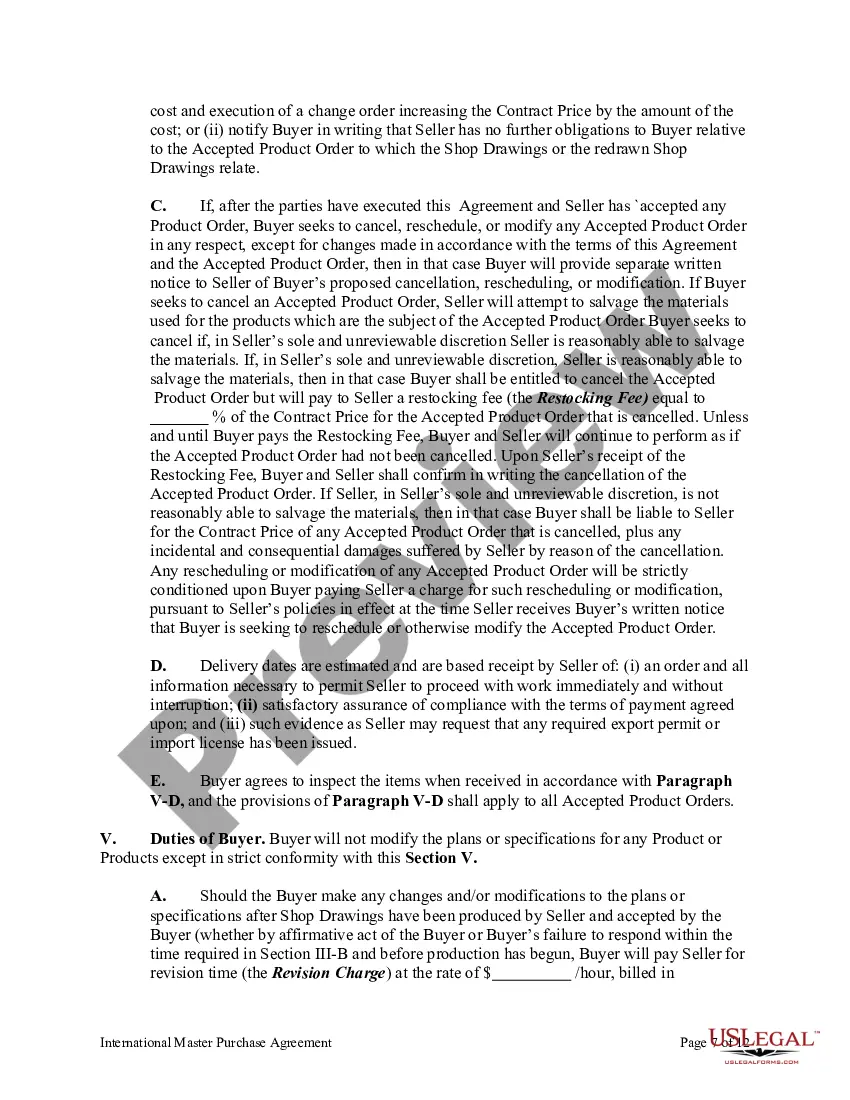
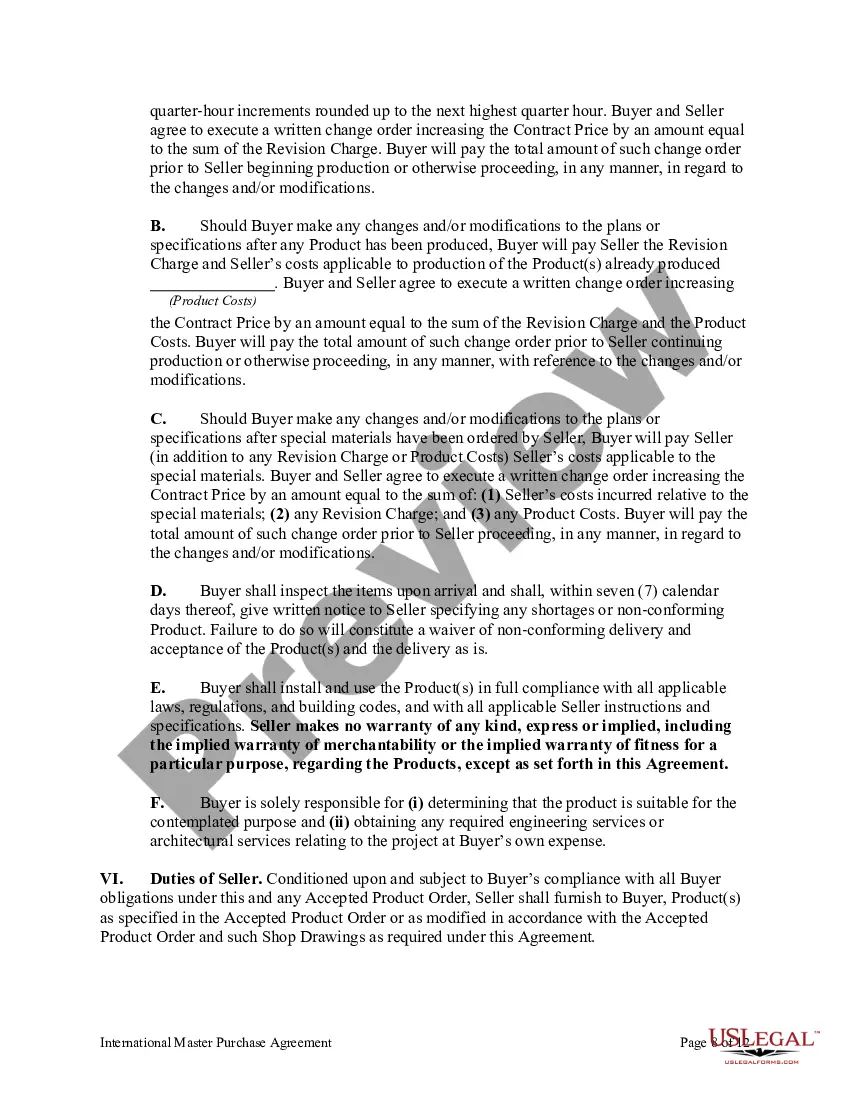
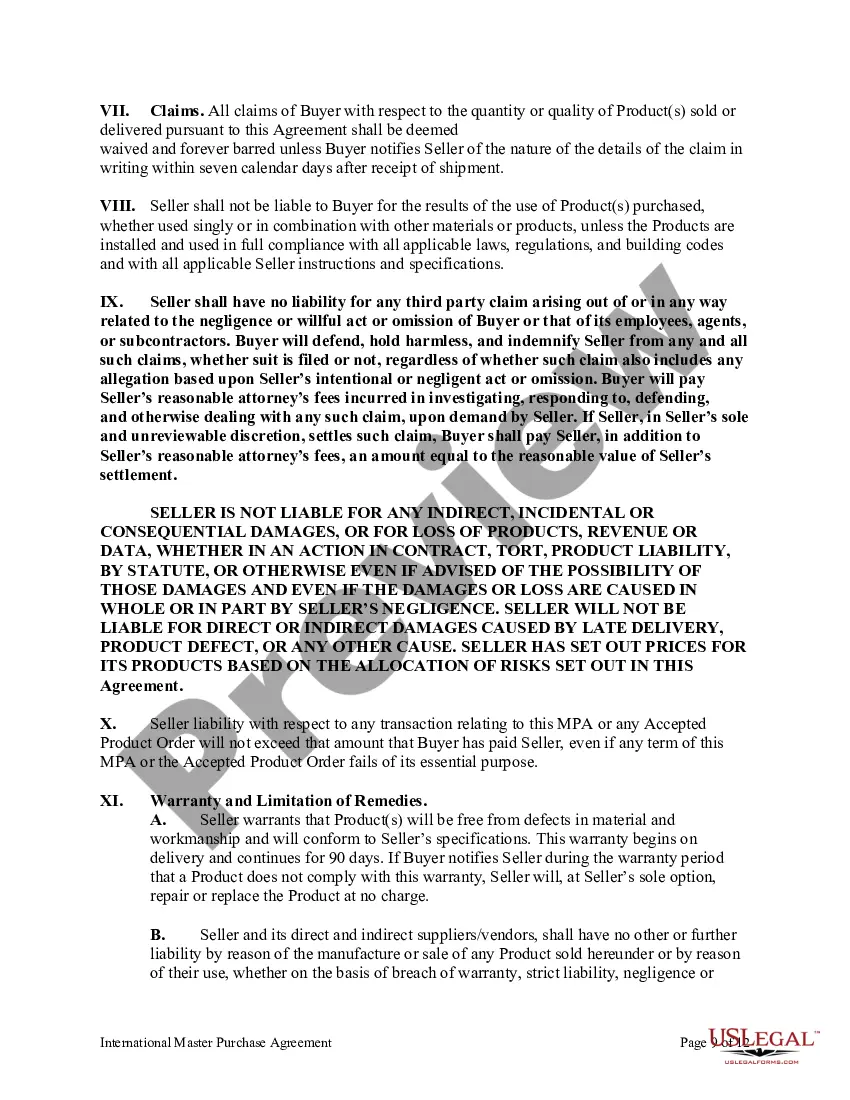



Get your form ready online
Our built-in tools help you complete, sign, share, and store your documents in one place.
Make edits, fill in missing information, and update formatting in US Legal Forms—just like you would in MS Word.
Download a copy, print it, send it by email, or mail it via USPS—whatever works best for your next step.
Sign and collect signatures with our SignNow integration. Send to multiple recipients, set reminders, and more. Go Premium to unlock E-Sign.
If this form requires notarization, complete it online through a secure video call—no need to meet a notary in person or wait for an appointment.
We protect your documents and personal data by following strict security and privacy standards.

Make edits, fill in missing information, and update formatting in US Legal Forms—just like you would in MS Word.

Download a copy, print it, send it by email, or mail it via USPS—whatever works best for your next step.

Sign and collect signatures with our SignNow integration. Send to multiple recipients, set reminders, and more. Go Premium to unlock E-Sign.

If this form requires notarization, complete it online through a secure video call—no need to meet a notary in person or wait for an appointment.

We protect your documents and personal data by following strict security and privacy standards.
Looking for another form?










Form popularity
FAQ
Most Collective Bargaining Agreements contain the following common elements: (1) a union recognition clause, (2) a management rights clause, (3) union rights provisions, (4) prohibitions on strikes and lockouts, (5) a union security clause, (6) nondiscrimination provisions, (7) grievance and arbitration procedures, (8) ...
The kinds of terms and conditions covered by a collective agreement typically include wages and benefits, as well as terms and conditions of employment that relate to e.g., job postings; obligations and responsibilities of the employer, the employee and the union; and a dispute resolution process (usually a grievance ...
A collective bargaining agreement (CBA), also known as a union contract, is a written legal contract between an employer and a union representing employees. This agreement results from an extensive negotiation process covering essential topics such as wages, work hours and employment conditions.
The Act excludes certain individuals, such as agricultural laborers, independent contractors, supervisors and persons in managerial positions, from the meaning of "employees." None of these individuals can be included in a bargaining unit established by the Board.
Collective agreements must: a statement that most personal grievances. Personal grievance. An action that an employee can take against a current or former employer when they have an employment issue they cannot resolve. a statement that sexual harassment. Harassment.
Collective bargaining covers the terms and conditions of workers in a defined 'bargaining unit'. This can include all employees in a workplace or just certain groups of workers, for example technicians.
A collective labour agreement is an agreement relating to terms and conditions of employment and work concluded between, on the one hand, the representatives of one or more trade unions or occupational groupings of workers and, on the other, one or more occupational organizations of employers or any other grouping of ...
Collective Bargaining Agreement Wages. Working hours and conditions. Employee benefits. Grievance and arbitration procedures. Limitations on strikes. The union's rights and responsibilities. Management's rights and responsibilities.