Master Sales Agreement For Independent Study In Miami-Dade
Description





Get your form ready online
Our built-in tools help you complete, sign, share, and store your documents in one place.
Make edits, fill in missing information, and update formatting in US Legal Forms—just like you would in MS Word.
Download a copy, print it, send it by email, or mail it via USPS—whatever works best for your next step.
Sign and collect signatures with our SignNow integration. Send to multiple recipients, set reminders, and more. Go Premium to unlock E-Sign.
If this form requires notarization, complete it online through a secure video call—no need to meet a notary in person or wait for an appointment.
We protect your documents and personal data by following strict security and privacy standards.

Make edits, fill in missing information, and update formatting in US Legal Forms—just like you would in MS Word.

Download a copy, print it, send it by email, or mail it via USPS—whatever works best for your next step.

Sign and collect signatures with our SignNow integration. Send to multiple recipients, set reminders, and more. Go Premium to unlock E-Sign.

If this form requires notarization, complete it online through a secure video call—no need to meet a notary in person or wait for an appointment.

We protect your documents and personal data by following strict security and privacy standards.
Looking for another form?

Form popularity
FAQ
Receipt of a standard high school diploma requires successful completion of 24 credits, an International Baccalaureate (IB) curriculum, or an Advanced International Certificate of Education (AICE) curriculum. The 24 credits include 16 core academic credits and eight elective credits.
The standard grading scale is based on 4.0 (A), 3.0 (B), 2.0 ( C), 1.0 (D), and 0.0 (F). Regular level courses are graded on the standard scale. Students enrolled in Honors courses receive one bonus point if they earn a grade of “A,” “B,” or “C” in the course.
Receipt of a standard high school diploma requires successful completion of 24 credits, an International Baccalaureate (IB) curriculum, or an Advanced International Certificate of Education (AICE) curriculum. The 24 credits include 16 core academic credits and eight elective credits.
Students must earn a 2.0 grade point average (GPA) on a 4.0 scale for all cohort years and pass statewide, standardized assessments unless a waiver of assessment results is granted by the IEP team for students with disabilities. Eligible courses are specified in the Florida Course Code Directory.
SUBJECTS SUBJECT AREASTANDARD HIGH SCHOOL 4-YEAR PROGRAMCAREER PREPARATORY 3-YEAR PROGRAM Total 24 credits 18 credits State Assessment Requirement Passing score on grade 10 FCAT Passing score on grade 10 FCAT Grade Point Average (GPA) Requirement Earn a cumulative GPA 2.0 on a 4.0 scale Earn a cumulative GPA 2.0 on a 4.0 scale10 more rows
The graduation options are as follows: A four-year, 24-credit standard program; • A three-year, 18-credit college preparatory program; • A three-year, 18-credit career preparatory program; • An International Baccalaureate program; and • An Advanced International Certificate of Education program.
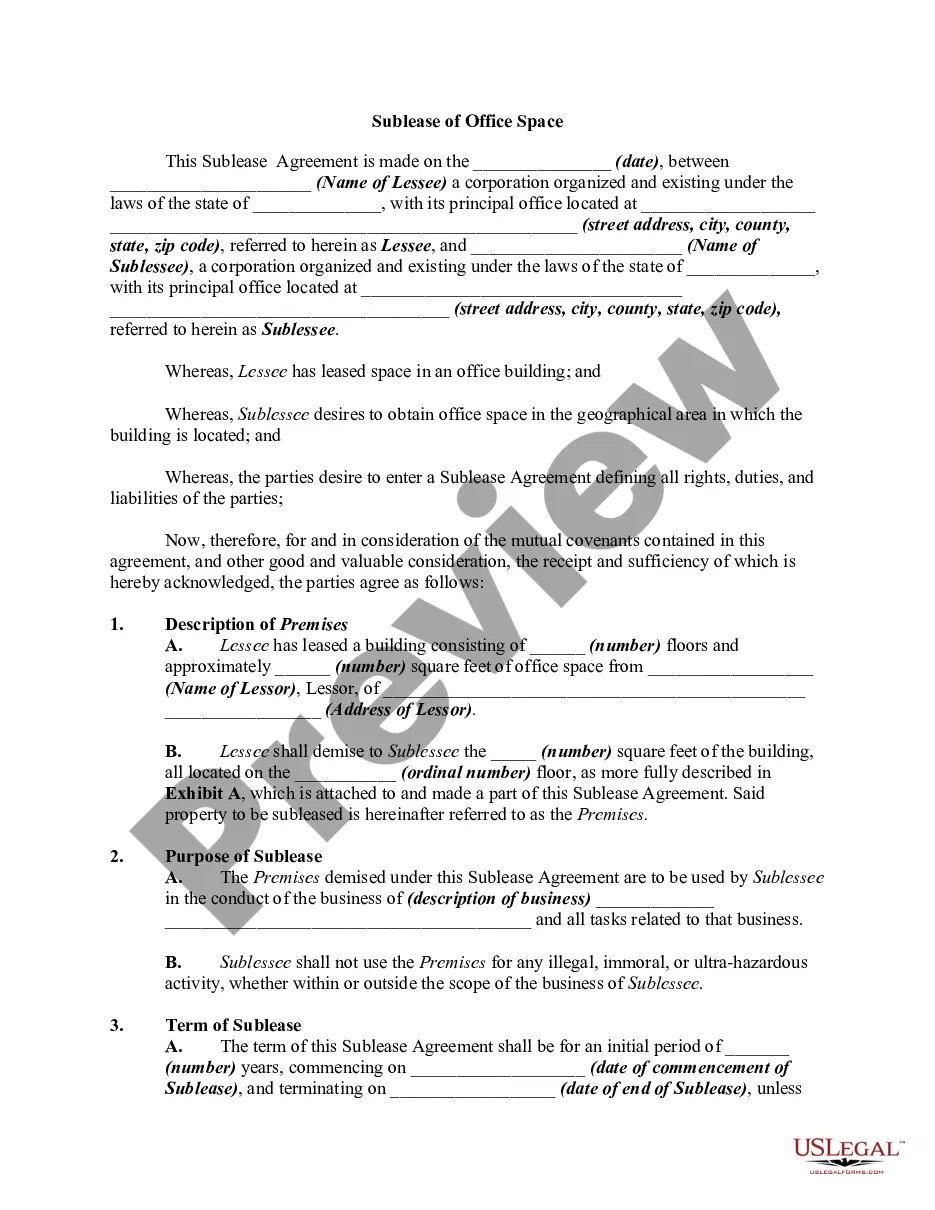
Parties about their relative rights and responsibilities.” Contracts are defined by Black's Law Dictionary as “an agreement between parties creating obligations that are enforceable.” Finally, a master service agreement (MSA) is defined as “one legal document that consolidates separate but related agreements between ...
At its most basic, an MSA is a contract between two or more parties that establishes what terms and conditions will govern all current and future activities and responsibilities. MSAs are useful because they allow the parties to plan for the future while also speeding the ratification of future agreements.
An MSA generally contains the following elements: Scope of work: ensures that both parties understand what work will be delivered. Confidentiality: protects intellectual property and other proprietary information from being disclosed. Geography: defines where the work will be performed.
An MSA, or Master Service Agreement, is a comprehensive contract between two parties that outlines the general terms and conditions governing their business relationship. It serves as a foundation for future transactions or agreements. Its primary purpose is to speed up and simplify future agreements between parties.
