Collective Agreement For Psac In Massachusetts
Description


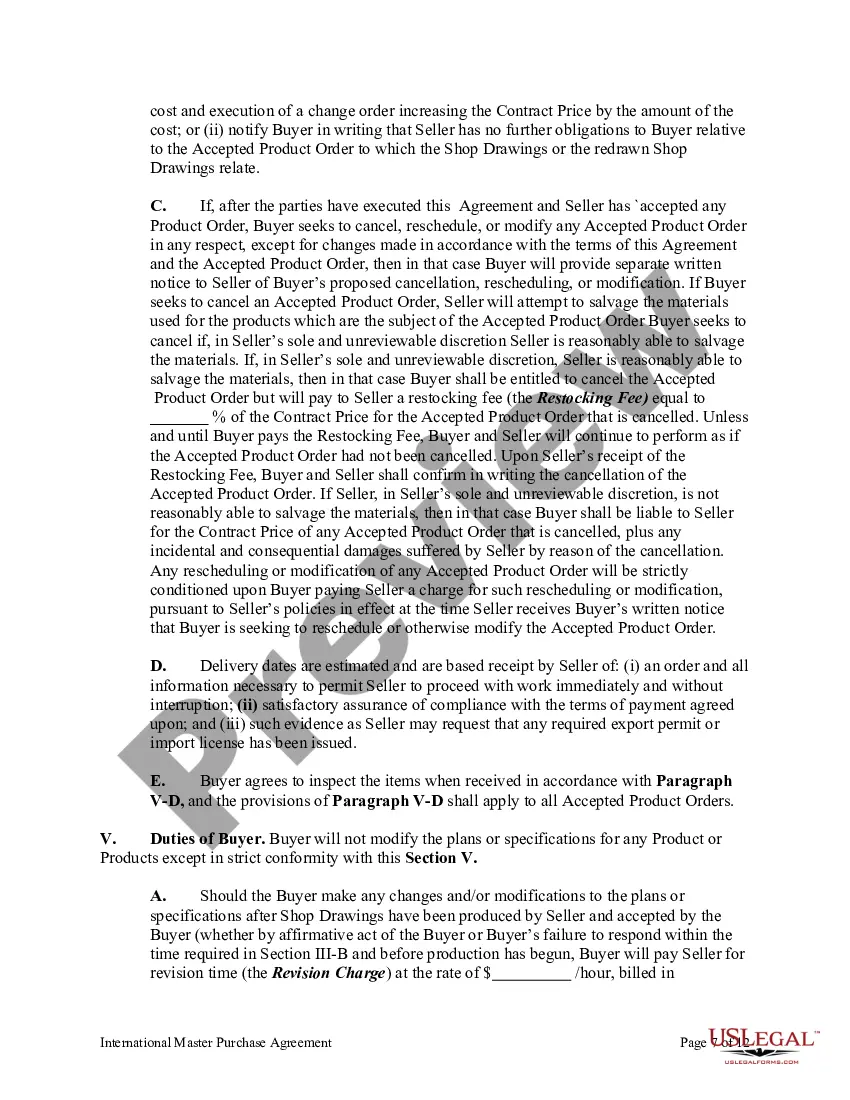
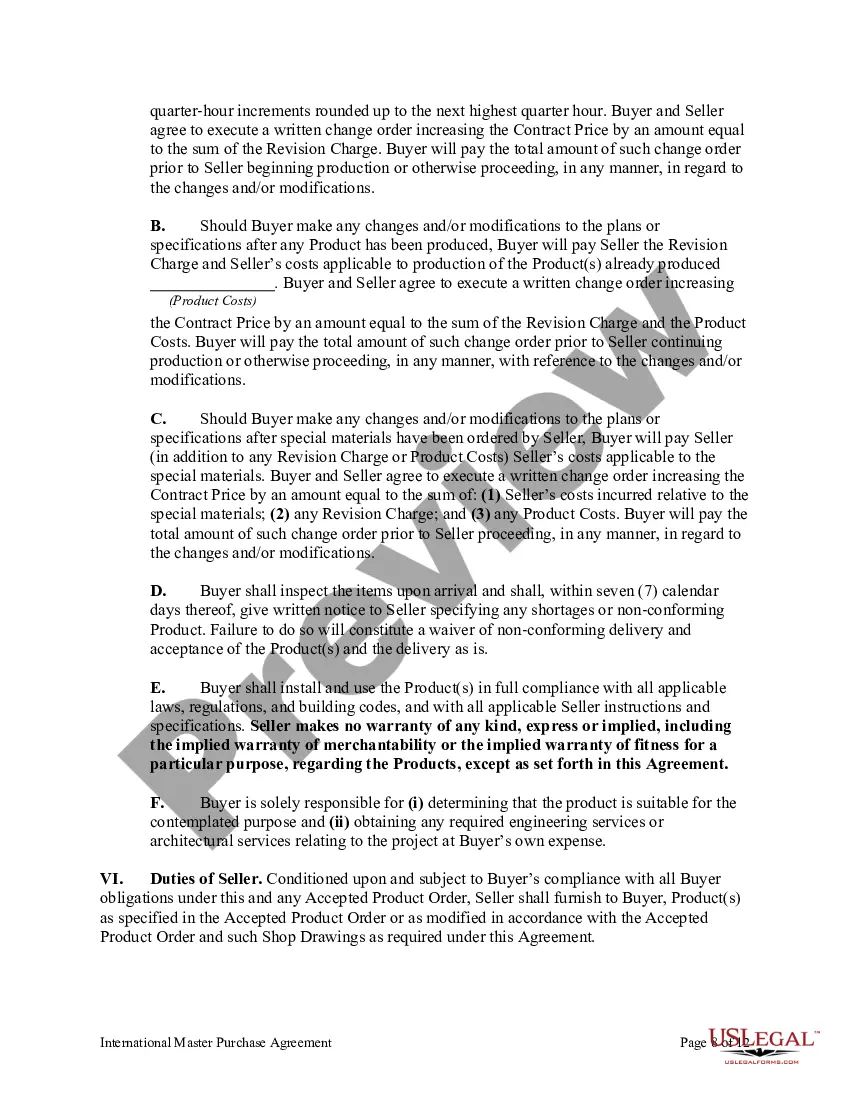
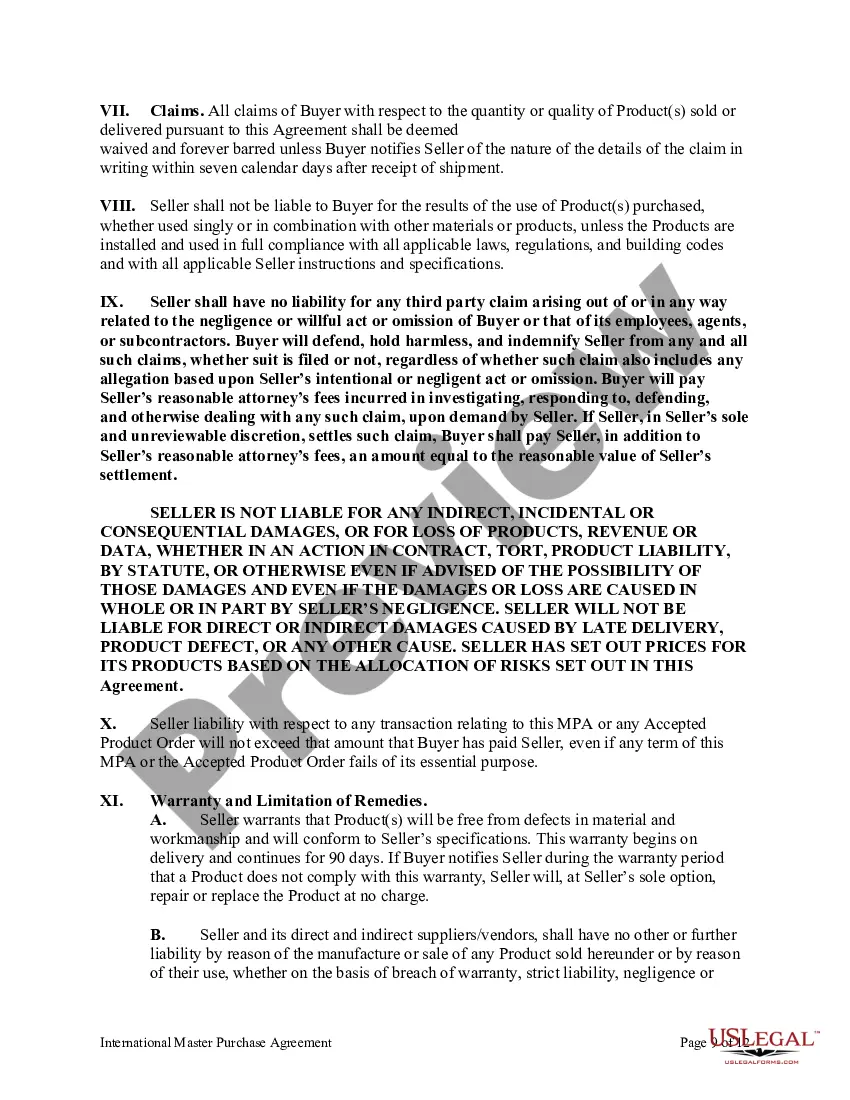
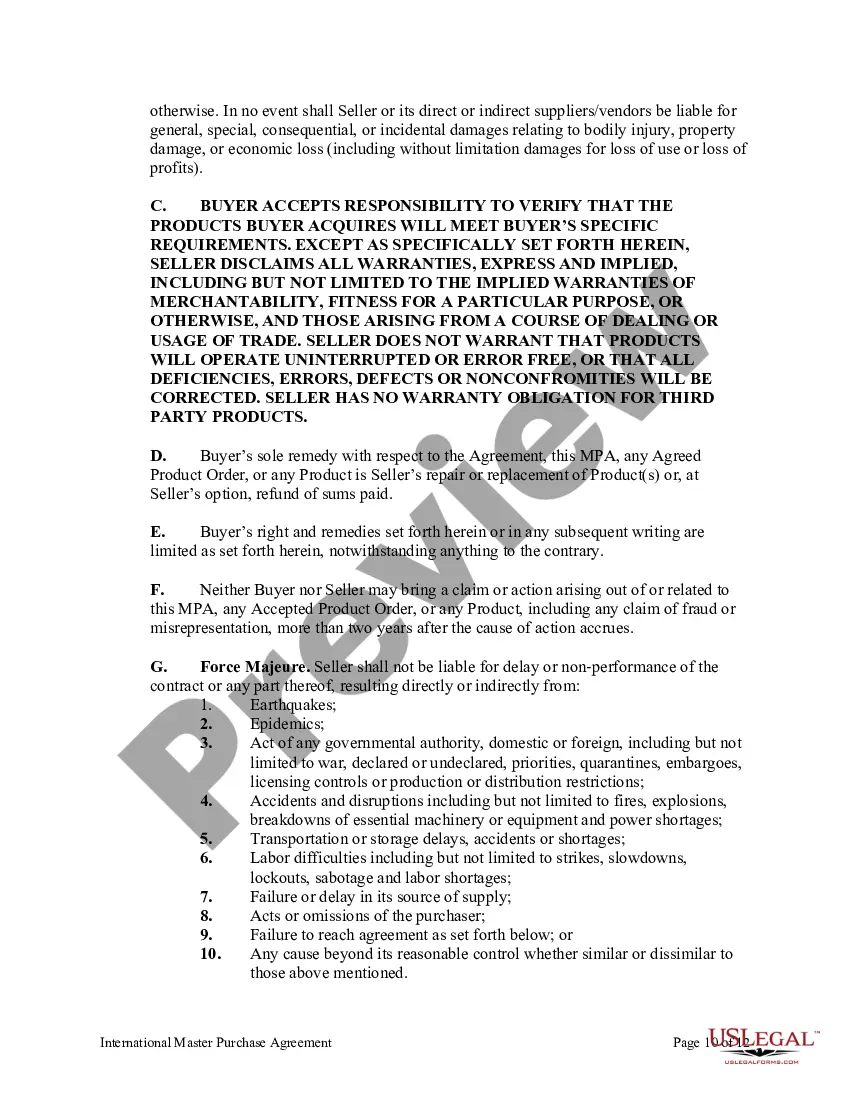



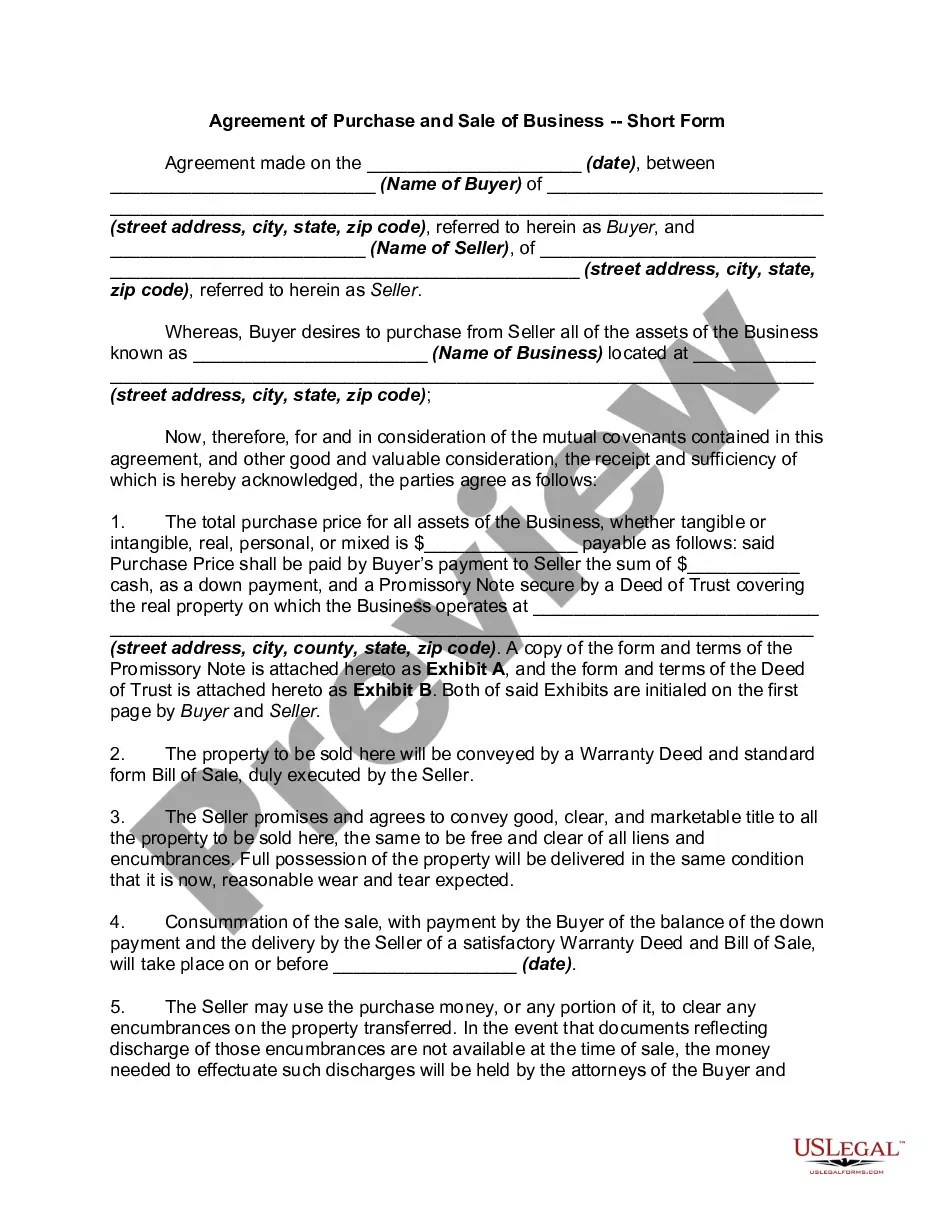
Get your form ready online
Our built-in tools help you complete, sign, share, and store your documents in one place.
Make edits, fill in missing information, and update formatting in US Legal Forms—just like you would in MS Word.
Download a copy, print it, send it by email, or mail it via USPS—whatever works best for your next step.
Sign and collect signatures with our SignNow integration. Send to multiple recipients, set reminders, and more. Go Premium to unlock E-Sign.
If this form requires notarization, complete it online through a secure video call—no need to meet a notary in person or wait for an appointment.
We protect your documents and personal data by following strict security and privacy standards.

Make edits, fill in missing information, and update formatting in US Legal Forms—just like you would in MS Word.

Download a copy, print it, send it by email, or mail it via USPS—whatever works best for your next step.

Sign and collect signatures with our SignNow integration. Send to multiple recipients, set reminders, and more. Go Premium to unlock E-Sign.

If this form requires notarization, complete it online through a secure video call—no need to meet a notary in person or wait for an appointment.

We protect your documents and personal data by following strict security and privacy standards.
Looking for another form?








Form popularity
FAQ
Most Collective Bargaining Agreements contain the following common elements: (1) a union recognition clause, (2) a management rights clause, (3) union rights provisions, (4) prohibitions on strikes and lockouts, (5) a union security clause, (6) nondiscrimination provisions, (7) grievance and arbitration procedures, (8) ...
To start the process, you must file an election petition with your local NLRB office. Along with the petition, you will need to show that at least 30% of the employees support your election petition, which is usually done with authorization cards or a petition signed by your co-workers.
Massachusetts has “majority sign up recognition” for public employees. When a majority of your co-workers sign a petition or cards clearly indicating that you desire collective bargaining on wages and working conditions, your employer is obligated to recognize your union.
How To Start a Union At Your Workplace in 7 Steps Step 1: Talk to Your Coworkers. A union is when workers join together to improve their jobs. Step 2: Talk to a Union Organizer. Step 3: Start a Committee. Step 4: Know Your Rights. Step 5: Sign Union Support Cards. Step 6: Vote! ... Step 7: Negotiate Your Contract.
The National Labor Relations Act gives you the right to bargain collectively with your employer through a representative that you and your coworkers choose.
To form a union on the job, you need the backup and hands-on help from the union you are seeking to join. If you don't already know which union is most able to help you, tell us about yourself and your job and we'll connect you with an organizer who can support you and your coworkers in forming a union.
Not represented by a union, but want to be? If a majority of workers wants to form a union, they can select a union in one of two ways: If at least 30% of workers sign cards or a petition saying they want a union, the NLRB will conduct an election.
The kinds of terms and conditions covered by a collective agreement typically include wages and benefits, as well as terms and conditions of employment that relate to e.g., job postings; obligations and responsibilities of the employer, the employee and the union; and a dispute resolution process (usually a grievance ...
Collective bargaining is concerned with bipartite relations (between two independent parties). The parties to collective bargaining are: one or more employers or one or more employers' organizations; and ▪ one or more workers' organizations.
Section 7 of the NLRA states that: “Employees shall have the right to self-organization, to form, join, or assist labor organizations, to bargain collectively through representatives of their own choosing, and to engage in other concerted activities for the purpose of collective bargaining or other mutual aid or ...
