Collective Agreement For Psac In Franklin
Description


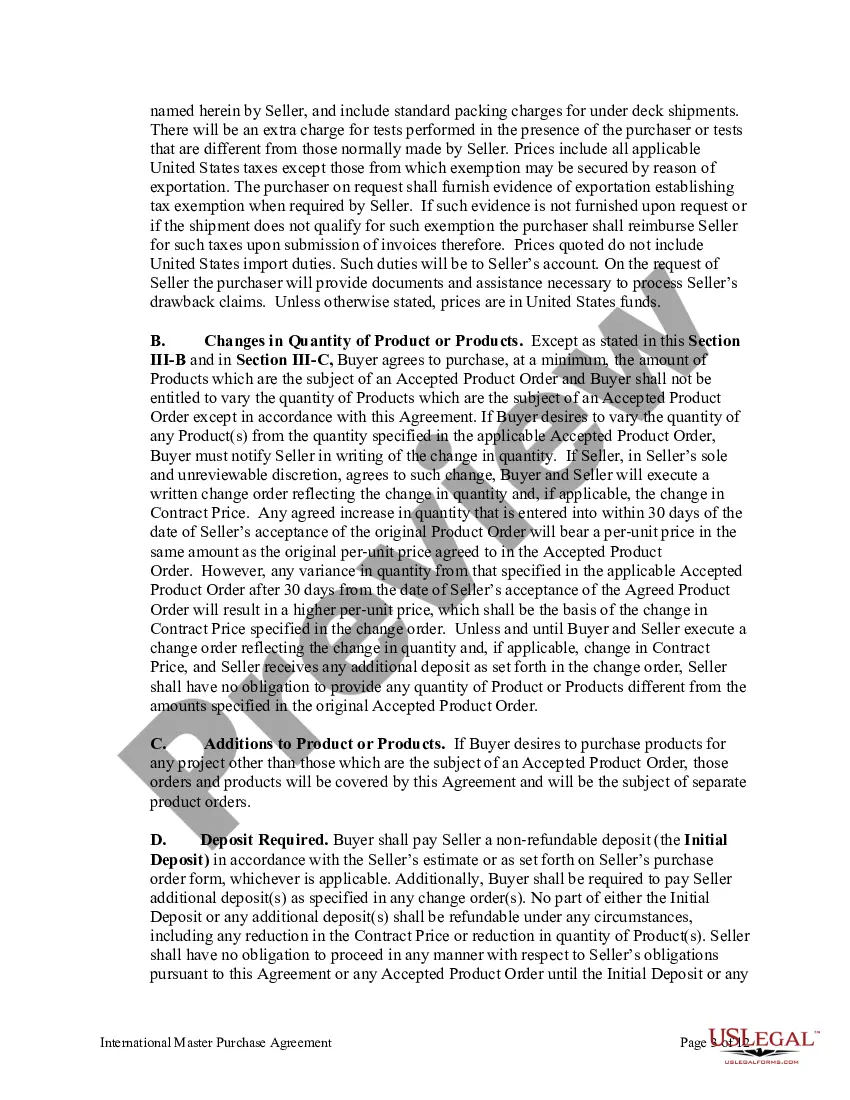
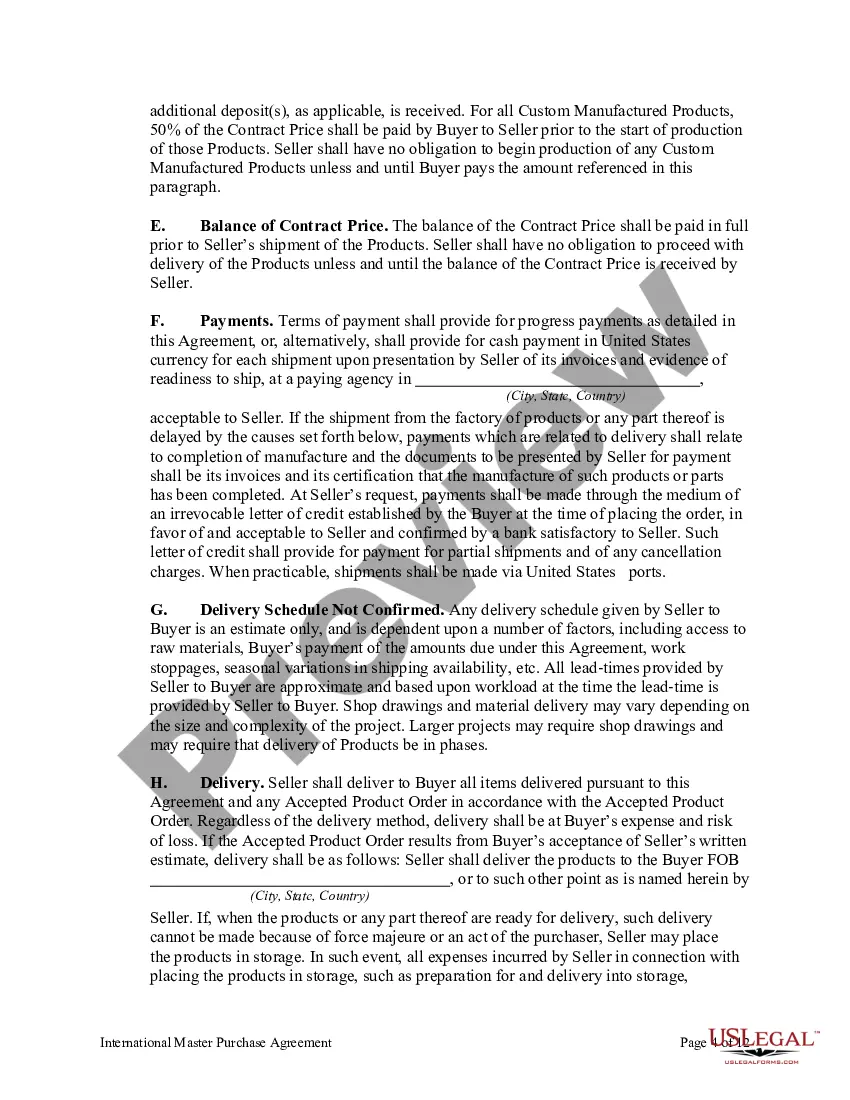
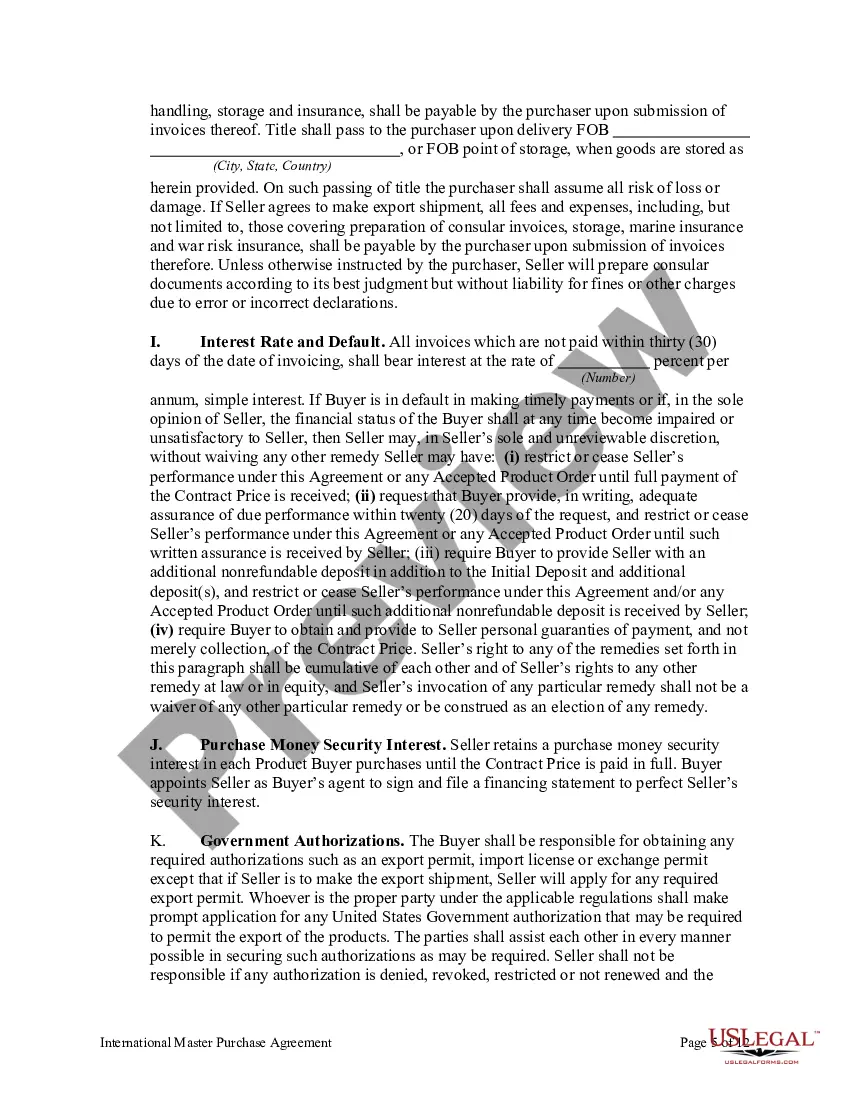
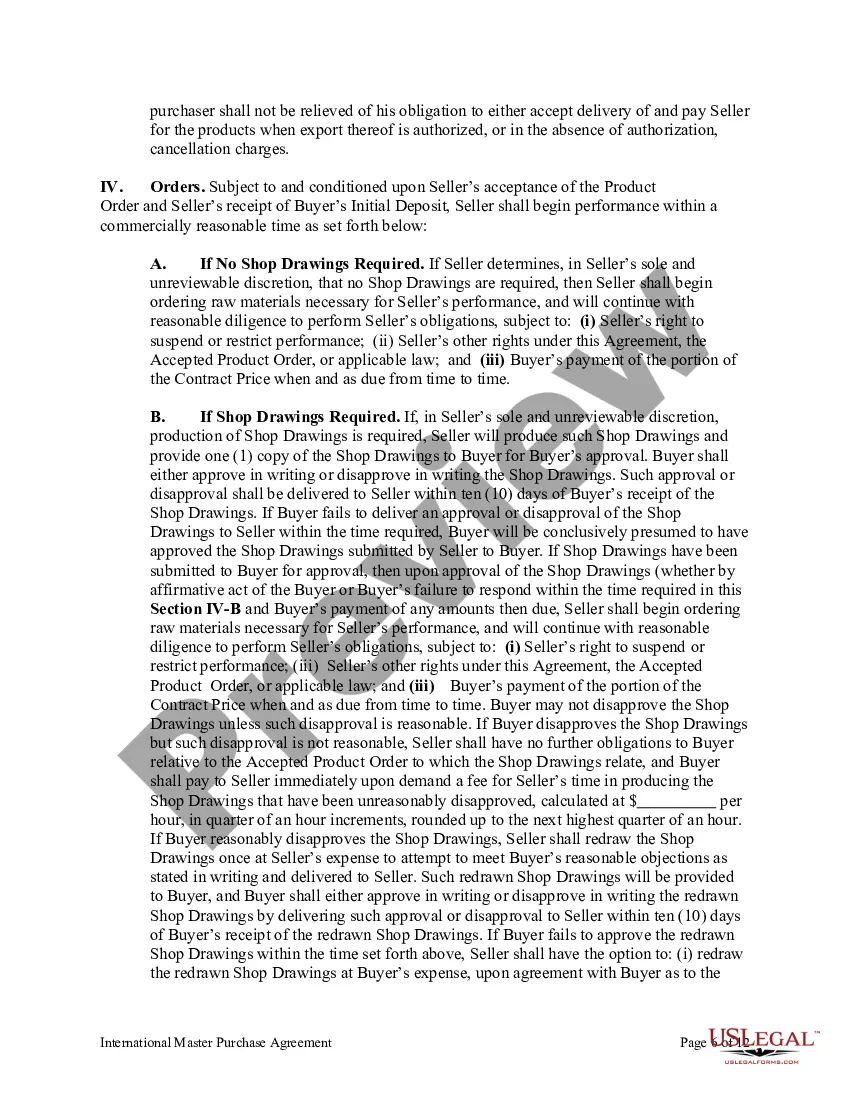



Get your form ready online
Our built-in tools help you complete, sign, share, and store your documents in one place.
Make edits, fill in missing information, and update formatting in US Legal Forms—just like you would in MS Word.
Download a copy, print it, send it by email, or mail it via USPS—whatever works best for your next step.
Sign and collect signatures with our SignNow integration. Send to multiple recipients, set reminders, and more. Go Premium to unlock E-Sign.
If this form requires notarization, complete it online through a secure video call—no need to meet a notary in person or wait for an appointment.
We protect your documents and personal data by following strict security and privacy standards.

Make edits, fill in missing information, and update formatting in US Legal Forms—just like you would in MS Word.

Download a copy, print it, send it by email, or mail it via USPS—whatever works best for your next step.

Sign and collect signatures with our SignNow integration. Send to multiple recipients, set reminders, and more. Go Premium to unlock E-Sign.

If this form requires notarization, complete it online through a secure video call—no need to meet a notary in person or wait for an appointment.

We protect your documents and personal data by following strict security and privacy standards.
Looking for another form?










Form popularity
FAQ
Section 7 of the NLRA states that: “Employees shall have the right to self-organization, to form, join, or assist labor organizations, to bargain collectively through representatives of their own choosing, and to engage in other concerted activities for the purpose of collective bargaining or other mutual aid or ...
Collective bargaining agreements (CBAs) are available from the Office of Labor-Management Standards (OLMS) Online Public Disclosure Room.
Most Collective Bargaining Agreements contain the following common elements: (1) a union recognition clause, (2) a management rights clause, (3) union rights provisions, (4) prohibitions on strikes and lockouts, (5) a union security clause, (6) nondiscrimination provisions, (7) grievance and arbitration procedures, (8) ...
The National Labor Relations Act protects most employees whether the workplace is unionized or non-unionized.
The National Labor Relations Act gives you the right to bargain collectively with your employer through a representative that you and your coworkers choose.
Collective bargaining is the term used to describe negotiations between a union and an employer if a union is certified as the exclusive bargaining representative of employees in a bargaining unit.
The government and PSAC have spent long hours at the bargaining table to find solutions and common ground. In the end, an agreement was reached that is fair for employees and reasonable for Canadians. The renewed Border Services Group collective agreement will include wage enhancements and other benefits for employees.
Bargaining is a process of give and take. During negotiations, some bargaining demands may be withdrawn in favor of others. Proposals are often modified as discussions continue to reach agreement.
The kinds of terms and conditions covered by a collective agreement typically include wages and benefits, as well as terms and conditions of employment that relate to e.g., job postings; obligations and responsibilities of the employer, the employee and the union; and a dispute resolution process (usually a grievance ...
Establishing the objectives of both parties Identify the interests of the employer and the union. Clarify what each party wants to achieve through collective bargaining. Compile a list of the priorities of each party. Listen to both parties and develop an understanding of their needs.
