Collective Agreement With In Clark
Description





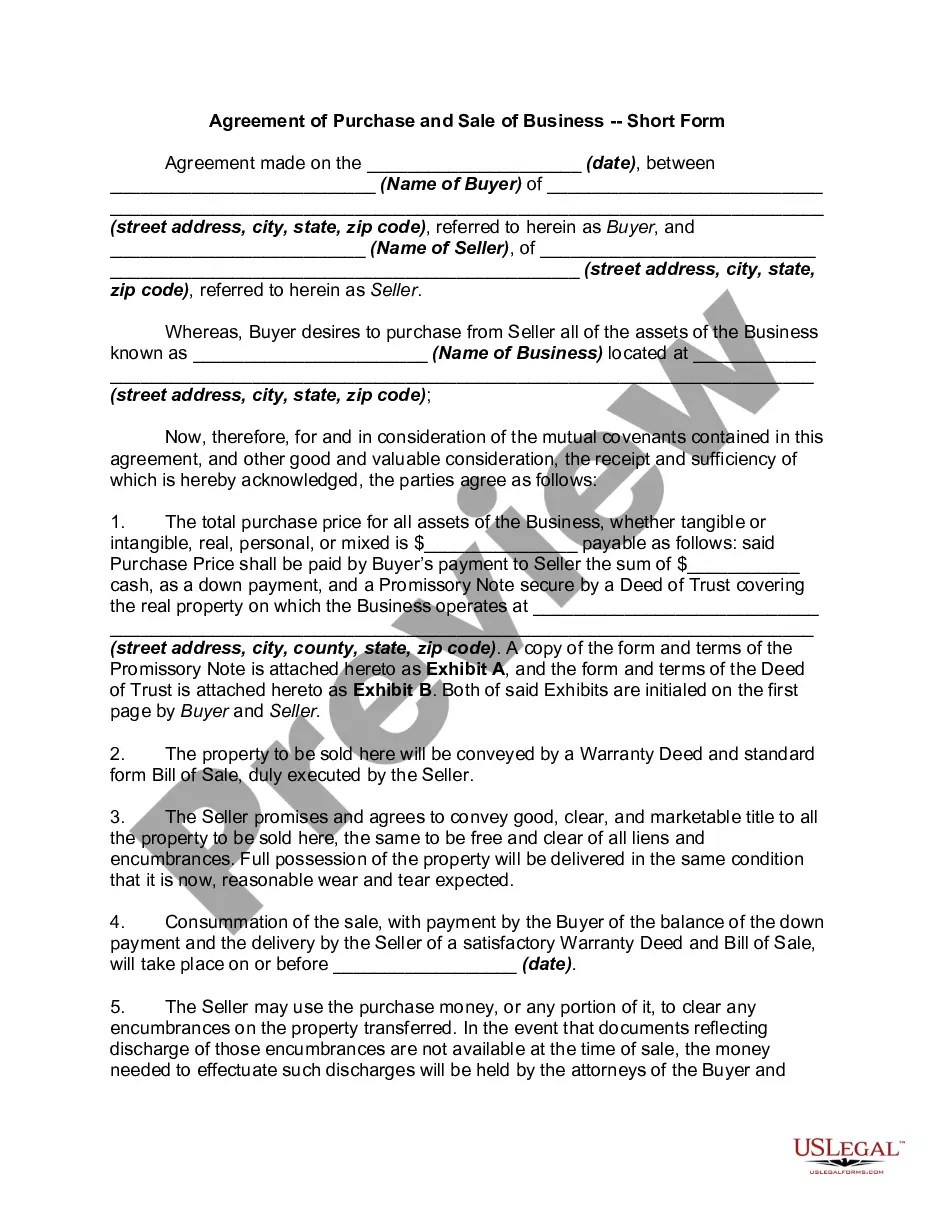
Get your form ready online
Our built-in tools help you complete, sign, share, and store your documents in one place.
Make edits, fill in missing information, and update formatting in US Legal Forms—just like you would in MS Word.
Download a copy, print it, send it by email, or mail it via USPS—whatever works best for your next step.
Sign and collect signatures with our SignNow integration. Send to multiple recipients, set reminders, and more. Go Premium to unlock E-Sign.
If this form requires notarization, complete it online through a secure video call—no need to meet a notary in person or wait for an appointment.
We protect your documents and personal data by following strict security and privacy standards.

Make edits, fill in missing information, and update formatting in US Legal Forms—just like you would in MS Word.

Download a copy, print it, send it by email, or mail it via USPS—whatever works best for your next step.

Sign and collect signatures with our SignNow integration. Send to multiple recipients, set reminders, and more. Go Premium to unlock E-Sign.

If this form requires notarization, complete it online through a secure video call—no need to meet a notary in person or wait for an appointment.

We protect your documents and personal data by following strict security and privacy standards.
Looking for another form?







Form popularity
FAQ
A collective agreement is therefore the outcome of a collective bargaining process. This could relate to various issues under negotiation, such as wages or other terms and conditions of employment. This must be in writing, contain the date on which it becomes effective and be signed by the parties.
A collective bargaining agreement (CBA), also known as a union contract, is a written legal contract between an employer and a union representing employees. This agreement results from an extensive negotiation process covering essential topics such as wages, work hours and employment conditions.
Most Collective Bargaining Agreements contain the following common elements: (1) a union recognition clause, (2) a management rights clause, (3) union rights provisions, (4) prohibitions on strikes and lockouts, (5) a union security clause, (6) nondiscrimination provisions, (7) grievance and arbitration procedures, (8) ...
A collective bargaining agreement (“CBA”) is a contract that is negotiated between an employer and a union. This document memorializes the working conditions, such as wages, benefits and hours of work, for employees in the bargaining unit covered by that particular CBA.
Collective bargaining agreements are legally binding contracts. If employers or employees violate one or more of the terms in the agreement, consequences can be severe and costly.
A collective bargaining agreement (CBA) is a contract reached as a result of negotiations between representatives of a union and the employer. For this CBA, it was the intention of the negotiating parties to meet the interests of both sides.
A collective bargaining agreement (CBA), also known as a union contract, is a written legal contract between an employer and a union representing employees. This agreement results from an extensive negotiation process covering essential topics such as wages, work hours and employment conditions.
A collective agreement is a written agreement concerning. terms and conditions of employment, or any other matter of. mutual interest, concluded by one or more registered trade.
Collective bargaining agreements. Collective bargaining agreements are a type of social arrangements concluded by bargaining between the employer(s) and the employees, represented by trade unions.
A collective bargaining agreement (“CBA”) is a contract that is negotiated between an employer and a union. This document memorializes the working conditions, such as wages, benefits and hours of work, for employees in the bargaining unit covered by that particular CBA.
