Termination Of Contract For Frustration In Salt Lake
Description




Form popularity
FAQ
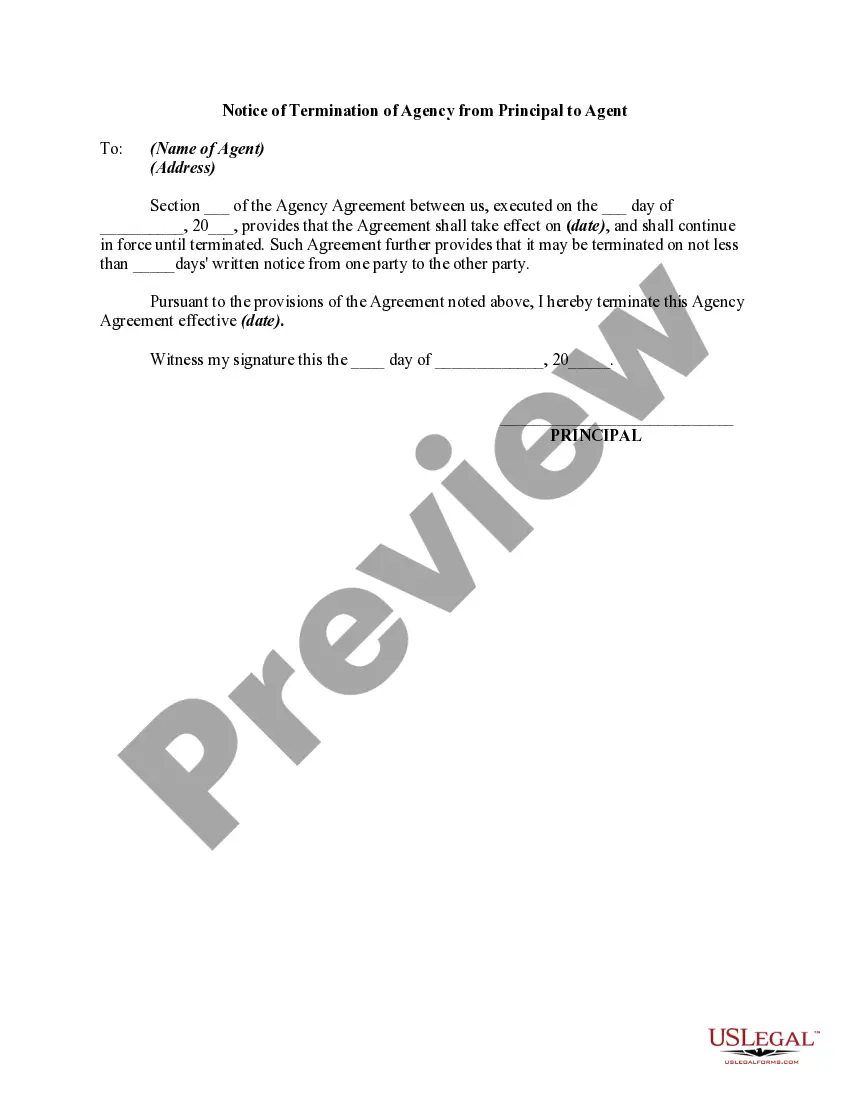
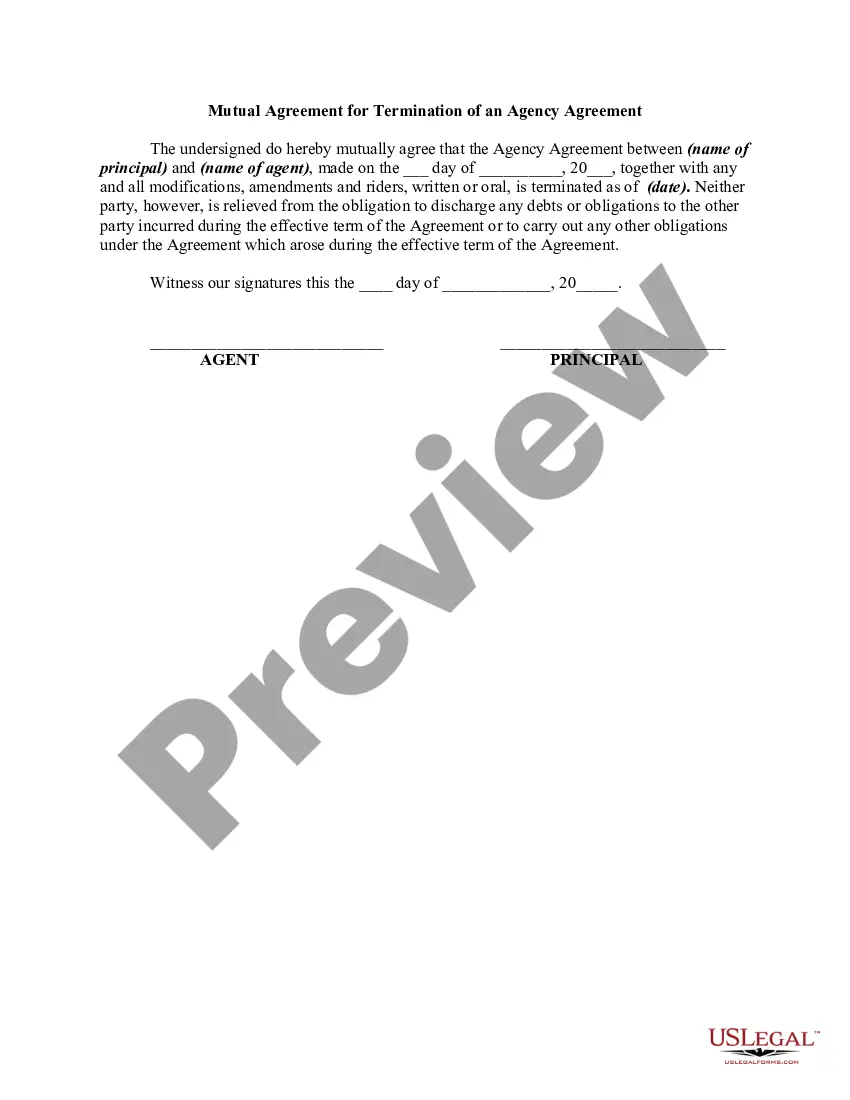
How do you write a Termination Agreement? Provide the names and mailing addresses of each party involved. Provide details from the original contract. Select a termination date after which the contract will no longer be in effect. State if either party is providing compensation as part of the Termination Agreement.
Expiration of the terms of the contract: Contract terminates when its specified date or duration expires. Example: John's one-year lease, starting on January 1, 2024, expires on December 31, 2024. At that point, the contract terminates unless both parties agree to renew it.
Give adequate notice of at least two weeks, or up to 30 days, when possible (ensuring you follow any notice provisions in your professional services agreement). Gently remind the contractor of any agreement terms regarding intellectual property and works made for hire.
At common law, where frustration is established the contract is terminated automatically (in futuro); there is no option to discharge or to perform and, at common law, the loss resulting from the termination lies where it falls (although there are limited exceptions to that rule).
Step 1: Addressing the Correct Individual or Company. Step 2: Stating the Purpose of Termination. Step 3: Including Necessary Details (Contract Number, Date, etc.) Step 4: Mentioning Outstanding Payments or Obligations. Step 5: Closing the Letter Professionally.
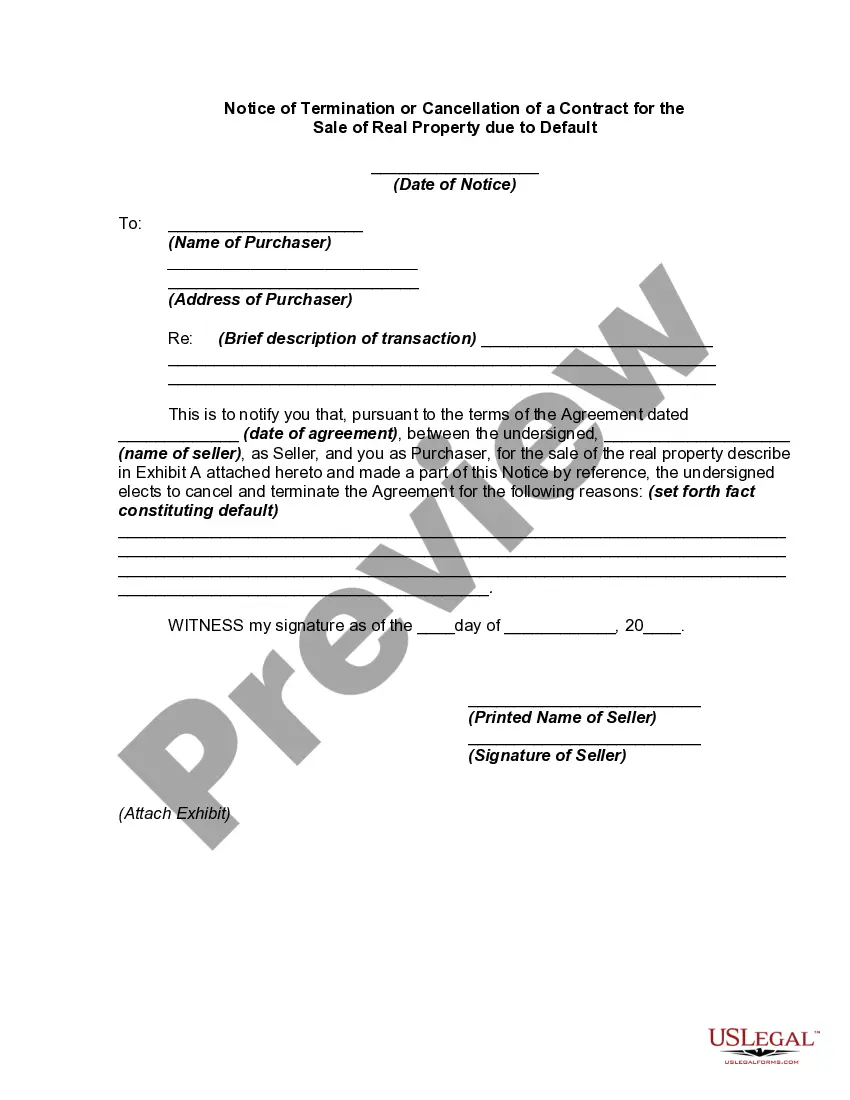
If you end the contract, you must notify the other party formally. This notice should be in writing and include: Identification of the contract: Clearly state the details of the contract being ended, including any identification numbers, the date it was signed, and the parties involved.
Tips for Writing an Effective Termination of Contract Letter Be Clear and Direct: Clearly state the reason for termination and the effective date. Avoid ambiguity to prevent misunderstandings. Maintain Professional Tone: Regardless of the circumstances, use a respectful and professional tone.
The frustration of a contract refers to a legal concept when unforeseen events or circumstances occur that make it impossible or difficult for the parties to fulfill them. These unforeseen circumstances fundamentally alter the terms of the agreement, making it unenforceable, commercially unviable, or impossible.
The best way to end a contract early is to speak with the party you're in contract with. Simple negotiation is often all it takes to reach a favorable resolution. If they don't agree to ending the contract early, consider getting a lawyer to help you determine your next best step.
In some cases a contract will be brought to an end because of a supervening event that is beyond the control of the parties; for example, a contract between A and B, whereby B agrees to hire A's theatre on a particular night may be frustrated if, as a result of a terrorist act the theatre is destroyed prior to the date ...

