Contract Termination With Cause In Queens
Description
Get your form ready online
Our built-in tools help you complete, sign, share, and store your documents in one place.
Make edits, fill in missing information, and update formatting in US Legal Forms—just like you would in MS Word.
Download a copy, print it, send it by email, or mail it via USPS—whatever works best for your next step.
Sign and collect signatures with our SignNow integration. Send to multiple recipients, set reminders, and more. Go Premium to unlock E-Sign.
If this form requires notarization, complete it online through a secure video call—no need to meet a notary in person or wait for an appointment.
We protect your documents and personal data by following strict security and privacy standards.

Make edits, fill in missing information, and update formatting in US Legal Forms—just like you would in MS Word.

Download a copy, print it, send it by email, or mail it via USPS—whatever works best for your next step.

Sign and collect signatures with our SignNow integration. Send to multiple recipients, set reminders, and more. Go Premium to unlock E-Sign.

If this form requires notarization, complete it online through a secure video call—no need to meet a notary in person or wait for an appointment.

We protect your documents and personal data by following strict security and privacy standards.
Looking for another form?



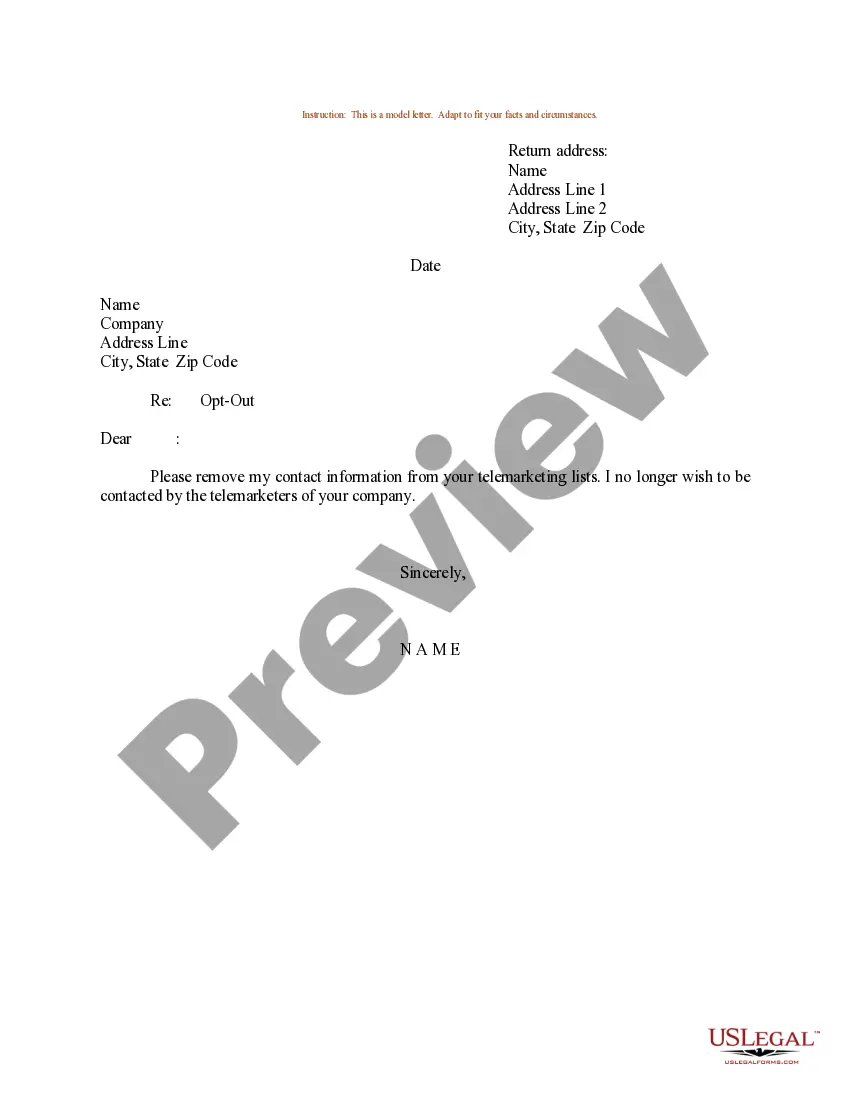
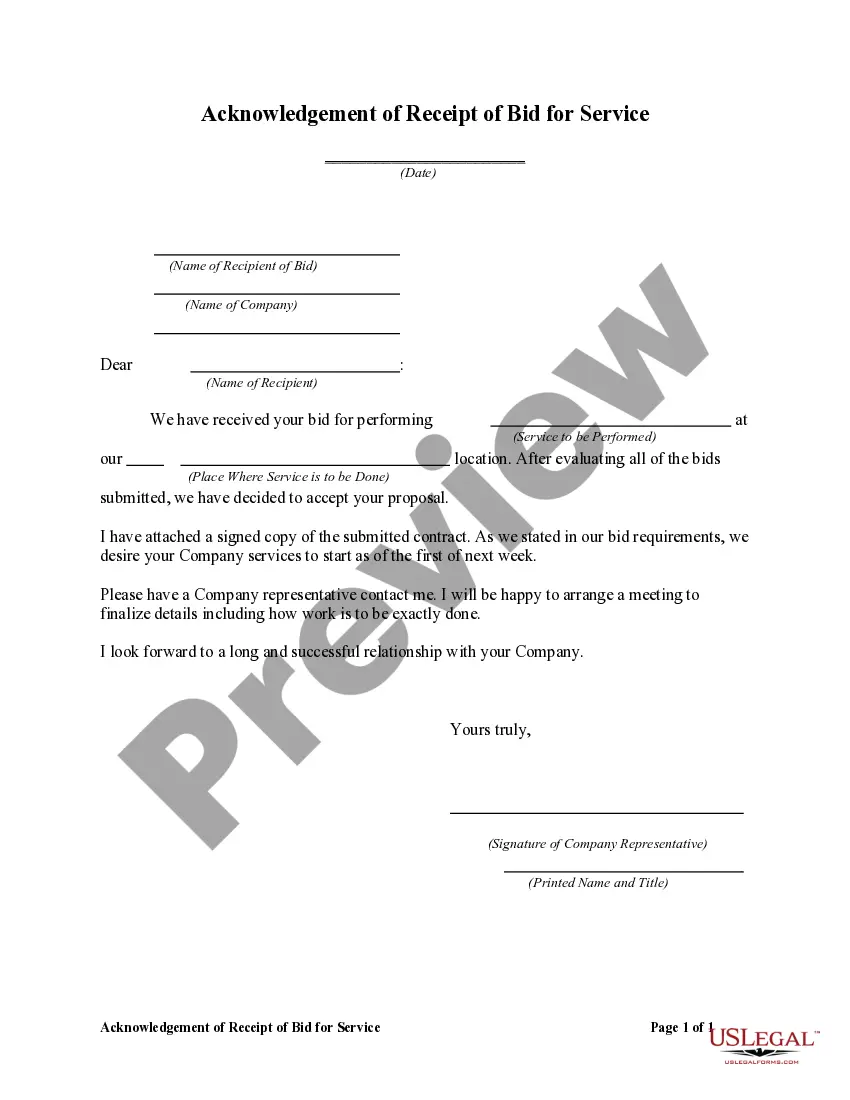

Form popularity
FAQ
New York observes “at-will” employment laws, meaning an employer can terminate a worker at any time for any reason or without reason. This works both ways, as employees can also quit their jobs without cause or notice. However, employers cannot fire employees for certain illegal reasons.
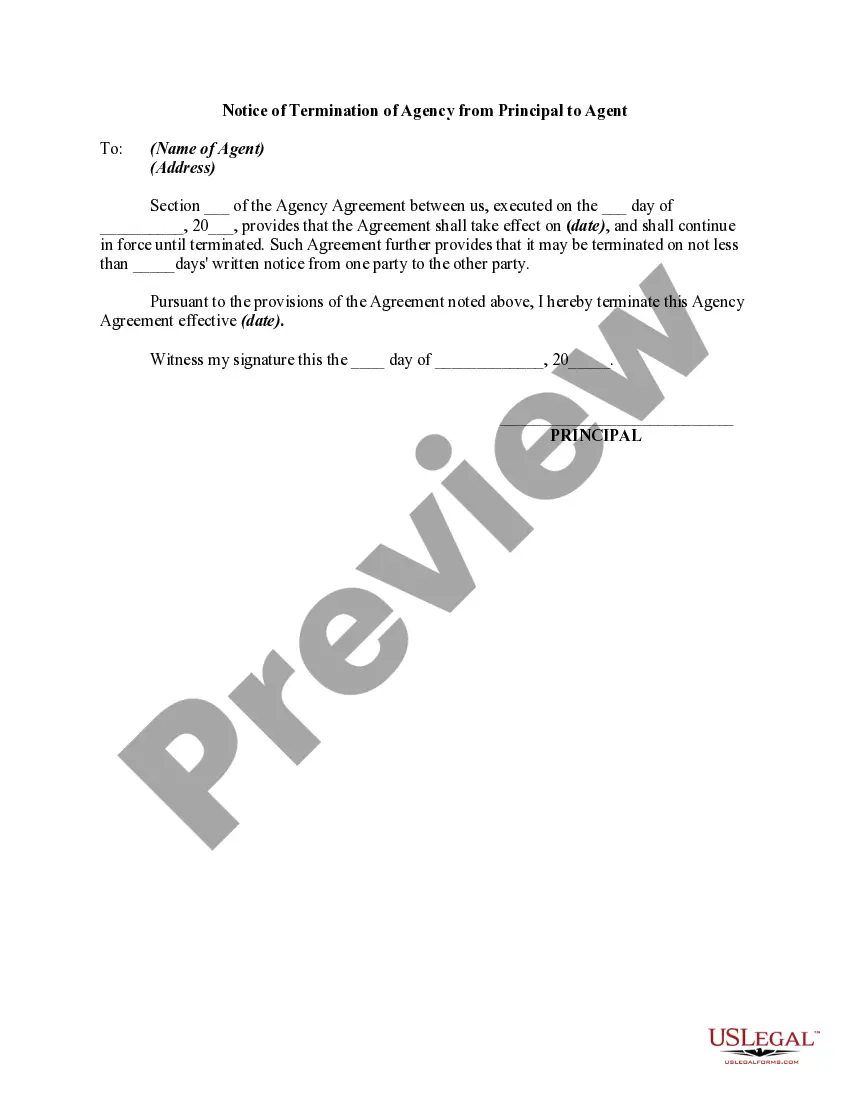
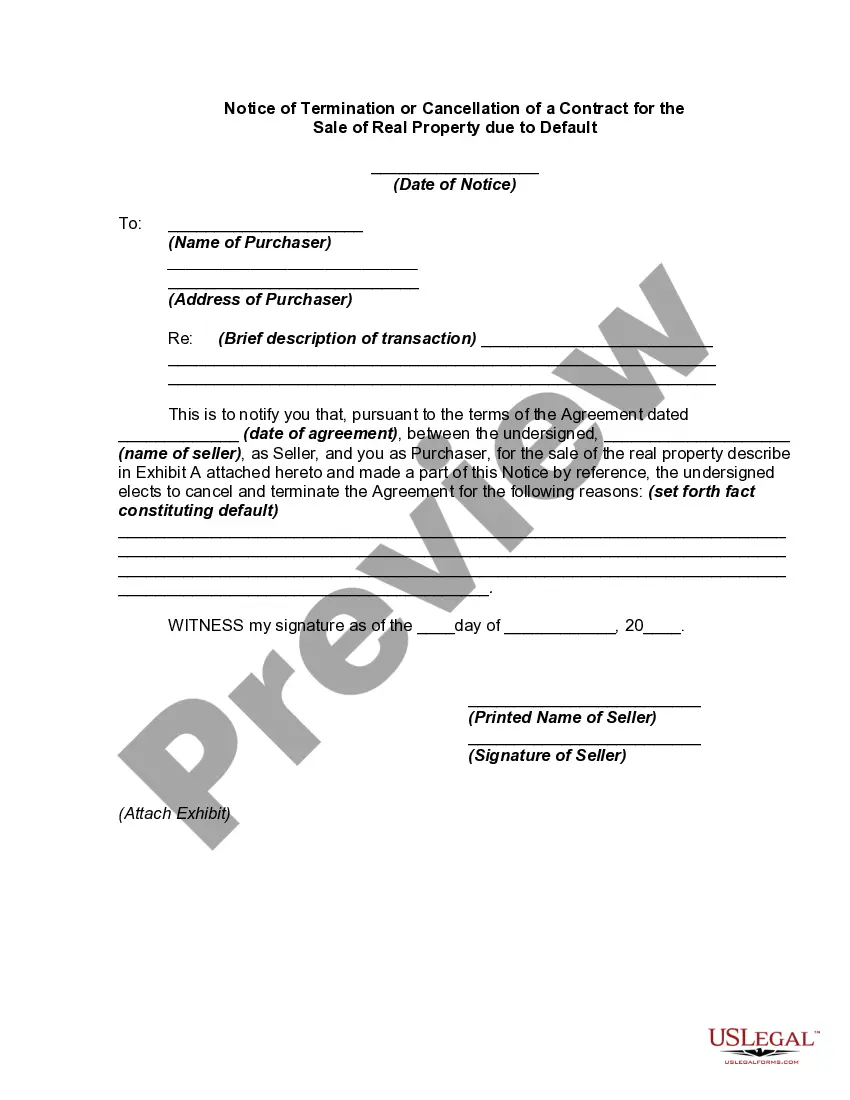
Write a termination of contract notice Regardless of what your grounds are, notice is required to terminate any contract. Typically, this notice will come in the form of a written document that clearly explains your decision to terminate the contract, why you wish to do so, and on what grounds.
Termination for cause is the dismissal of an employee for a satisfactory reason. An employee may be fired for various reasons that may include misconduct, fraud and disclosure of confidential information.
The contract's "with cause" provision permitted termination without notice or compensation for certain types of misconduct, including poor performance and dishonesty. The central issue ing to the court was whether the "with cause" provision was enforceable.
The employer must prove that: the dismissal is justified: The employer must show more than just dissatisfaction with the employee's performance. Real misconduct or incompetence must be demonstrated. the employee was aware of the consequences of failure to perform certain duties or obey certain rules.
A "just cause" dismissal (also referred to as "dismissal for cause" or "summary dismissal") is the termination of employment initiated by the employer in response to employee misconduct that is so serious that it either: Violates an essential condition of the employment contract.
There can be many reasons why a business or individual may need or wish to terminate a contract, often due to changing circumstances and unforeseen events. There are several ways by which a contract can be terminated – but whatever the reason may be, it is important that the correct procedures are followed.
Write a termination of contract notice Regardless of what your grounds are, notice is required to terminate any contract. Typically, this notice will come in the form of a written document that clearly explains your decision to terminate the contract, why you wish to do so, and on what grounds.
Just causes refer to situations where the employee has committed acts that warrant termination due to misconduct or failure to meet obligations. These causes are well-delineated under Article 297 of the Labor Code.
Examples of Termination for Cause insubordinate or willfully disobedient to the employer's lawful orders; intoxicated or under the influence of illicit drugs if these are not related to a disability; excessively and unjustifiably absent or late; harassing or abusive towards other employees, clients or customers; or.

