Listing Cancellation Form With Insurance In Nevada
Description
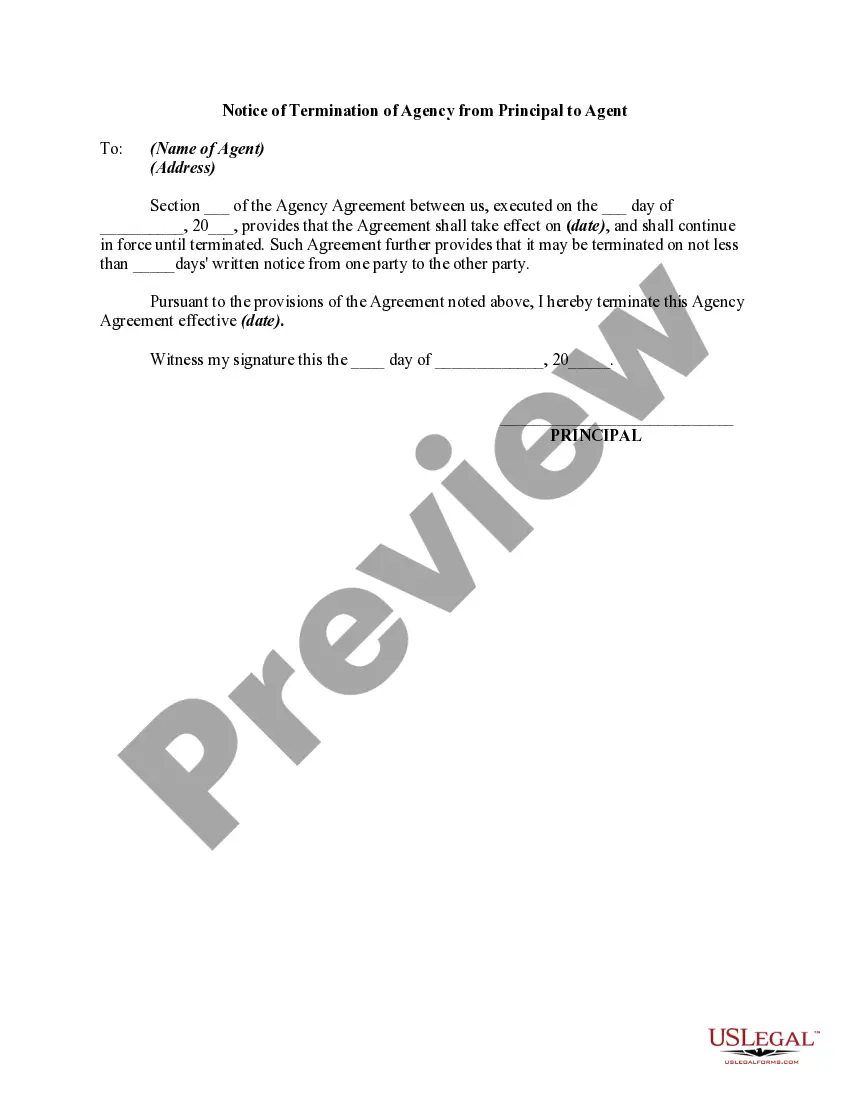
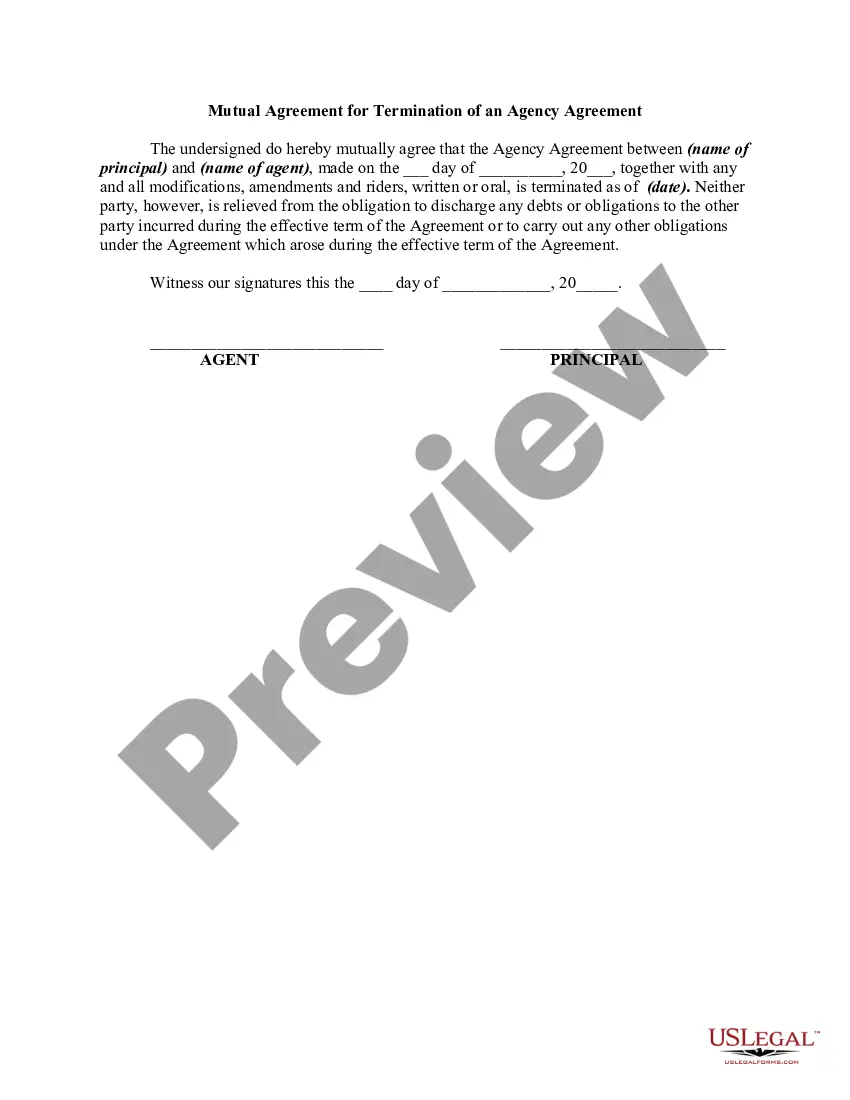
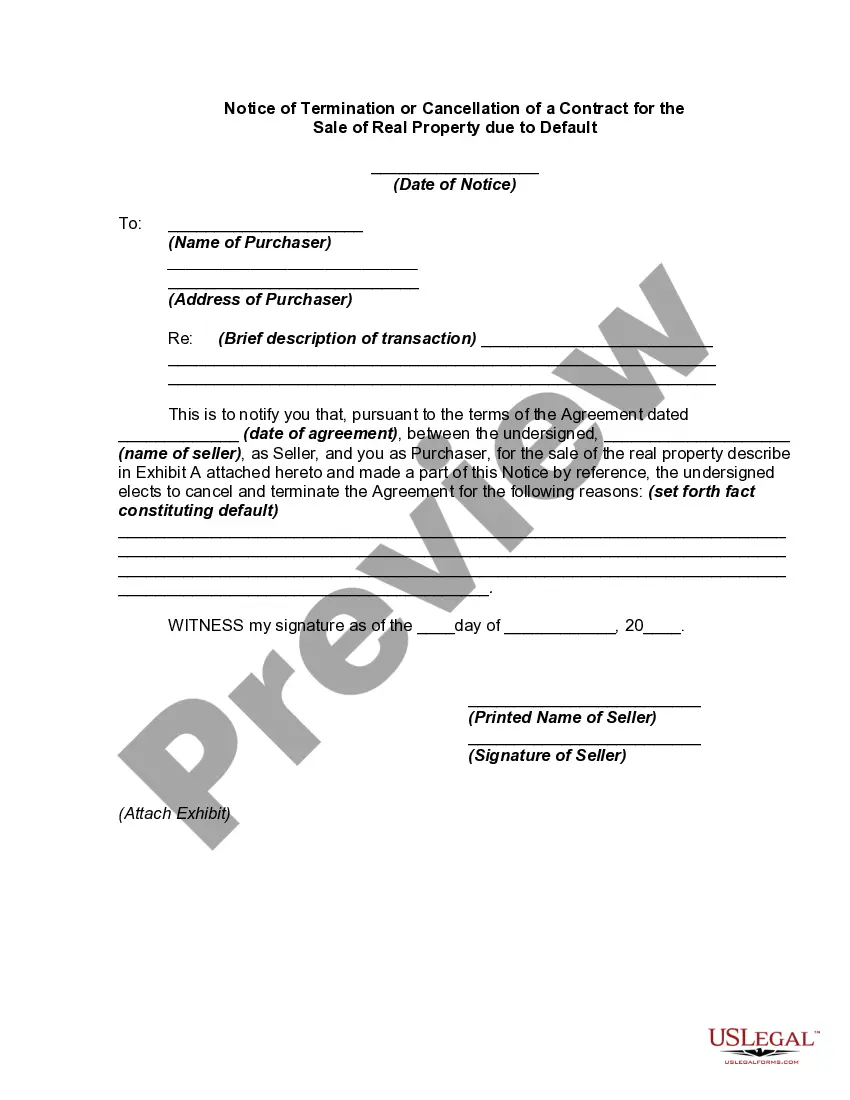
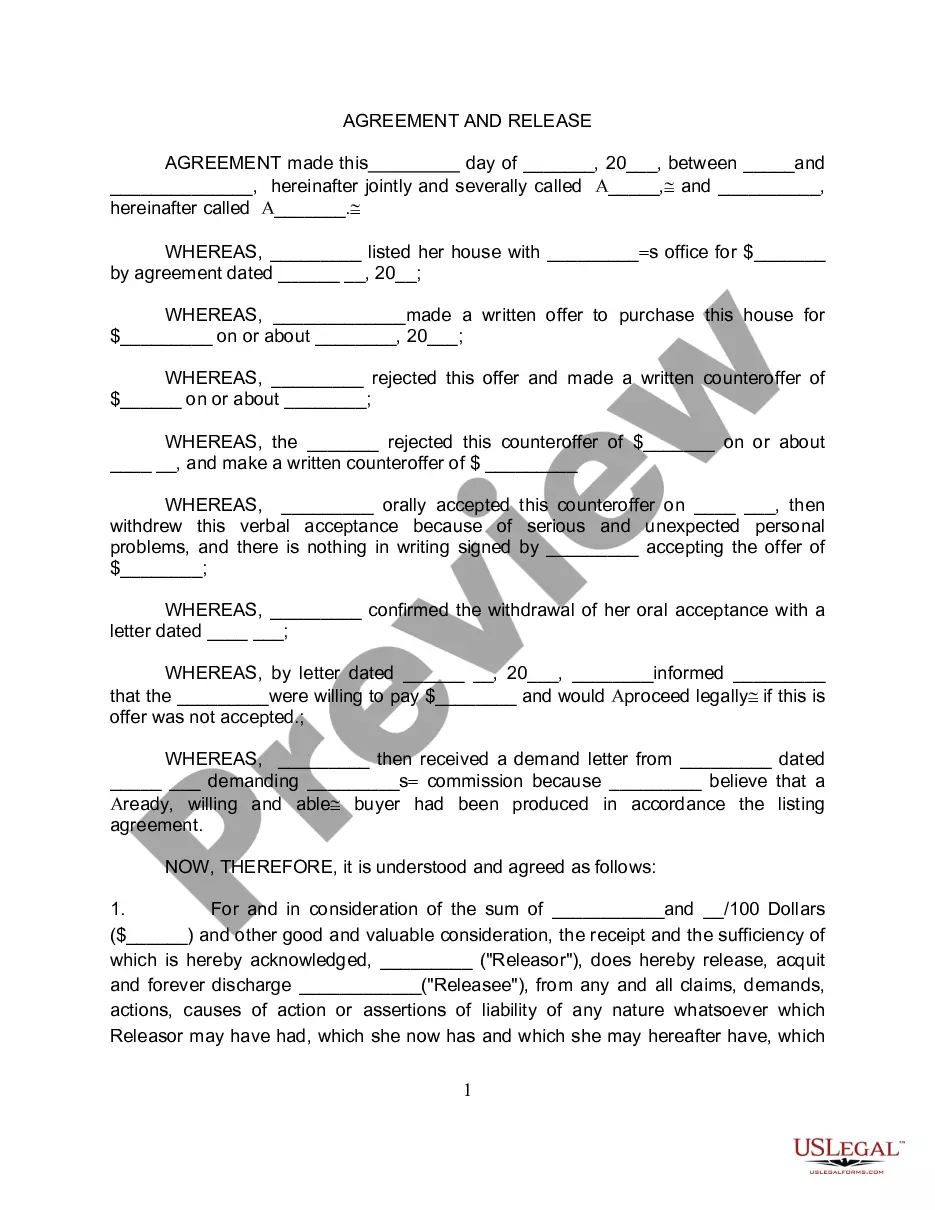
Get your form ready online
Our built-in tools help you complete, sign, share, and store your documents in one place.
Make edits, fill in missing information, and update formatting in US Legal Forms—just like you would in MS Word.
Download a copy, print it, send it by email, or mail it via USPS—whatever works best for your next step.
Sign and collect signatures with our SignNow integration. Send to multiple recipients, set reminders, and more. Go Premium to unlock E-Sign.
If this form requires notarization, complete it online through a secure video call—no need to meet a notary in person or wait for an appointment.
We protect your documents and personal data by following strict security and privacy standards.

Make edits, fill in missing information, and update formatting in US Legal Forms—just like you would in MS Word.

Download a copy, print it, send it by email, or mail it via USPS—whatever works best for your next step.

Sign and collect signatures with our SignNow integration. Send to multiple recipients, set reminders, and more. Go Premium to unlock E-Sign.

If this form requires notarization, complete it online through a secure video call—no need to meet a notary in person or wait for an appointment.

We protect your documents and personal data by following strict security and privacy standards.
Looking for another form?







Form popularity
FAQ
DIVISION OF INSURANCE Parks, Nevada's Acting Commissioner of Insurance, the Division regulates and licenses insurance agents, brokers, and other professionals; sets ethical and financial standards for insurance companies; and reviews rates.
Introduction. Insurance is regulated by the states. This system of regulation stems from the McCarran-Ferguson Act of 1945, which describes state regulation and taxation of the industry as being in “the public interest” and clearly gives it preeminence over federal law. Each state has its own set of statutes and rules.
The Division of Insurance of the Department of Business and Industry is responsible for protecting the rights of Nevada consumers in their experience with the insurance industry and for ensuring the financial solvency of insurers.
FIO has the authority to monitor all aspects of the insurance sector, monitor the extent to which traditionally underserved communities and consumers have access to affordable non-health insurance products, and to represent the United States on prudential aspects of international insurance matters, including at the ...
Yes, you can cancel your car insurance after selling your car once you've signed over the title to the new owner, completed the bill of sale, and submitted a Notice of Release of Liability to your state's department of motor vehicles, if your state requires one.
The Nevada Insurance law states that insurance companies must investigate claims within 20 days of receiving them and must make a decision on the claim within 30 days. If your insurance company is not meeting these deadlines, you may have legal recourse.
A listing agreement should include a termination clause to outline conditions under which the property owner or real estate agent can end the contract early.
Termination clauses can always be customized but standard ones are included in almost every agreement.
First off, without a defined expiration date, you didn't have a ratified listing agreement. Second, in California, as of 2024, you cannot have a listing agreement term for longer than 24 months, and if you essentially had an indefinite listing agreement, this would be unlawful.
If you're set on canceling, send a formal request in writing, either via email or certified letter. Be sure to include your property address, the date, and a clear statement that you're terminating the agreement. If you want to work with a different agent in the future, be clear about the termination timeframe.

