Termination Contract For Breach In Maricopa
Description
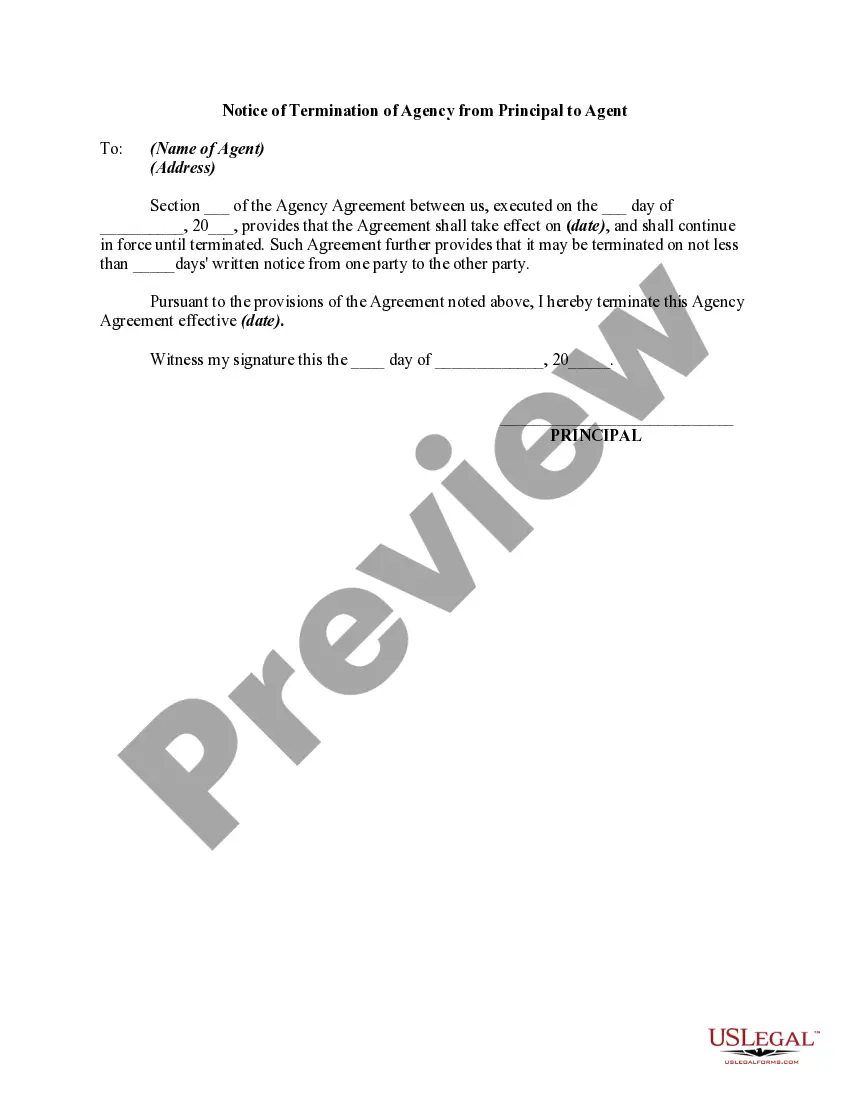
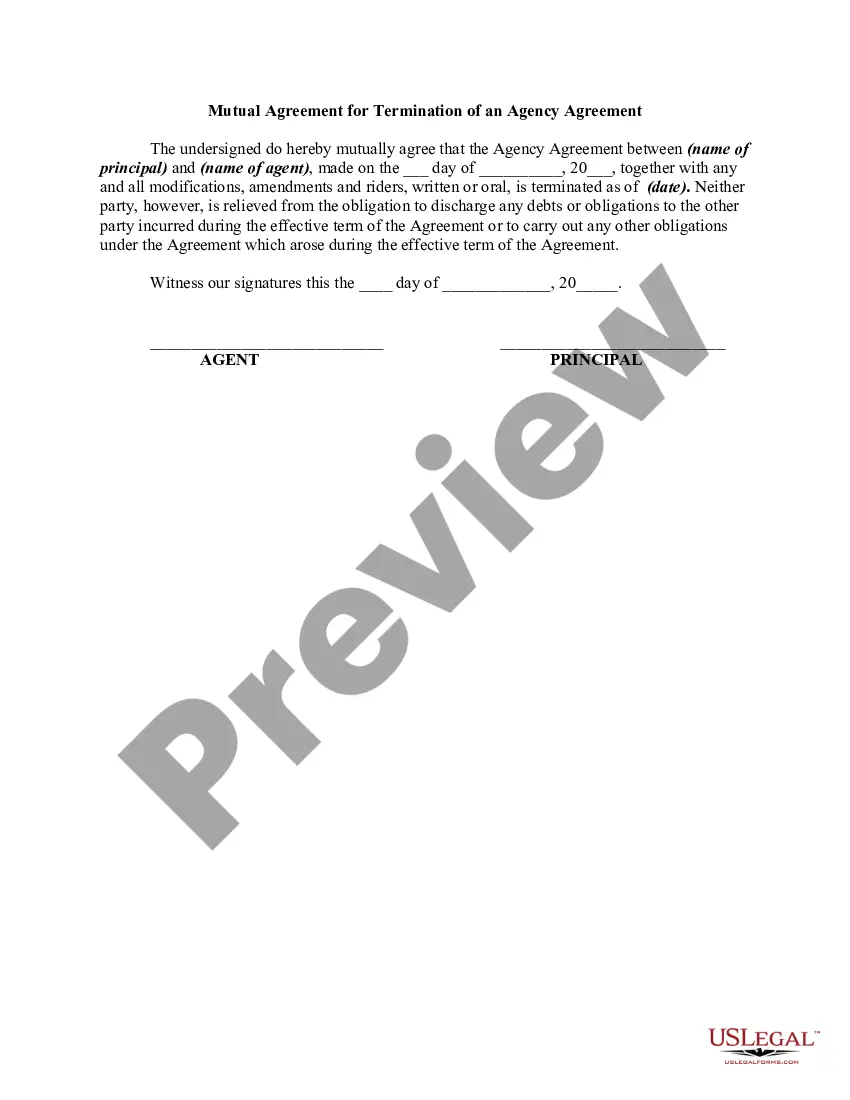
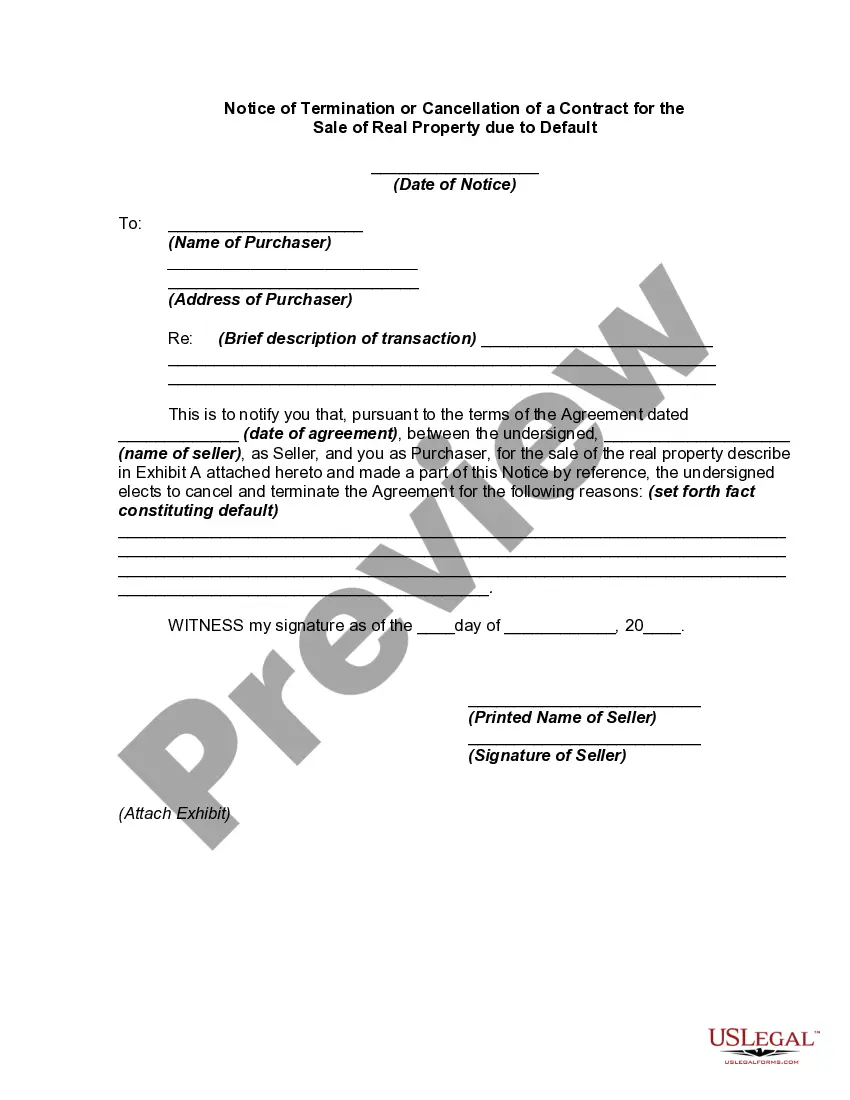

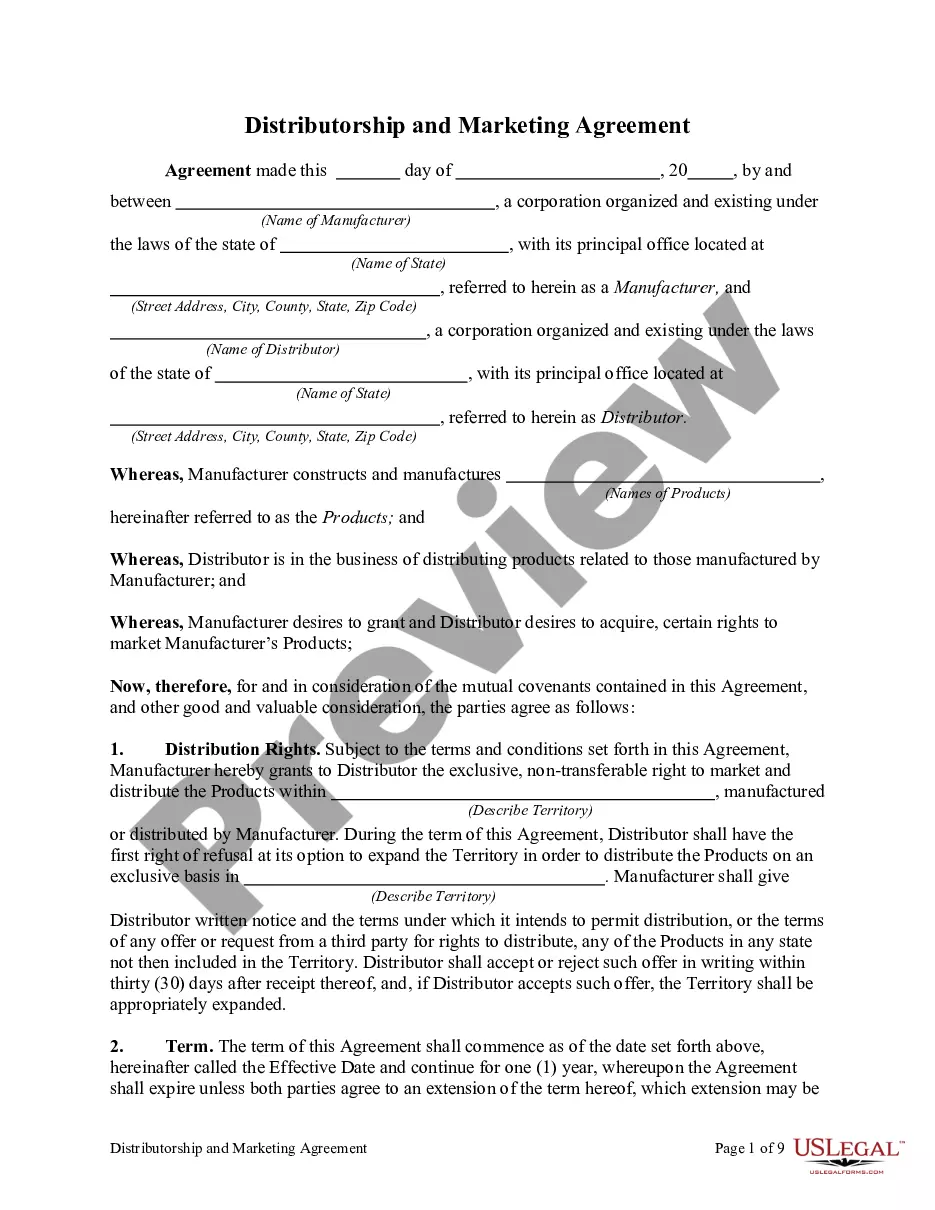
Get your form ready online
Our built-in tools help you complete, sign, share, and store your documents in one place.
Make edits, fill in missing information, and update formatting in US Legal Forms—just like you would in MS Word.
Download a copy, print it, send it by email, or mail it via USPS—whatever works best for your next step.
Sign and collect signatures with our SignNow integration. Send to multiple recipients, set reminders, and more. Go Premium to unlock E-Sign.
If this form requires notarization, complete it online through a secure video call—no need to meet a notary in person or wait for an appointment.
We protect your documents and personal data by following strict security and privacy standards.

Make edits, fill in missing information, and update formatting in US Legal Forms—just like you would in MS Word.

Download a copy, print it, send it by email, or mail it via USPS—whatever works best for your next step.

Sign and collect signatures with our SignNow integration. Send to multiple recipients, set reminders, and more. Go Premium to unlock E-Sign.

If this form requires notarization, complete it online through a secure video call—no need to meet a notary in person or wait for an appointment.

We protect your documents and personal data by following strict security and privacy standards.
Looking for another form?









Form popularity
FAQ
Legal remedies and damages The “overarching goal of contract law is to place the harmed party in the same economic position they would have been in had no breach of contract occurred. As a result, the default remedy available for a breach of contract is monetary damages.”
Remedies for Breach of Contract in Arizona Arizona law, specifically ARS 12-341.01 allows a plaintiff to collect attorney's fees related to a breach of contract claim. However, it also allows the defendant to collect attorney's fees if they win the case.
A breach or inaccuracy of a representation or warranty can also provide the other party with a right to terminate or refuse to close the transaction.
Under Title VII of the Civil Rights Act of 1964 and Arizona civil rights laws, it is illegal to terminate employment based on factors such as race, gender, sexual orientation, age, disability, religion, national origin, pregnancy, or genetic information. Employment contract breaches.
In other cases, contracts are created with an expiration period, after which they are no longer valid. However, contracts may also be terminated in the event of a breach.
A breach of contract occurs when a participating party is unable or unwilling to meet the terms of the contract. Under these circumstances, the non-breaching party may choose to initiate a termination of contract, thereby releasing themselves from the contractual obligations to the breaching party.
The obligations under the contract continue to be binding. When the breach of contract is a serious breach or a breach of an essential term, the other party will have a right to terminate the contract or keep the contract going.
If one party neglects to fulfill the obligations outlined in the document, the non-breaching party may elect to terminate the contract. This may occur because the breaching party was unable to fulfill their responsibilities, or they did not fulfill them to the standard outlined and expected by their contract.
When a material breach occurs, you have the option of compelling performance, collecting damages, or even terminating the contract if it is so written.

