Cancellation Terms And Conditions Template In Houston
Description
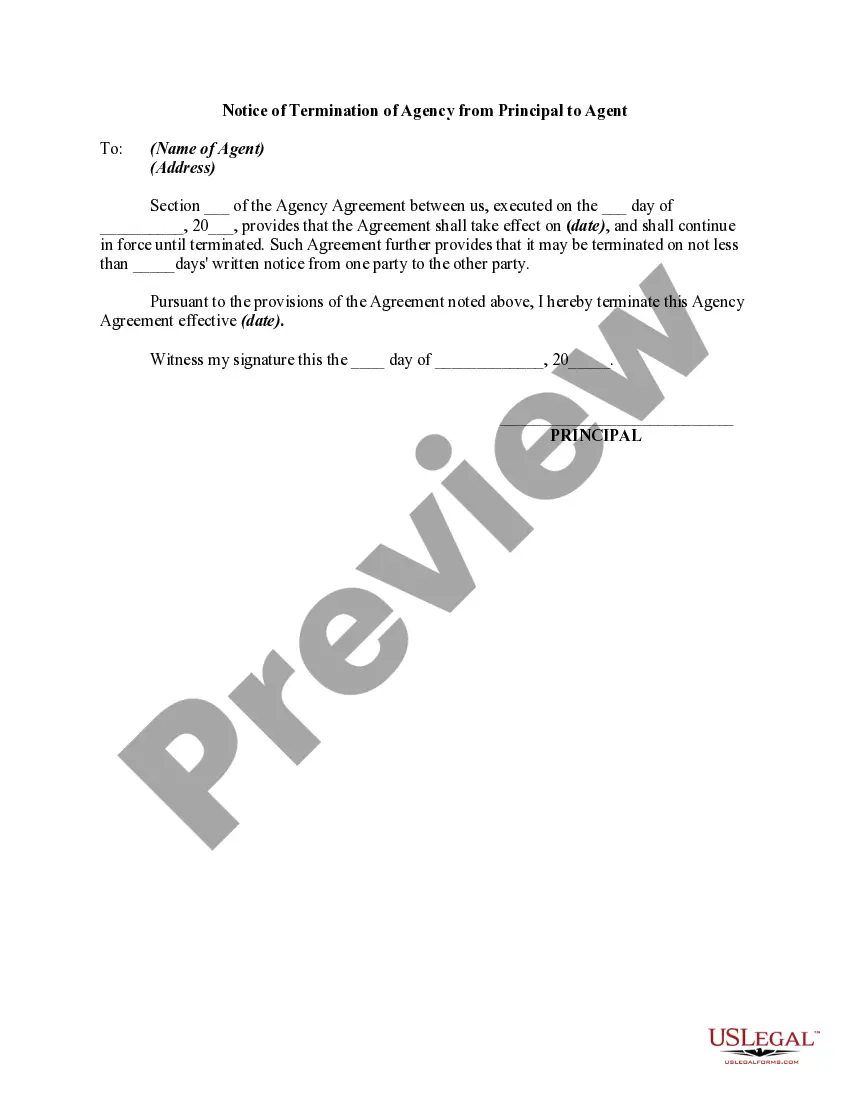
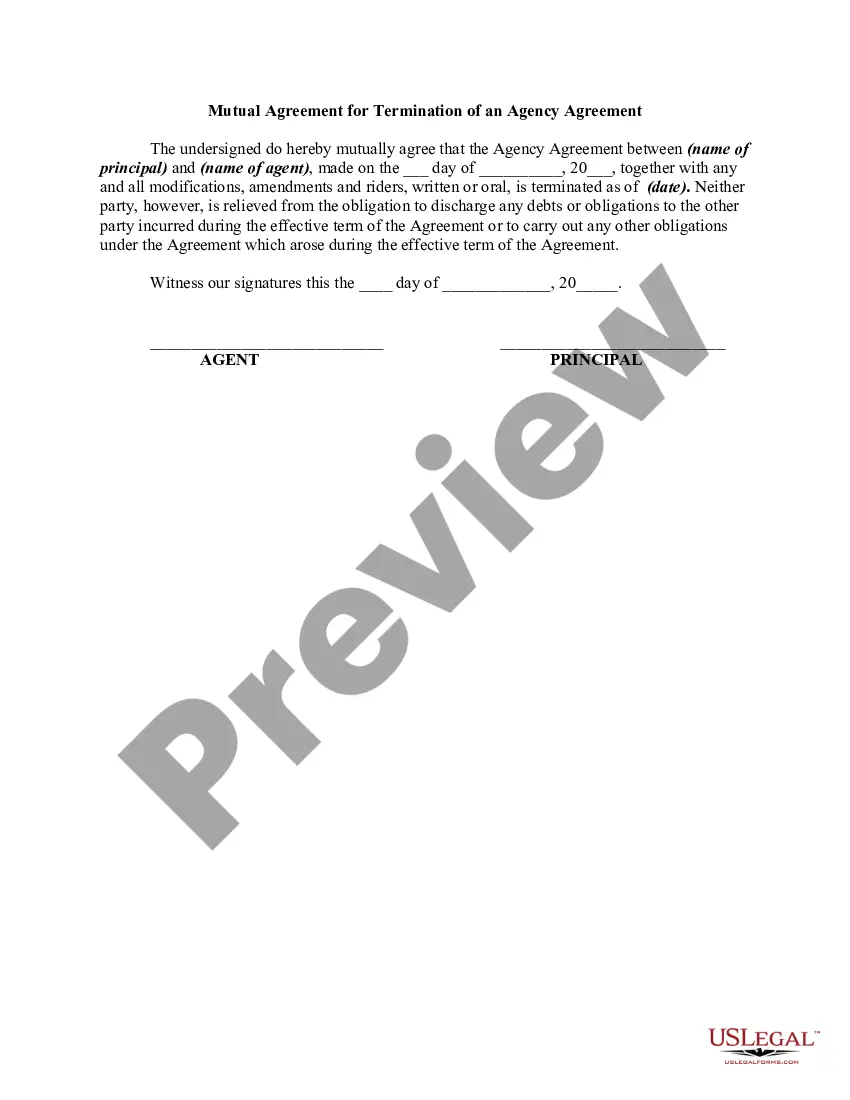
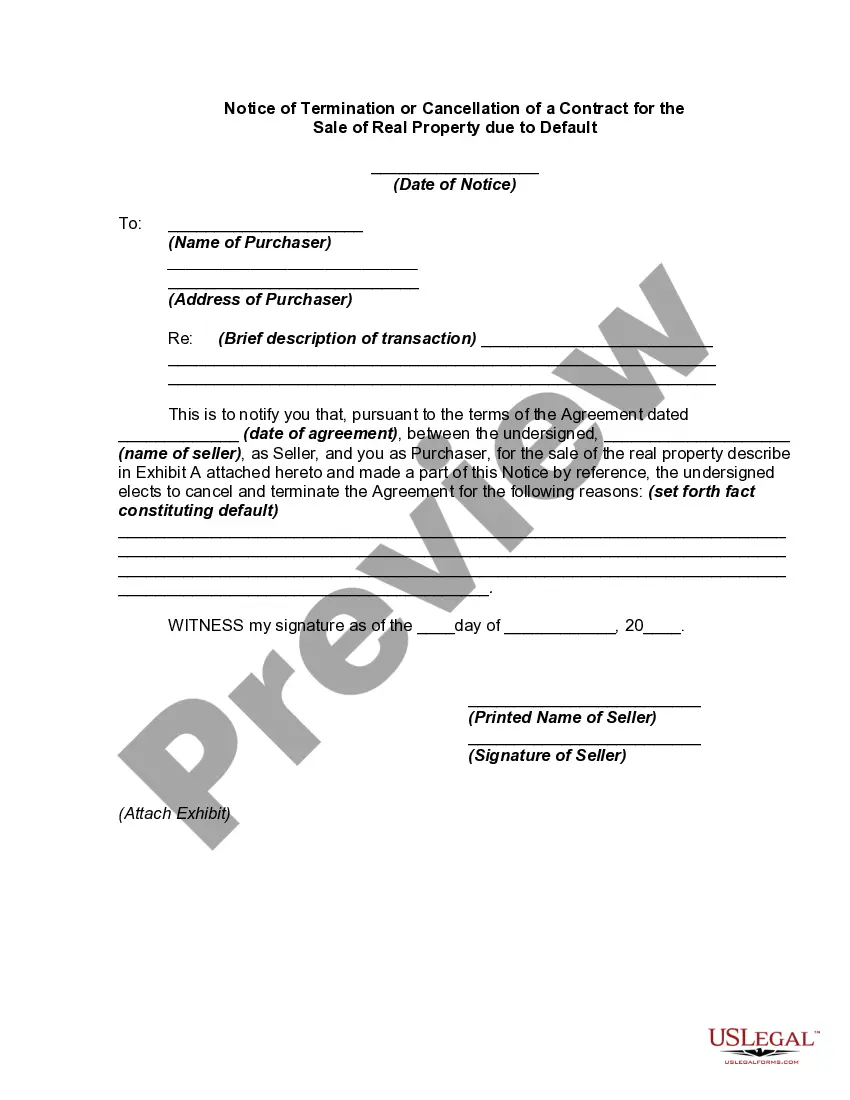
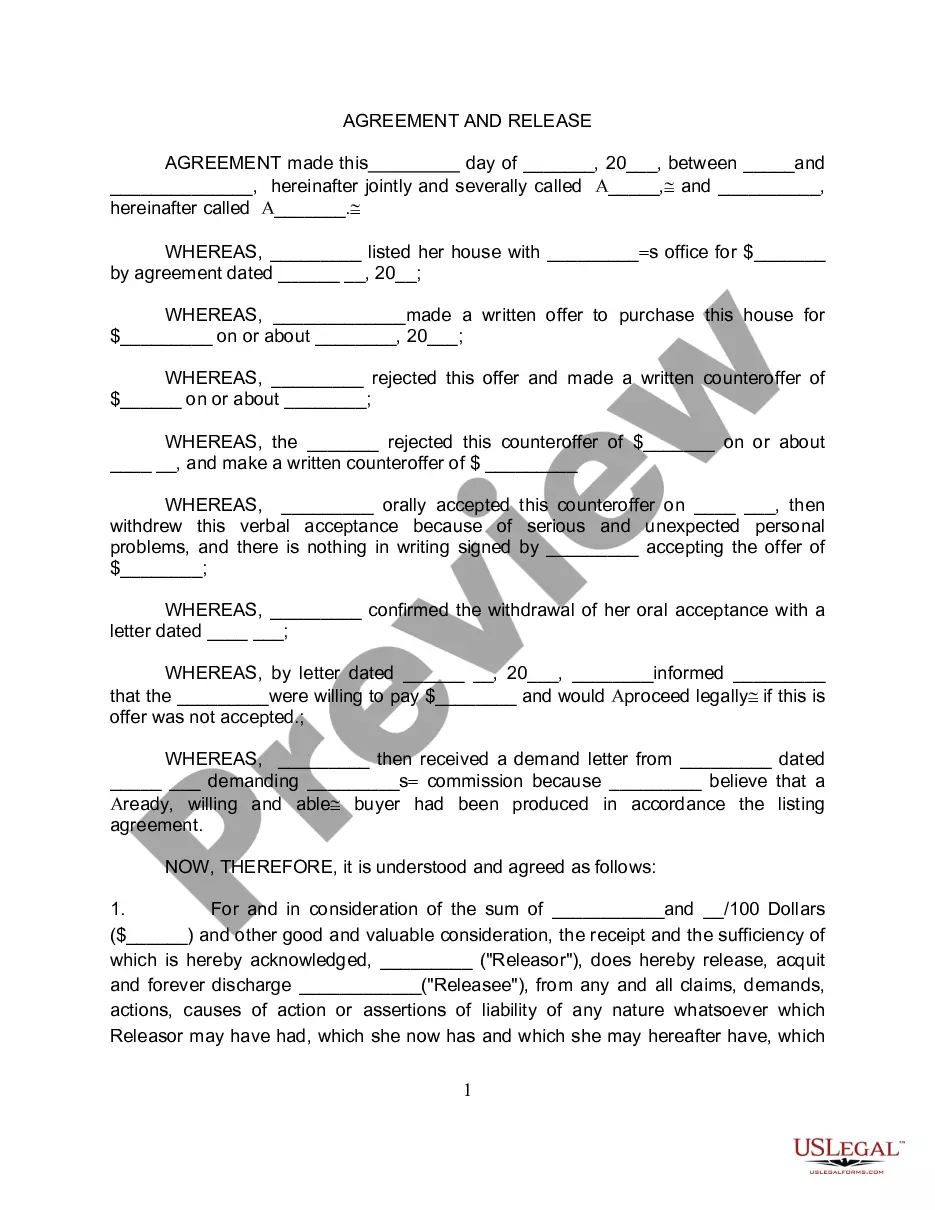
Get your form ready online
Our built-in tools help you complete, sign, share, and store your documents in one place.
Make edits, fill in missing information, and update formatting in US Legal Forms—just like you would in MS Word.
Download a copy, print it, send it by email, or mail it via USPS—whatever works best for your next step.
Sign and collect signatures with our SignNow integration. Send to multiple recipients, set reminders, and more. Go Premium to unlock E-Sign.
If this form requires notarization, complete it online through a secure video call—no need to meet a notary in person or wait for an appointment.
We protect your documents and personal data by following strict security and privacy standards.

Make edits, fill in missing information, and update formatting in US Legal Forms—just like you would in MS Word.

Download a copy, print it, send it by email, or mail it via USPS—whatever works best for your next step.

Sign and collect signatures with our SignNow integration. Send to multiple recipients, set reminders, and more. Go Premium to unlock E-Sign.

If this form requires notarization, complete it online through a secure video call—no need to meet a notary in person or wait for an appointment.

We protect your documents and personal data by following strict security and privacy standards.
Looking for another form?








Form popularity
FAQ
Homeowners who enter into contracts with contractors to improve, remodel or repair their homes almost always have a right to cancel the contract, without any penalty or obligation, within three business days after signing the contract.
How much time do you have to change your mind after signing a contract? The FTC's three day “cooling off” period allows consumers to void a contract they have signed within three business days without incurring any penalties.
A federal law allows consumers to cancel contracts made with a door-to-door salesperson or anywhere other than the seller's normal place of business within three days of signing. The three-day period is called a "cooling off" period.
Either party may terminate this Agreement at any time after insert time period after which agreement can be terminated, e.g., one (1) year, with or without cause, by written notice to the other, such termination to become effective number, e.g., sixty (60) days after receipt of such notice.
You can get out of a binding contract under certain circumstances. There are seven key ways you can get out of contracts: mutual consent, breach of contract, contract rescission, unconscionability, impossibility of performance, contract expiration, and voiding a contract.
To clearly communicate this information, every cancellation policy template should include these key elements: A timeframe to cancel a service with or without penalty. A late cancellation penalty. Contact information for cancellations. A place for a signature.
An effective cancellation policy should detail time frames for cancellations, specify associated late cancellation fees, address last-minute cancellations, and provide guidance for handling unavoidable emergencies.
Therefore, a cancellation clause is an entry in an agreement that defines who can cancel the contract as well as why and how. A good and common contract cancellation clause example is in insurance contracts, as it details how a policyholder can cancel their contract with the insurer.

