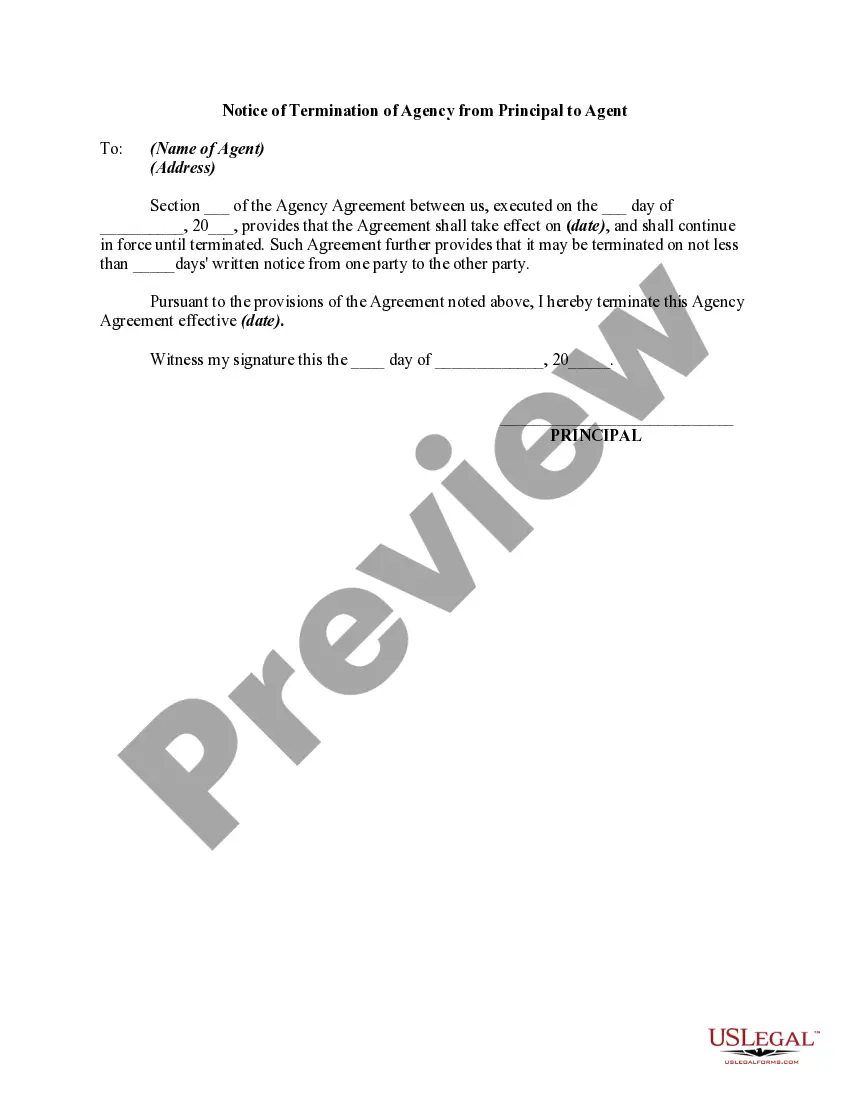
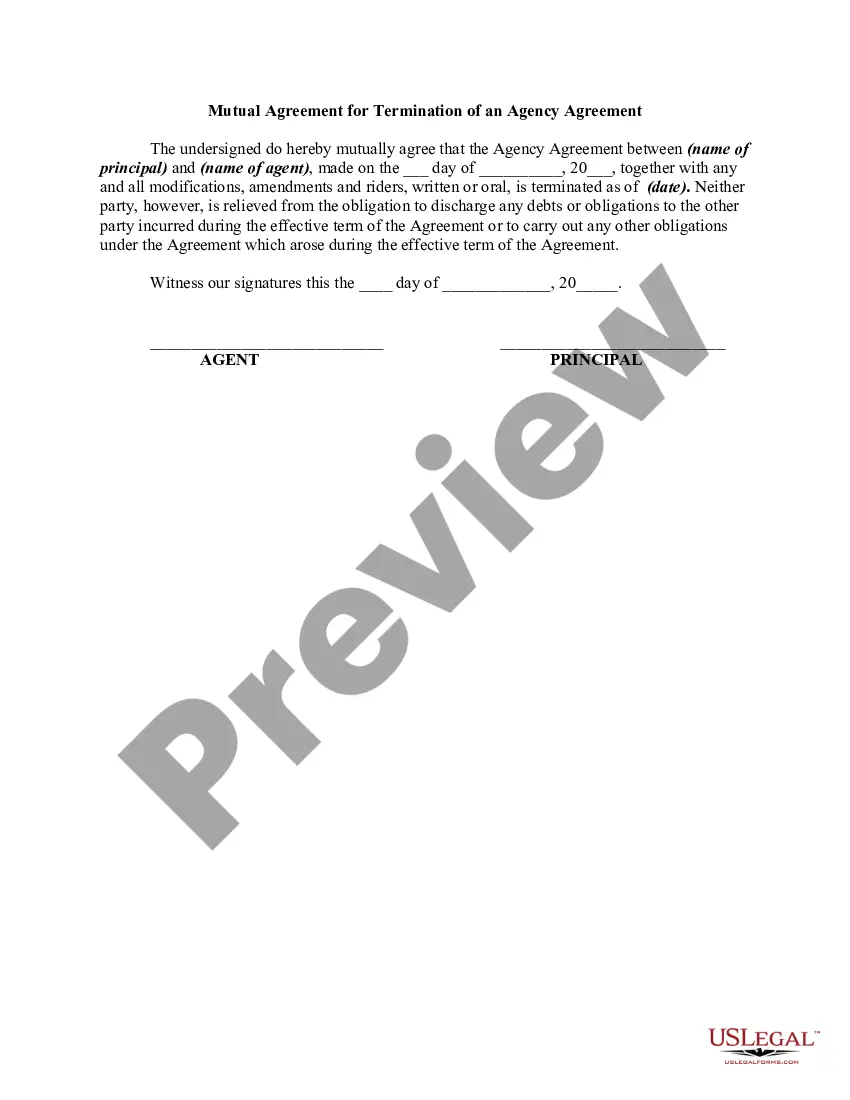
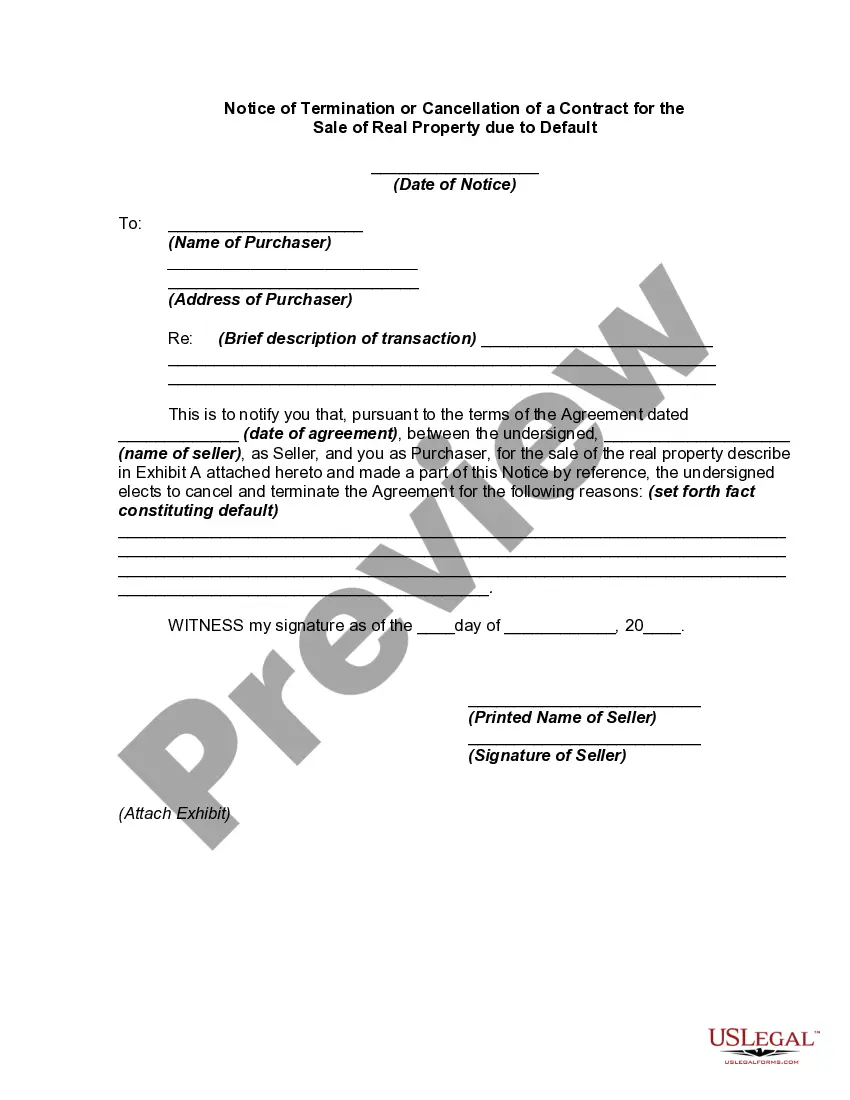
Contract Termination With Cause In Dallas
Description

Get your form ready online
Our built-in tools help you complete, sign, share, and store your documents in one place.
Make edits, fill in missing information, and update formatting in US Legal Forms—just like you would in MS Word.
Download a copy, print it, send it by email, or mail it via USPS—whatever works best for your next step.
Sign and collect signatures with our SignNow integration. Send to multiple recipients, set reminders, and more. Go Premium to unlock E-Sign.
If this form requires notarization, complete it online through a secure video call—no need to meet a notary in person or wait for an appointment.
We protect your documents and personal data by following strict security and privacy standards.

Make edits, fill in missing information, and update formatting in US Legal Forms—just like you would in MS Word.

Download a copy, print it, send it by email, or mail it via USPS—whatever works best for your next step.

Sign and collect signatures with our SignNow integration. Send to multiple recipients, set reminders, and more. Go Premium to unlock E-Sign.

If this form requires notarization, complete it online through a secure video call—no need to meet a notary in person or wait for an appointment.

We protect your documents and personal data by following strict security and privacy standards.
Looking for another form?









Form popularity
FAQ
Conversely, being fired with cause means the employee committed a serious breach of conduct in their workplace, which led to their termination. “My employer didn't even tell me why I was fired.” “My employer lied about why I was fired.” “I got fired from my job for no reason.” “I was fired without any warning.”
Termination for cause is the dismissal of an employee for a satisfactory reason. An employee may be fired for various reasons that may include misconduct, fraud and disclosure of confidential information.
Termination for cause is the dismissal of an employee for a satisfactory reason. An employee may be fired for various reasons that may include misconduct, fraud and disclosure of confidential information.
Write a termination of contract notice Regardless of what your grounds are, notice is required to terminate any contract. Typically, this notice will come in the form of a written document that clearly explains your decision to terminate the contract, why you wish to do so, and on what grounds.
When a person gets terminated for cause in Texas, it means that they get dismissed for what is considered a satisfactory reason. This could include the disclosure of confidential information, fraud or misconduct. The word “cause” in this context defines the reason why a person gets fired.
The following are just causes for termination: Serious misconduct or willful disobedience; Gross and habitual neglect of duties; Fraud or willful breach of trust; Commission of a crime or offense by the employee against his/her employer, the employer's immediate family or his/her duly authorized representatives; and.
Write a termination of contract notice Regardless of what your grounds are, notice is required to terminate any contract. Typically, this notice will come in the form of a written document that clearly explains your decision to terminate the contract, why you wish to do so, and on what grounds.
Contracts can be terminated voluntarily (for convenience) or involuntarily (for cause), often requiring proper notice. Common grounds for involuntary termination include breach of contract, misrepresentation, and impossibility of performance.
How a Contract can be Terminated? In ance with your contract. A contract may allow a party or both parties to elect to bring it to an end, for no specific reason. Termination for breach of contract. Discharge by agreement. Recission. Force majeure. Frustration. Void contract.
Just causes refer to situations where the employee has committed acts that warrant termination due to misconduct or failure to meet obligations. These causes are well-delineated under Article 297 of the Labor Code.

