Terminated Contract With In Bexar
Description
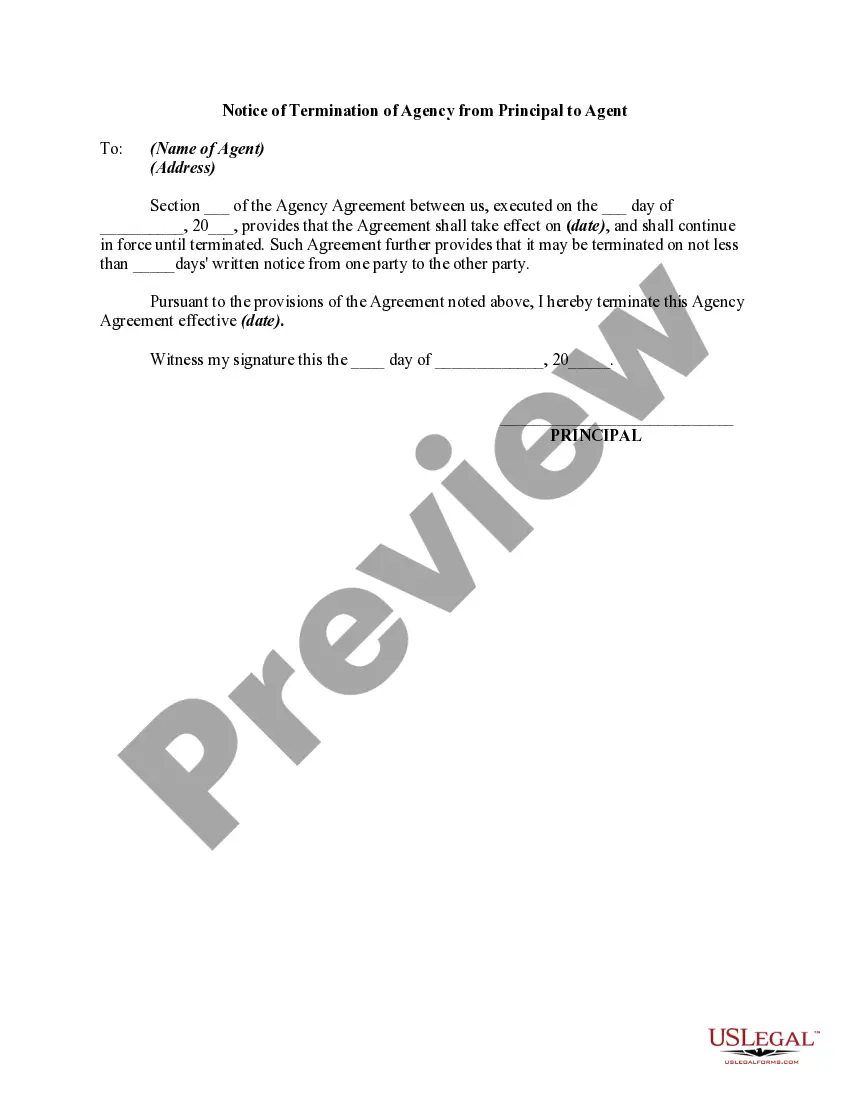
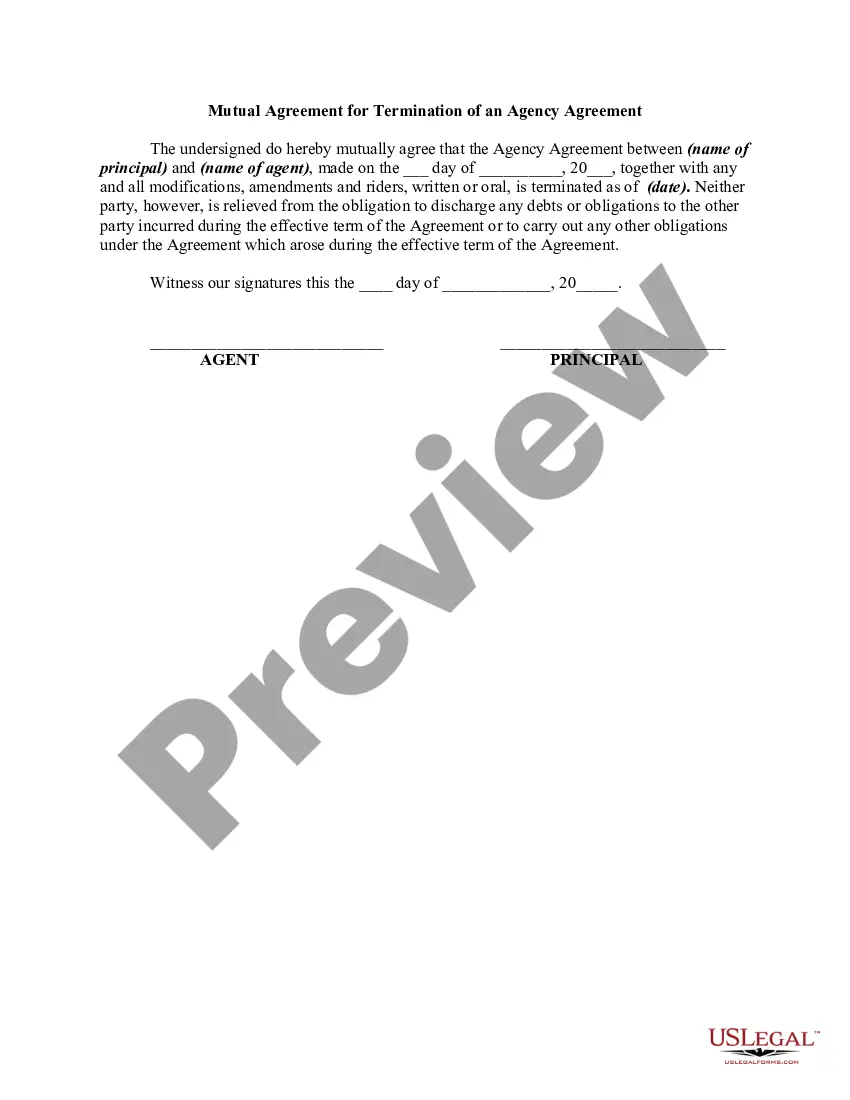
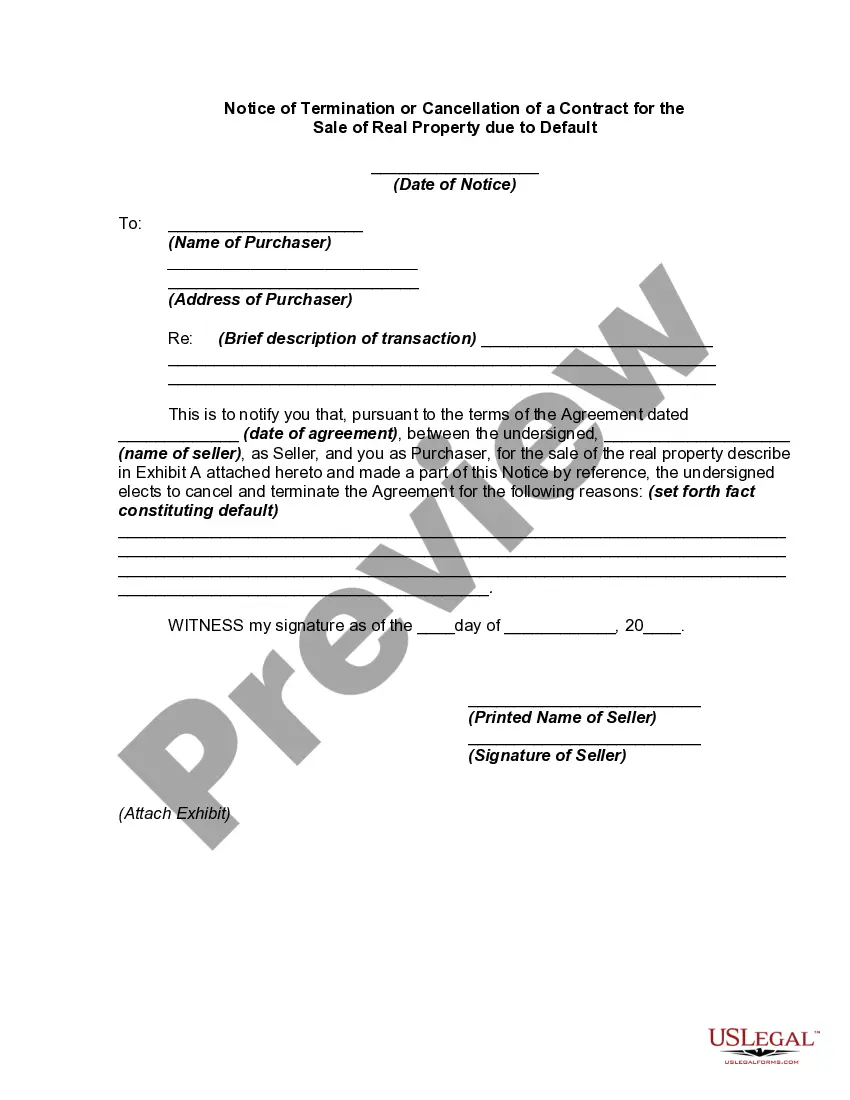

Get your form ready online
Our built-in tools help you complete, sign, share, and store your documents in one place.
Make edits, fill in missing information, and update formatting in US Legal Forms—just like you would in MS Word.
Download a copy, print it, send it by email, or mail it via USPS—whatever works best for your next step.
Sign and collect signatures with our SignNow integration. Send to multiple recipients, set reminders, and more. Go Premium to unlock E-Sign.
If this form requires notarization, complete it online through a secure video call—no need to meet a notary in person or wait for an appointment.
We protect your documents and personal data by following strict security and privacy standards.

Make edits, fill in missing information, and update formatting in US Legal Forms—just like you would in MS Word.

Download a copy, print it, send it by email, or mail it via USPS—whatever works best for your next step.

Sign and collect signatures with our SignNow integration. Send to multiple recipients, set reminders, and more. Go Premium to unlock E-Sign.

If this form requires notarization, complete it online through a secure video call—no need to meet a notary in person or wait for an appointment.

We protect your documents and personal data by following strict security and privacy standards.
Looking for another form?
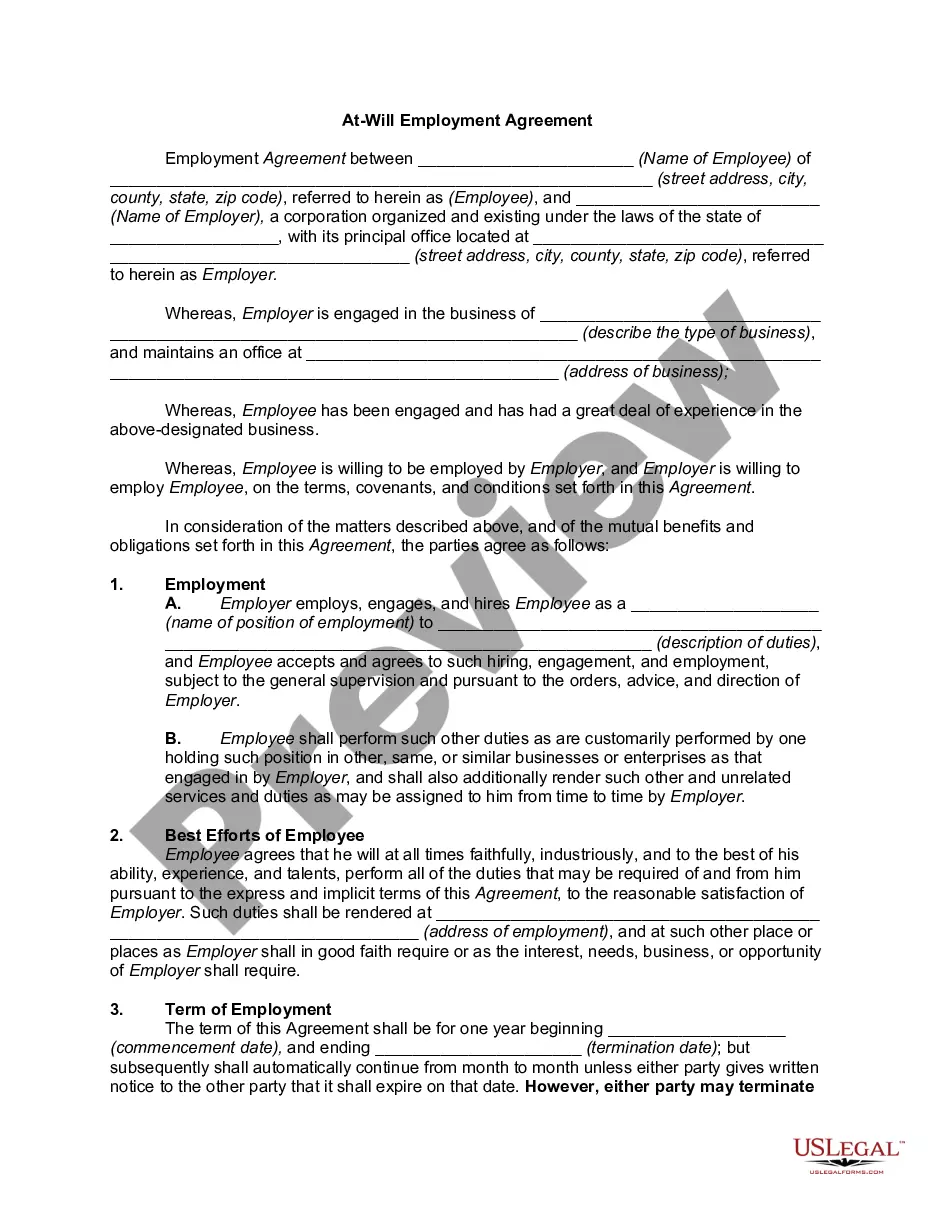






Form popularity
FAQ
This means that one or more parties have made the decision to conclude the contract earlier than they had originally agreed when drafting and signing it. If a contract is terminated, all parties will be freed from their responsibilities and obligations. This is also known as discharging a contract.
Comment: A termination without cause provision (also called a “termination for convenience” clause) permits one or both parties to terminate the agreement at any time after an initial contracting period.
The Right to Terminate a Contract If a contract does not have a termination clause, the involved parties may then defer to common law to find grounds for termination. The binding terms of a contract are not just words on a page; they are an extension of the law regarding contractual relationships.
In the business context, there may be a few other ways to get out of your contract: Send a letter to the other party asking to cancel the contract, Assert the Texas three-day right of rescission rule, or. Breach the contract.
Contract end by performance. A contract can end when the parties have done all that the contract requires of them. Contract end by agreement. A contract can end when both parties agree to end it before the work is complete. Contract end by frustration. Contract end for convenience. Contract end due to a breach.
Given the uncertainty and potential costs, all contracts of an ongoing nature should have clear termination provisions allowing either party to terminate with a specified period of notice.
If a contract does not have a termination clause, the involved parties may then defer to common law to find grounds for termination. The binding terms of a contract are not just words on a page; they are an extension of the law regarding contractual relationships.
1) Breach of Contract A common ground of wrongful termination lawsuits in California is that the firing breached the employment contract. It is not necessary that there be a written contract.
An employee or employer can decide to end ('terminate') an employment contract. This may be done by: an employee resigning. an employer dismissing an employee.
Steps to Getting Out of an Employment Contract Step One: Speak to an Attorney. Step Two: Take Stock of Your Post-Employment Opportunities and Resources. Step Three: Give Your Employer Notice. Step Four: Make Sure You Have Written Evidence of Any Resolutions with Your Employer.

