Competition Non Competition With Friends In Wayne
Description

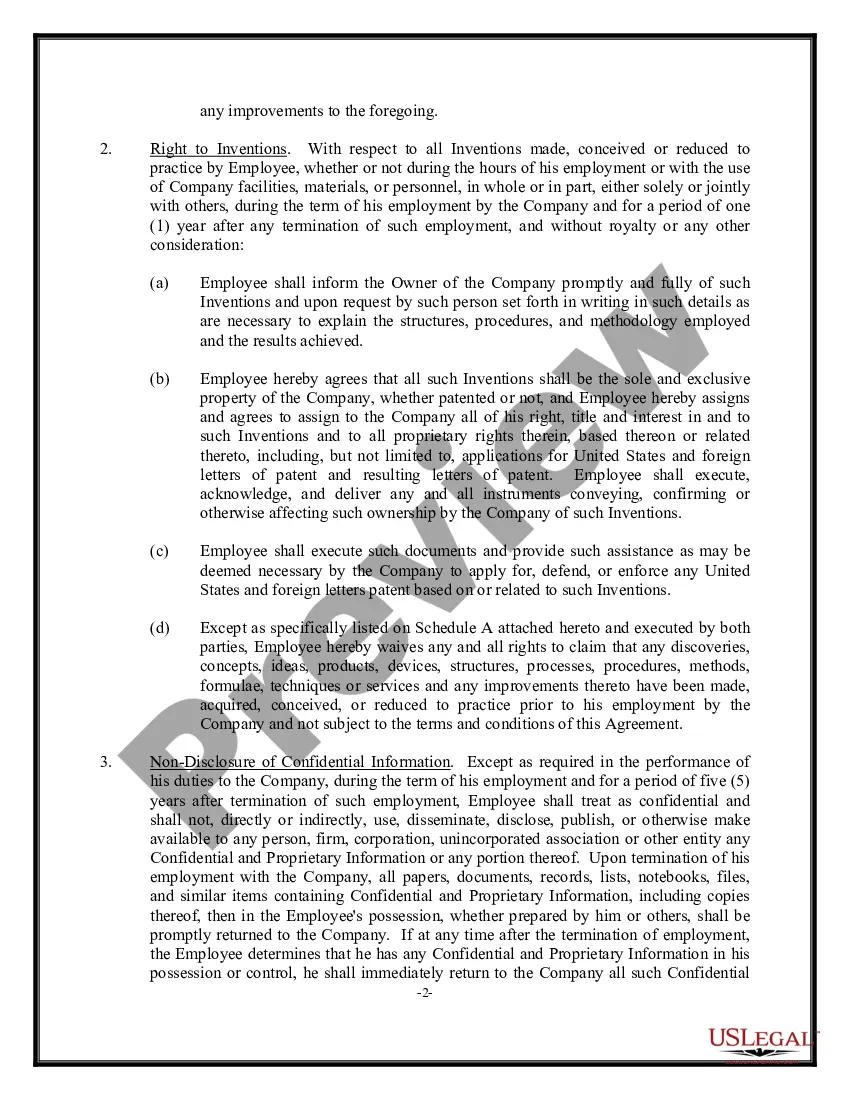
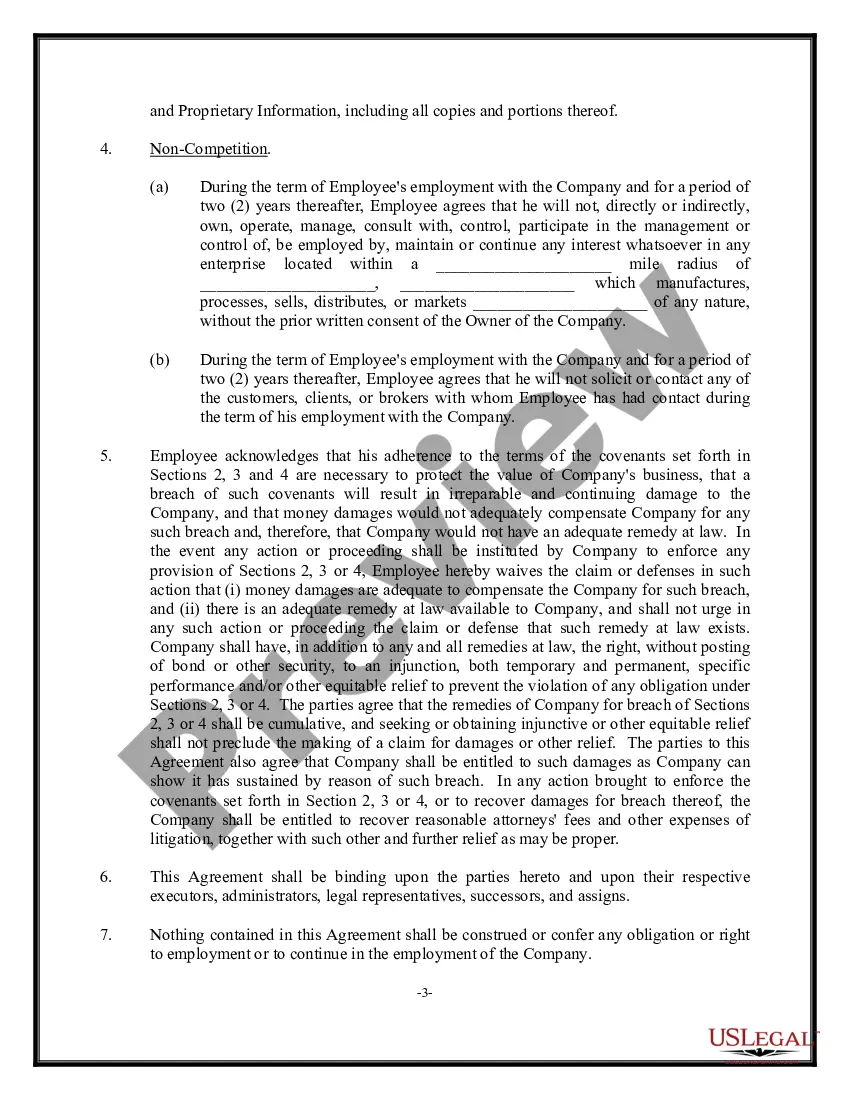
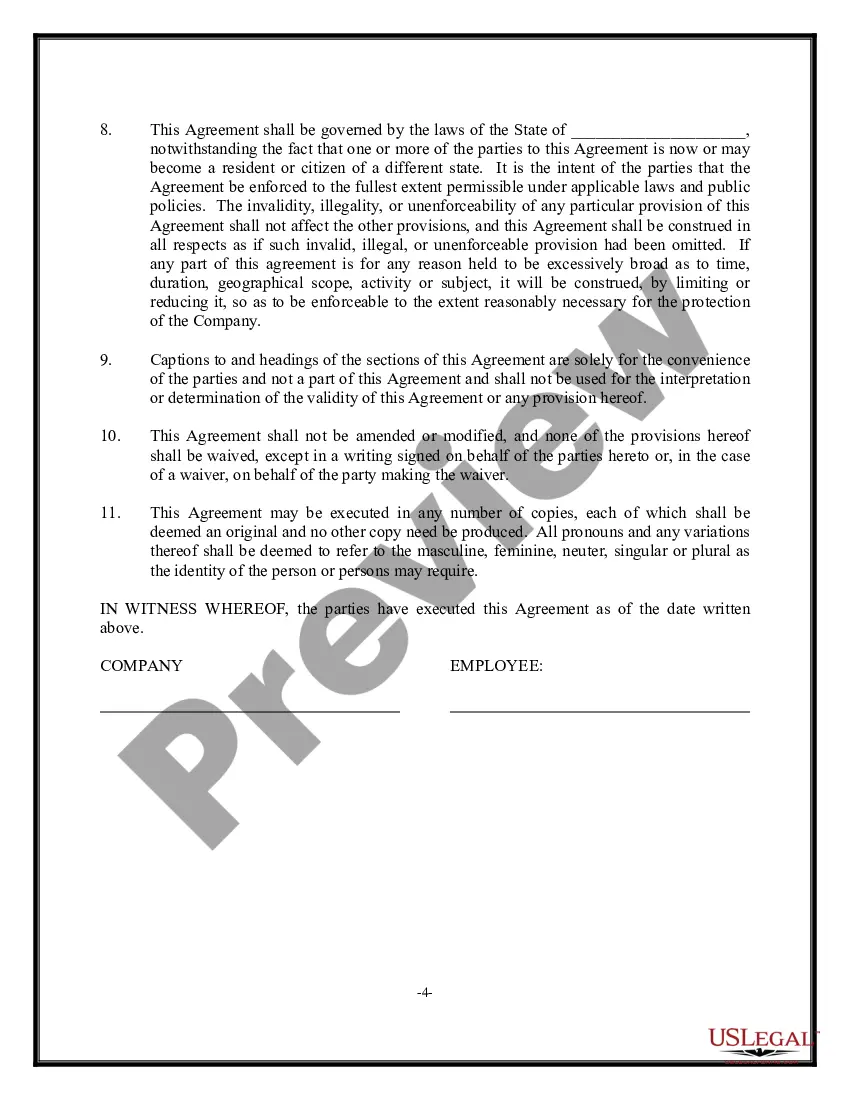
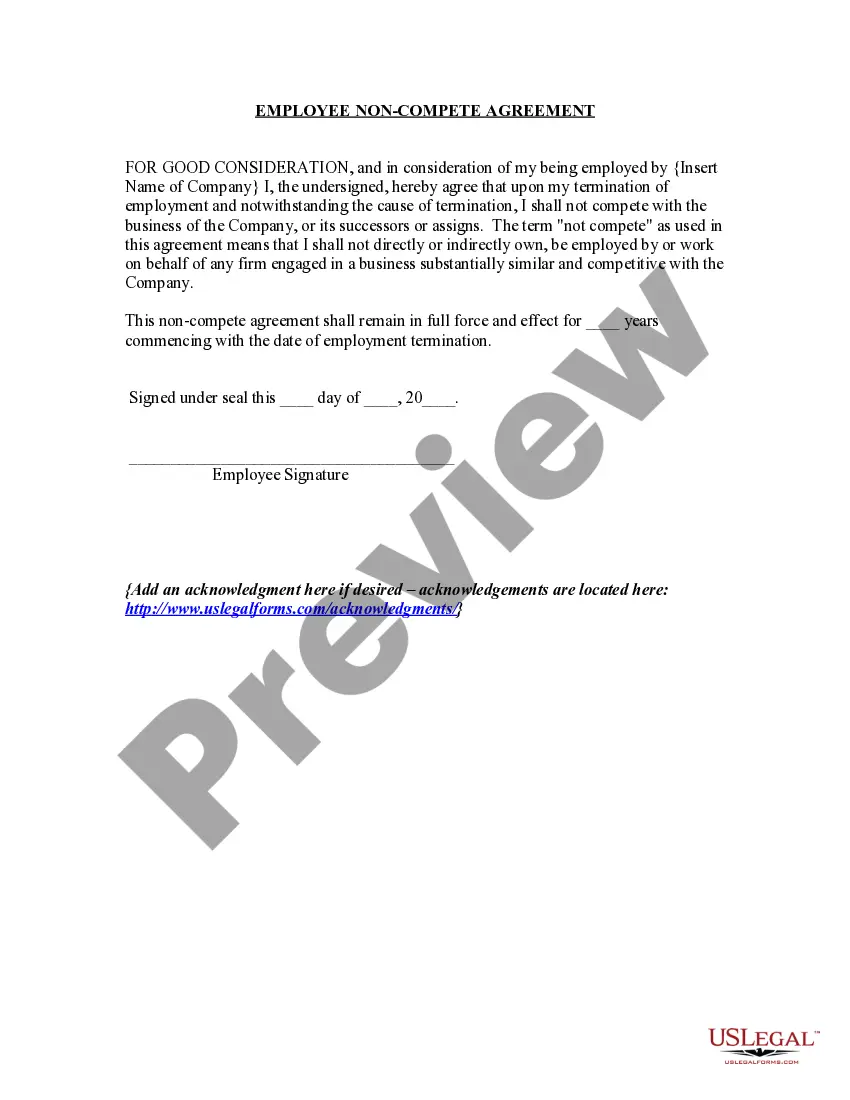
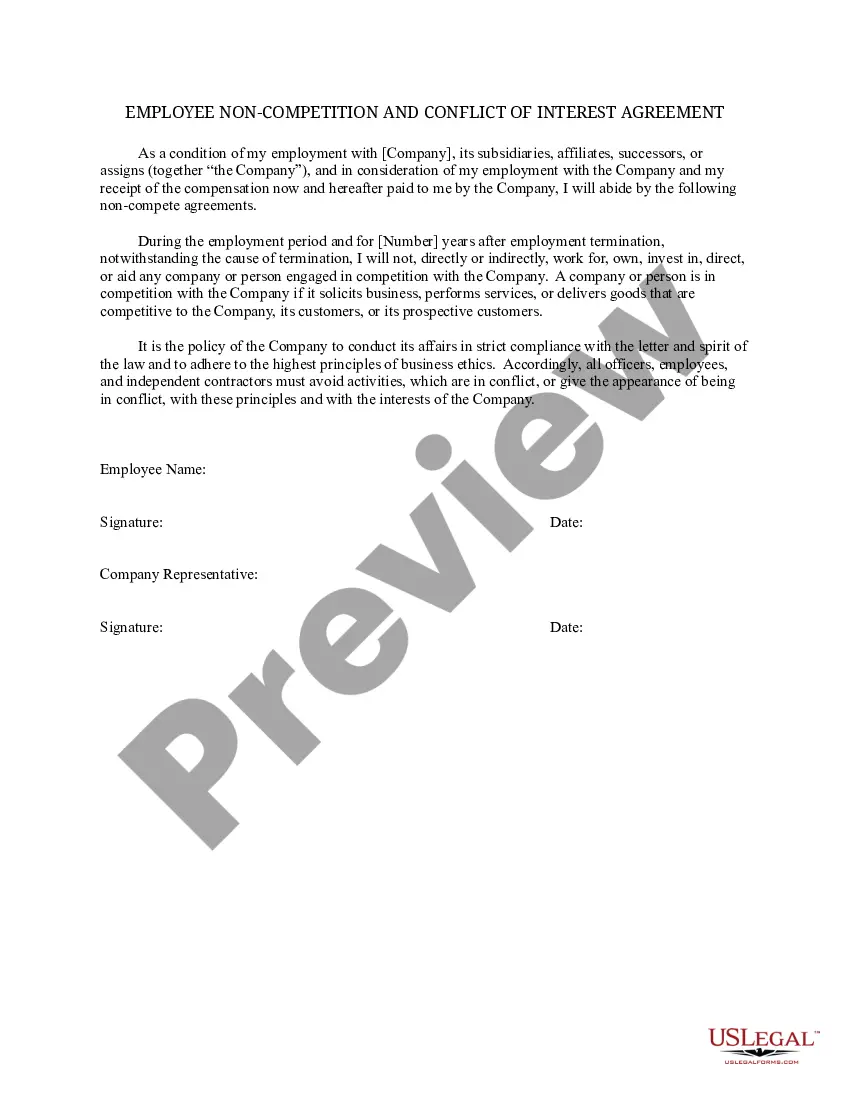
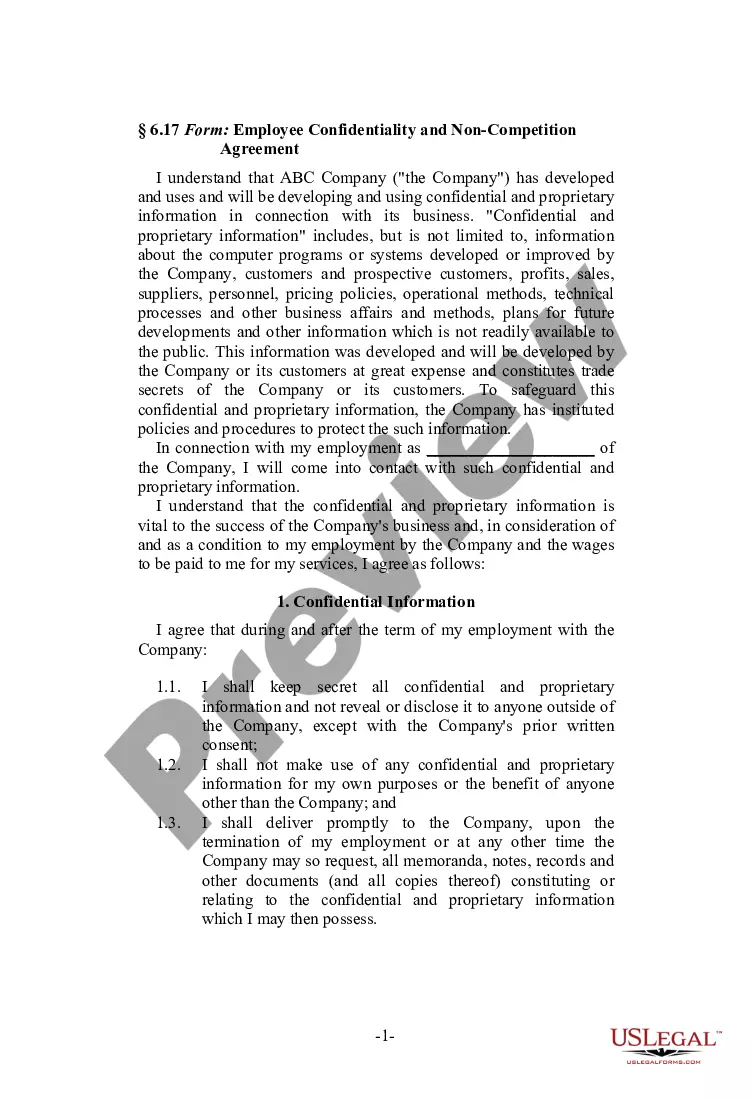
Get your form ready online
Our built-in tools help you complete, sign, share, and store your documents in one place.
Make edits, fill in missing information, and update formatting in US Legal Forms—just like you would in MS Word.
Download a copy, print it, send it by email, or mail it via USPS—whatever works best for your next step.
Sign and collect signatures with our SignNow integration. Send to multiple recipients, set reminders, and more. Go Premium to unlock E-Sign.
If this form requires notarization, complete it online through a secure video call—no need to meet a notary in person or wait for an appointment.
We protect your documents and personal data by following strict security and privacy standards.

Make edits, fill in missing information, and update formatting in US Legal Forms—just like you would in MS Word.

Download a copy, print it, send it by email, or mail it via USPS—whatever works best for your next step.

Sign and collect signatures with our SignNow integration. Send to multiple recipients, set reminders, and more. Go Premium to unlock E-Sign.

If this form requires notarization, complete it online through a secure video call—no need to meet a notary in person or wait for an appointment.

We protect your documents and personal data by following strict security and privacy standards.
Looking for another form?










Form popularity
FAQ
The enforceability of non-compete agreements always depends on the facts of the case. If you violate the terms of the agreement, your employer may seek injunctive relief or monetary, punitive, or compensatory damages.
Several factors can void or limit the enforceability of a non-compete agreement, including overly broad restrictions, unreasonable time frames or geographical limits, lack of consideration (such as compensation or job opportunities provided in exchange for the agreement), and violation of public policy.
The following are the most common ways to get out of a non-compete agreement: Determine that the terms of the contract do not in fact prevent you from a desired course of action. Recognize when a non-compete contradicts the law. Negotiate a release agreement with the involved parties. Ignore the agreement.
In general, non-compete agreements are not enforceable in California. The state's public policy favors employee mobility and competition, and California Business and Professions Code Section 16600 generally voids non-compete clauses in employment contracts.
Yes. It affects everyone in the US, it's a federal ruling. You simply will not have any more non compete clauses in any employment agreements, outside the handful of given exceptions. That does not mean your employer has to tolerate your working for a competitor, however. You will just be subject to termination.
5 Ways to Defeat a New York Non-Compete Agreement Fired Without Cause. If your employer is not willing to employ you, courts generally will not enforce a non-compete agreement. The Legitimate Business Interests Test. Unclean Hands – Breach of Contract by Employer. The Janitor Rule. There Is No Competition.
Key Takeaways. A non-compete agreement legally binds a current or former employee from competing with an employer for a specific time after employment ceases. Under such an agreement, the employee must not reveal any trade secrets learned during or after employment.
The main purpose of them is so that the company can threaten legal action and make you afraid to take the job or to do anything vaguely damaging to them if you do. You should always tell the new employer about the non-compete. So, generally not a big deal to worry about, but always something to discuss and be aware of.
Do You Have a Non-Compete? If you are subject to a non-compete, you should consult with a lawyer about what effect it may have on your business plan. A non-compete or covenant not to compete is an agreement not to compete with your employer in a certain practice and geographical area.