Competition Noncompetition For Us Treasuries In Virginia
Description

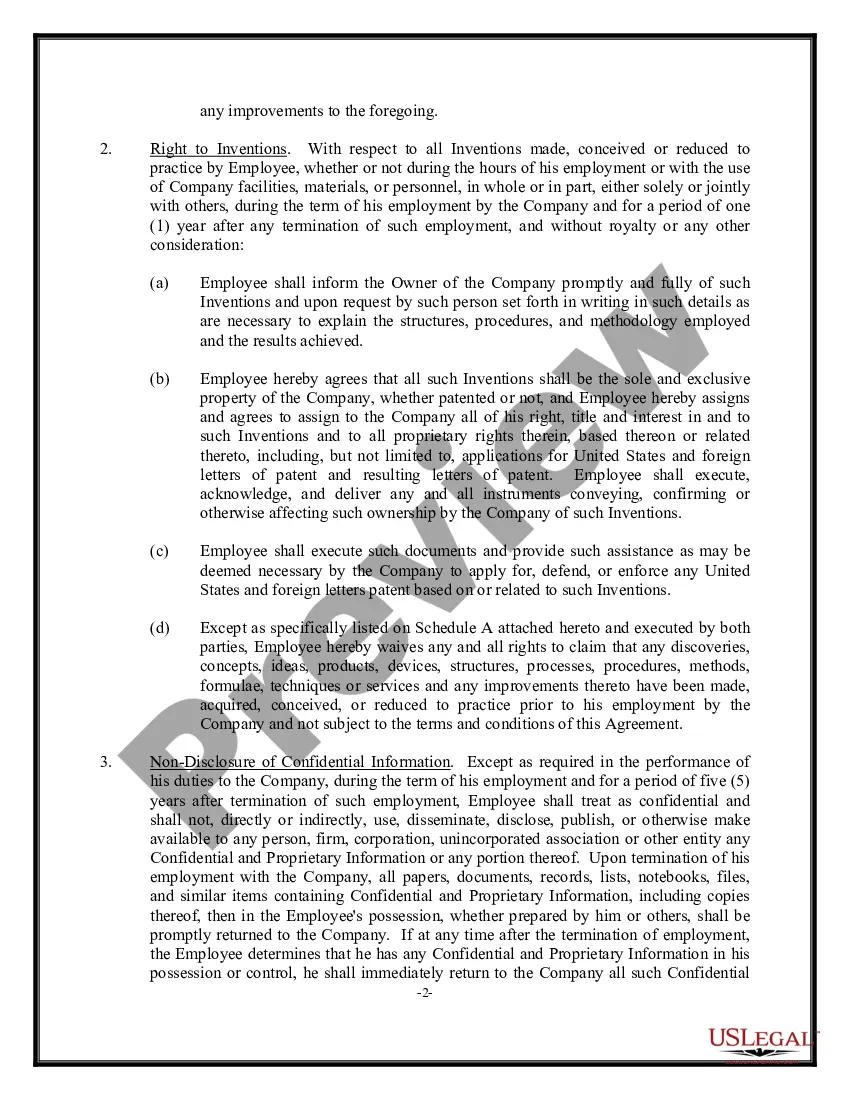
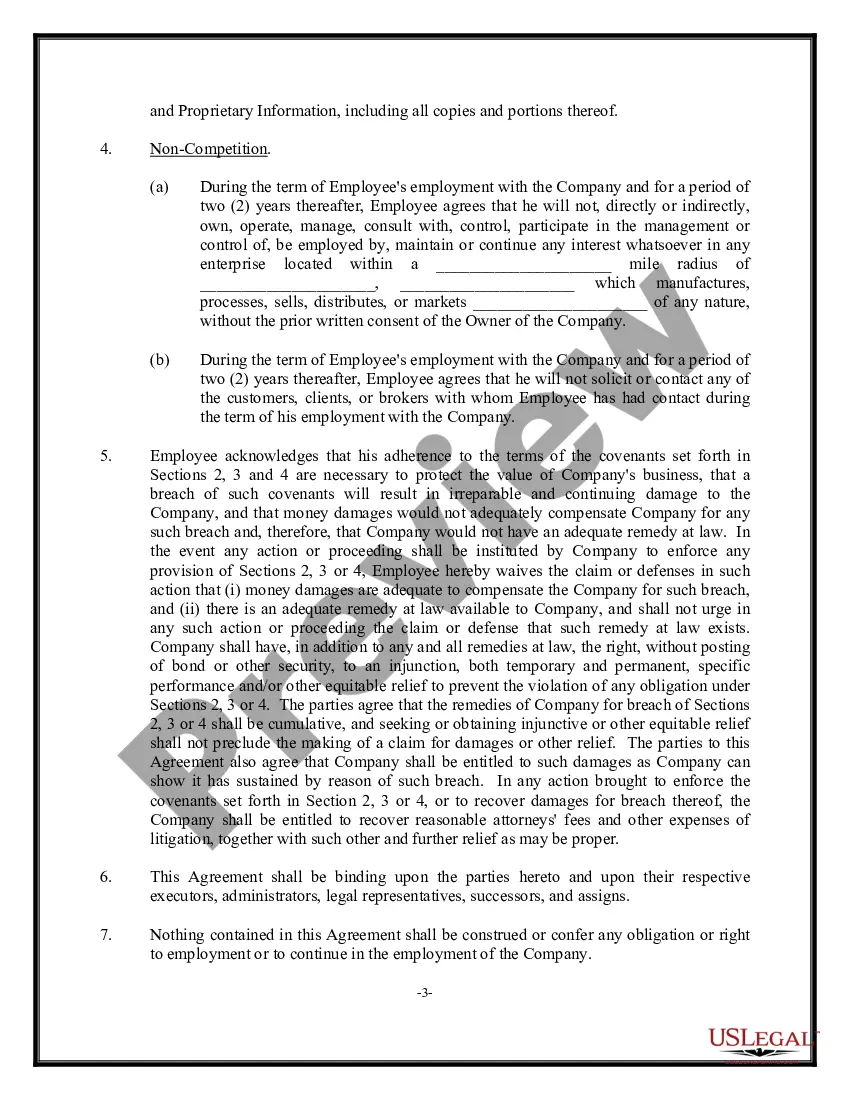
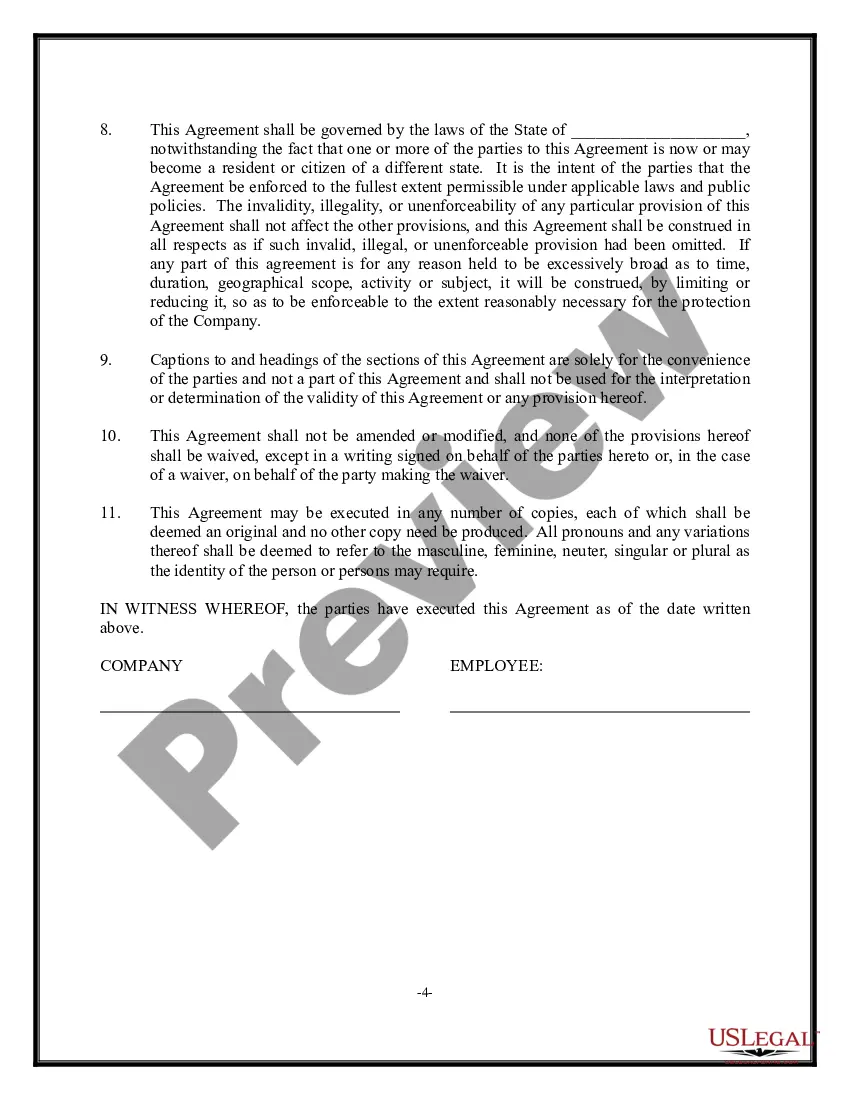
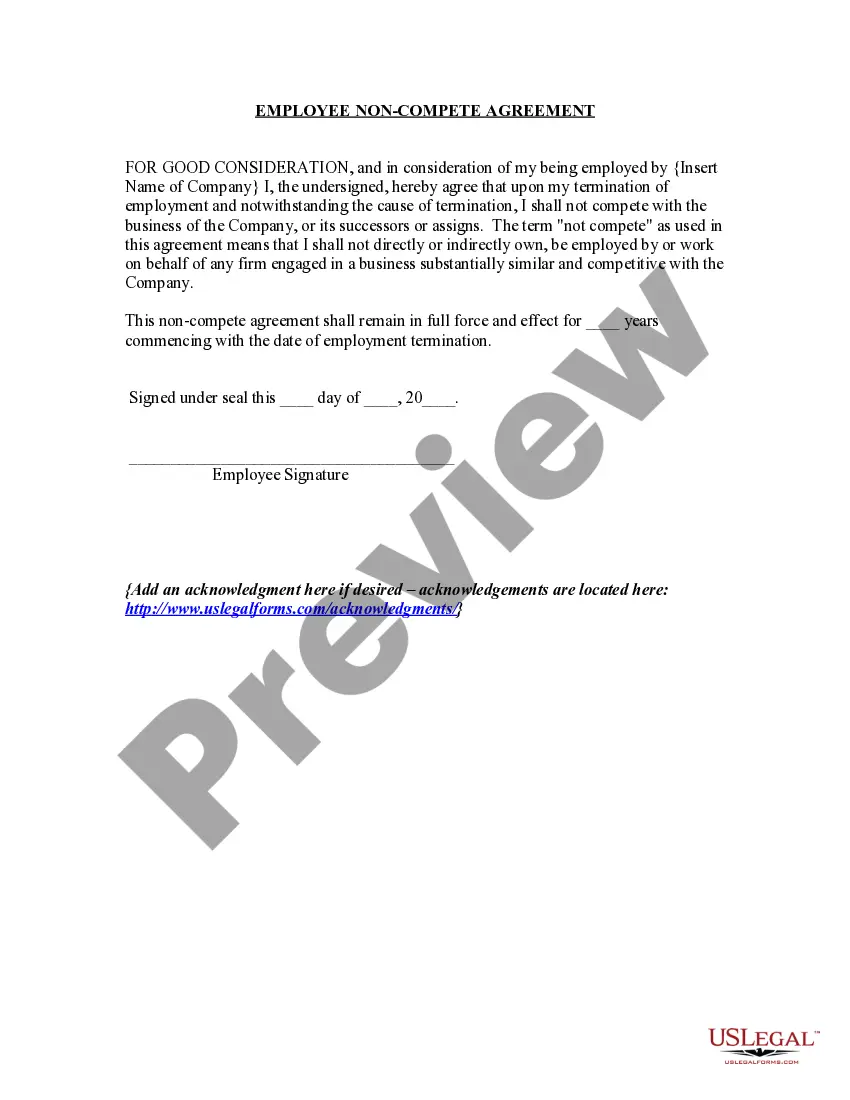
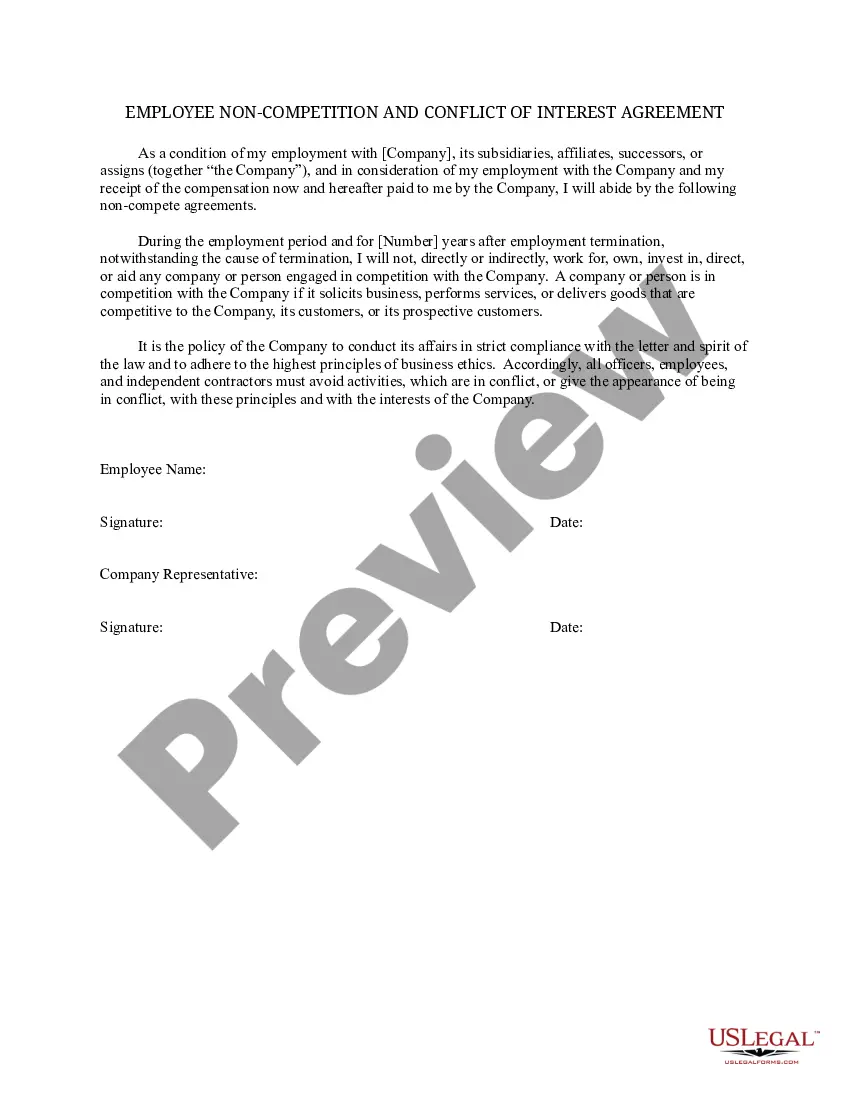
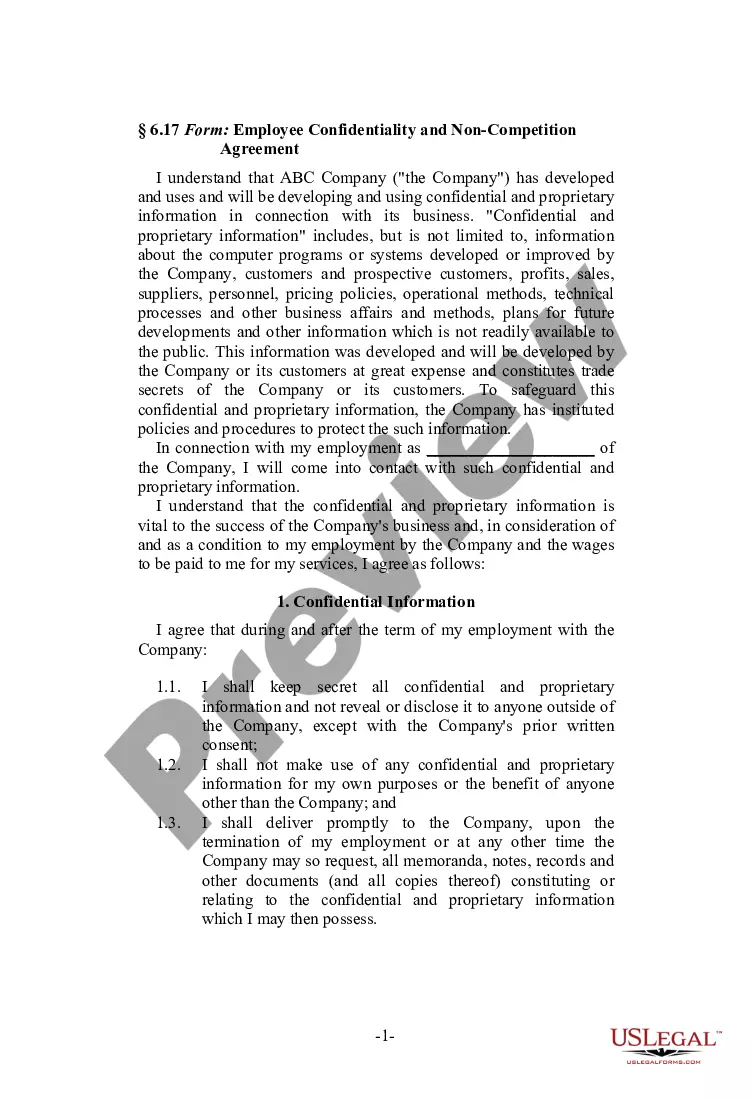
Get your form ready online
Our built-in tools help you complete, sign, share, and store your documents in one place.
Make edits, fill in missing information, and update formatting in US Legal Forms—just like you would in MS Word.
Download a copy, print it, send it by email, or mail it via USPS—whatever works best for your next step.
Sign and collect signatures with our SignNow integration. Send to multiple recipients, set reminders, and more. Go Premium to unlock E-Sign.
If this form requires notarization, complete it online through a secure video call—no need to meet a notary in person or wait for an appointment.
We protect your documents and personal data by following strict security and privacy standards.

Make edits, fill in missing information, and update formatting in US Legal Forms—just like you would in MS Word.

Download a copy, print it, send it by email, or mail it via USPS—whatever works best for your next step.

Sign and collect signatures with our SignNow integration. Send to multiple recipients, set reminders, and more. Go Premium to unlock E-Sign.

If this form requires notarization, complete it online through a secure video call—no need to meet a notary in person or wait for an appointment.

We protect your documents and personal data by following strict security and privacy standards.
Looking for another form?





Form popularity
FAQ
Several factors can void or limit the enforceability of a non-compete agreement, including overly broad restrictions, unreasonable time frames or geographical limits, lack of consideration (such as compensation or job opportunities provided in exchange for the agreement), and violation of public policy.
Virginia courts have upheld employment non-competes up to 2 years post-employment. If a non-compete is included in a business sale, it can be enforceable for a longer period, up to 5 years. If an employer's non-compete is for longer than 2 years, unless it is for the sale of a business, it will be held unenforceable.
The simplest way to get out of that kind of contract is merely to ask them to release your from it. If they refuse, you might need to get a lawyer to aid you in doing so. Non-compete contracts usually have penalties specified and certainly have durations. A contract that the courts deem to be unfair can be nullified.
In Virginia, non-compete and non-solicitation agreements are enforceable only if they are narrowly drawn to protect the employer's legitimate business interests, are not unduly burdensome on the employee's ability to earn a living, and are not against public policy.
Chapter 2 – How to Beat Your Virginia Non-Compete Get a copy of the agreement. Have an attorney review the agreement. Don't plan your new business at work! ... Do not advertise your new business until you know your non-compete agreement is not an issue. Be Honest. Seek legal action to determine validity of the agreement.
Scheduled to take effect on September 4, 2024, the Non-Compete Rule banned non-compete agreements, including any agreements that “function or prevent” a worker from seeking or accepting work or operating a business; made it unlawful to enter into, enforce, or attempt to enter into or enforce, a non-compete agreement ...
The FTC Rule does not contain express penalties for failing to send notices or for sending inadequate notices. The remedy would likely take the form of an enforcement action filed by the FTC, which could seek injunctive relief, civil penalties (up to $51,744 per violation, adjusted annually) and other remedies.
The rule (the Non-Compete Rule) implicates unsettled issues regarding the FTC's authority to issue substantive competition regulations. Lawsuits challenging the rule followed. In one of those cases, a federal district court has declared the Non-Compete Rule unlawful and barred the FTC from enforcing it nationwide.
The rule defines a prohibited “non-compete clause” to include any contract term, workplace policy or term or condition of employment that prohibits a worker from, penalizes a worker for, or functions to prevent a worker from seeking work, accepting work or operating a business after the conclusion of the employment ...
In Virginia, non-compete and non-solicitation agreements are enforceable only if they are narrowly drawn to protect the employer's legitimate business interests, are not unduly burdensome on the employee's ability to earn a living, and are not against public policy.
