Competition Noncompetition For 2023 In Virginia
Description

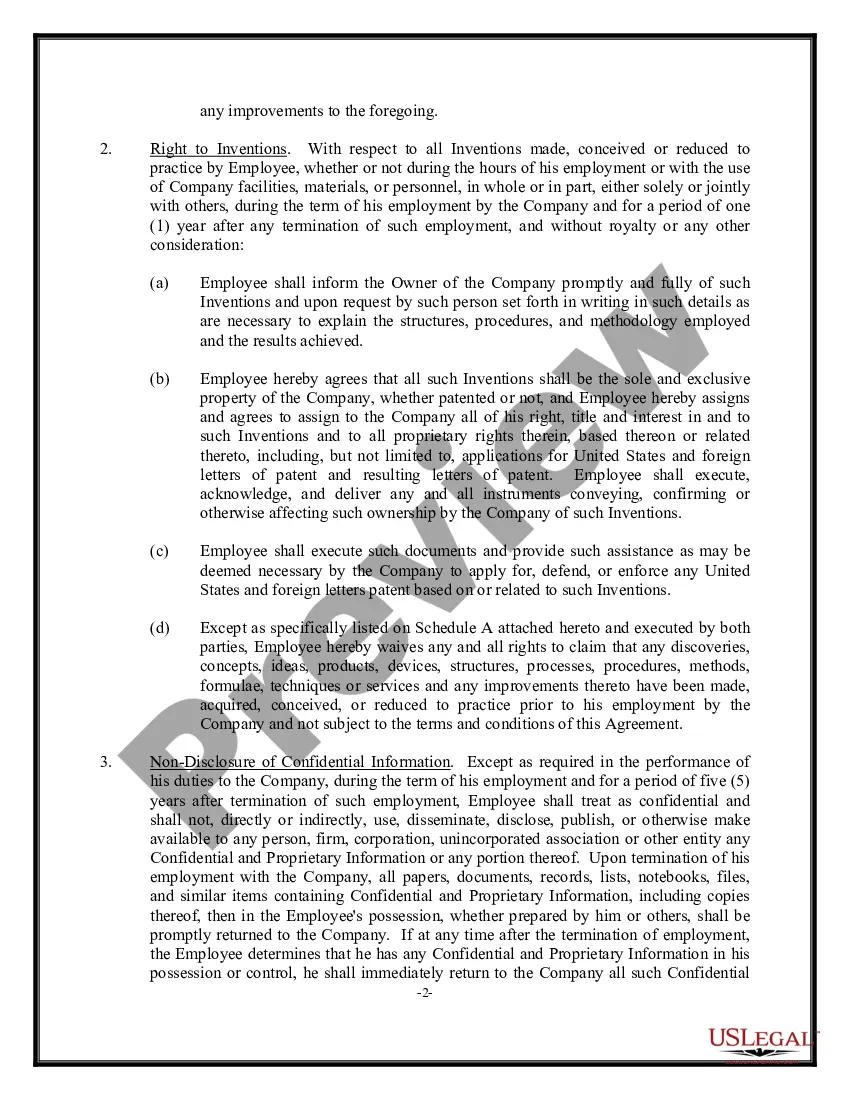
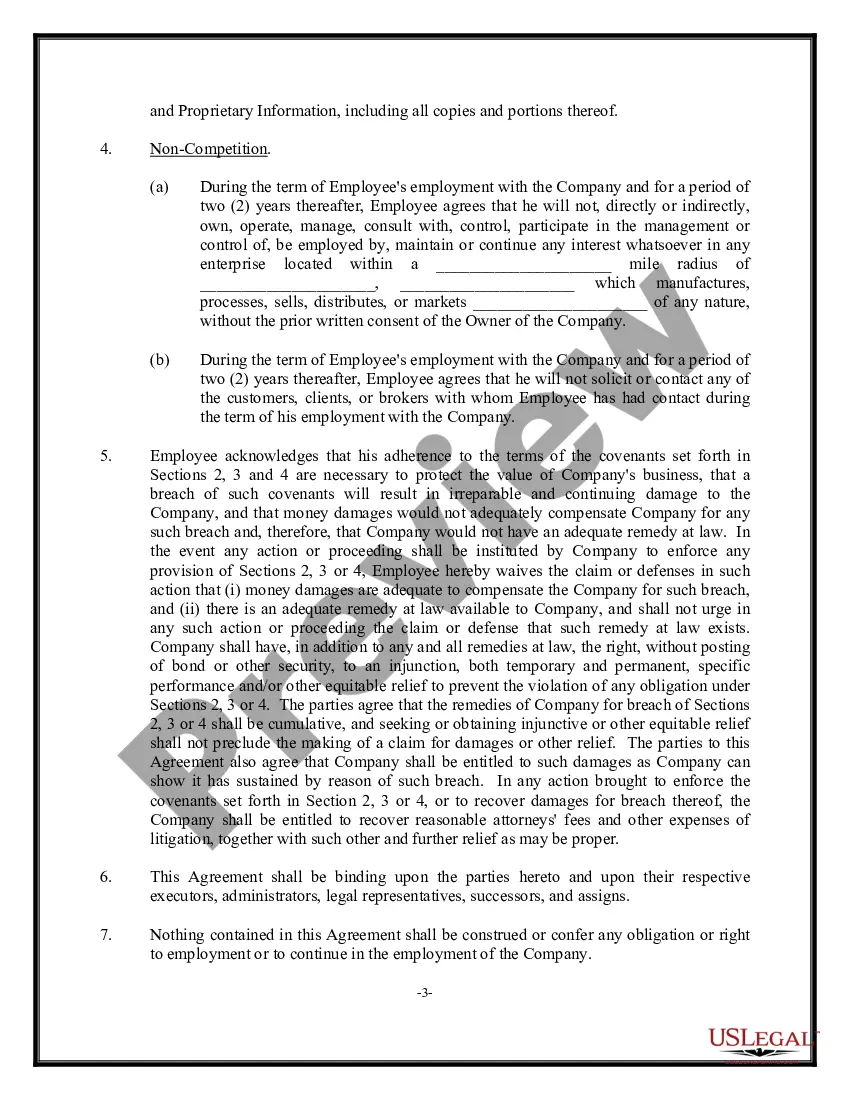
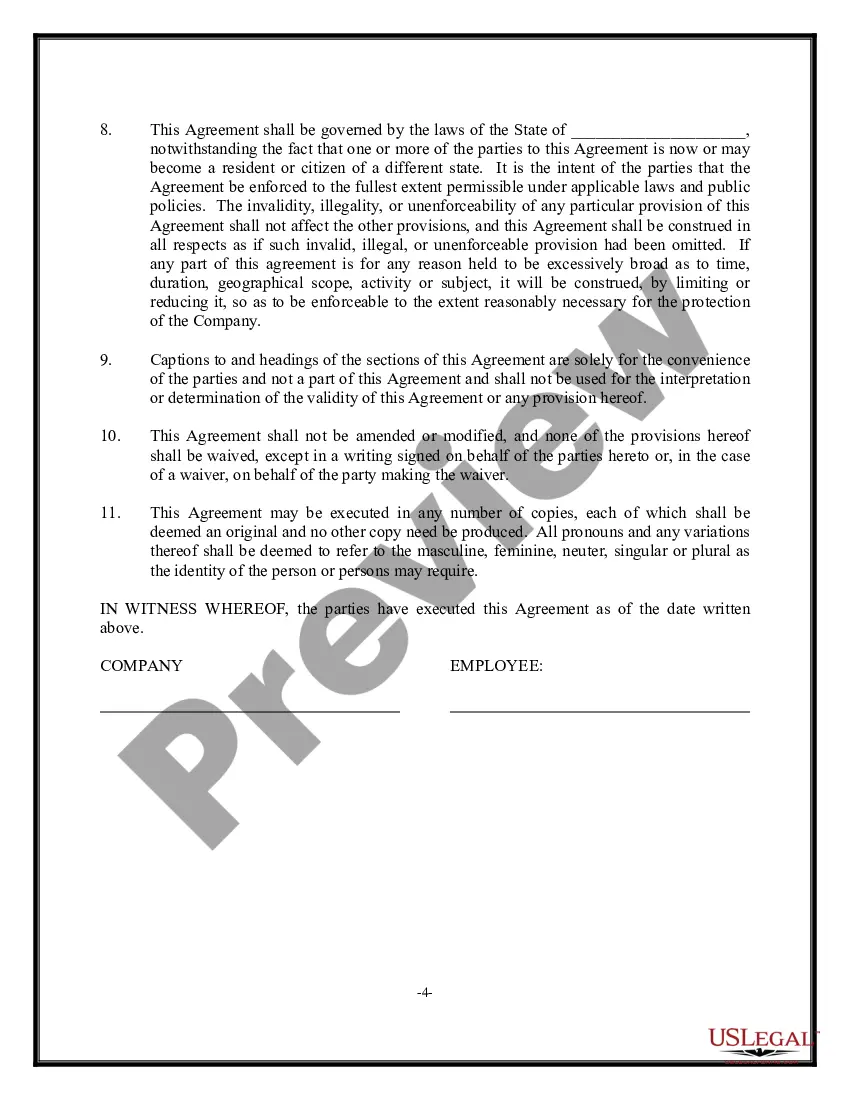
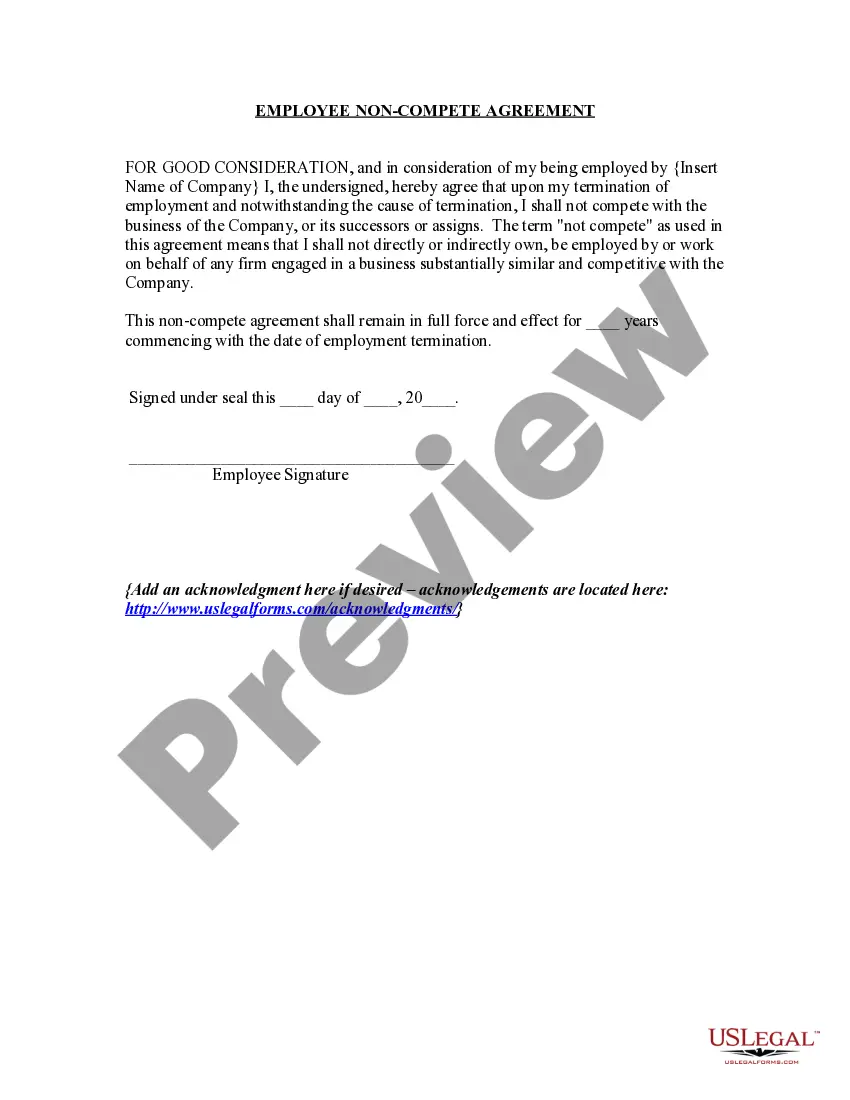
Get your form ready online
Our built-in tools help you complete, sign, share, and store your documents in one place.
Make edits, fill in missing information, and update formatting in US Legal Forms—just like you would in MS Word.
Download a copy, print it, send it by email, or mail it via USPS—whatever works best for your next step.
Sign and collect signatures with our SignNow integration. Send to multiple recipients, set reminders, and more. Go Premium to unlock E-Sign.
If this form requires notarization, complete it online through a secure video call—no need to meet a notary in person or wait for an appointment.
We protect your documents and personal data by following strict security and privacy standards.

Make edits, fill in missing information, and update formatting in US Legal Forms—just like you would in MS Word.

Download a copy, print it, send it by email, or mail it via USPS—whatever works best for your next step.

Sign and collect signatures with our SignNow integration. Send to multiple recipients, set reminders, and more. Go Premium to unlock E-Sign.

If this form requires notarization, complete it online through a secure video call—no need to meet a notary in person or wait for an appointment.

We protect your documents and personal data by following strict security and privacy standards.
Looking for another form?









Form popularity
FAQ
§ 40.1-28.. Effective July 1, 2025, the statute will prohibit employers from entering into non-compete agreements with employees classified as non-exempt under the Fair Labor Standards Act (FLSA).
Yes, but it's rare. Most non compete agreements don't hold up under legal challenge, as a company cannot keep you from employment in your specialty. The only ones that hold up are VERY narrow in their focus, pertaining to highly confidential materials/intellectual property.
In Virginia, non-compete agreements are enforceable if an employer can show: the restriction is “no greater than is necessary to protect the employer's legitimate business interest”; the agreement is not excessively severe or oppressive in restricting the employee's ability to find another job or make an income; and.
In 2025, that amount is $1,463.10 per week (which equates to an annual salary of $76,081).
Chapter 2 – How to Beat Your Virginia Non-Compete Get a copy of the agreement. Have an attorney review the agreement. Don't plan your new business at work! ... Do not advertise your new business until you know your non-compete agreement is not an issue. Be Honest. Seek legal action to determine validity of the agreement.
In 2024, this increased to $1,410 per week. Thus, in 2024, an employer cannot enter into (or enforce or threaten to enforce previously entered into) covenants not to compete with employees who make less than $1,410 per week or $73,320 annually.
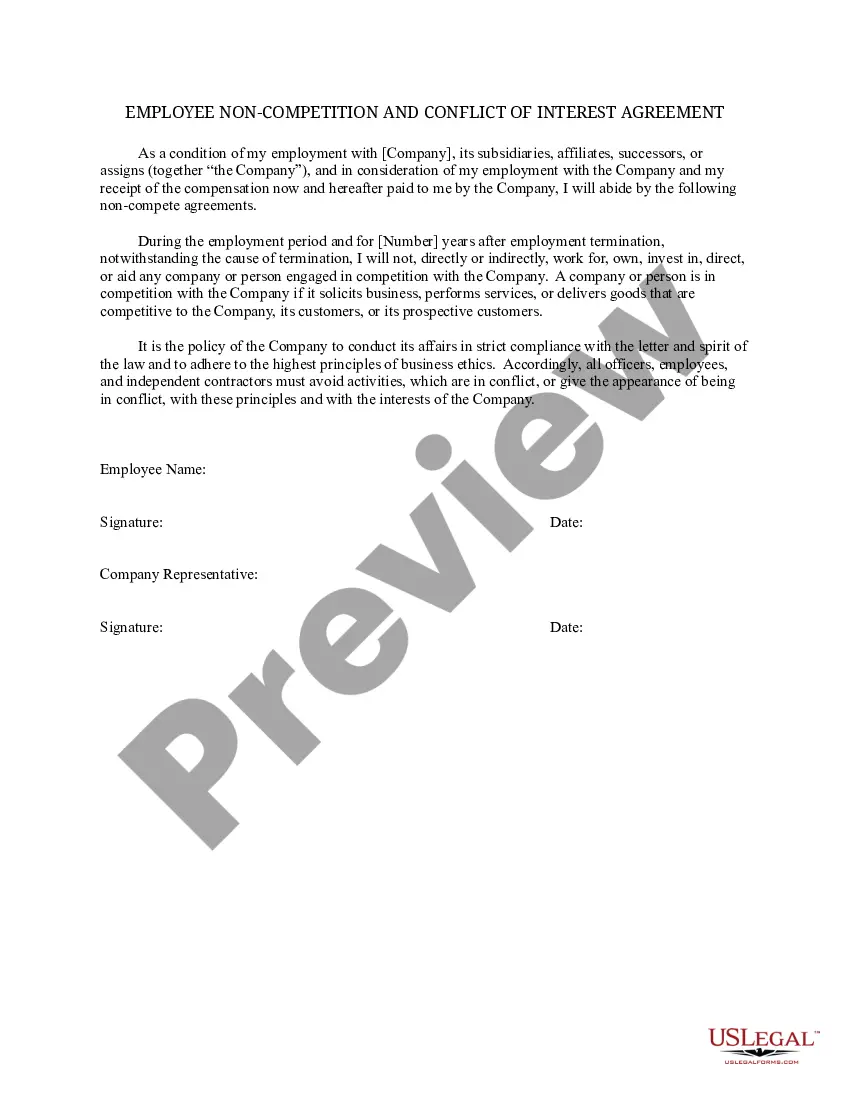
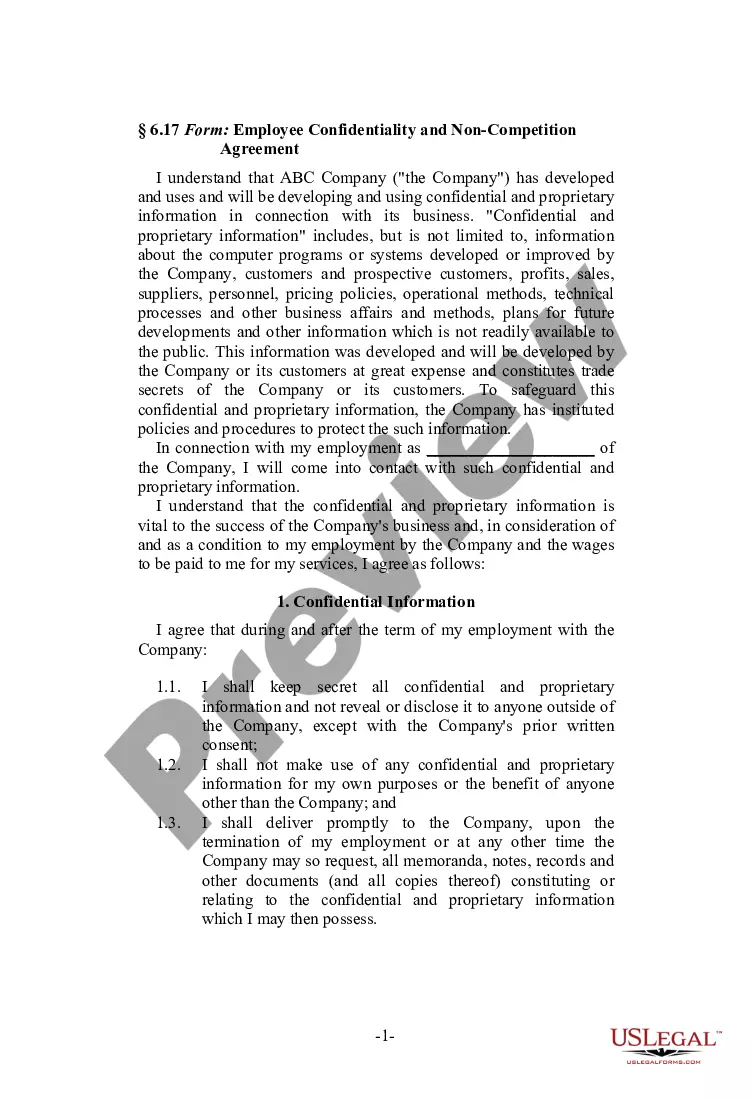
A Virginia Standard Clause limiting an employee's solicitation of employees and customers during the term of the employee's employment and for a specified period after the employment relationship ends. It is intended for use by private employers.
As a reminder, Virginia is one of eleven states (along with Washington, D.C.) that imposes restrictions on the use of non-compete agreements for so-called “low wage employees.” Effective now in 2025, the salary threshold defining a “low wage employee” in Virginia has increased from $73,320 to $76,081 annually.
