Volunteer Service Agreement Format Between Two Companies In San Bernardino
Description

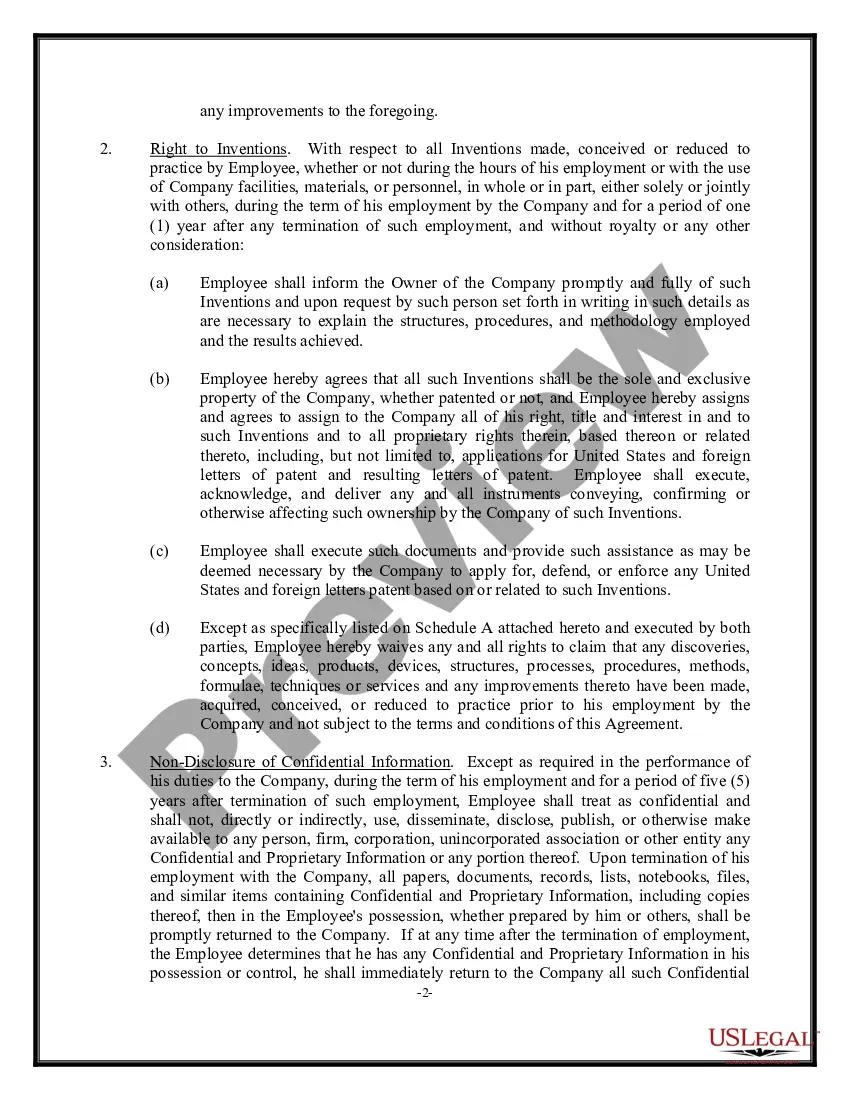
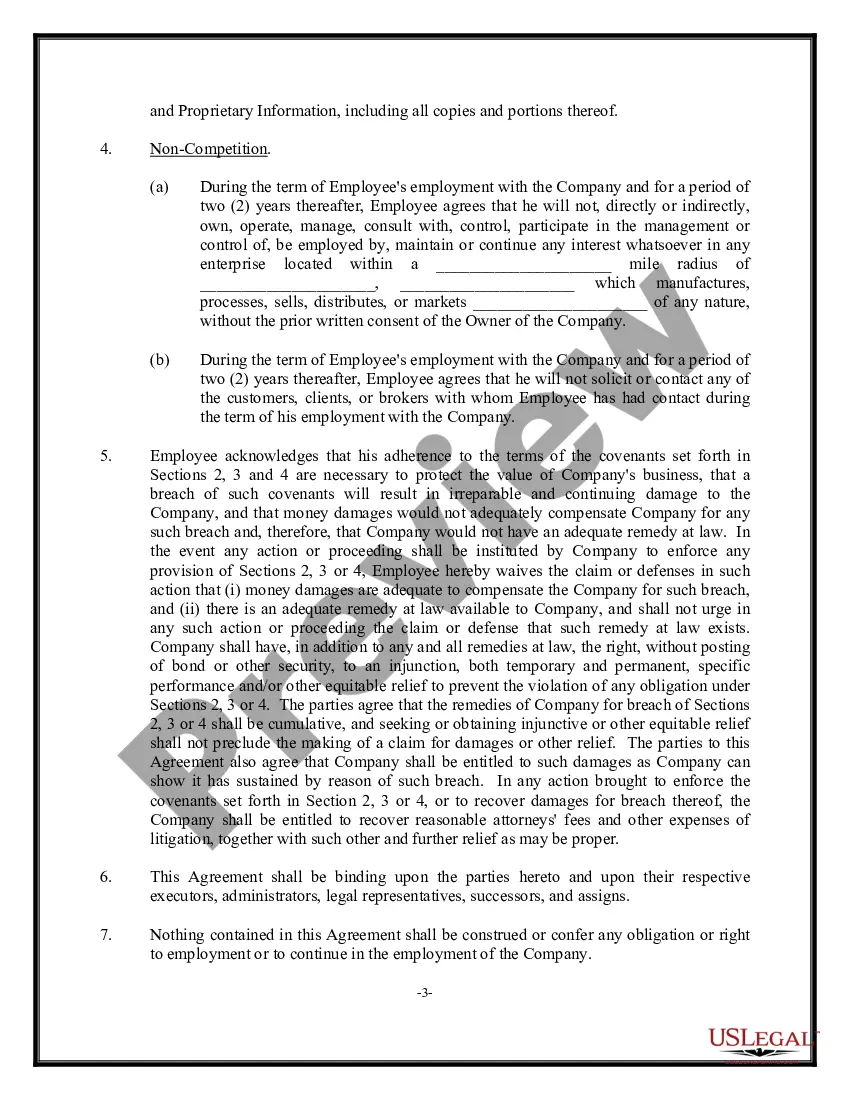
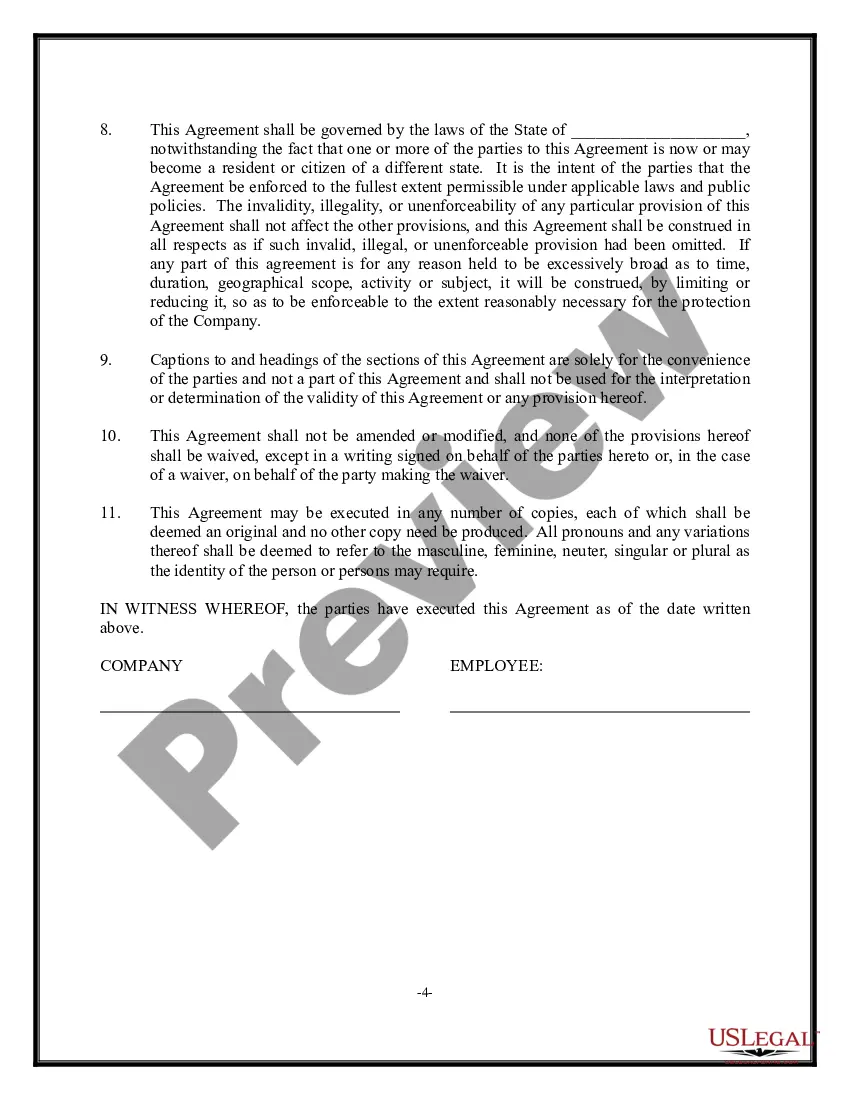
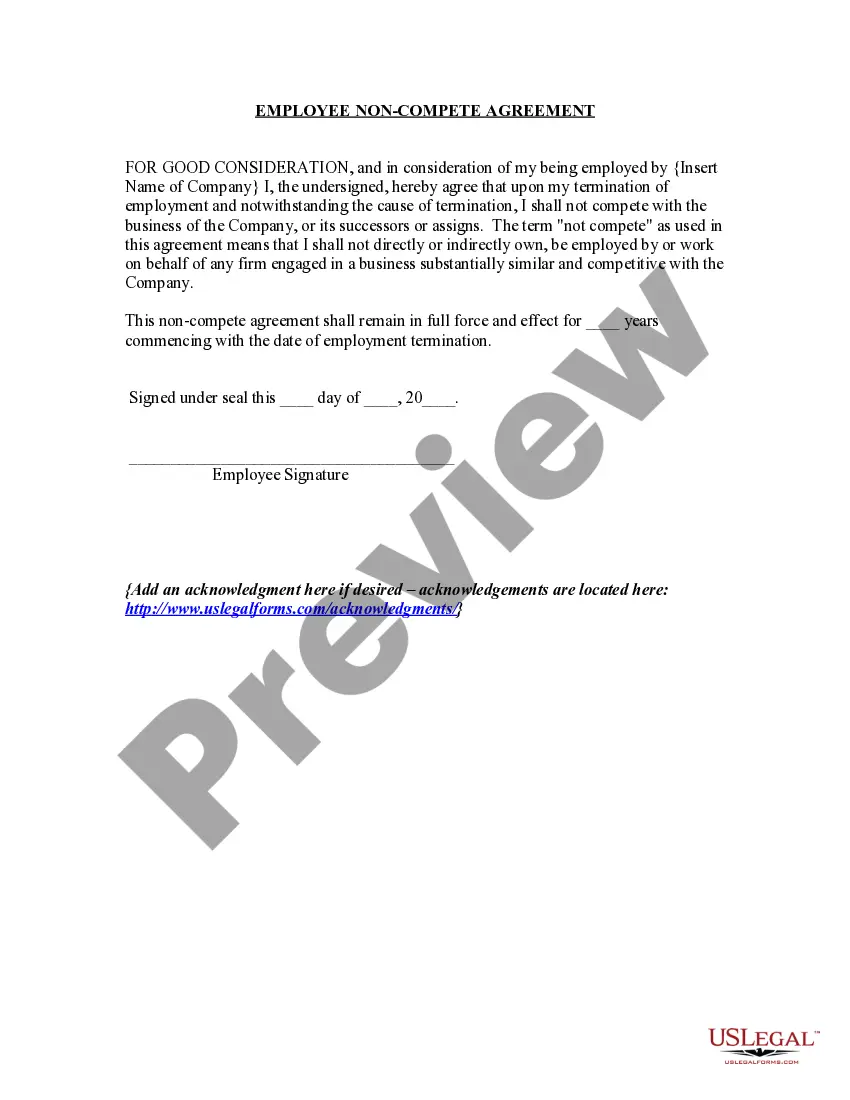
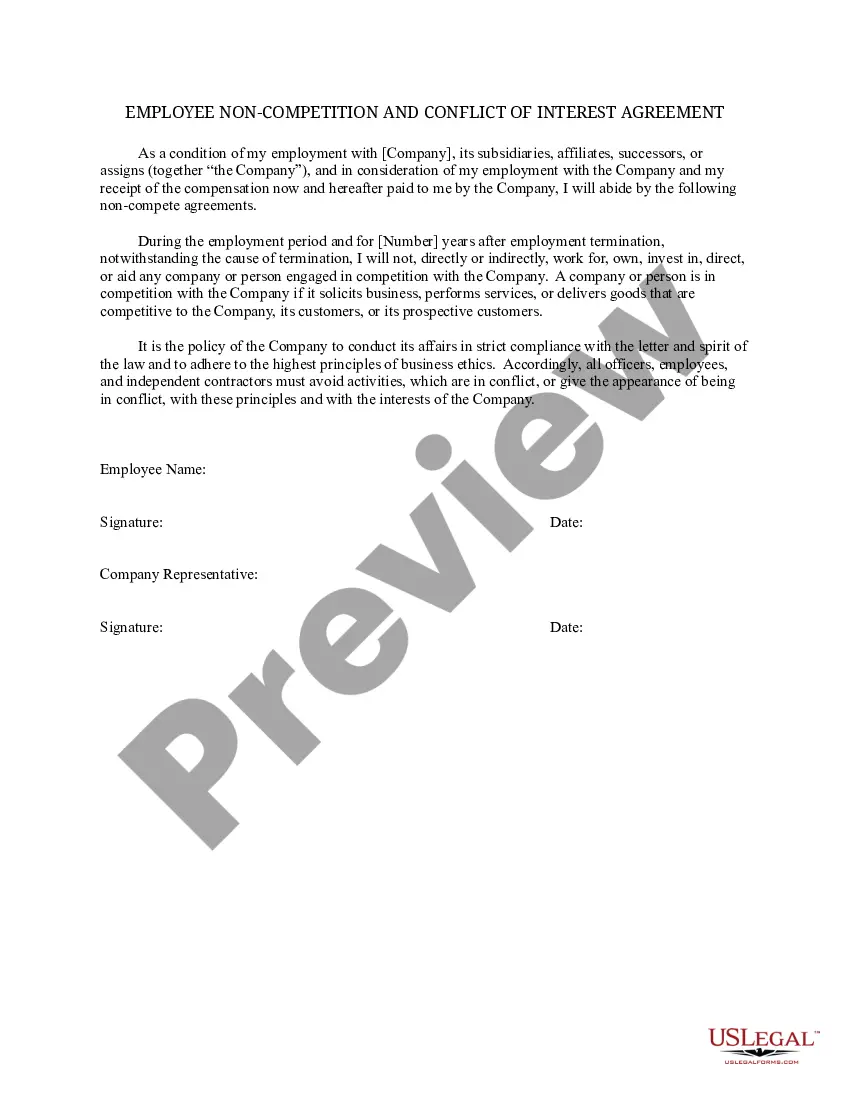
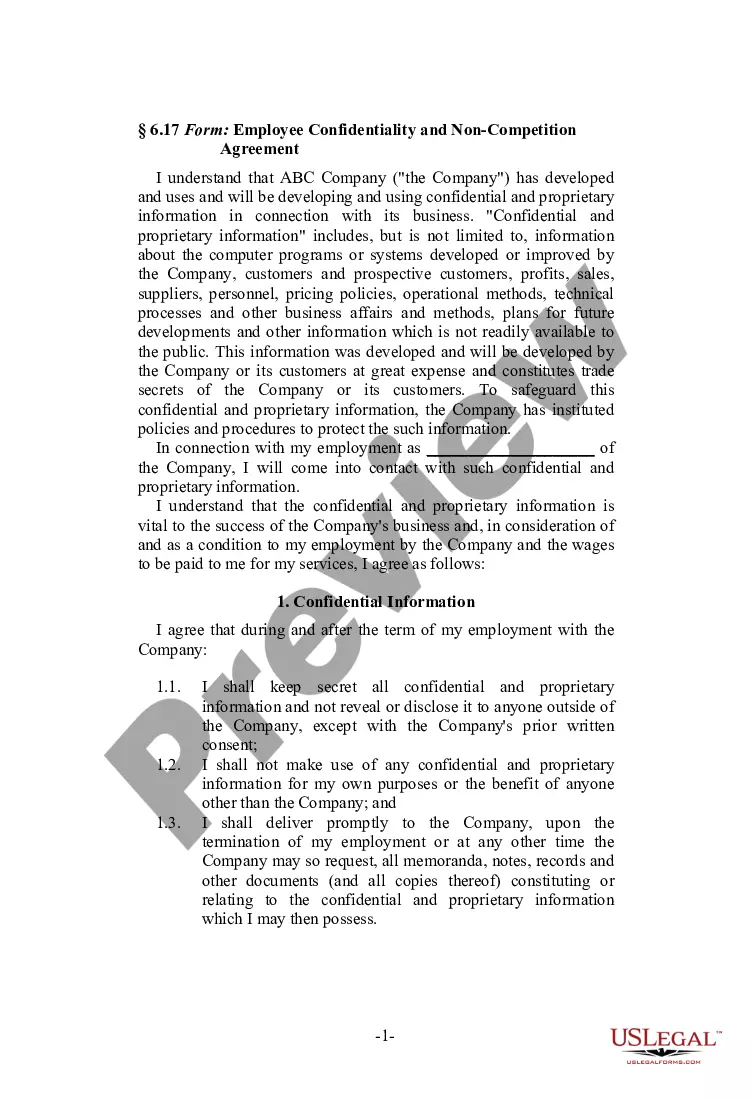
Get your form ready online
Our built-in tools help you complete, sign, share, and store your documents in one place.
Make edits, fill in missing information, and update formatting in US Legal Forms—just like you would in MS Word.
Download a copy, print it, send it by email, or mail it via USPS—whatever works best for your next step.
Sign and collect signatures with our SignNow integration. Send to multiple recipients, set reminders, and more. Go Premium to unlock E-Sign.
If this form requires notarization, complete it online through a secure video call—no need to meet a notary in person or wait for an appointment.
We protect your documents and personal data by following strict security and privacy standards.

Make edits, fill in missing information, and update formatting in US Legal Forms—just like you would in MS Word.

Download a copy, print it, send it by email, or mail it via USPS—whatever works best for your next step.

Sign and collect signatures with our SignNow integration. Send to multiple recipients, set reminders, and more. Go Premium to unlock E-Sign.

If this form requires notarization, complete it online through a secure video call—no need to meet a notary in person or wait for an appointment.

We protect your documents and personal data by following strict security and privacy standards.
Looking for another form?

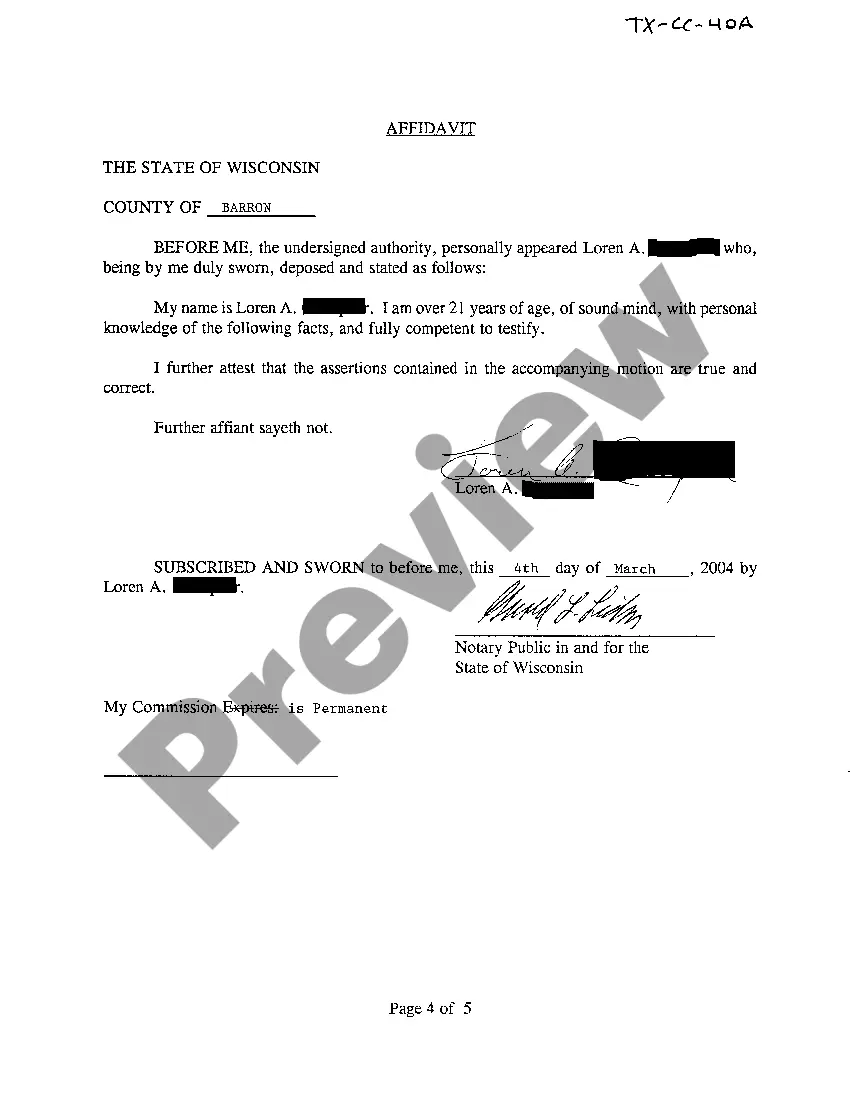
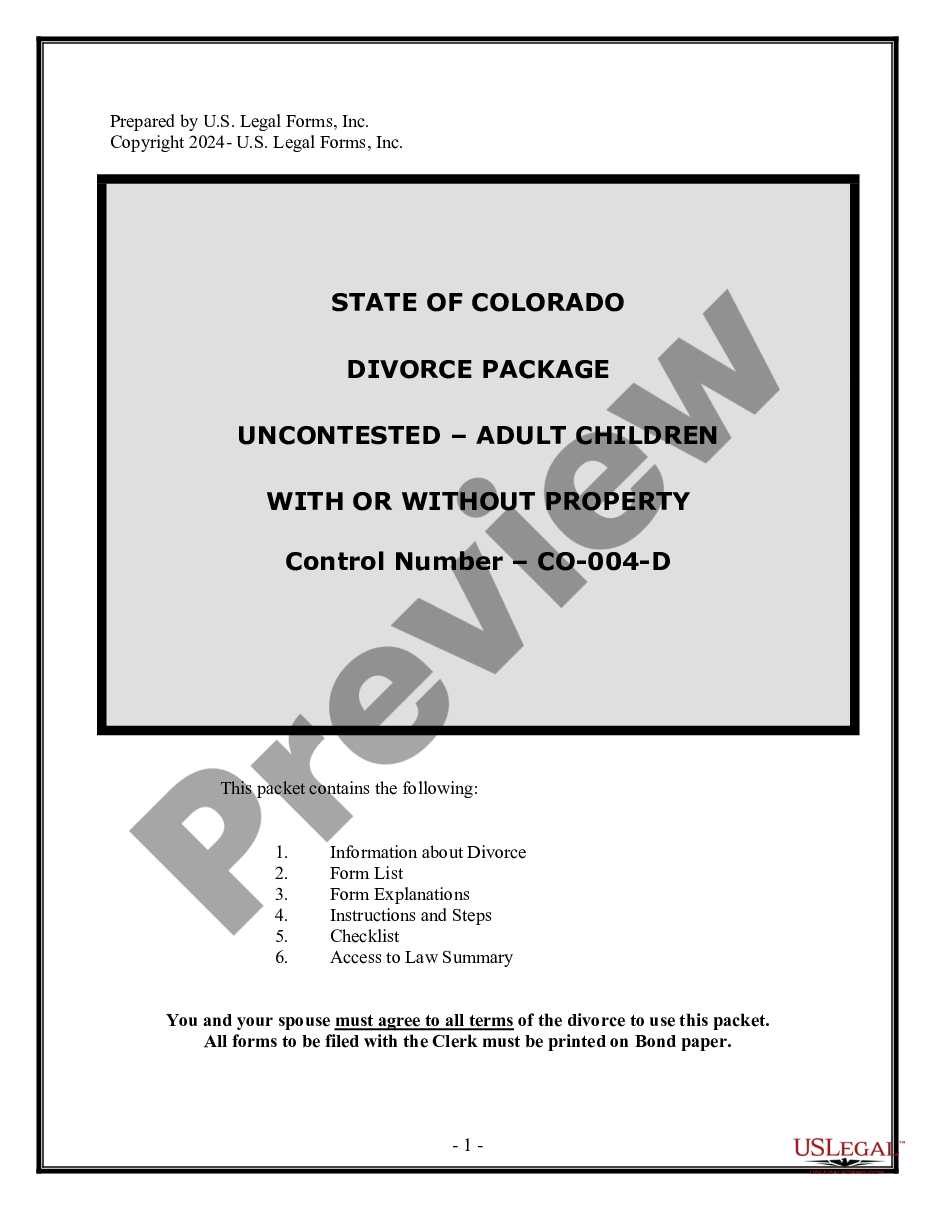



Form popularity
FAQ
You do not have a contract of employment as a volunteer, so you do not have the same rights as an employee or worker. You will usually be given a volunteer agreement that explains: the level of supervision and support you'll get. what training you'll get.
Your volunteer form should include some basic information about your organization, what programs and services you offer and the role volunteers play. You'll also want to provide some brief examples of your volunteer positions, along with information on what type of commitment you need from your applicants.
You can document your activities and your volunteer and community service hours in whatever platform that works best for you. You can do so in a Word document, in your notes on your phone, even in an email sent to yourself and maybe your parents for safe keeping.
Provide a brief description of the specific tasks or activities you performed during your community service. Indicate the date and duration of each service session. Calculate the total number of hours you contributed and record it on the log sheet.
A community service letter is a document that provides proof of an individual's volunteer work for a community service organization. The letter is typically signed by the organization's leader or supervisor and outlines the type of service the individual provided and the duration of service.
1 Keep a logbook. A logbook is a simple but effective tool to record your volunteer activities, hours, tasks, and outcomes. You can use a physical notebook, a spreadsheet, an app, or an online platform to keep track of your logbook.
The basics Details about your organization, including your address and the name and contact details of your volunteer manager. Name of applicant. Preferred pronoun (he, she, they) Date of birth. Contact information (including email, home and mobile phone numbers) Home address.
The basics Details about your organization, including your address and the name and contact details of your volunteer manager. Name of applicant. Preferred pronoun (he, she, they) Date of birth. Contact information (including email, home and mobile phone numbers) Home address.
Asking a volunteer to leave should always be a last resort when other ways to solve a problem haven't worked. See our guidance on solving volunteer problems. In rare cases, it's a necessary response to a serious breach of conduct.
