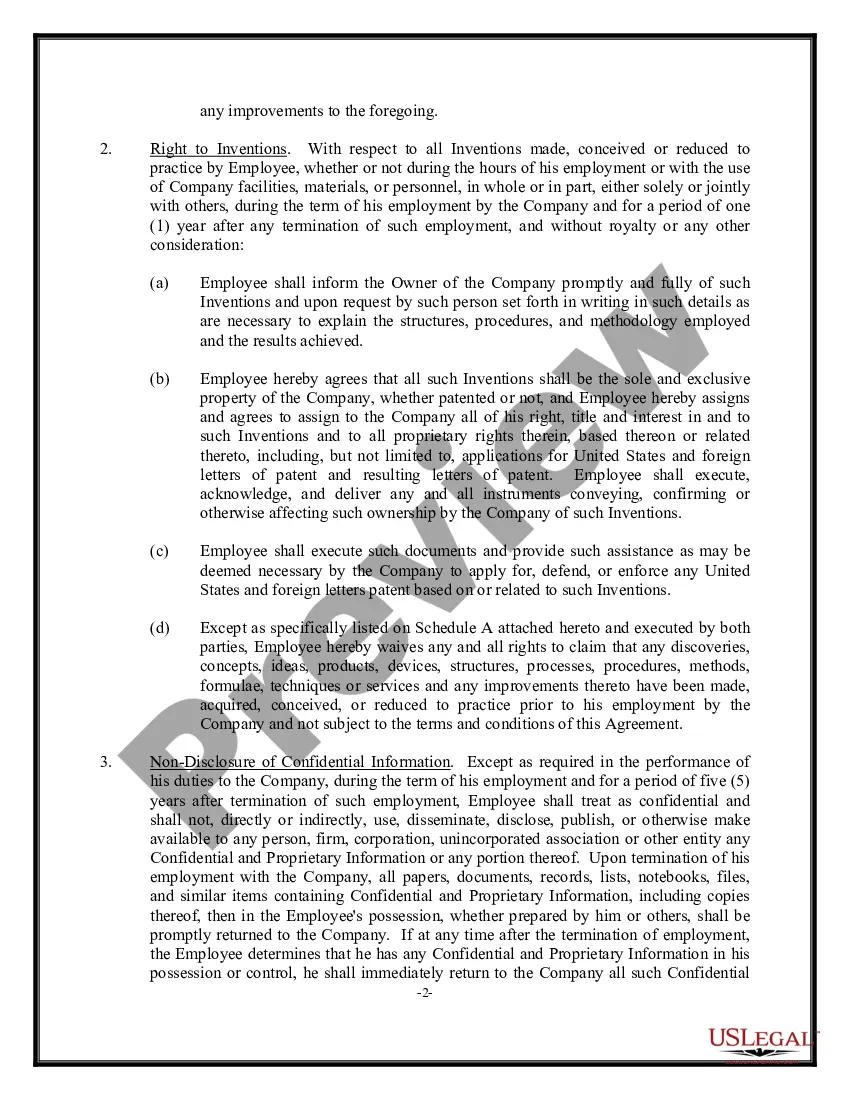
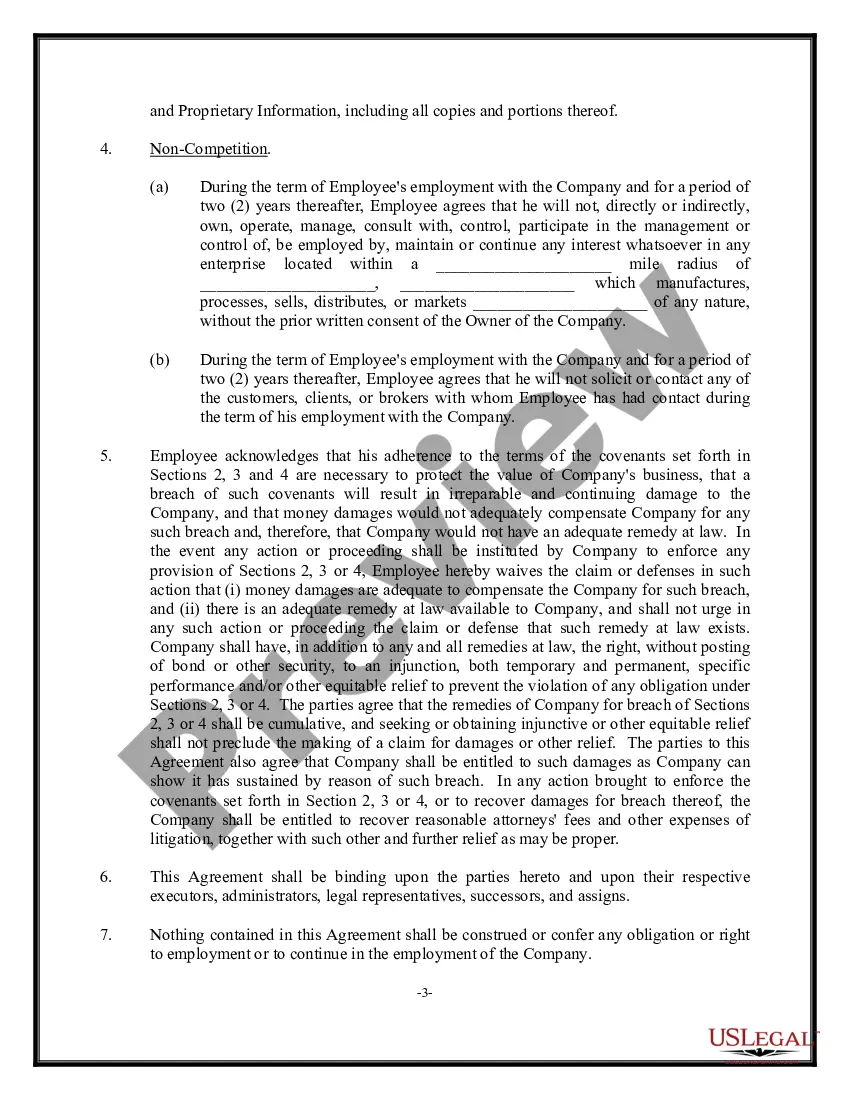
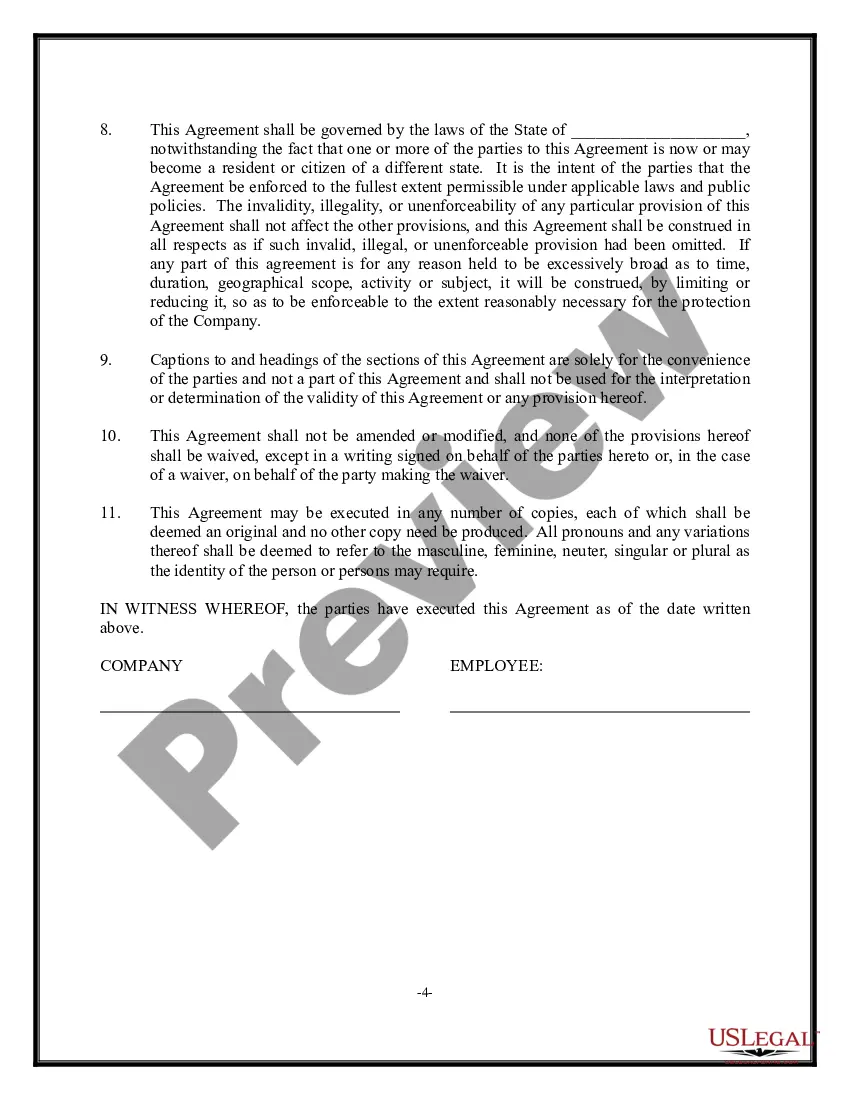
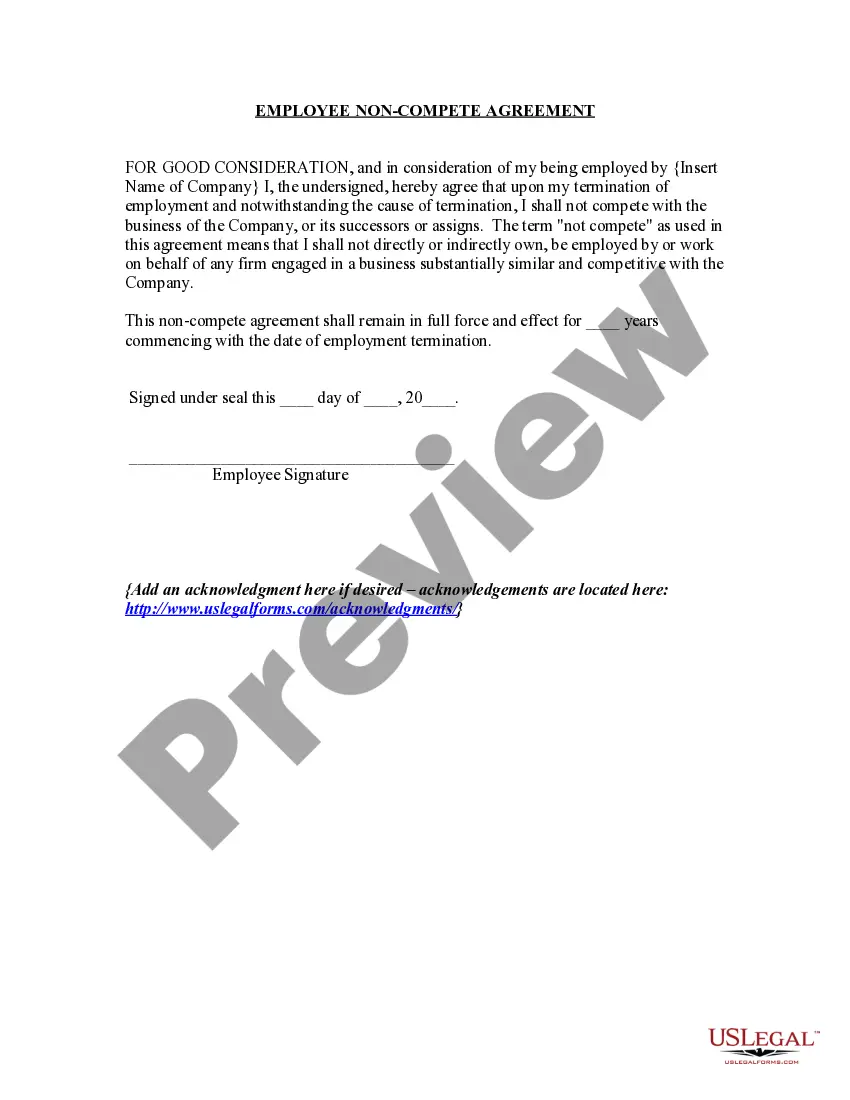
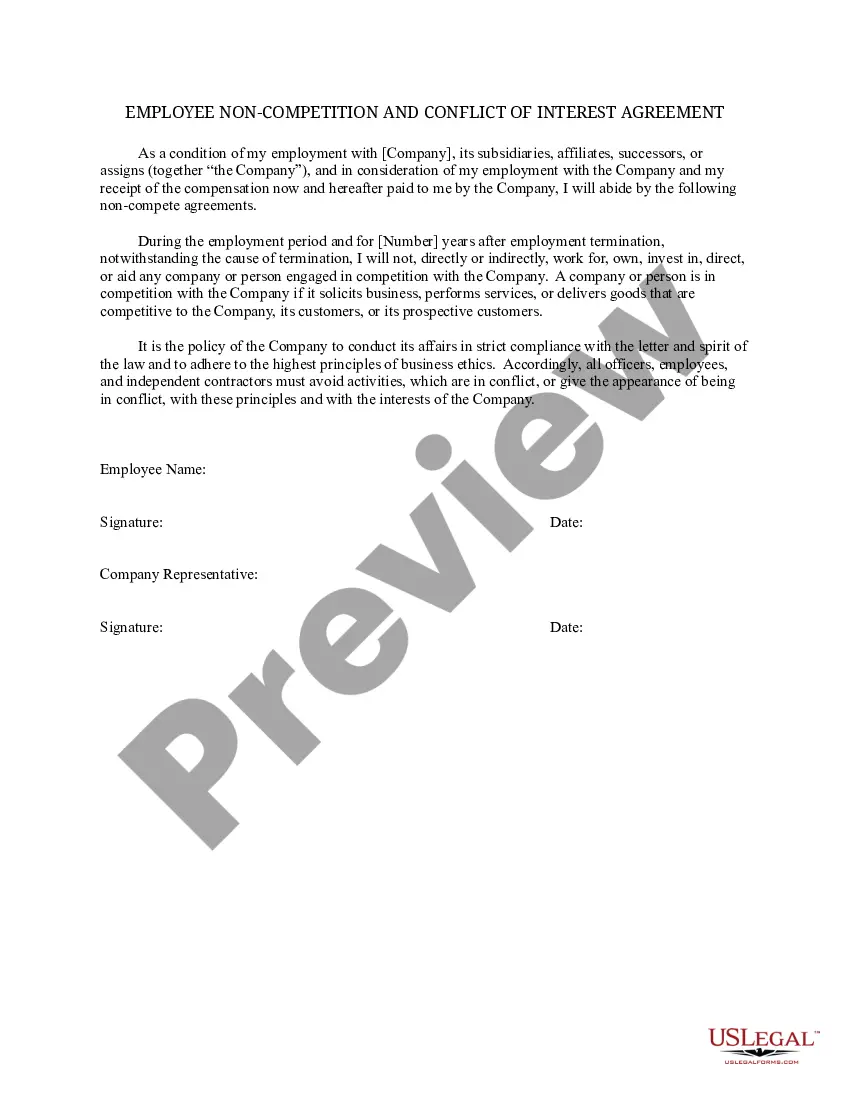
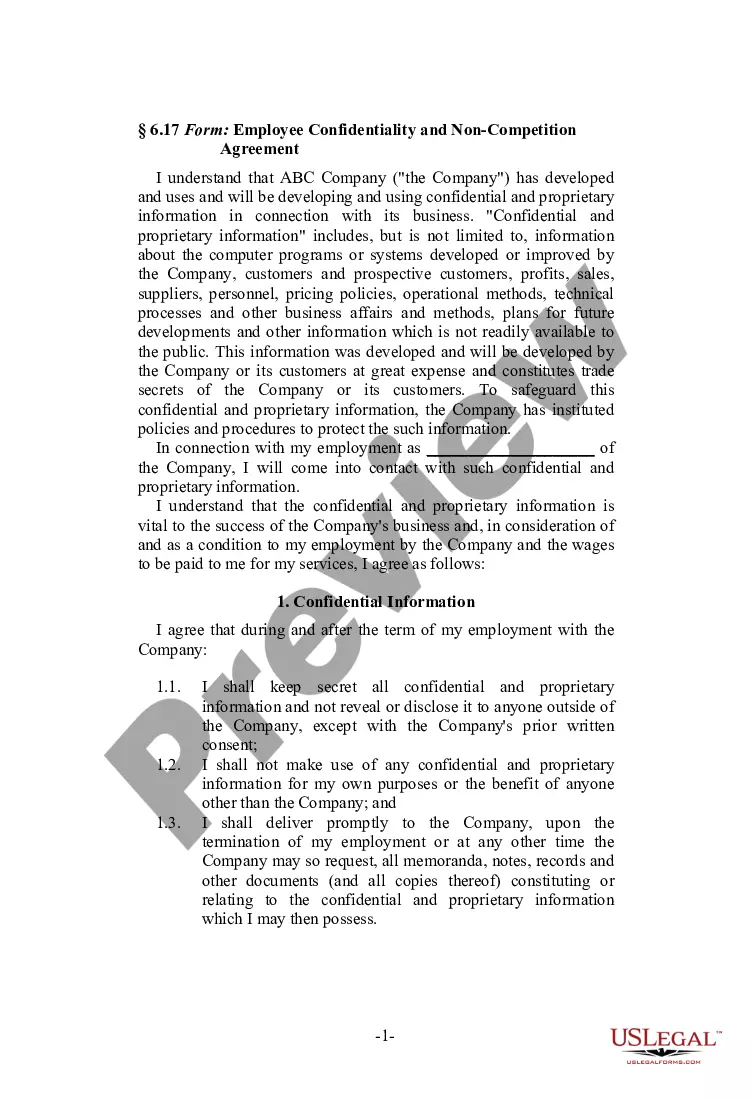
Competition Noncompetition For Students In Minnesota
Description

Get your form ready online
Our built-in tools help you complete, sign, share, and store your documents in one place.
Make edits, fill in missing information, and update formatting in US Legal Forms—just like you would in MS Word.
Download a copy, print it, send it by email, or mail it via USPS—whatever works best for your next step.
Sign and collect signatures with our SignNow integration. Send to multiple recipients, set reminders, and more. Go Premium to unlock E-Sign.
If this form requires notarization, complete it online through a secure video call—no need to meet a notary in person or wait for an appointment.
We protect your documents and personal data by following strict security and privacy standards.

Make edits, fill in missing information, and update formatting in US Legal Forms—just like you would in MS Word.

Download a copy, print it, send it by email, or mail it via USPS—whatever works best for your next step.

Sign and collect signatures with our SignNow integration. Send to multiple recipients, set reminders, and more. Go Premium to unlock E-Sign.

If this form requires notarization, complete it online through a secure video call—no need to meet a notary in person or wait for an appointment.

We protect your documents and personal data by following strict security and privacy standards.
Looking for another form?
Form popularity
FAQ
(a) Any covenant not to compete contained in a contract or agreement is void and unenforceable. (2) the covenant not to compete is agreed upon in anticipation of the dissolution of a business.
Noncompetes banned: Noncompete and restrictive-franchise provisions in nearly all employee agreements are banned. (both already in effect). The 2024 legislative session went further and banned restrictive employment covenants in service contracts. All of these provisions are already in effect.
Employers do enforce non-competes, but the extent varies. Some employers rigorously enforce these agreements to protect their business interests, while others may choose not to pursue legal action.
Key Takeaways Under Minnesota State Law: Existing non-compete agreements entered before July 1, 2023, are still valid, so long as they are reasonable.
On April 23, 2024, the Federal Trade Commission issued its long-awaited Final Non-Compete Clause Rule, which operates to ban most post-employment non-compete agreements between employers and their workers.
The simplest way to get out of that kind of contract is merely to ask them to release your from it. If they refuse, you might need to get a lawyer to aid you in doing so. Non-compete contracts usually have penalties specified and certainly have durations. A contract that the courts deem to be unfair can be nullified.
When the Federal Trade Commission (FTC) announced its landmark rule abolishing non-compete clauses for nearly all workers in the United States as of September 4, 2024,1 a wave of hope swept through the physician community.
When the Federal Trade Commission (FTC) announced its landmark rule abolishing non-compete clauses for nearly all workers in the United States as of September 4, 2024,1 a wave of hope swept through the physician community.
