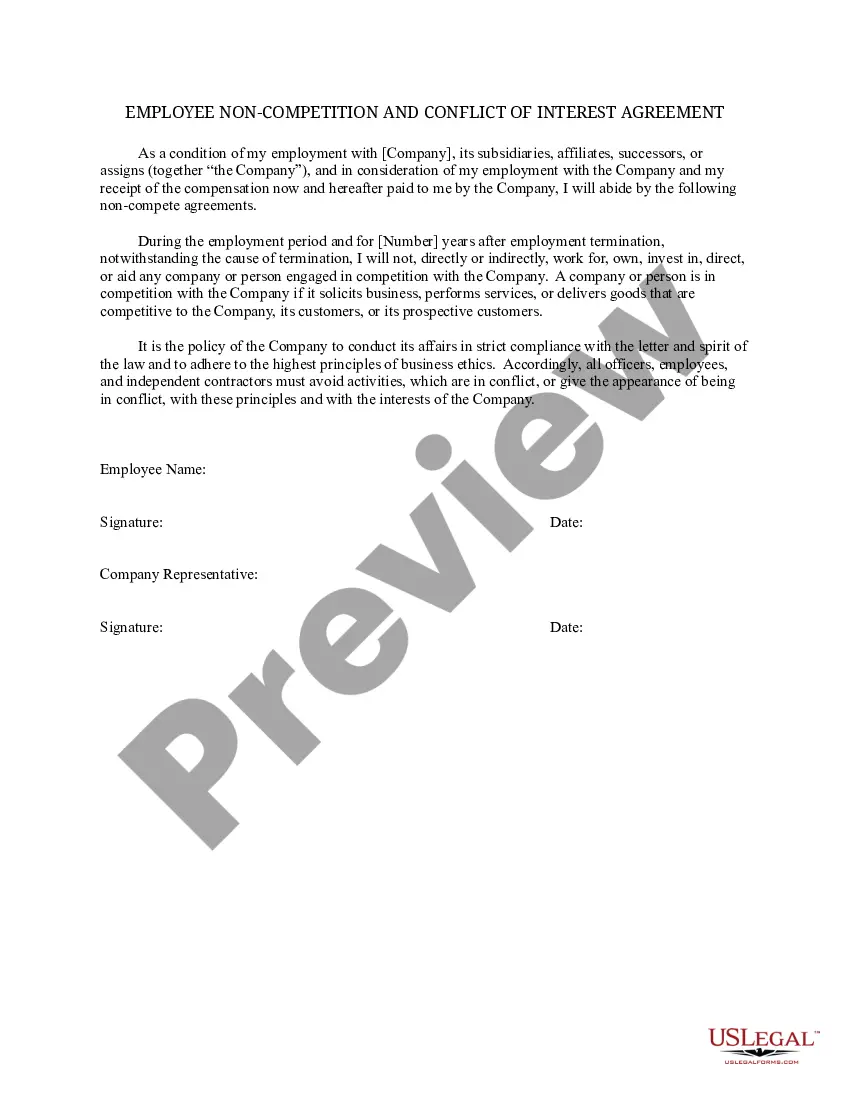
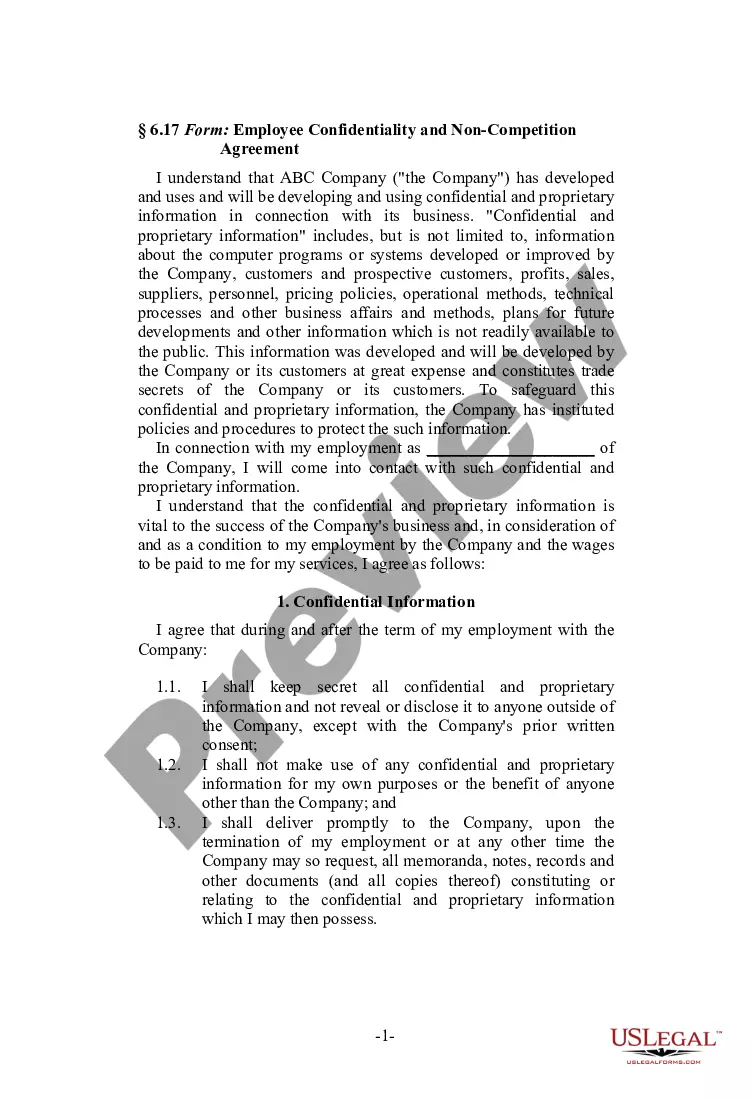
Competition Noncompetition For 50 In Massachusetts
Description

Get your form ready online
Our built-in tools help you complete, sign, share, and store your documents in one place.
Make edits, fill in missing information, and update formatting in US Legal Forms—just like you would in MS Word.
Download a copy, print it, send it by email, or mail it via USPS—whatever works best for your next step.
Sign and collect signatures with our SignNow integration. Send to multiple recipients, set reminders, and more. Go Premium to unlock E-Sign.
If this form requires notarization, complete it online through a secure video call—no need to meet a notary in person or wait for an appointment.
We protect your documents and personal data by following strict security and privacy standards.

Make edits, fill in missing information, and update formatting in US Legal Forms—just like you would in MS Word.

Download a copy, print it, send it by email, or mail it via USPS—whatever works best for your next step.

Sign and collect signatures with our SignNow integration. Send to multiple recipients, set reminders, and more. Go Premium to unlock E-Sign.

If this form requires notarization, complete it online through a secure video call—no need to meet a notary in person or wait for an appointment.

We protect your documents and personal data by following strict security and privacy standards.
Looking for another form?








Form popularity
FAQ
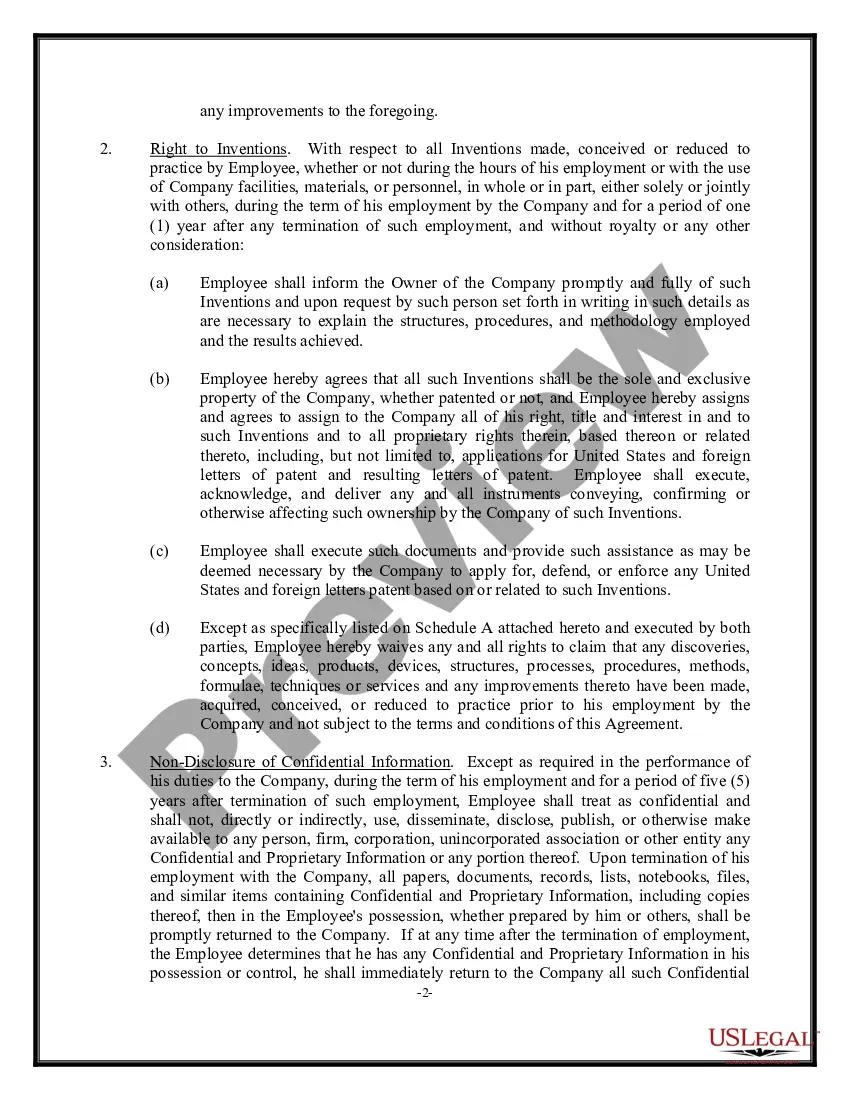
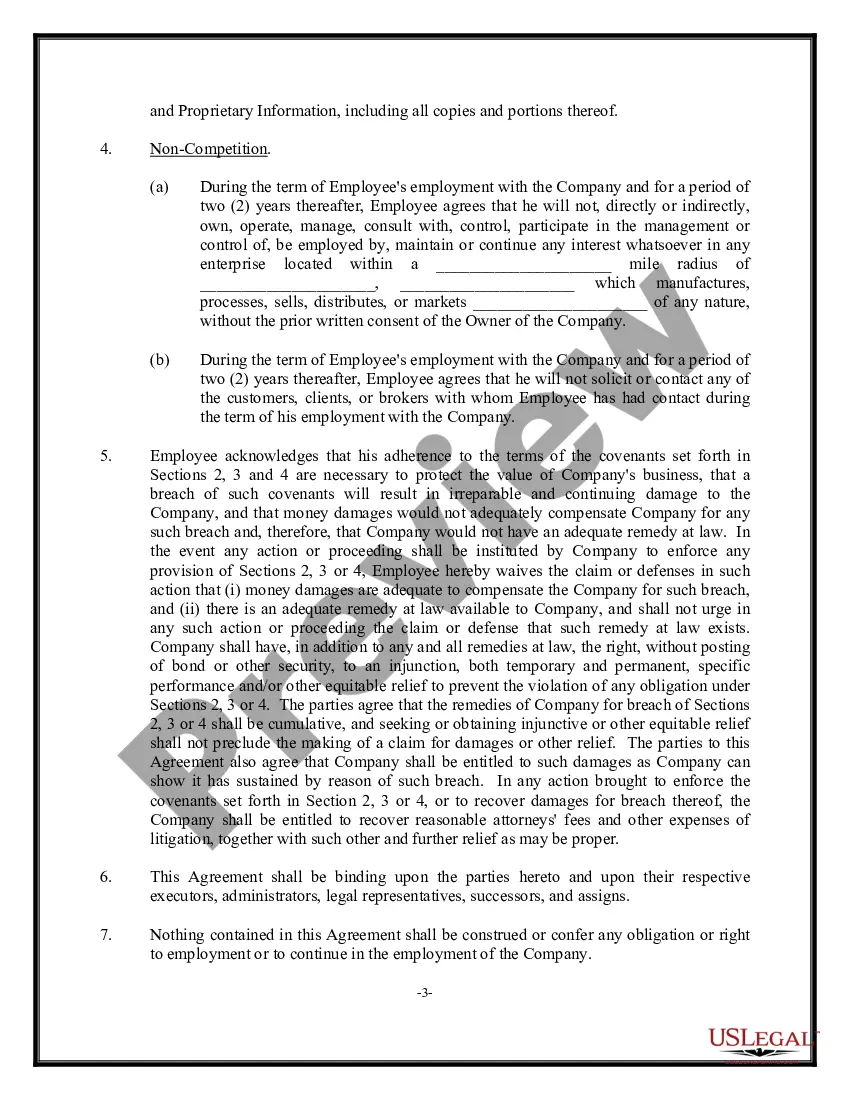
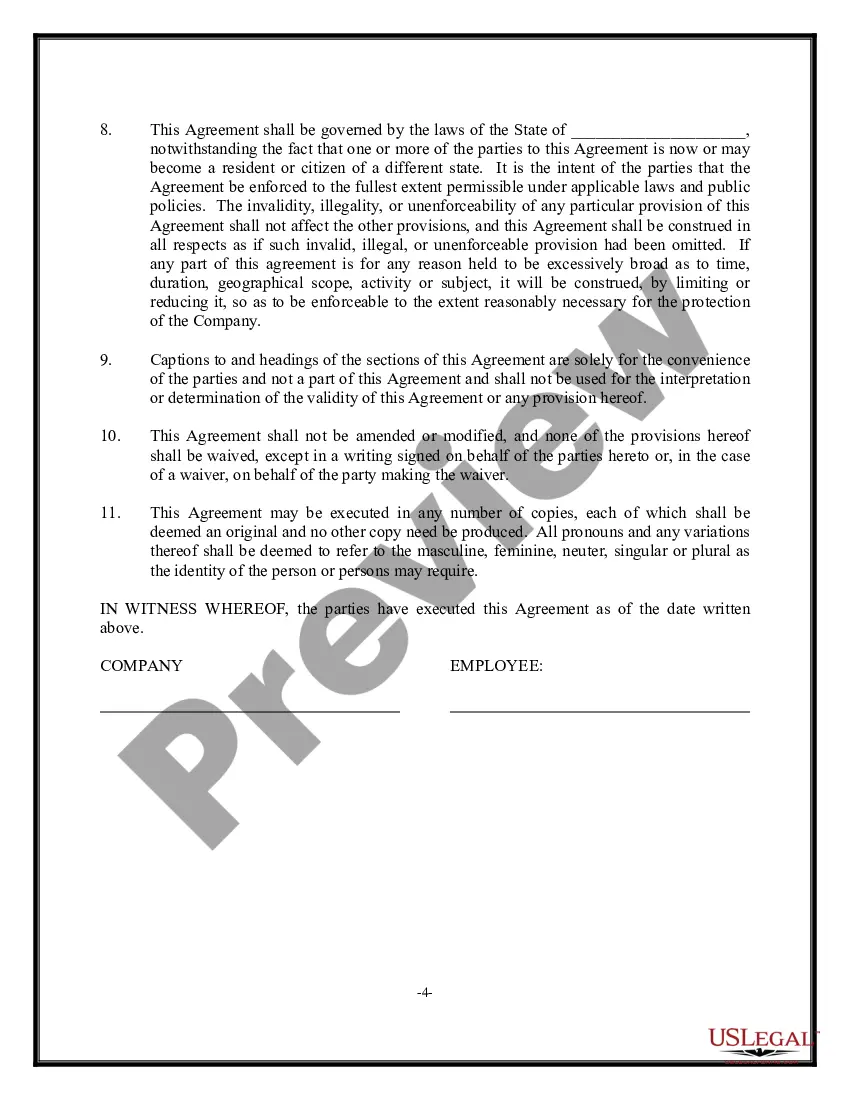
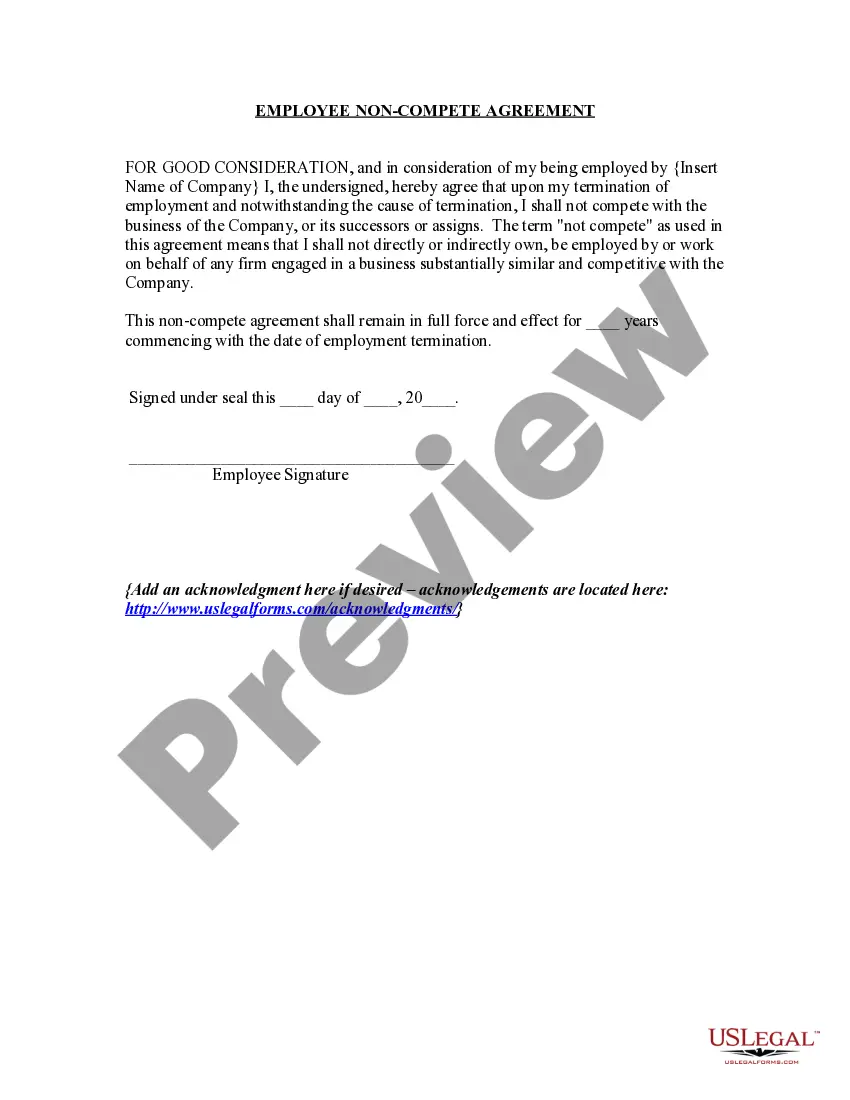
The following are the most common ways to get out of a non-compete agreement: Determine that the terms of the contract do not in fact prevent you from a desired course of action. Recognize when a non-compete contradicts the law. Negotiate a release agreement with the involved parties. Ignore the agreement.
In Massachusetts, a non-compete is only enforceable to protect a legitimate business interest. Certain recognized interests include: the protection of trade secrets, confidential information such as client lists, computer data, and business plans, and.
The Massachusetts Noncompetition Agreement Act (MNAA), applicable to agreements made on or after October 1, 2018, prohibits a restricted period of longer than one year from the date the employment ends.
Non-Compete Agreements are generally not enforceable unless they're used to protect trade secrets or a purchaser of a business, recover education or training expenses from an employee of less than two years, or restrict executive and management personnel or professional staff to those personnel ( C.R.S.
Federal Ruling Overview As a result, the rule, which was set to take effect on September 4, 2024, is void, and existing non-compete agreements remain enforceable under federal law.
The MNAA does not apply retroactively. That really should not come as a surprise to anyone. “Reaffirmation” of an existing noncompete may be considered a new agreement subject to the MNAA. But don't worry too much.
Massachusetts Law on Non-Disclosure Agreements: In the Massachusetts statute on taking trade secrets, there is a prohibition on taking qualifying information through such acts as embezzlement, stealing, fraud, copying, and other misconduct.
Unfair Competition: The Legal Standard Chapter 93A outlines the regulations for unfair business practices. It states: "Unfair methods of competition and unfair or deceptive acts or practices in the conduct of any trade or commerce are hereby declared unlawful."
In Massachusetts, a non-compete is only enforceable to protect a legitimate business interest.
Massachusetts law requires that non–compete agreements be limited in time, scope, geography, and supported by consideration. A non-compete must not be broader than necessary to protect one or more of the following legitimate business interests of the employer: The employer's trade secrets.
