Quick Deed Vs Warranty Deed In Santa Clara
Description

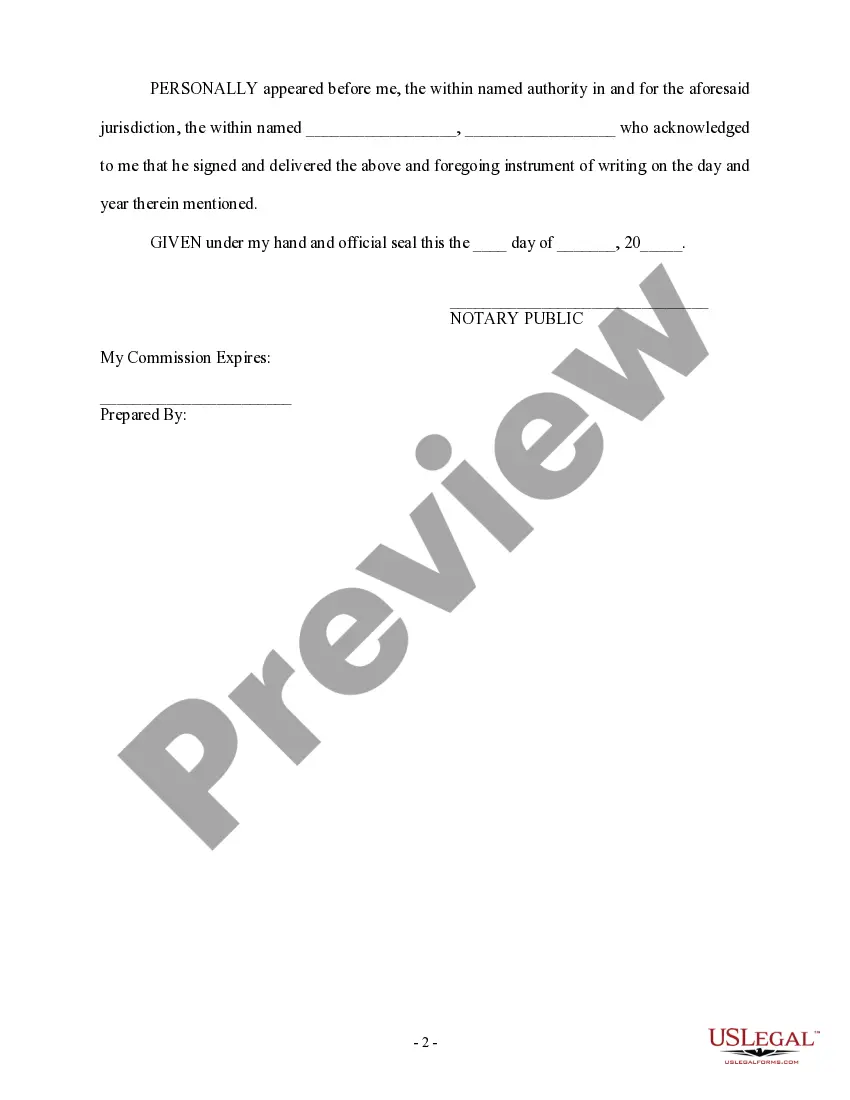
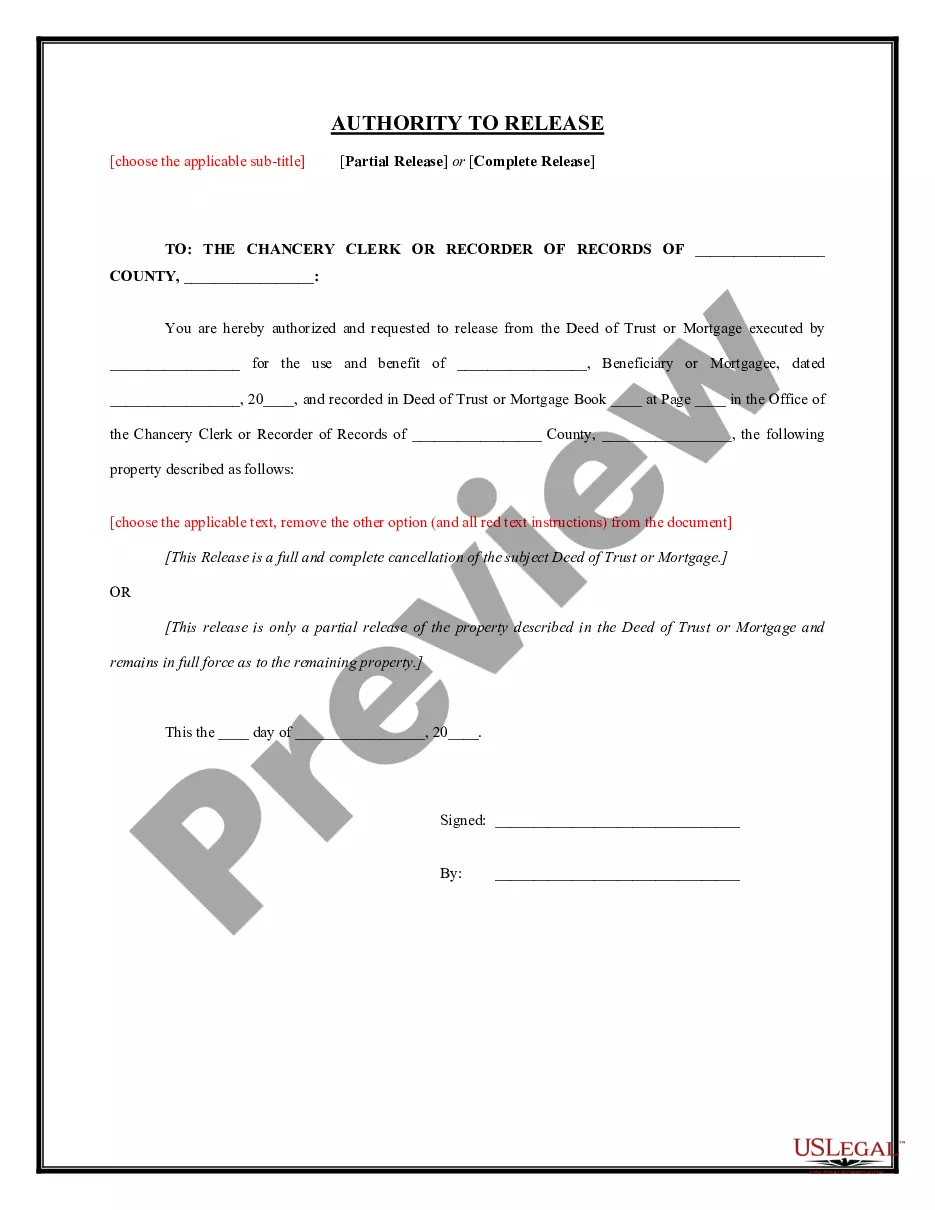
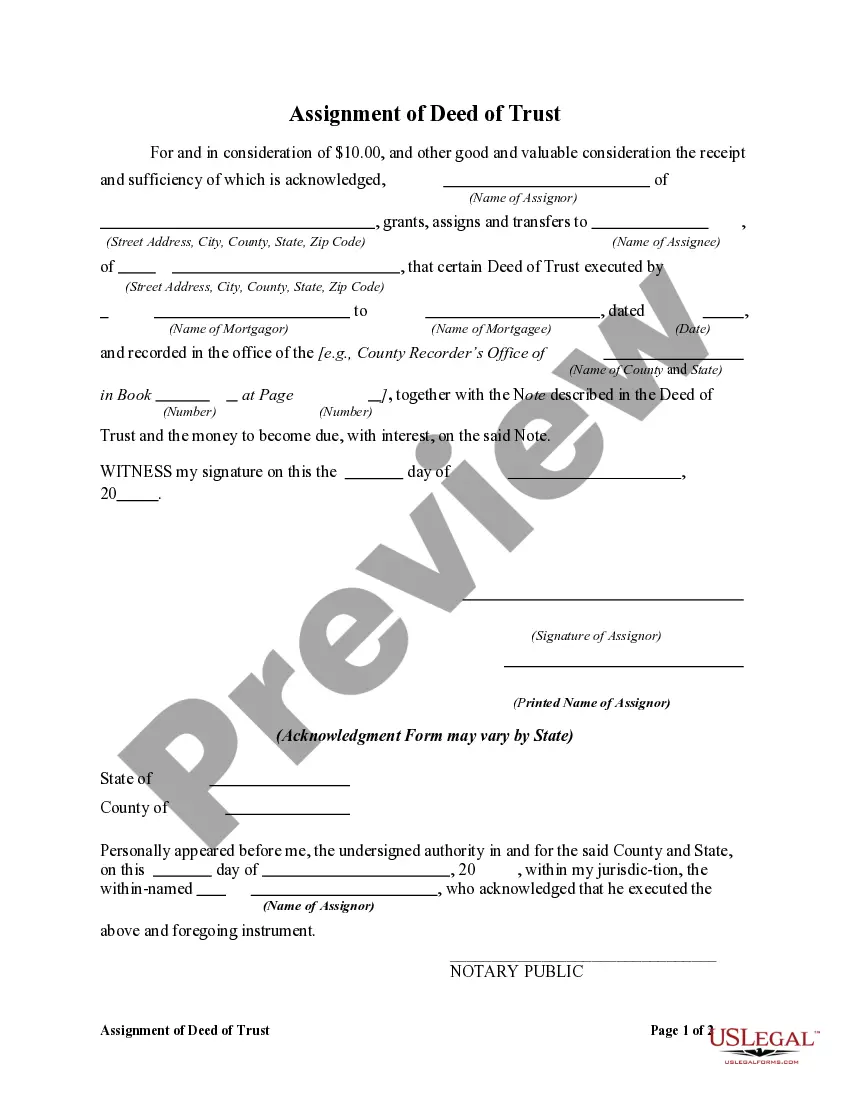

Get your form ready online
Our built-in tools help you complete, sign, share, and store your documents in one place.
Make edits, fill in missing information, and update formatting in US Legal Forms—just like you would in MS Word.
Download a copy, print it, send it by email, or mail it via USPS—whatever works best for your next step.
Sign and collect signatures with our SignNow integration. Send to multiple recipients, set reminders, and more. Go Premium to unlock E-Sign.
If this form requires notarization, complete it online through a secure video call—no need to meet a notary in person or wait for an appointment.
We protect your documents and personal data by following strict security and privacy standards.

Make edits, fill in missing information, and update formatting in US Legal Forms—just like you would in MS Word.

Download a copy, print it, send it by email, or mail it via USPS—whatever works best for your next step.

Sign and collect signatures with our SignNow integration. Send to multiple recipients, set reminders, and more. Go Premium to unlock E-Sign.

If this form requires notarization, complete it online through a secure video call—no need to meet a notary in person or wait for an appointment.

We protect your documents and personal data by following strict security and privacy standards.
Looking for another form?








Form popularity
FAQ
What Is the Strongest Type of Deed? For real estate buyers, a general warranty deed provides greater protection than any other type of deed. While it's the best deed for the grantee, it gives the grantor the most liability.
A general warranty deed must include the following to be valid: The name and address of the seller (called the grantor) The name and address of the buyer (called the grantee) A legal description of the property (found on the previous deed) A statement that the grantor is transferring the property to the grantee.
Quitclaims, waivers, or releases by employees are generally looked upon with disfavor and are commonly frowned upon by the courts, since they are usually contrary to public policy, ineffective, and are meant to bar claims to an employee's legal rights.
If you think a quitclaim deed may be appropriate for you, consult an estate planning attorney. They can draft a quitclaim deed for you transferring ownership of the real property from the grantor (or property owner) to the grantee (person receiving the interest). You should sign the deed in front of a notary public.
Common uses – Typically, quitclaim deeds are used for lower-risk transfers between related parties. In contrast, warranty deeds are used for real estate sales and high-value transactions involving unrelated grantees. Grantee risks – With a quitclaim deed, all risks remain with the grantee.
The grantor, the person giving away the property, gives their current deed to the grantee, the person receiving the property. The title is transferred without any amendments or additions.
Who prepares the quitclaim deed form? In divorce cases, a quitclaim deed is typically prepared by an attorney, a title company, or a real estate professional. Although the deed itself may seem straightforward, it's crucial to have it drafted correctly to avoid potential legal complications down the line.
Title searches, examinations, closings and policy production are, ordinarily, performed by non-attorneys. Non-attorney title professionals are permitted to prepare form deeds provided that they are instructed to do so by a licensed realtor or attorney.
(California Government Code §§ 27201, 27289, 27285, 27287, 27288; C.C. § 1189.) After proper notarization, the quitclaim deed can be recorded at the Local County Recorder's office, typically either in person or by mail when the appropriate fees are included.
It's safer to use a warranty deed any time you are not entirely sure of your or someone else's ownership stake in any property. If you are transferring a property to your child or to a revocable trust agreement as part of an estate plan, then a quitclaim deed could do the trick.
