Competition Noncompetition For Students In Illinois
Description

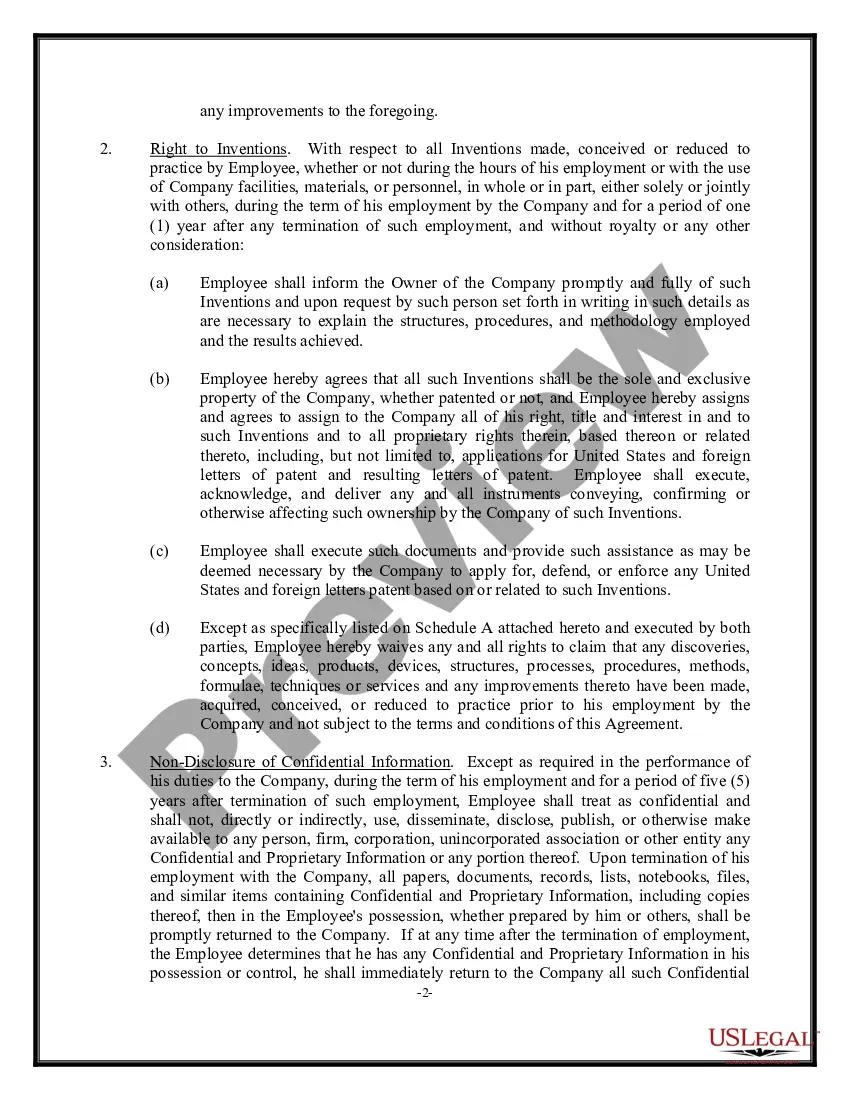
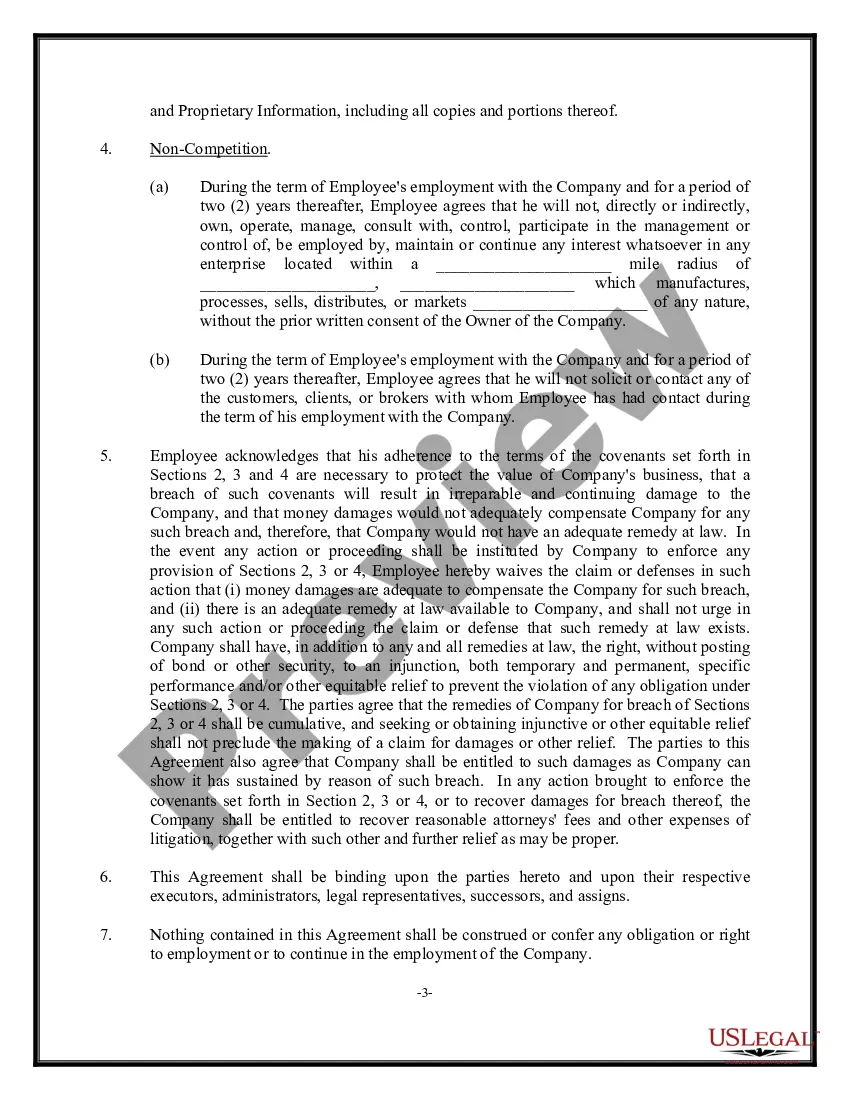
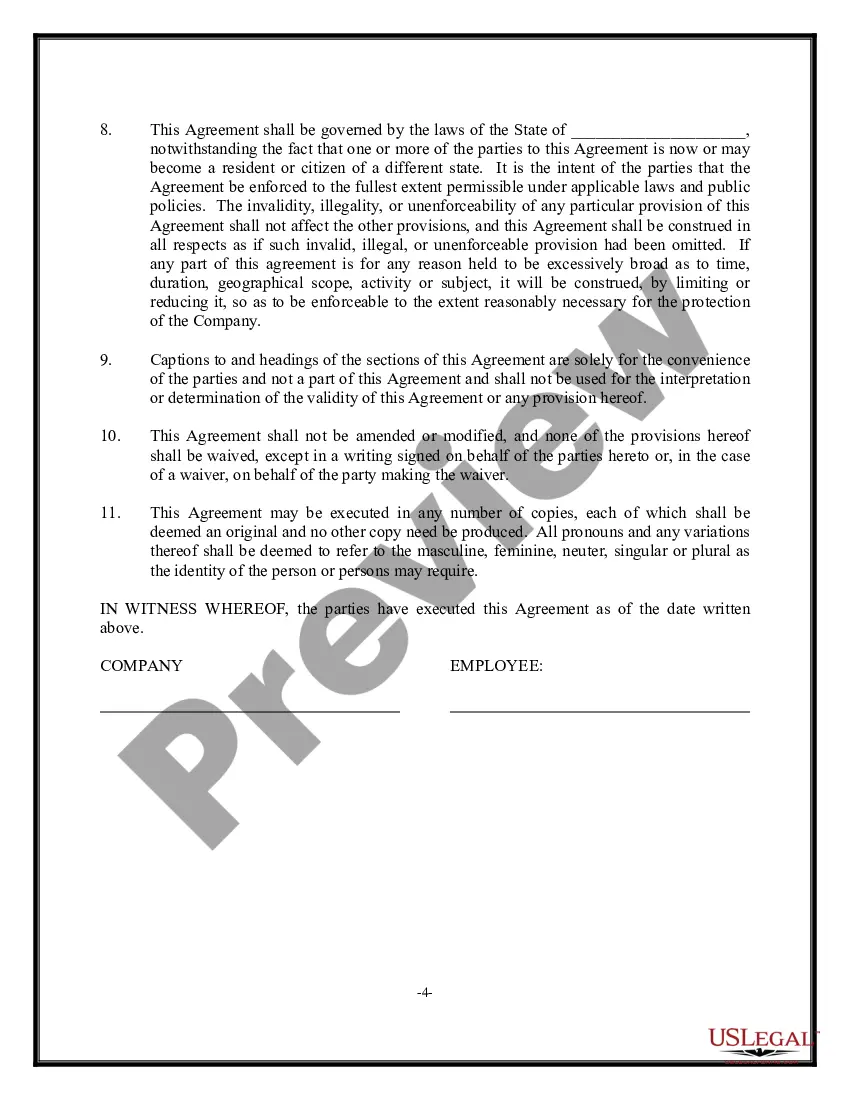
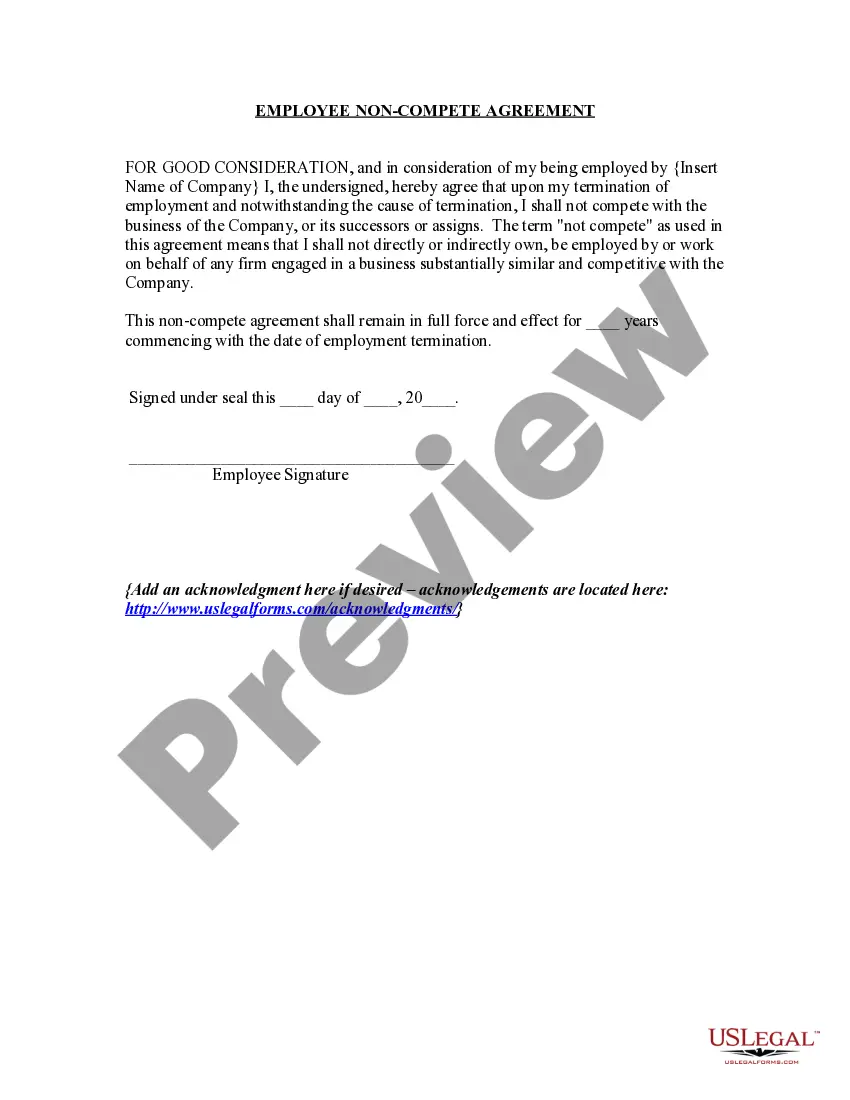
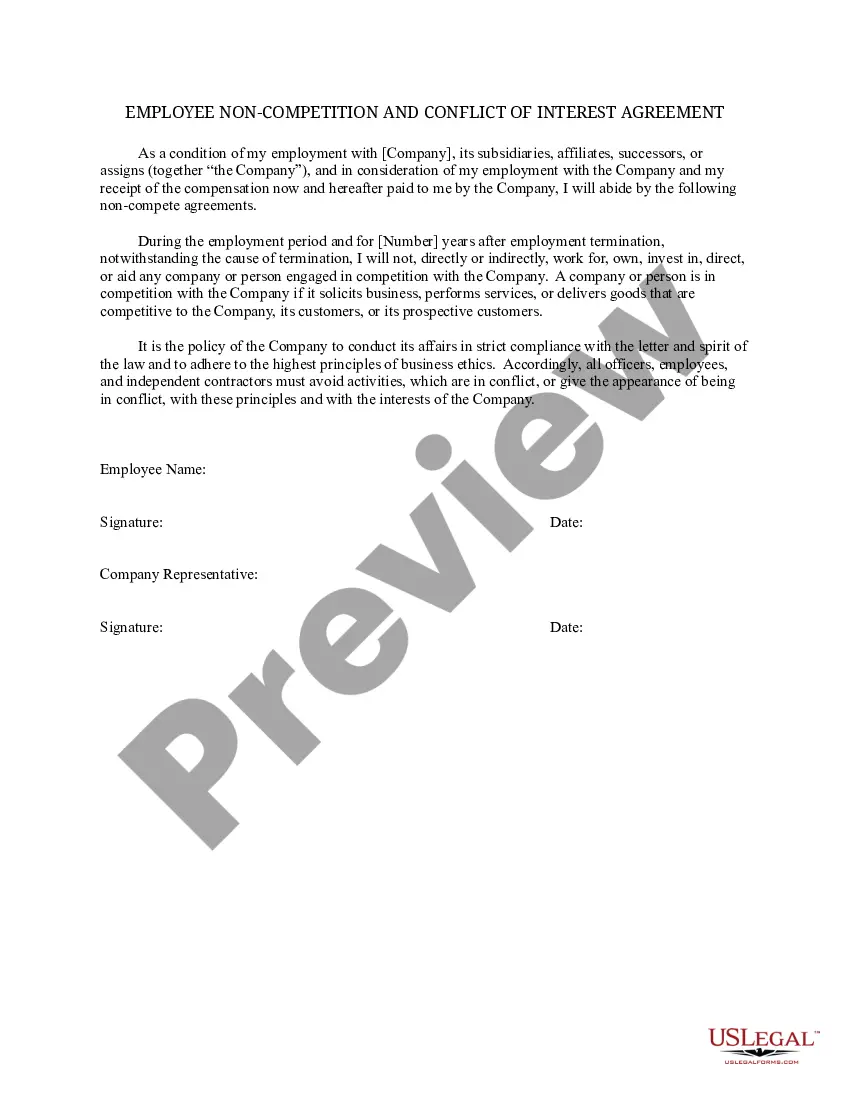
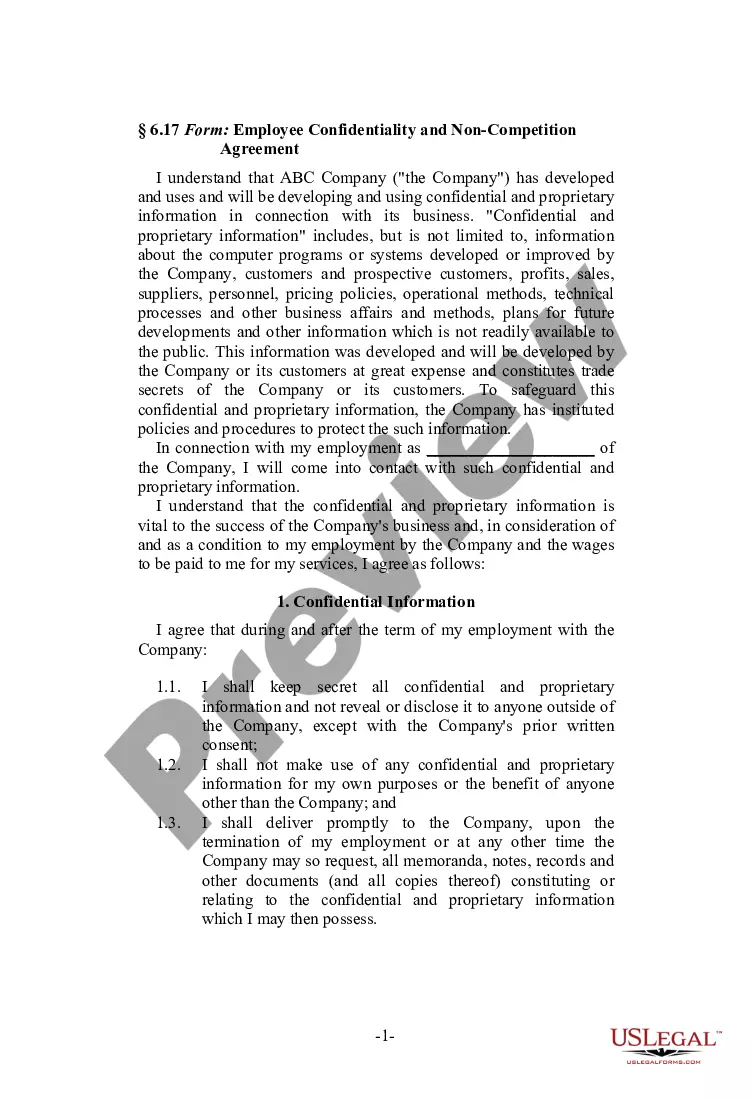
Get your form ready online
Our built-in tools help you complete, sign, share, and store your documents in one place.
Make edits, fill in missing information, and update formatting in US Legal Forms—just like you would in MS Word.
Download a copy, print it, send it by email, or mail it via USPS—whatever works best for your next step.
Sign and collect signatures with our SignNow integration. Send to multiple recipients, set reminders, and more. Go Premium to unlock E-Sign.
If this form requires notarization, complete it online through a secure video call—no need to meet a notary in person or wait for an appointment.
We protect your documents and personal data by following strict security and privacy standards.

Make edits, fill in missing information, and update formatting in US Legal Forms—just like you would in MS Word.

Download a copy, print it, send it by email, or mail it via USPS—whatever works best for your next step.

Sign and collect signatures with our SignNow integration. Send to multiple recipients, set reminders, and more. Go Premium to unlock E-Sign.

If this form requires notarization, complete it online through a secure video call—no need to meet a notary in person or wait for an appointment.

We protect your documents and personal data by following strict security and privacy standards.
Looking for another form?









Form popularity
FAQ
The employer's breach of the parties' employment relationship or unclean hands can serve as a defense to defeat a covenant not to compete or non-solicitation clause signed by the employee, even if that agreement is otherwise properly narrowly drafted and enforceable.
For employees who are not low-wage employees, under Illinois common law, non-competes are enforceable if the employer terminated employment in good faith and with good cause (Rao v. Rao, 718 F.
On April 23, 2024, the Federal Trade Commission (FTC) published its final rule regarding non-compete clauses. The final rule bans most non-compete clauses between employers and their workers. The effective date of the final rule is September 4, 2024.
As a result, the rule, which was set to take effect on September 4, 2024, is void, and existing non-compete agreements remain enforceable under federal law.
On April 23, 2024, the Federal Trade Commission issued its long-awaited Final Non-Compete Clause Rule, which operates to ban most post-employment non-compete agreements between employers and their workers.
The employer's breach of the parties' employment relationship or unclean hands can serve as a defense to defeat a covenant not to compete or non-solicitation clause signed by the employee, even if that agreement is otherwise properly narrowly drafted and enforceable.
Illinois prohibits non-compete agreements between an employer and low-wage employees, including non-competes that restrict a low- wage employee from performing work in a specified geographical area, and work for another employer that is similar to the employee's work for the employer that is party to the agreement (see ...
Several factors can void or limit the enforceability of a non-compete agreement, including overly broad restrictions, unreasonable time frames or geographical limits, lack of consideration (such as compensation or job opportunities provided in exchange for the agreement), and violation of public policy.
Now that the FTC is permanently enjoined from enforcing the rule, (unless and until a successful FTC appeal), non-competes return to the status quo and are legal and enforceable on the same terms as they were before the FTC passed the non-compete rule.
