Competition Noncompetition For 2023 In Illinois
Description

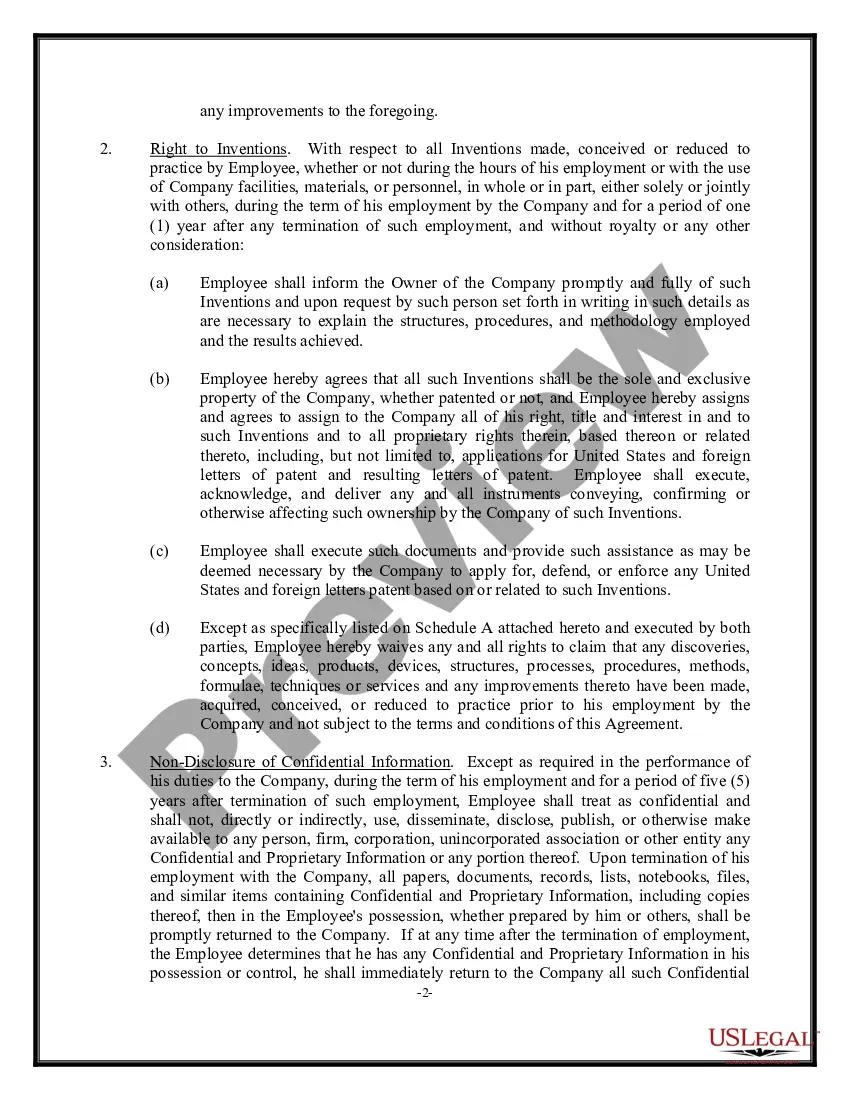
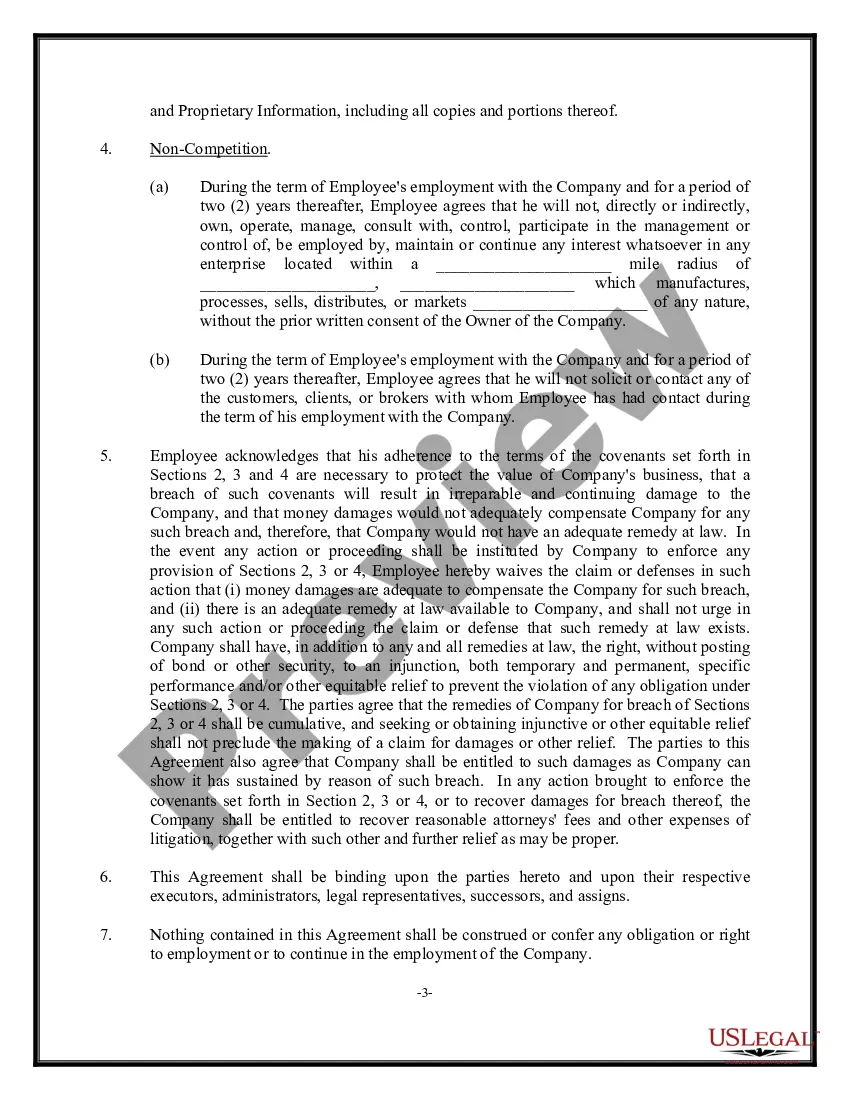
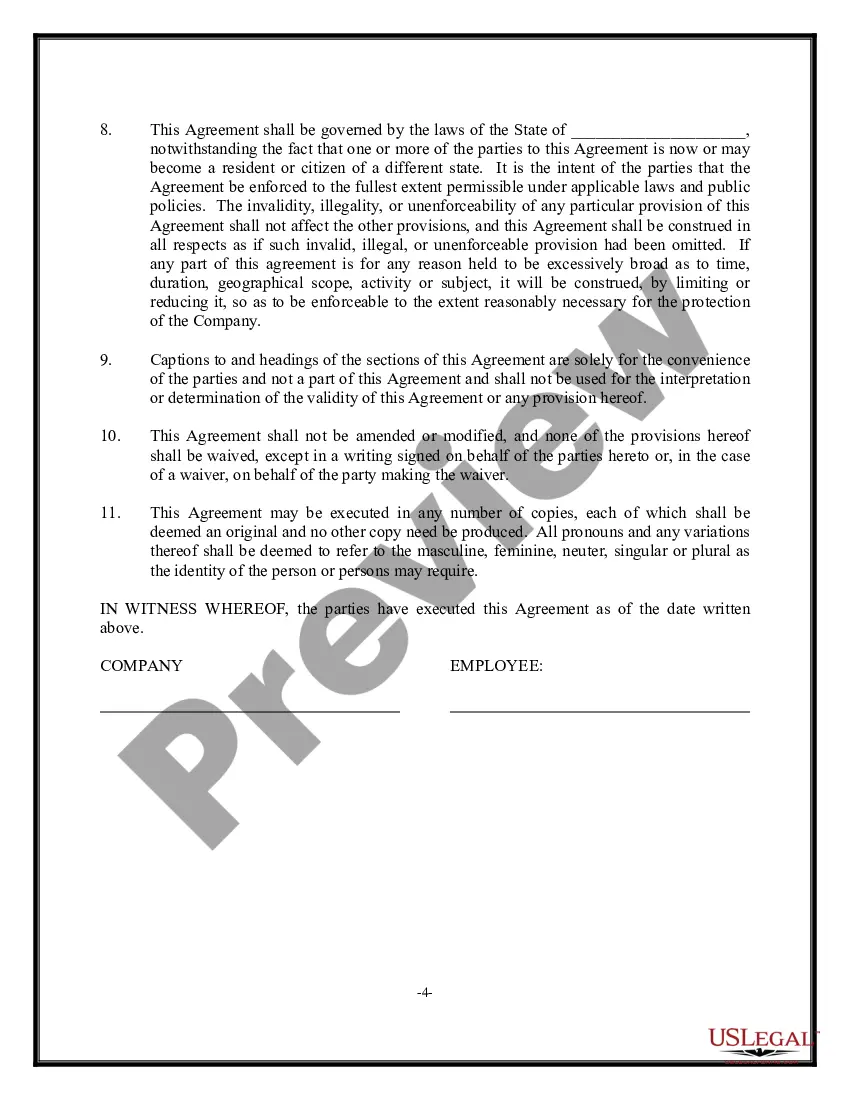
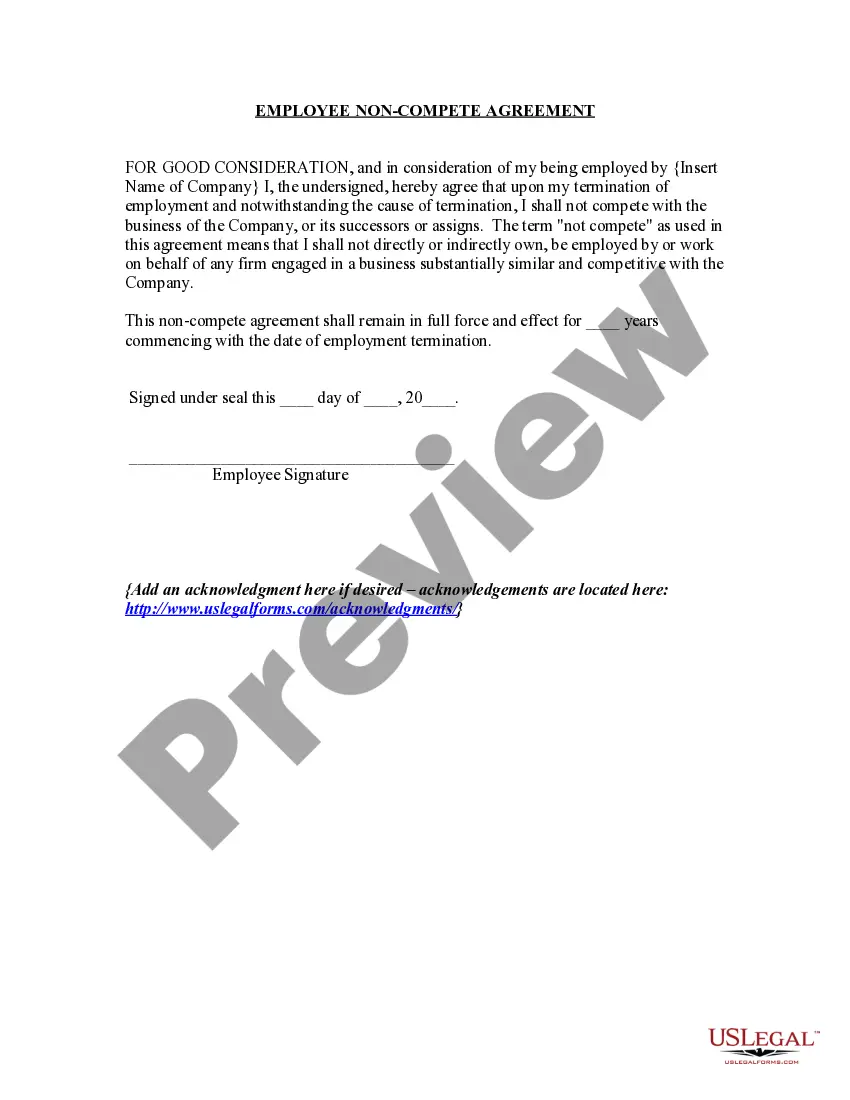
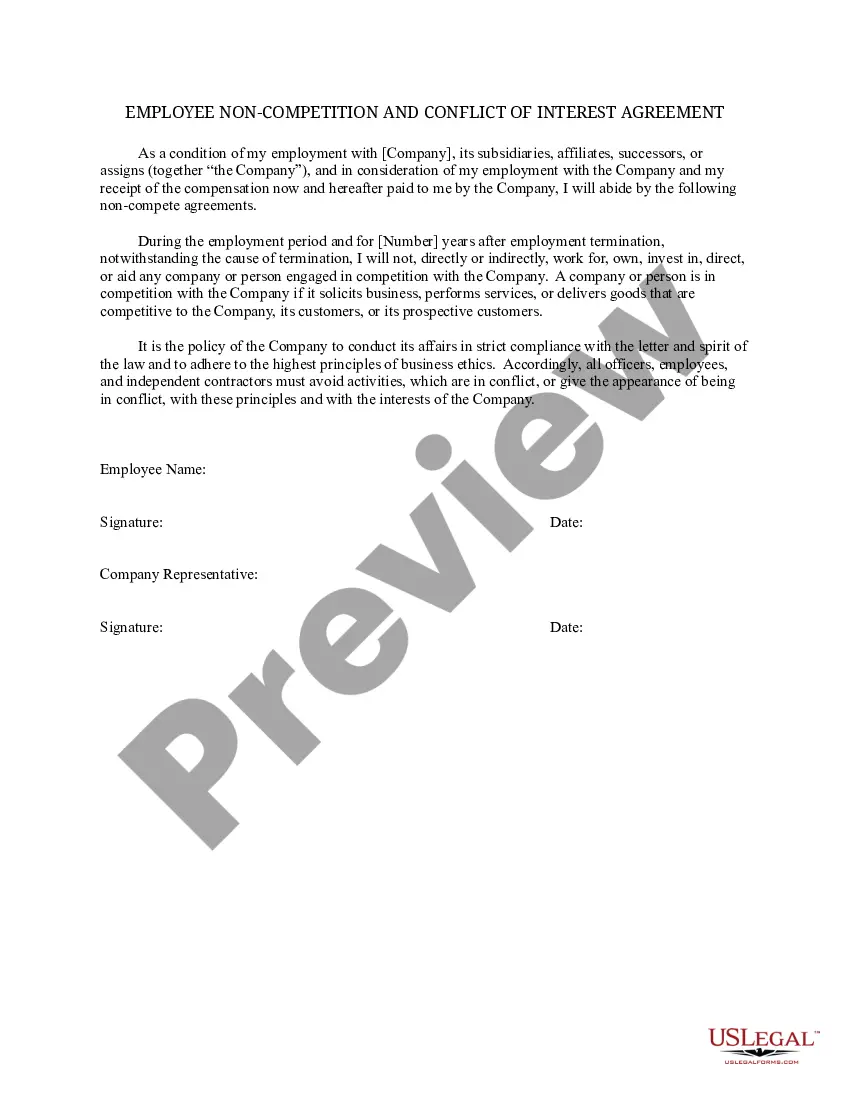
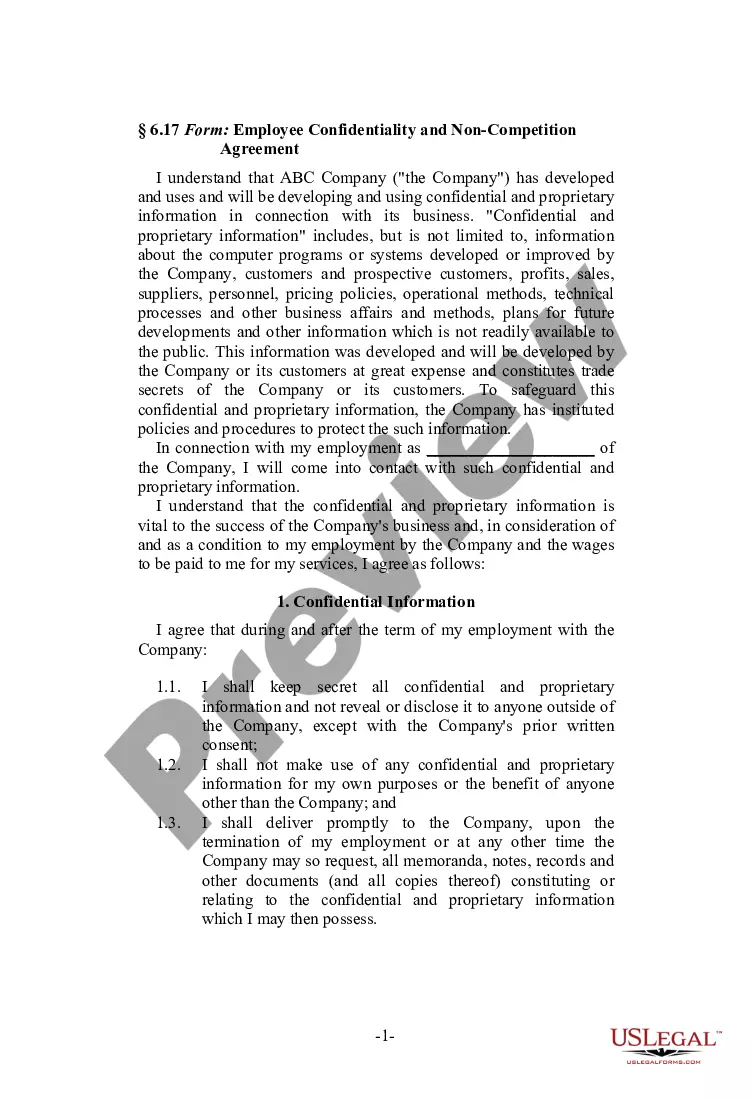
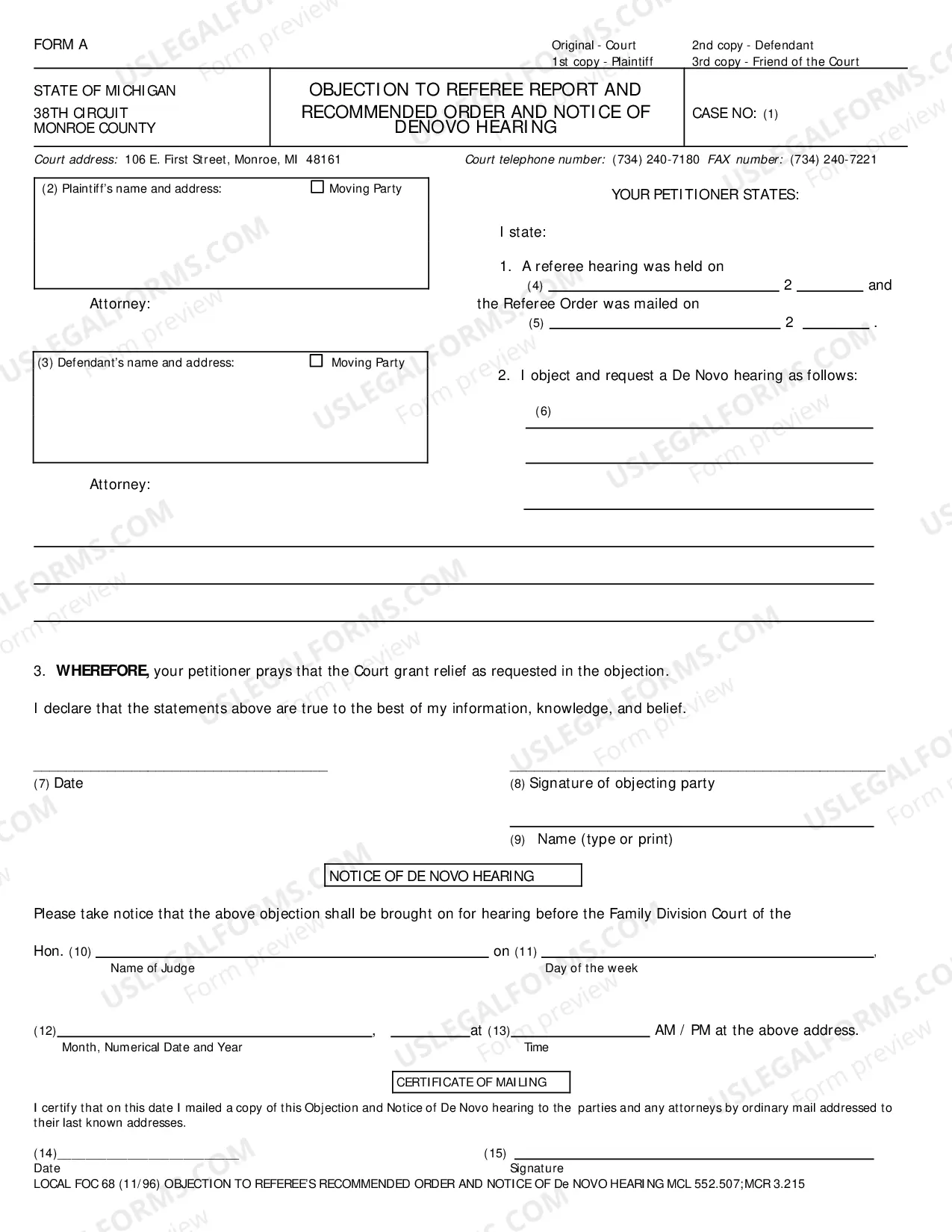
Get your form ready online
Our built-in tools help you complete, sign, share, and store your documents in one place.
Make edits, fill in missing information, and update formatting in US Legal Forms—just like you would in MS Word.
Download a copy, print it, send it by email, or mail it via USPS—whatever works best for your next step.
Sign and collect signatures with our SignNow integration. Send to multiple recipients, set reminders, and more. Go Premium to unlock E-Sign.
If this form requires notarization, complete it online through a secure video call—no need to meet a notary in person or wait for an appointment.
We protect your documents and personal data by following strict security and privacy standards.

Make edits, fill in missing information, and update formatting in US Legal Forms—just like you would in MS Word.

Download a copy, print it, send it by email, or mail it via USPS—whatever works best for your next step.

Sign and collect signatures with our SignNow integration. Send to multiple recipients, set reminders, and more. Go Premium to unlock E-Sign.

If this form requires notarization, complete it online through a secure video call—no need to meet a notary in person or wait for an appointment.

We protect your documents and personal data by following strict security and privacy standards.
Looking for another form?







Form popularity
FAQ
Prohibits employers from entering into a covenant not to compete or covenant not to solicit after January 1, 2026. Any such covenants entered into on or after January 1, 2026 are deemed illegal and void, even if the contract was signed and the employment occurred outside of Illinois.
US FTC Rule Banning Non-Competes. On April 23, 2024, the U.S. Federal Trade Commission voted 3-2 to finalize and promulgate a rule banning most non-compete clauses in employer-employee contracts.
So long as the restraint on who the employee can contact is reasonable, the courts will enforce the non-solicitation agreement. A reasonable agreement is one which is not broader than necessary to protect an employer's legitimate business interest.
Several factors can void or limit the enforceability of a non-compete agreement, including overly broad restrictions, unreasonable time frames or geographical limits, lack of consideration (such as compensation or job opportunities provided in exchange for the agreement), and violation of public policy.
Compete Agreement typically lasts six months to two years, but varies depending on your state's laws. A judge is likely to find anything longer than that to be unreasonable, and an indefinite agreement is out of the question.
Additionally, the agreement not to compete must not impose undue hardship on the employee. A clause prohibiting the employee from working for a competitor in a 10 mile radius may be acceptable, but one that prohibits him from working for any competitor in North America may not.
Proving there was a breach of your employment contract is another way that you can defeat a non-compete agreement. If your employer did not fulfill the employment contract terms, they likely can't force you to stick to a non-compete agreement. This is known as a material breach.
As a result, the rule, which was set to take effect on September 4, 2024, is void, and existing non-compete agreements remain enforceable under federal law.
GENERAL STATUTE AND REGULATION The Illinois Freedom to Work Act (IFWA) prohibits non-compete agreements between an employer and low-wage employees (820 ILCS 90/1 to 90/10). federal, state, or local minimum wage law requires.
Illinois courts will only enforce a non-compete agreement if it is: Ancillary to either a valid contract or relationship. Supported by adequate consideration. Reasonable.
