Unfair Competition Sample For An Ice Cream Franchise In Fulton
Description

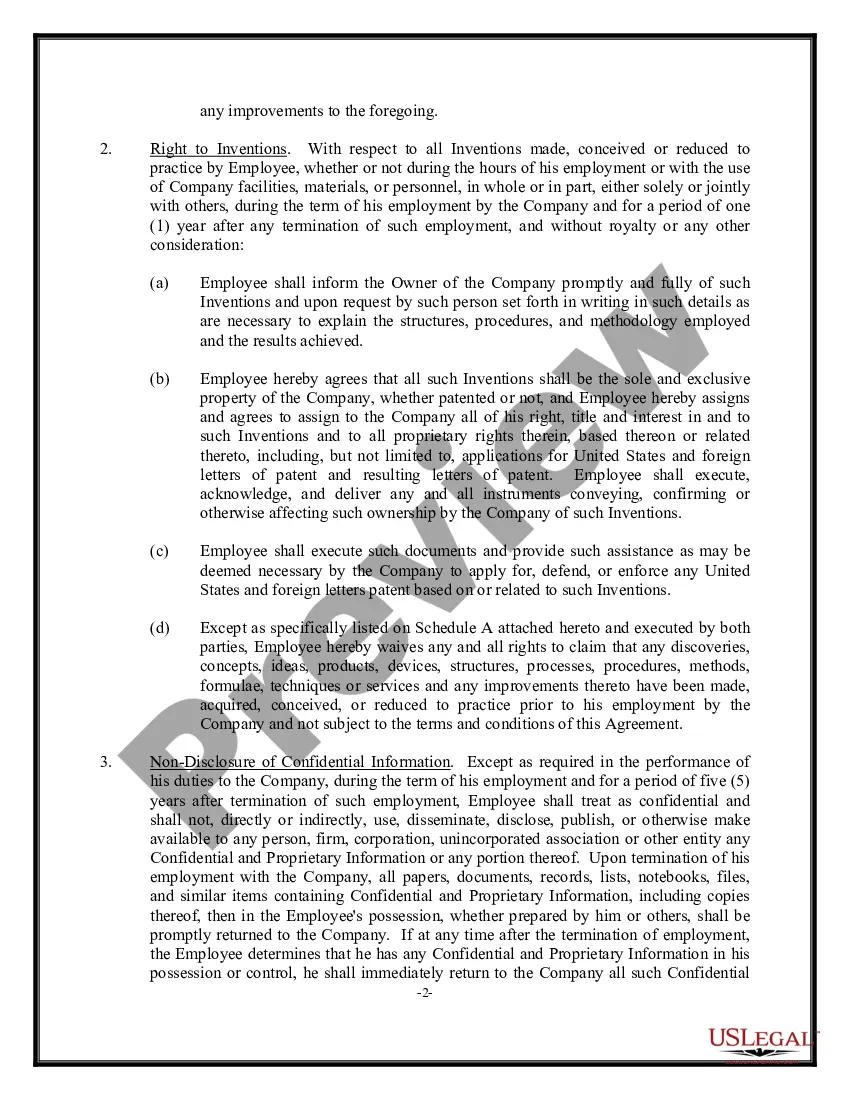
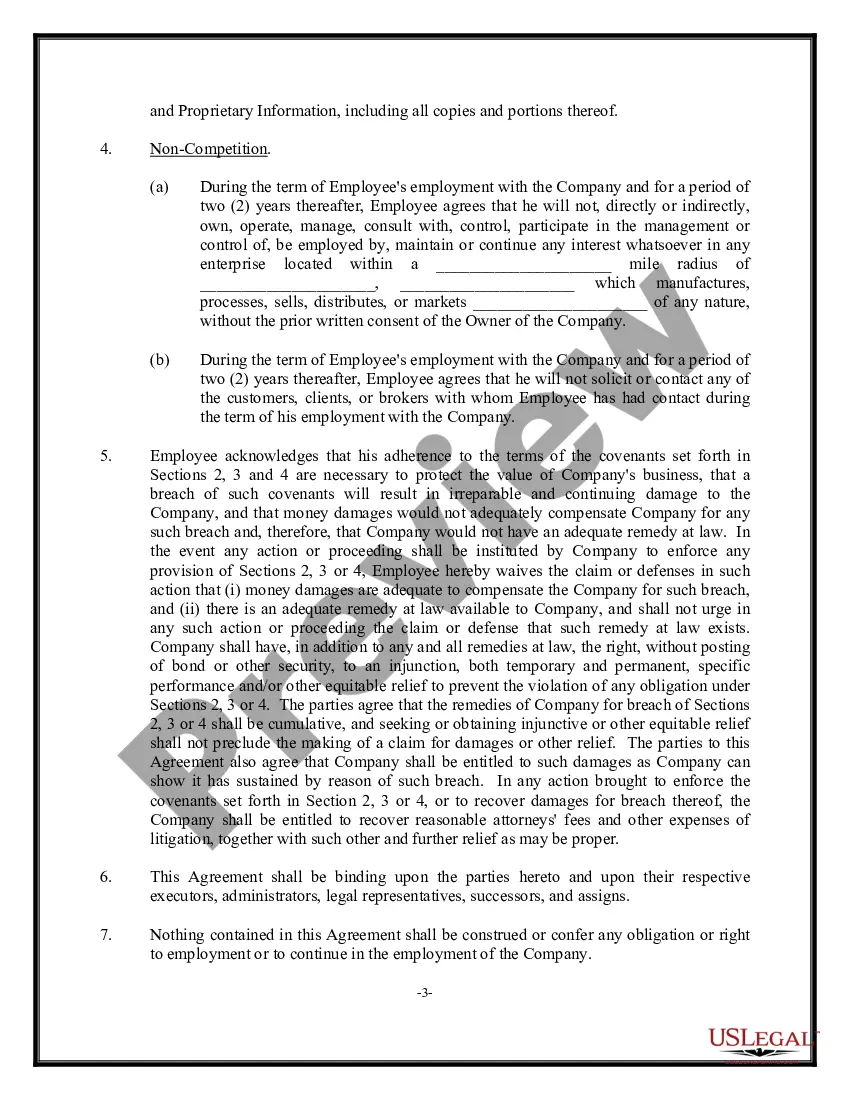
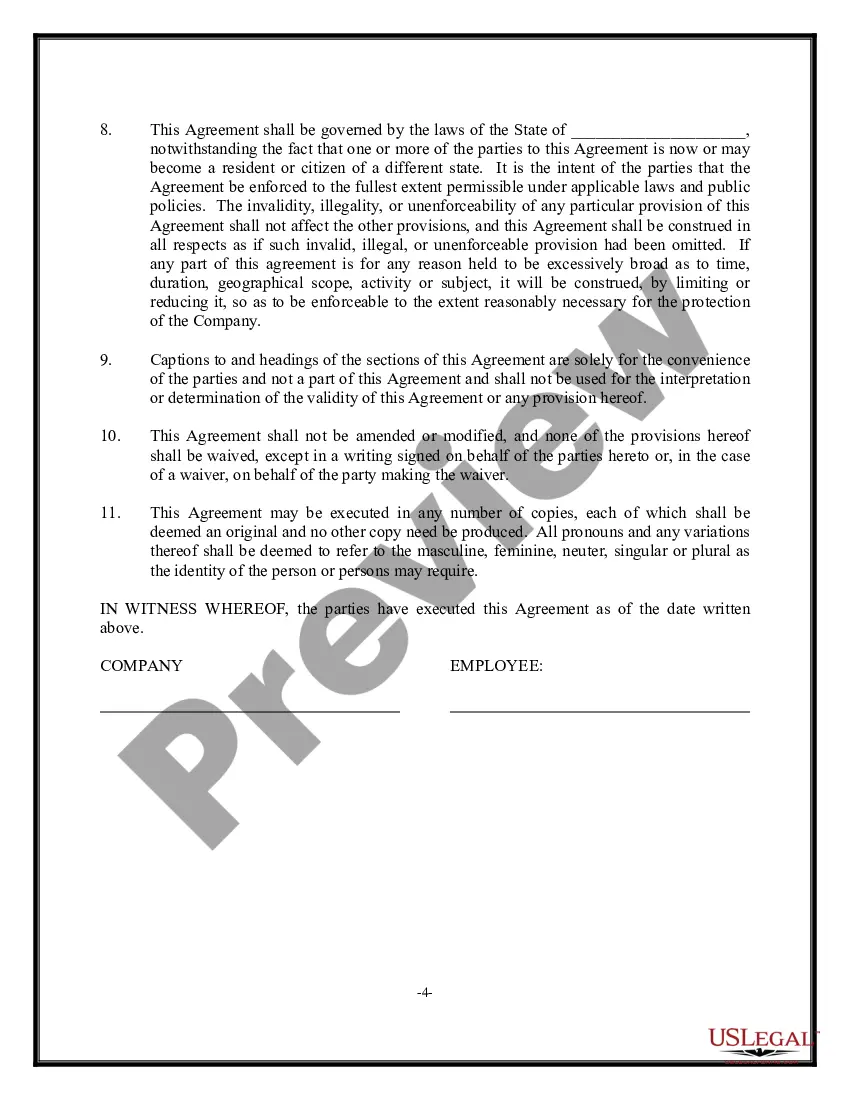
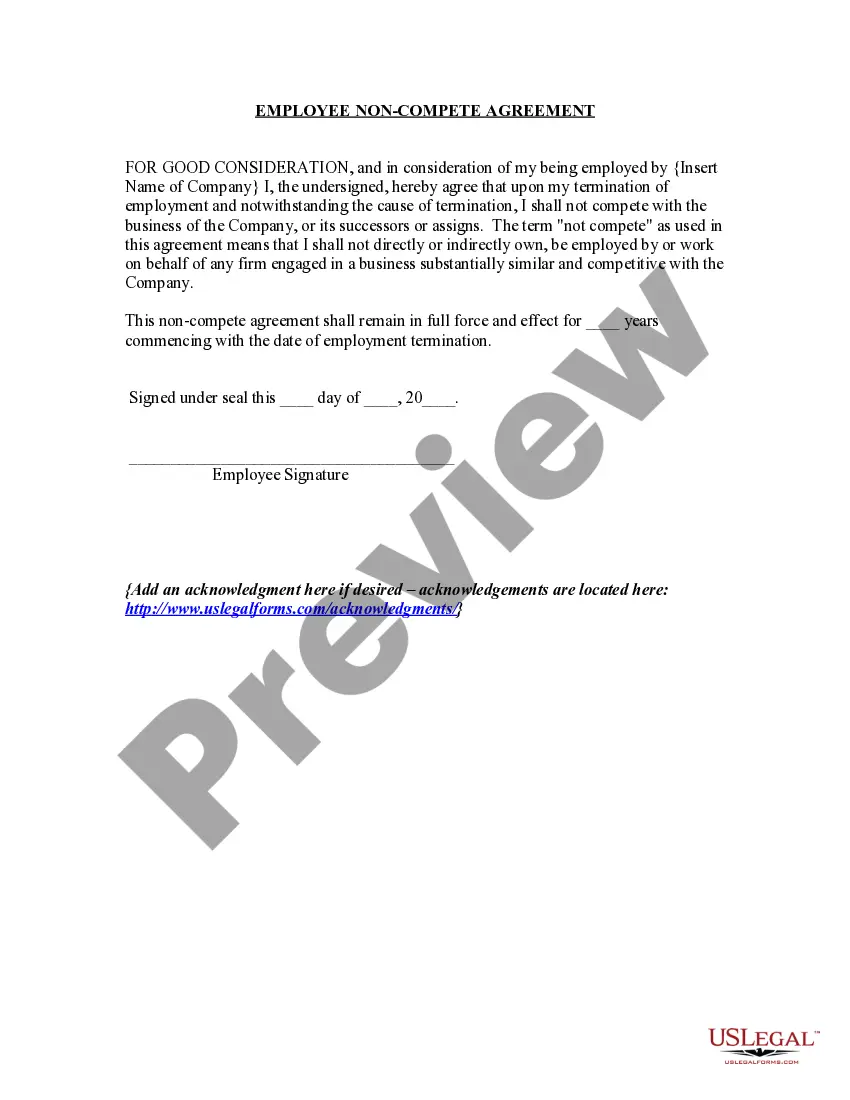
Get your form ready online
Our built-in tools help you complete, sign, share, and store your documents in one place.
Make edits, fill in missing information, and update formatting in US Legal Forms—just like you would in MS Word.
Download a copy, print it, send it by email, or mail it via USPS—whatever works best for your next step.
Sign and collect signatures with our SignNow integration. Send to multiple recipients, set reminders, and more. Go Premium to unlock E-Sign.
If this form requires notarization, complete it online through a secure video call—no need to meet a notary in person or wait for an appointment.
We protect your documents and personal data by following strict security and privacy standards.

Make edits, fill in missing information, and update formatting in US Legal Forms—just like you would in MS Word.

Download a copy, print it, send it by email, or mail it via USPS—whatever works best for your next step.

Sign and collect signatures with our SignNow integration. Send to multiple recipients, set reminders, and more. Go Premium to unlock E-Sign.

If this form requires notarization, complete it online through a secure video call—no need to meet a notary in person or wait for an appointment.

We protect your documents and personal data by following strict security and privacy standards.
Looking for another form?









Form popularity
FAQ
Two common examples of unfair competition are trademark infringement and misappropriation. The right to publicity is often invoked in misappropriation issues. Other practices that fall into the area of unfair competition include: False advertising.
Running an ice cream business can be as sweet as the treats you sell, but it also comes with its share of risks. From equipment breakdowns to potential customer injuries, your ice cream shop could face a variety of unexpected challenges. That's where insurance cover for ice cream vans comes into play.
Consumers or companies may have the right to sue under a state's unfair competition lawsuit. Typically, a plaintiff needs to prove two elements to win an unfair competition lawsuit: A consumer or business suffered an economic loss. A business's deceptive or wrongful conduct caused the economic loss.
Unfair competition is conduct by a market participant which gains or seeks to gain an advantage over its rivals through misleading, deceptive, dishonest, fraudulent, coercive or unconscionable conduct in trade or commerce.
Ice cream franchises can be profitable for business owners depending on the market, customer demographics, and competition present in the area.
The Unfair Competition Law of California prohibits false advertising and illegal business practices. The law is also known as the state's UCL. The law describes “unfair competition” as any unlawful, unfair, or fraudulent business act or practice, or false, deceptive, or misleading advertising.
(a) Any person who engages, has engaged, or proposes to engage in unfair competition shall be liable for a civil penalty not to exceed two thousand five hundred dollars ($2,500) for each violation, which shall be assessed and recovered in a civil action brought in the name of the people of the State of California by ...
The law describes “unfair competition” as any unlawful, unfair, or fraudulent business act or practice, or false, deceptive, or misleading advertising.
