Competition Noncompetition For Us Treasuries In Fulton
Description

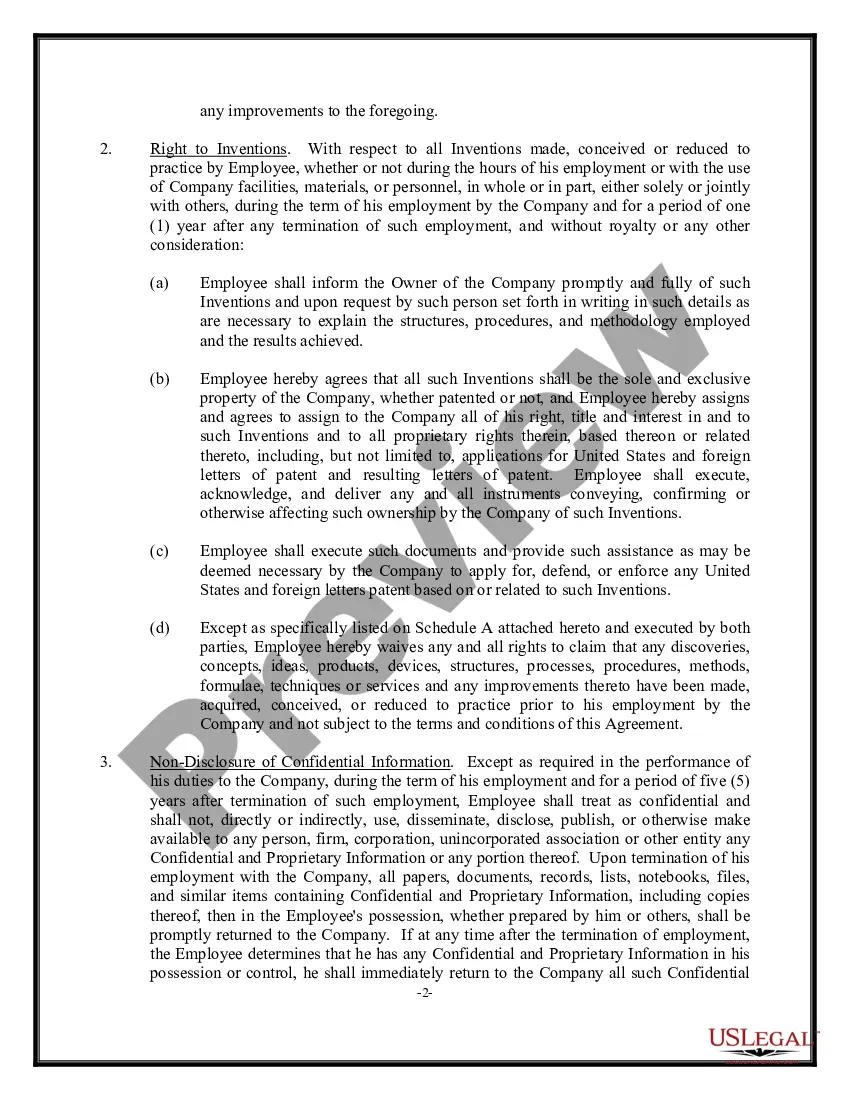
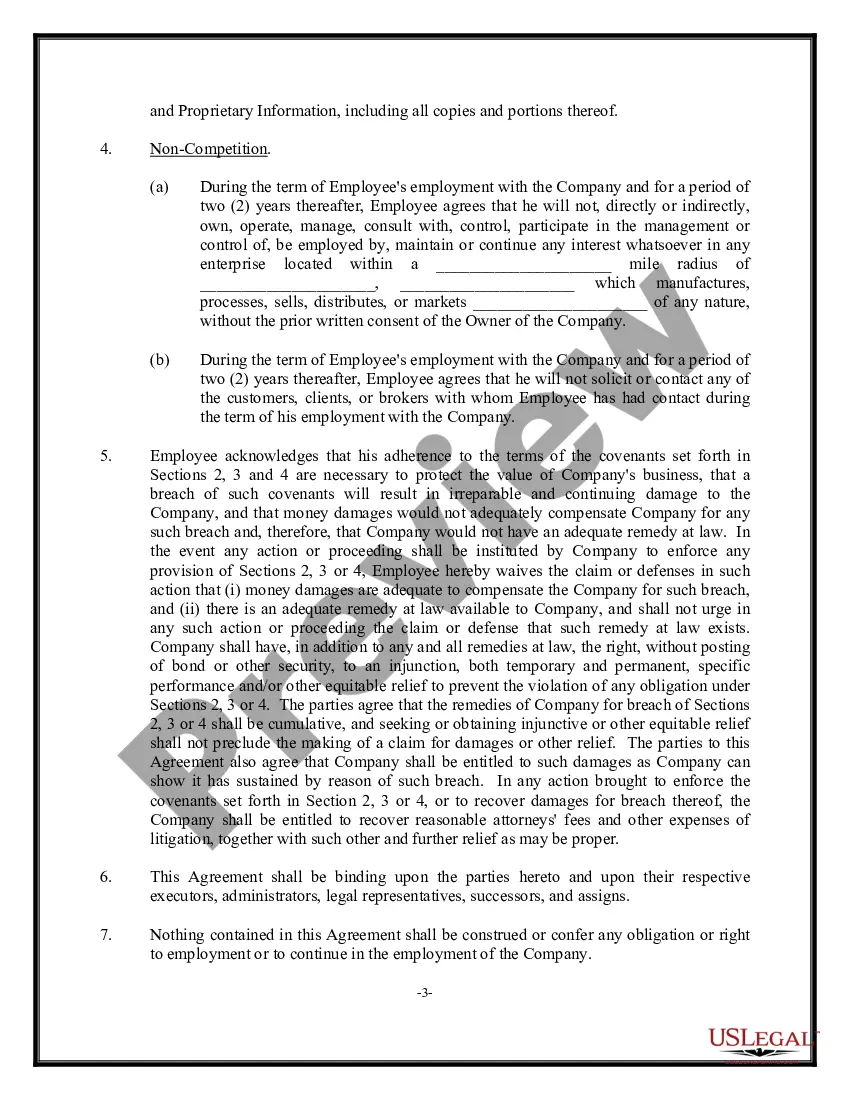
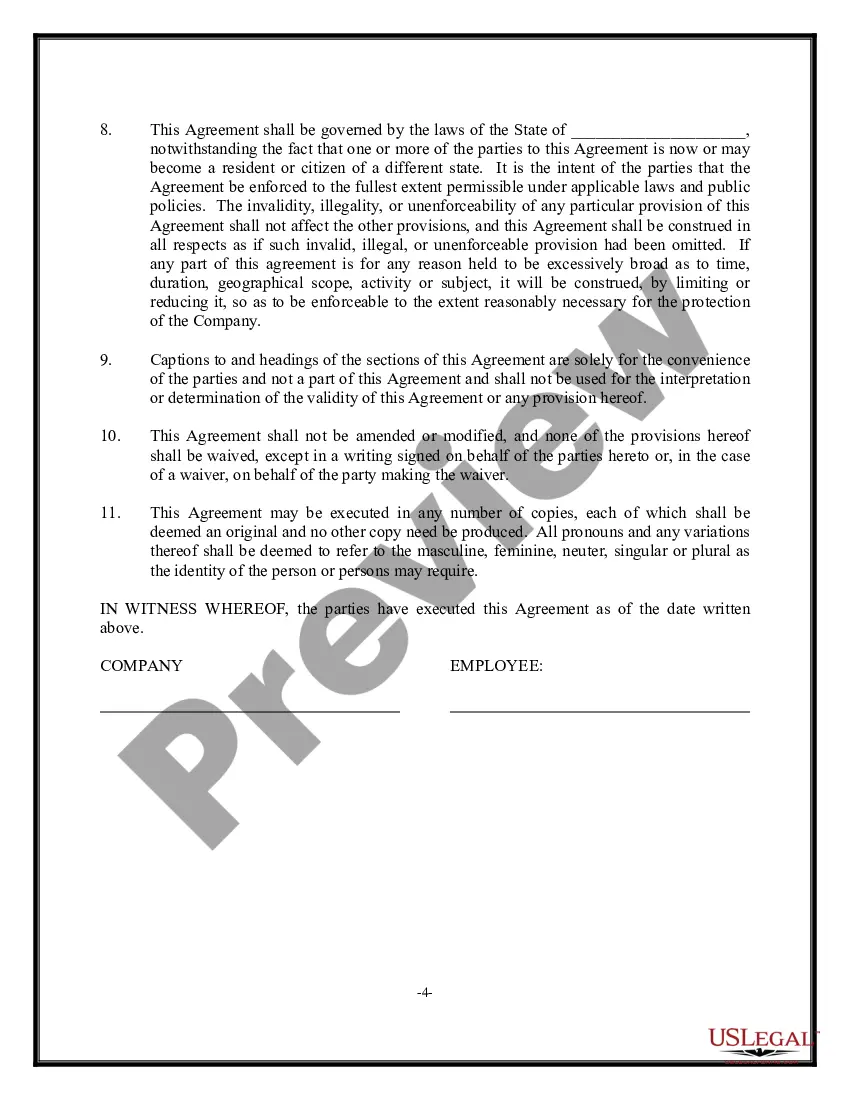
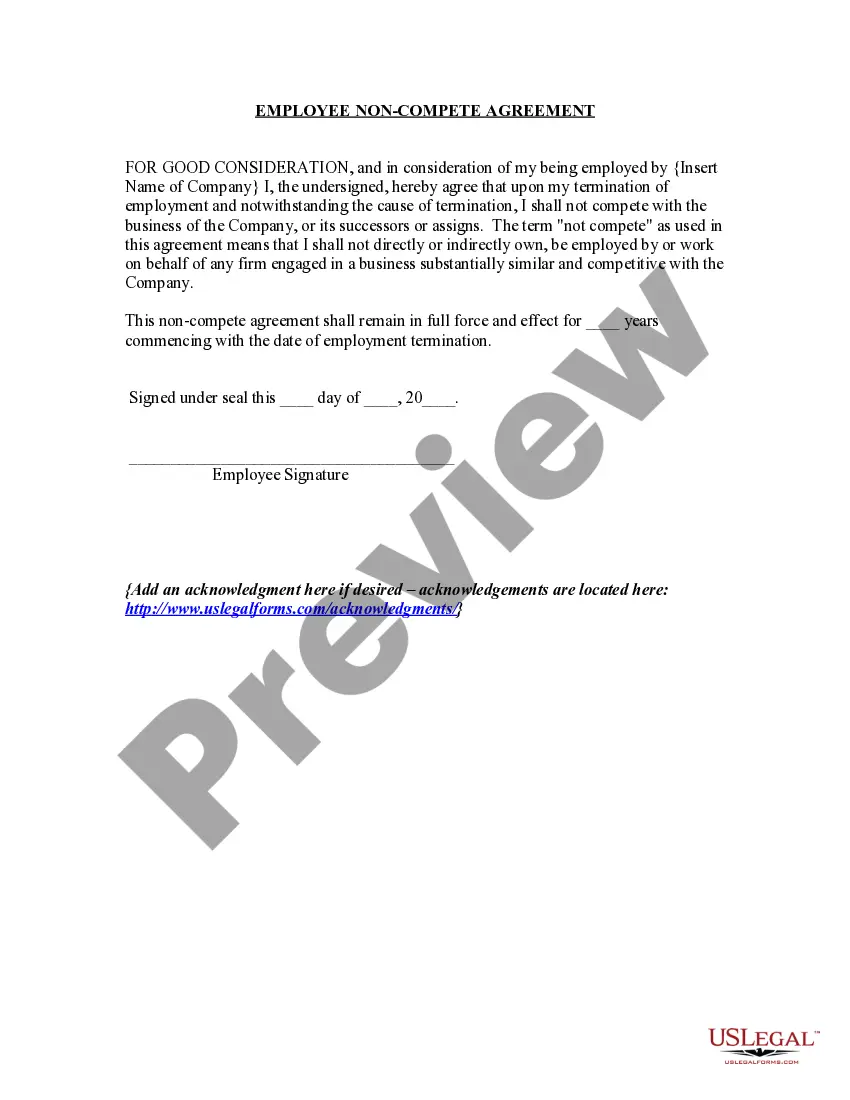
Get your form ready online
Our built-in tools help you complete, sign, share, and store your documents in one place.
Make edits, fill in missing information, and update formatting in US Legal Forms—just like you would in MS Word.
Download a copy, print it, send it by email, or mail it via USPS—whatever works best for your next step.
Sign and collect signatures with our SignNow integration. Send to multiple recipients, set reminders, and more. Go Premium to unlock E-Sign.
If this form requires notarization, complete it online through a secure video call—no need to meet a notary in person or wait for an appointment.
We protect your documents and personal data by following strict security and privacy standards.

Make edits, fill in missing information, and update formatting in US Legal Forms—just like you would in MS Word.

Download a copy, print it, send it by email, or mail it via USPS—whatever works best for your next step.

Sign and collect signatures with our SignNow integration. Send to multiple recipients, set reminders, and more. Go Premium to unlock E-Sign.

If this form requires notarization, complete it online through a secure video call—no need to meet a notary in person or wait for an appointment.

We protect your documents and personal data by following strict security and privacy standards.
Looking for another form?








Form popularity
FAQ
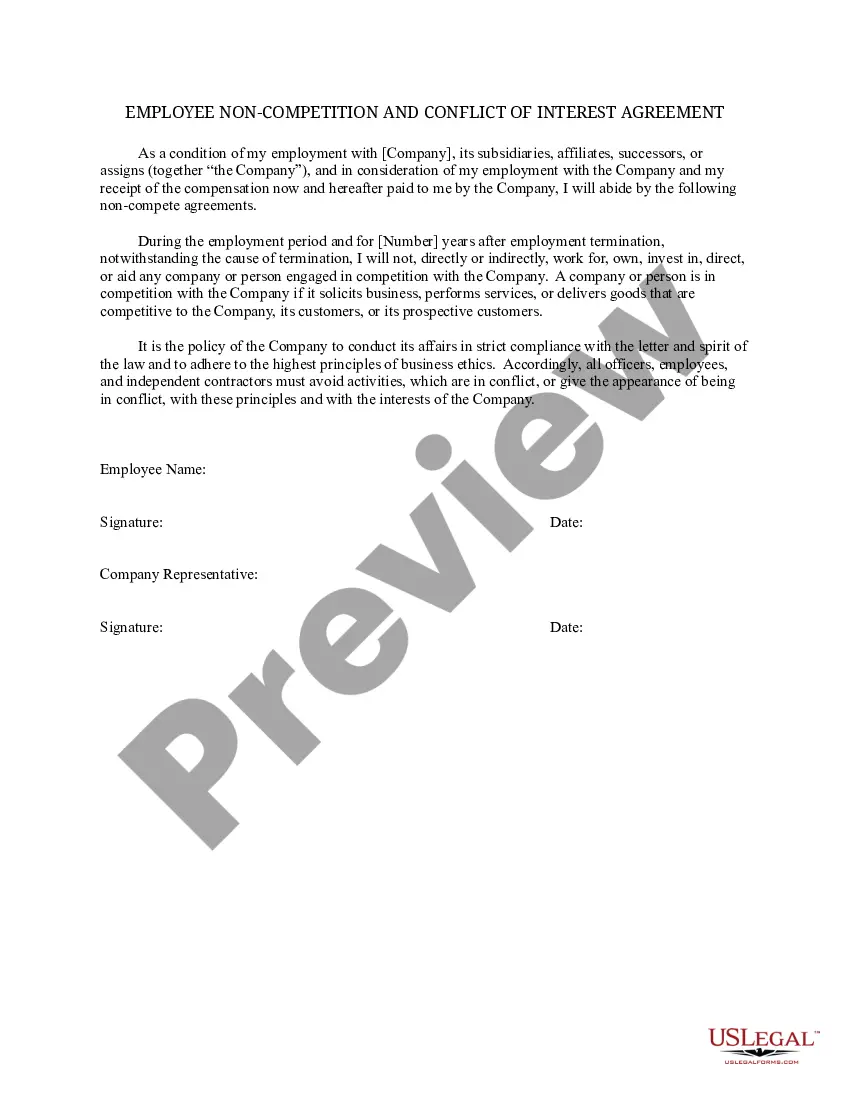
(c) Employee name agrees not to set up in business as a direct competitor of company name within a radius of number miles of company name and location for a period of number and measure of time (e.g., “four months” or “10 years”) following the expiration or termination of this agreement.
The following are the most common ways to get out of a non-compete agreement: Determine that the terms of the contract do not in fact prevent you from a desired course of action. Recognize when a non-compete contradicts the law. Negotiate a release agreement with the involved parties. Ignore the agreement.
Tax Implications Non-compete agreements are generally taxed as ordinary income to the seller, which from the seller's perspective is less than desirable. But, for a buyer, it is expensed as incurred, which is desirable for the buyer but not the seller.
Today's question is, do non-compete agreements apply to independent contractors? Absolutely. They apply to independent contractors just as well as they apply to employees.
Use Form 3949-A, Information Referral if you suspect an individual or a business is not complying with the tax laws. Don't use this form if you want to report a tax preparer or an abusive tax scheme. We will keep your identity confidential when you file a tax fraud report.
The following are the most common ways to get out of a non-compete agreement: Determine that the terms of the contract do not in fact prevent you from a desired course of action. Recognize when a non-compete contradicts the law. Negotiate a release agreement with the involved parties. Ignore the agreement.
Q: Are non-compete agreements enforceable in Georgia? A: Under Georgia's Restrictive Covenants Act, employee non-compete agreements are generally enforceable.
On April 23, 2024, the Federal Trade Commission issued its long-awaited Final Non-Compete Clause Rule, which operates to ban most post-employment non-compete agreements between employers and their workers.
On April 23, 2024, the FTC announced its Final Non-Compete Clause Rule (“Final Rule”), which bans post-employment non-compete clauses between employers and their workers. The Final Rule becomes effective 120 days after being published in the Federal Register (Effective Date).
On April 23, 2024, the FTC announced its Final Non-Compete Clause Rule (“Final Rule”), which bans post-employment non-compete clauses between employers and their workers. The Final Rule becomes effective 120 days after being published in the Federal Register (Effective Date).
