Competition Noncompetition For 50 In Fairfax
Description

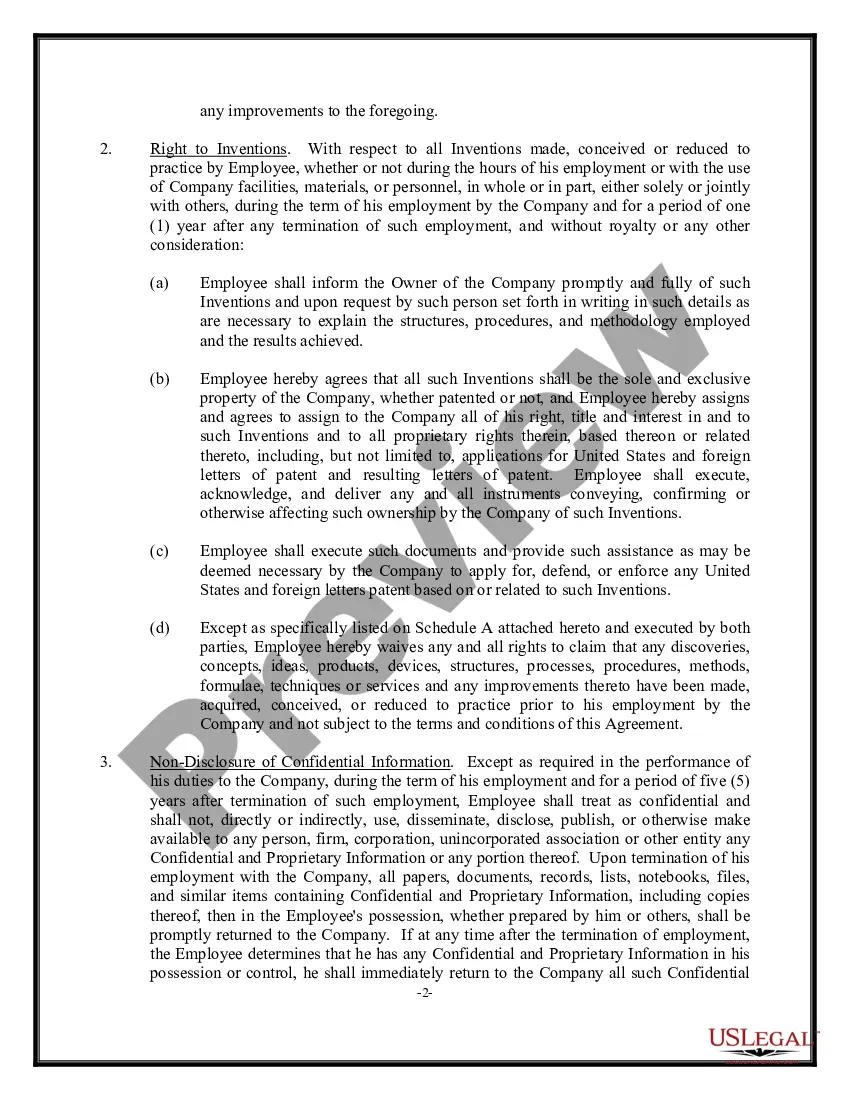
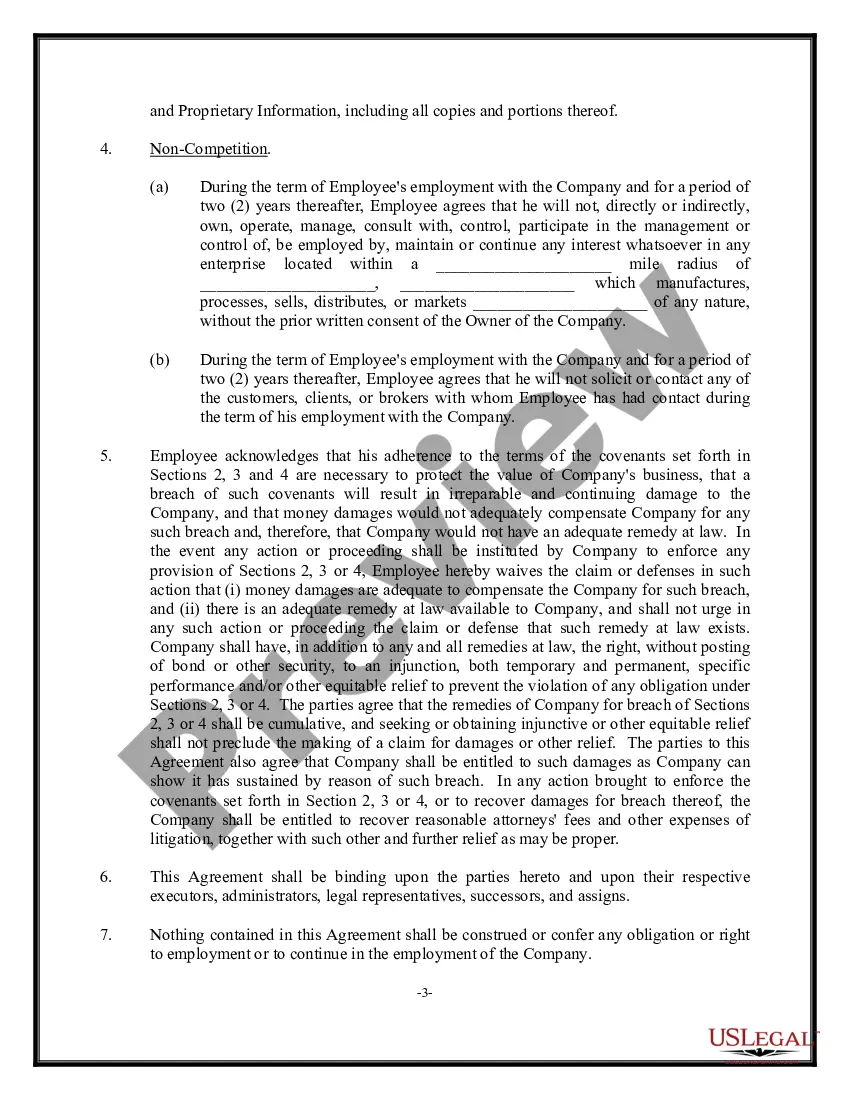
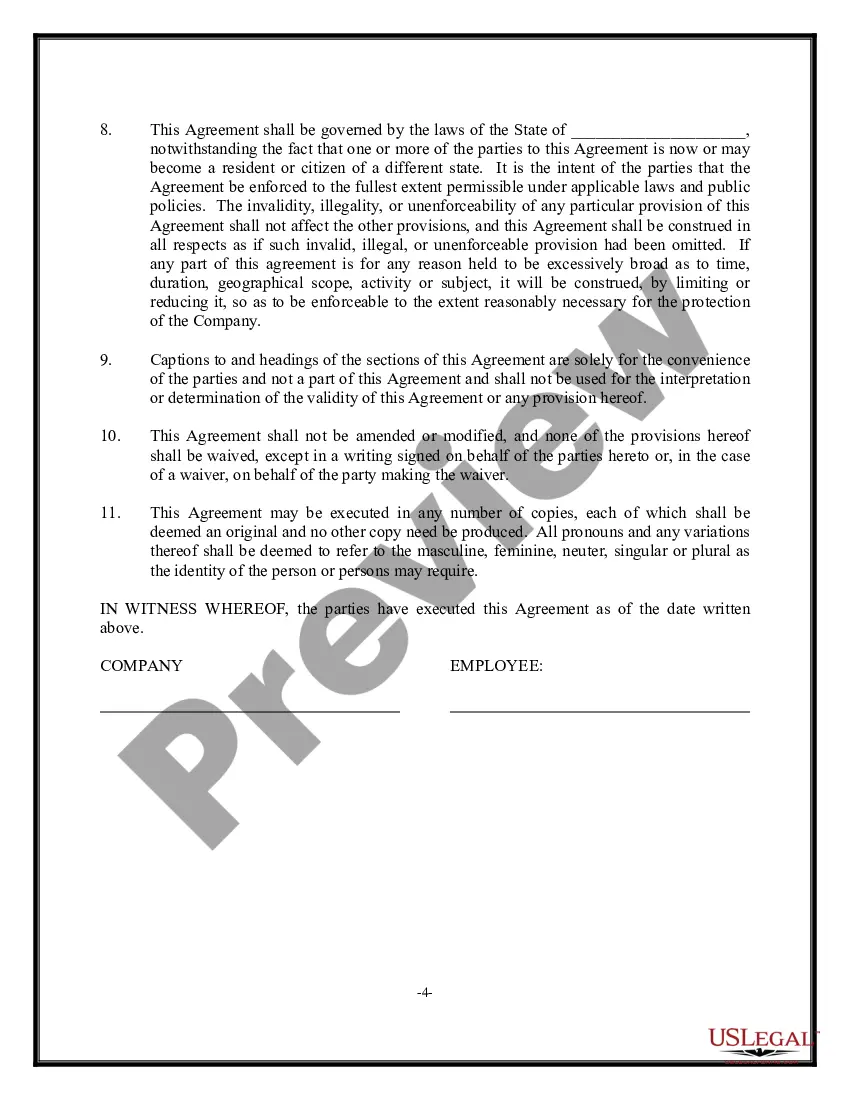
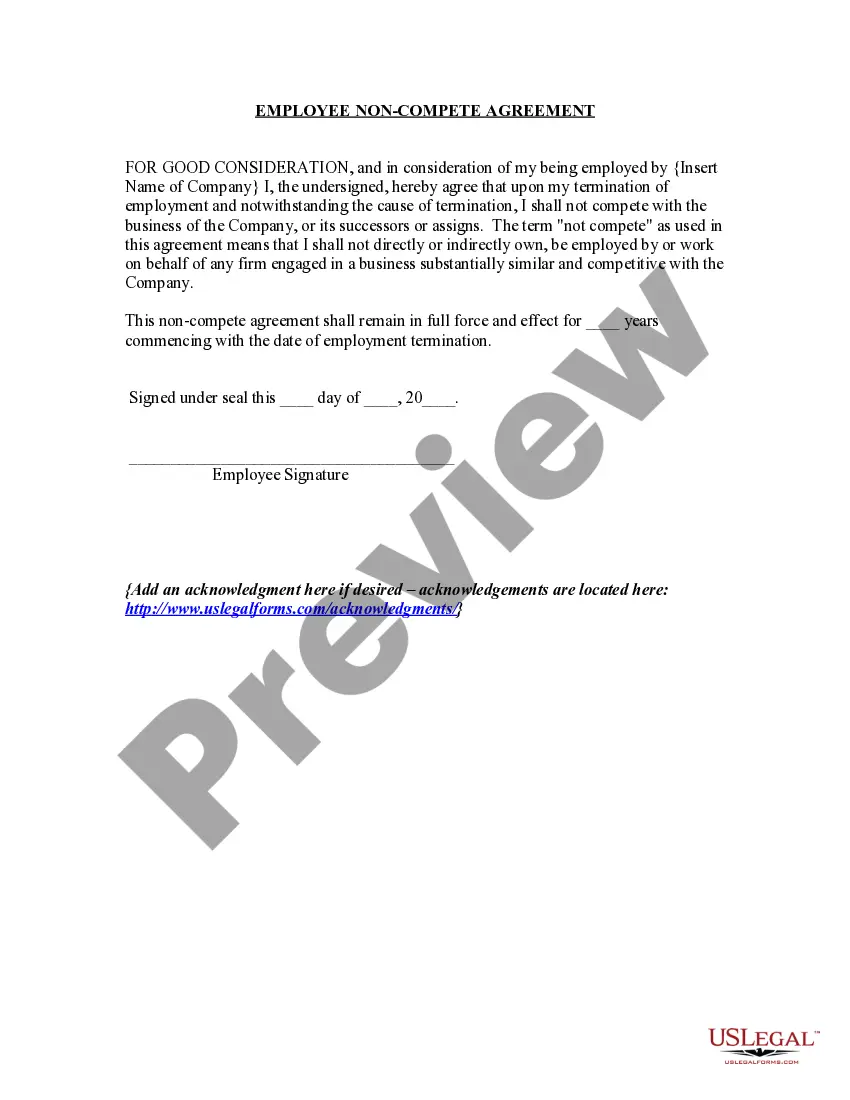
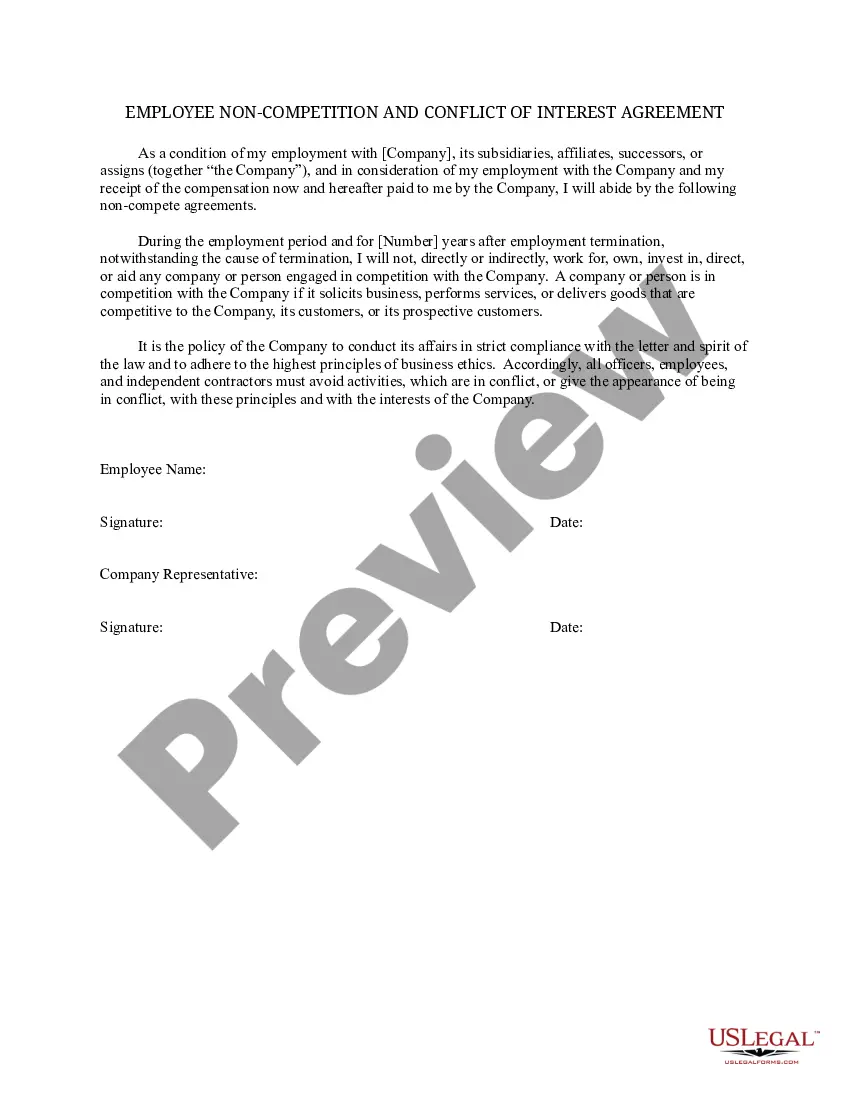
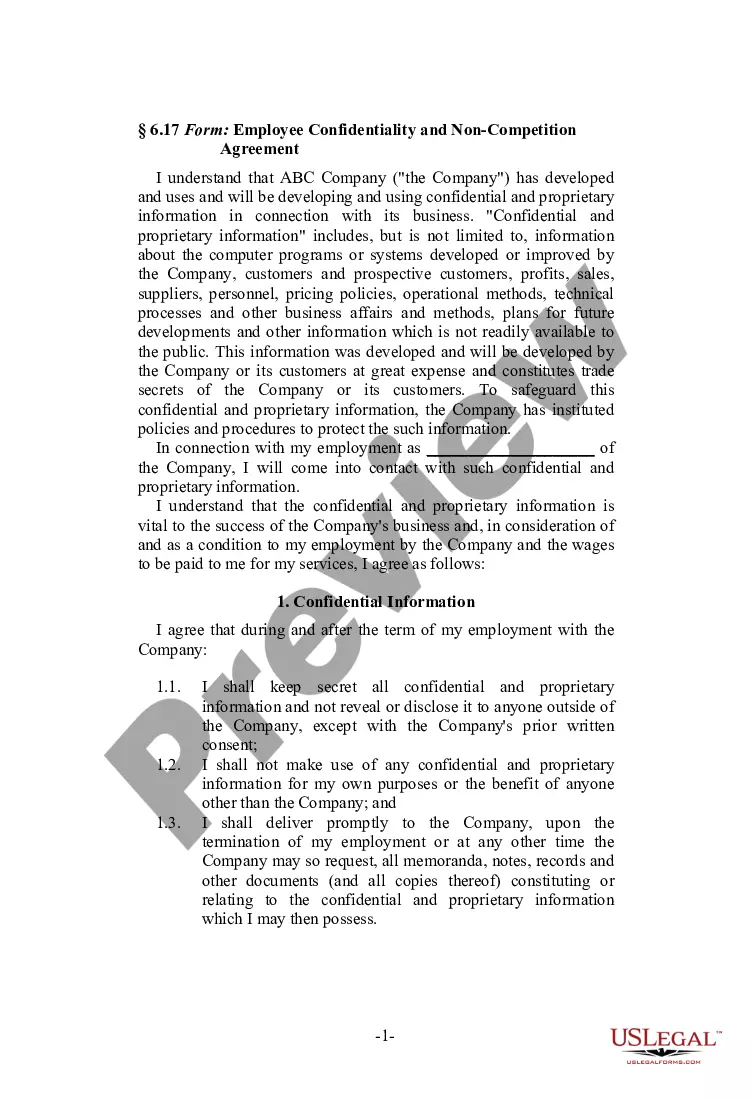
Get your form ready online
Our built-in tools help you complete, sign, share, and store your documents in one place.
Make edits, fill in missing information, and update formatting in US Legal Forms—just like you would in MS Word.
Download a copy, print it, send it by email, or mail it via USPS—whatever works best for your next step.
Sign and collect signatures with our SignNow integration. Send to multiple recipients, set reminders, and more. Go Premium to unlock E-Sign.
If this form requires notarization, complete it online through a secure video call—no need to meet a notary in person or wait for an appointment.
We protect your documents and personal data by following strict security and privacy standards.

Make edits, fill in missing information, and update formatting in US Legal Forms—just like you would in MS Word.

Download a copy, print it, send it by email, or mail it via USPS—whatever works best for your next step.

Sign and collect signatures with our SignNow integration. Send to multiple recipients, set reminders, and more. Go Premium to unlock E-Sign.

If this form requires notarization, complete it online through a secure video call—no need to meet a notary in person or wait for an appointment.

We protect your documents and personal data by following strict security and privacy standards.
Looking for another form?










Form popularity
FAQ
In Virginia, non-compete and non-solicitation agreements are enforceable only if they are narrowly drawn to protect the employer's legitimate business interests, are not unduly burdensome on the employee's ability to earn a living, and are not against public policy.
On Jan. 16, 2024, the Virginia Department of Labor and Industry announced that the average weekly wage for 2024 would be $1,410. As a result, employers are now prohibited from entering, enforcing or threatening to enforce a non-compete agreement with an employee who earns less than $73,320 per year.
Virginia courts have upheld employment non-competes up to 2 years post-employment. If a non-compete is included in a business sale, it can be enforceable for a longer period, up to 5 years. If an employer's non-compete is for longer than 2 years, unless it is for the sale of a business, it will be held unenforceable.
On Jan. 16, 2024, the Virginia Department of Labor and Industry announced that the average weekly wage for 2024 would be $1,410. As a result, employers are now prohibited from entering, enforcing or threatening to enforce a non-compete agreement with an employee who earns less than $73,320 per year.
Chapter 2 – How to Beat Your Virginia Non-Compete Get a copy of the agreement. Have an attorney review the agreement. Don't plan your new business at work! ... Do not advertise your new business until you know your non-compete agreement is not an issue. Be Honest. Seek legal action to determine validity of the agreement.
The Federal Trade Commission (FTC) announced on April 23, 2024, that non-compete agreements will be banned across the U.S. for most workers. This new rule will start in August 2024, 120 days after the FTC announced it.
Covered Employees Non-compete agreements are typically used when an employer hires a worker who will have access to sensitive ideas, practices, or trade secrets. The agreement provides legal penalties if a worker later uses this information to start their own business or obtain employment from a competitor.
Non-Competitive Activity at New Employer: One of the most straightforward ways to overcome a noncompete is by ensuring that your new role with a different employer is in a non-competitive capacity. If you're not engaging in activities that directly compete with your former employer's business, you may be in the clear.
Reasonableness: Non-compete agreements must be reasonable in terms of their scope and duration. This means that the restrictions must be no broader than necessary to protect the legitimate business interests of the employer, such as protecting trade secrets, confidential information, and/or customer relationships.
(c) Employee name agrees not to set up in business as a direct competitor of company name within a radius of number miles of company name and location for a period of number and measure of time (e.g., “four months” or “10 years”) following the expiration or termination of this agreement.
