Competition Non Competition With Minimal Apparel In Dallas
Description

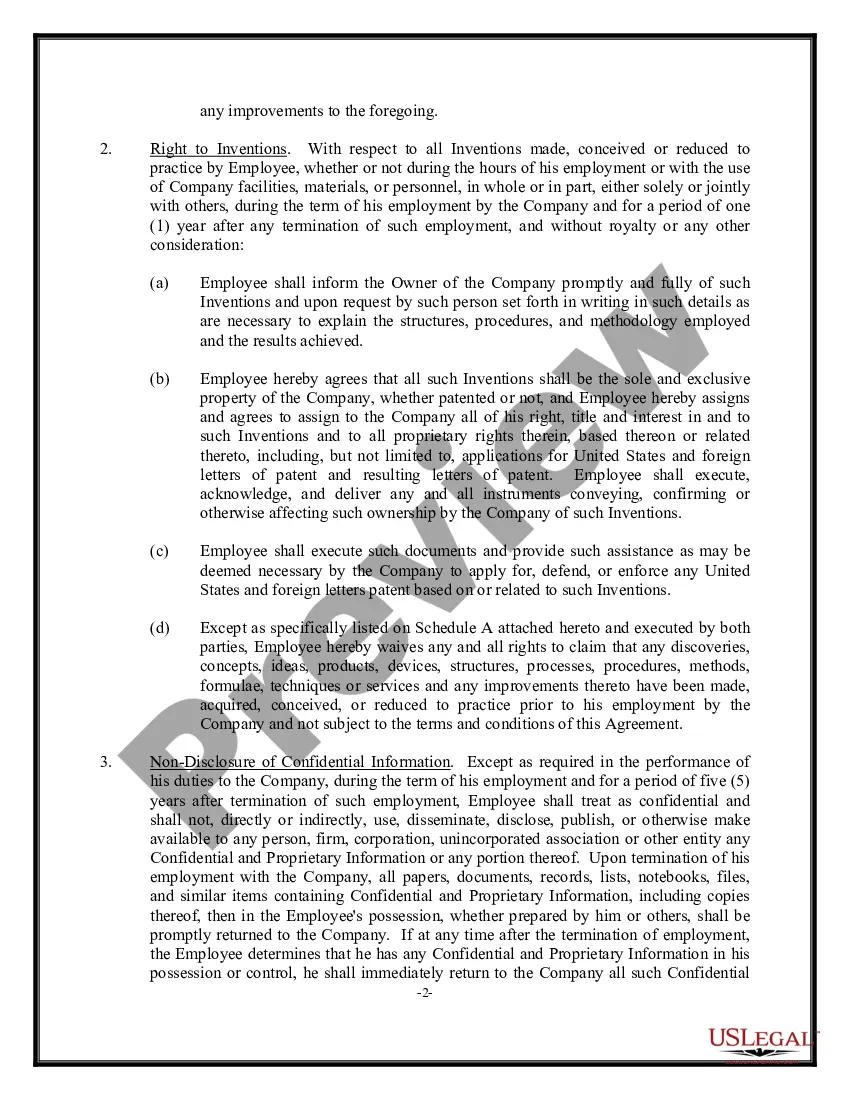
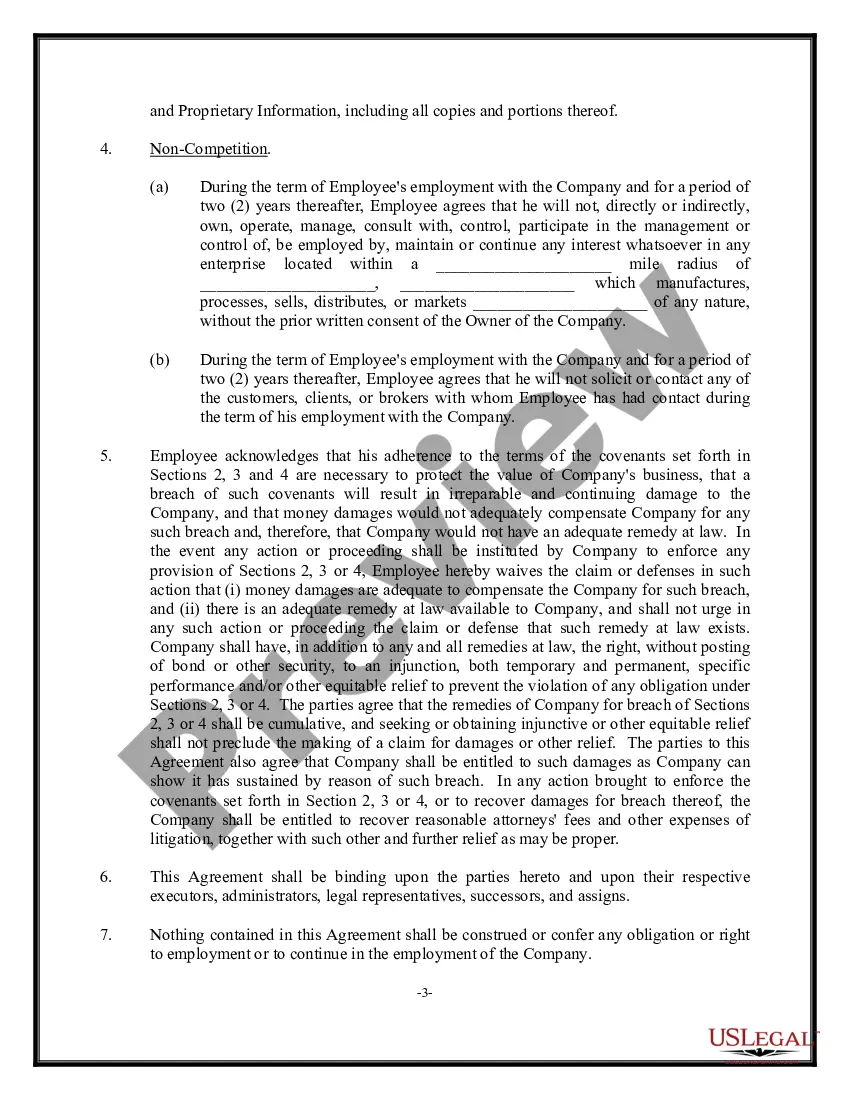
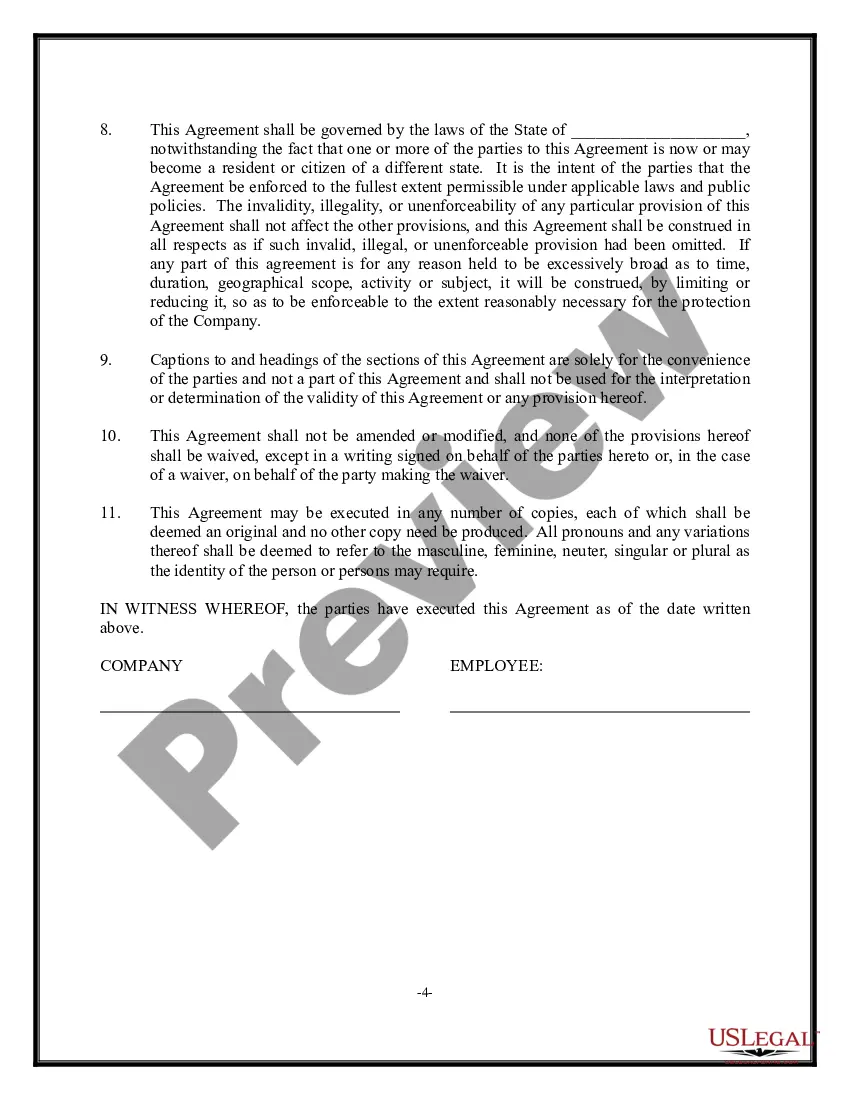
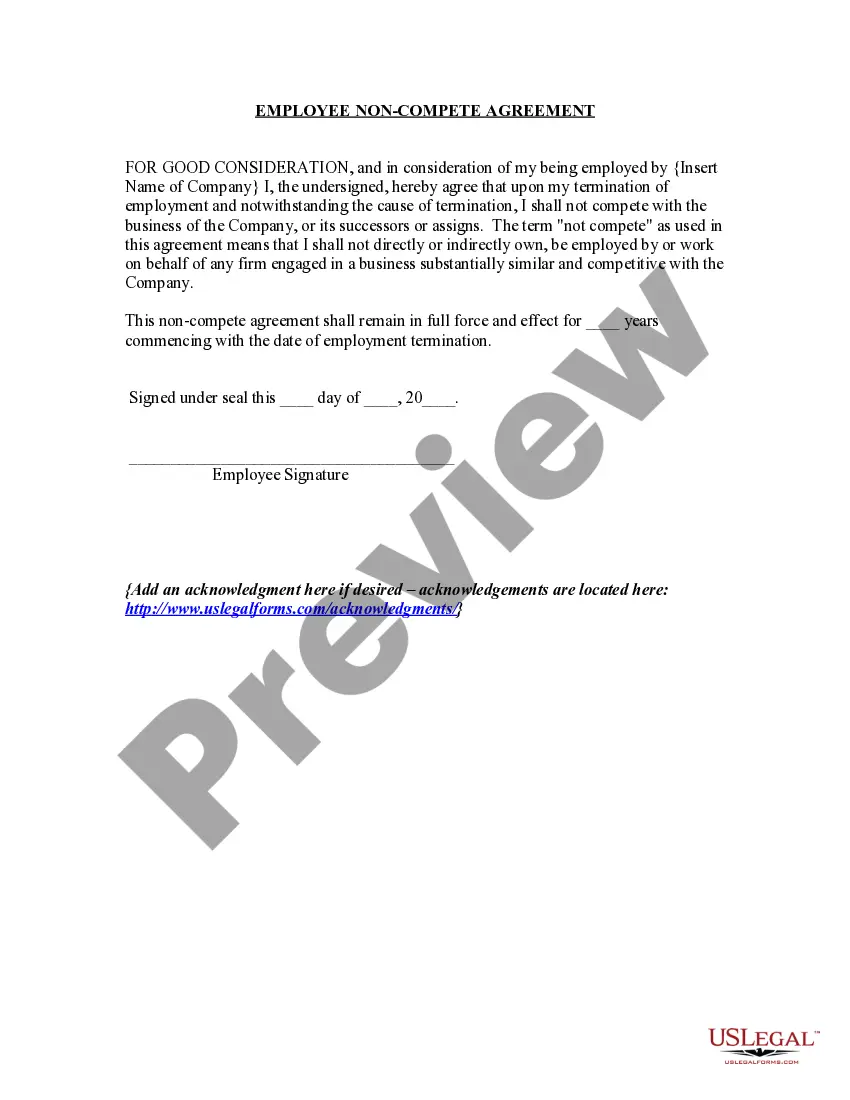
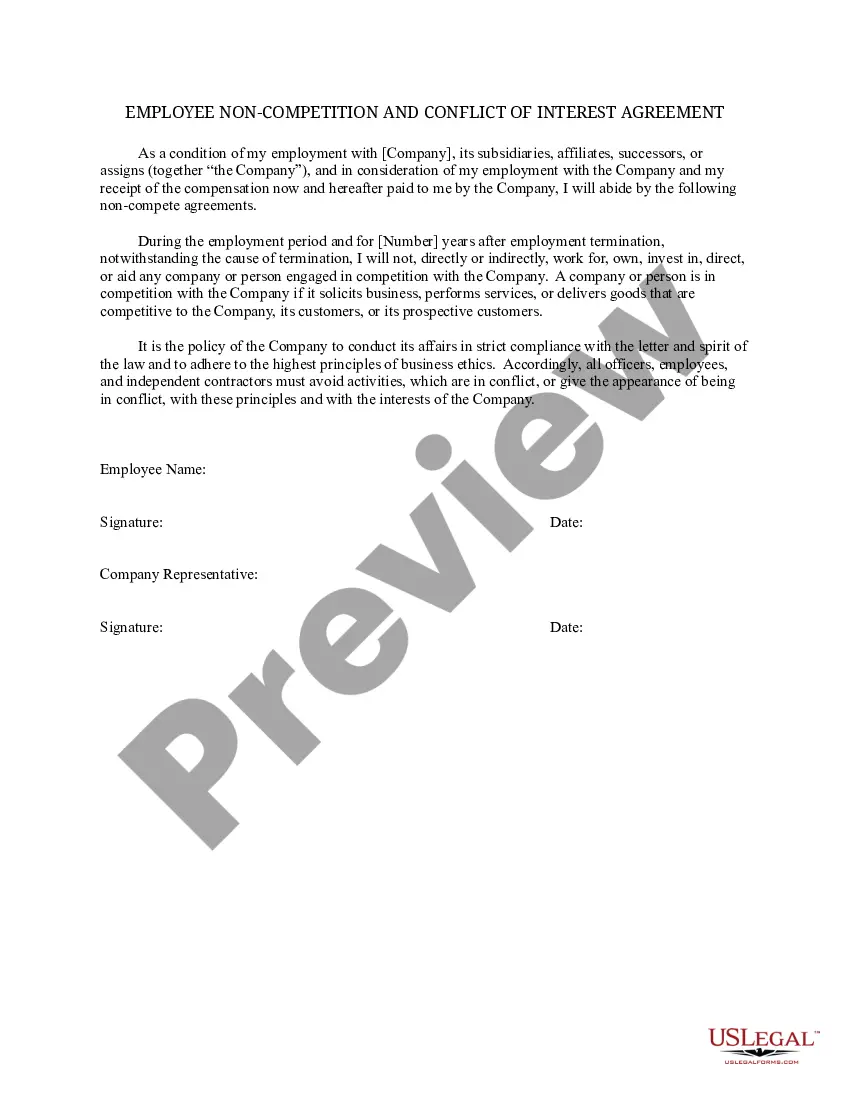
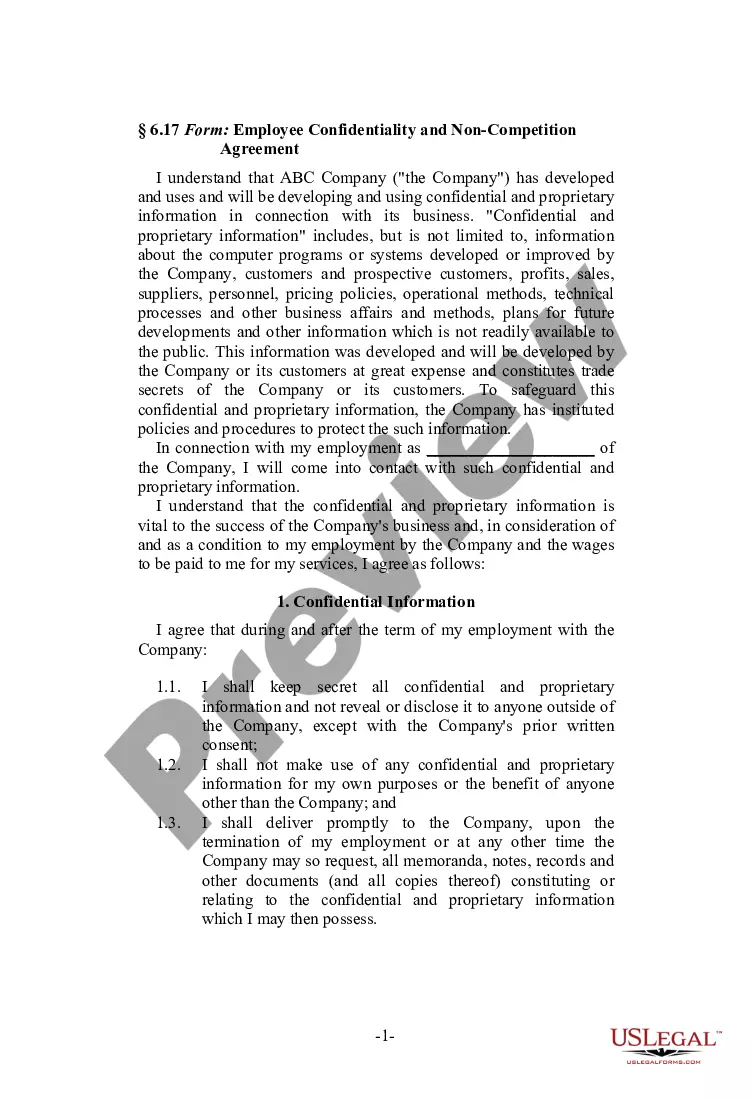
Get your form ready online
Our built-in tools help you complete, sign, share, and store your documents in one place.
Make edits, fill in missing information, and update formatting in US Legal Forms—just like you would in MS Word.
Download a copy, print it, send it by email, or mail it via USPS—whatever works best for your next step.
Sign and collect signatures with our SignNow integration. Send to multiple recipients, set reminders, and more. Go Premium to unlock E-Sign.
If this form requires notarization, complete it online through a secure video call—no need to meet a notary in person or wait for an appointment.
We protect your documents and personal data by following strict security and privacy standards.

Make edits, fill in missing information, and update formatting in US Legal Forms—just like you would in MS Word.

Download a copy, print it, send it by email, or mail it via USPS—whatever works best for your next step.

Sign and collect signatures with our SignNow integration. Send to multiple recipients, set reminders, and more. Go Premium to unlock E-Sign.

If this form requires notarization, complete it online through a secure video call—no need to meet a notary in person or wait for an appointment.

We protect your documents and personal data by following strict security and privacy standards.
Looking for another form?
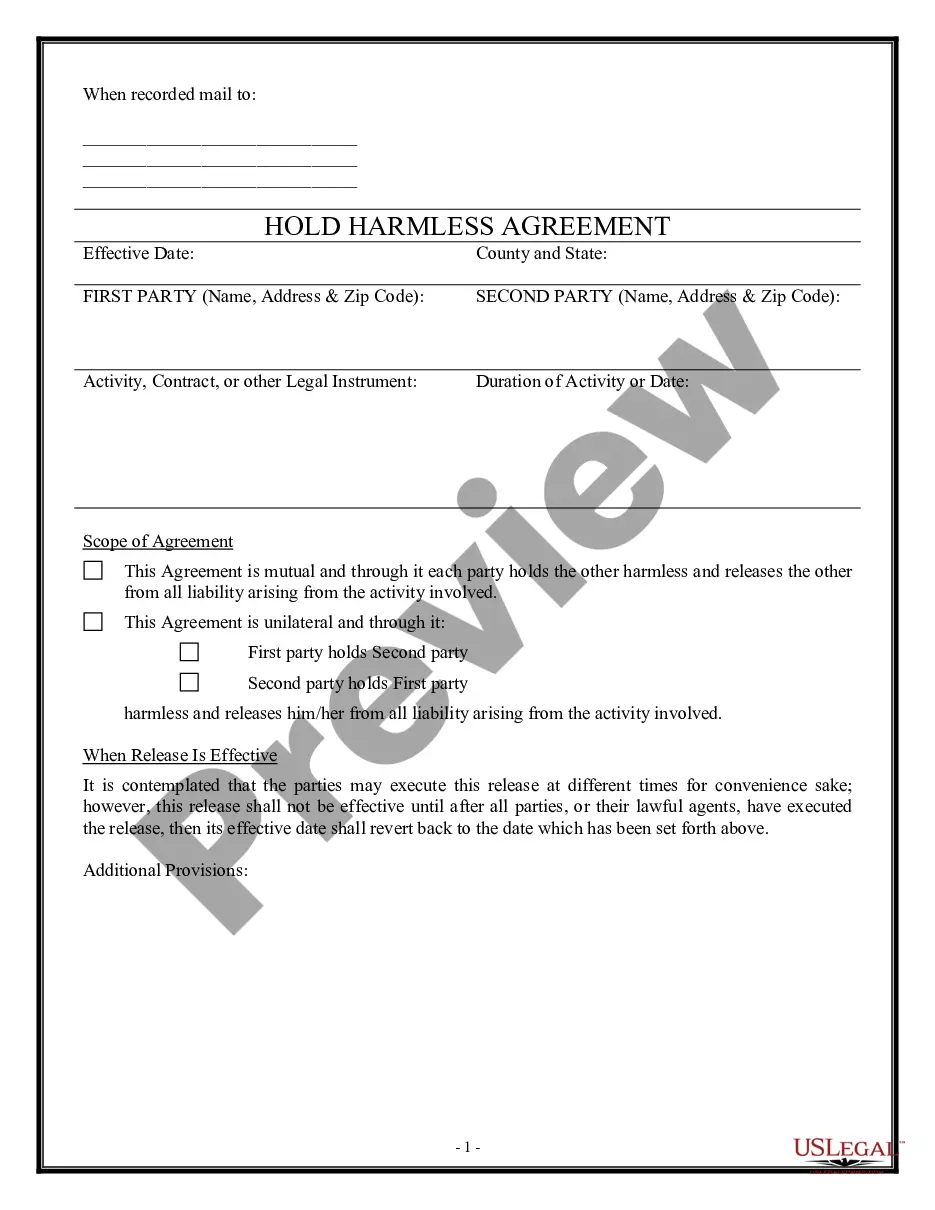






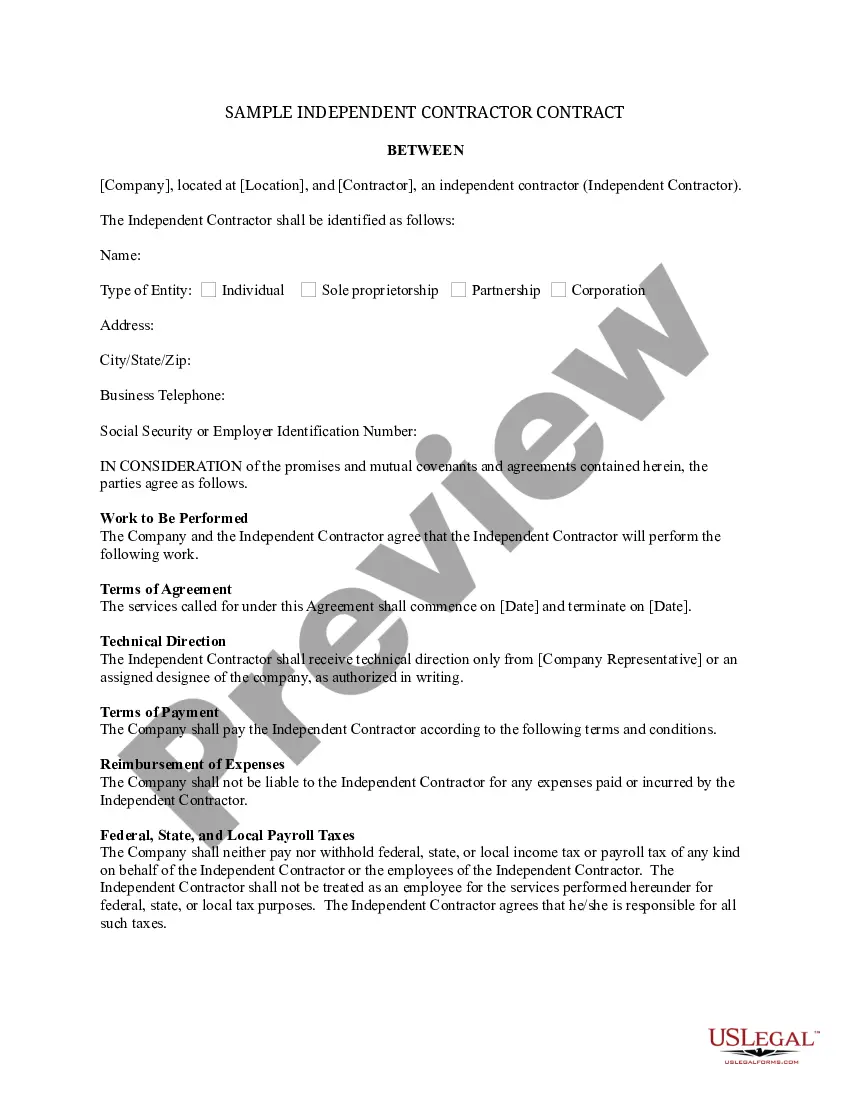

Form popularity
FAQ
Federal judge tosses U.S. ban on noncompetes A federal judge in Texas has struck down the government's ban on noncompetes. An estimated 30 million U.S. workers are subject to the employment agreements.
On August 20, 2024, the US District Court for the Northern District of Texas in Ryan LLC v. Federal Trade Commission issued an order blocking the Federal Trade Commission (FTC) rule banning all post-employment noncompete agreements with workers from taking effect on September 4, 2024.
Certain professions are exempt from Texas non-compete law or have specific requirements for a valid agreement, including doctors, attorneys, and social workers. Speak with an attorney to determine if your agreement may be subject to additional scrutiny.
An employee also may be able to get out of a non-compete agreement if the restrictions are unreasonable. Above all, a non-compete agreement must be reasonable in all of the following ways to be enforceable: Scope of activity restricted; Scope of geographic area restricted; and.
Many employers had been preparing to comply with the Non-Compete Rule on its scheduled effective date of September 4, 2024, while others eagerly awaited court guidance on whether the Rule might be halted. The Texas court's decision means that employers will not have to comply with the Rule on its scheduled timeframe.
Yes. It affects everyone in the US, it's a federal ruling. You simply will not have any more non compete clauses in any employment agreements, outside the handful of given exceptions. That does not mean your employer has to tolerate your working for a competitor, however. You will just be subject to termination.
The very basic requirements are that the non-compete must (1) be in writing; (2) be part of an employment contract; (3) be based on valuable consideration; (4) be reasonable in scope of time and of territory; (5) not be against public policy.
Certain professions are exempt from Texas non-compete law or have specific requirements for a valid agreement, including doctors, attorneys, and social workers. Speak with an attorney to determine if your agreement may be subject to additional scrutiny.
