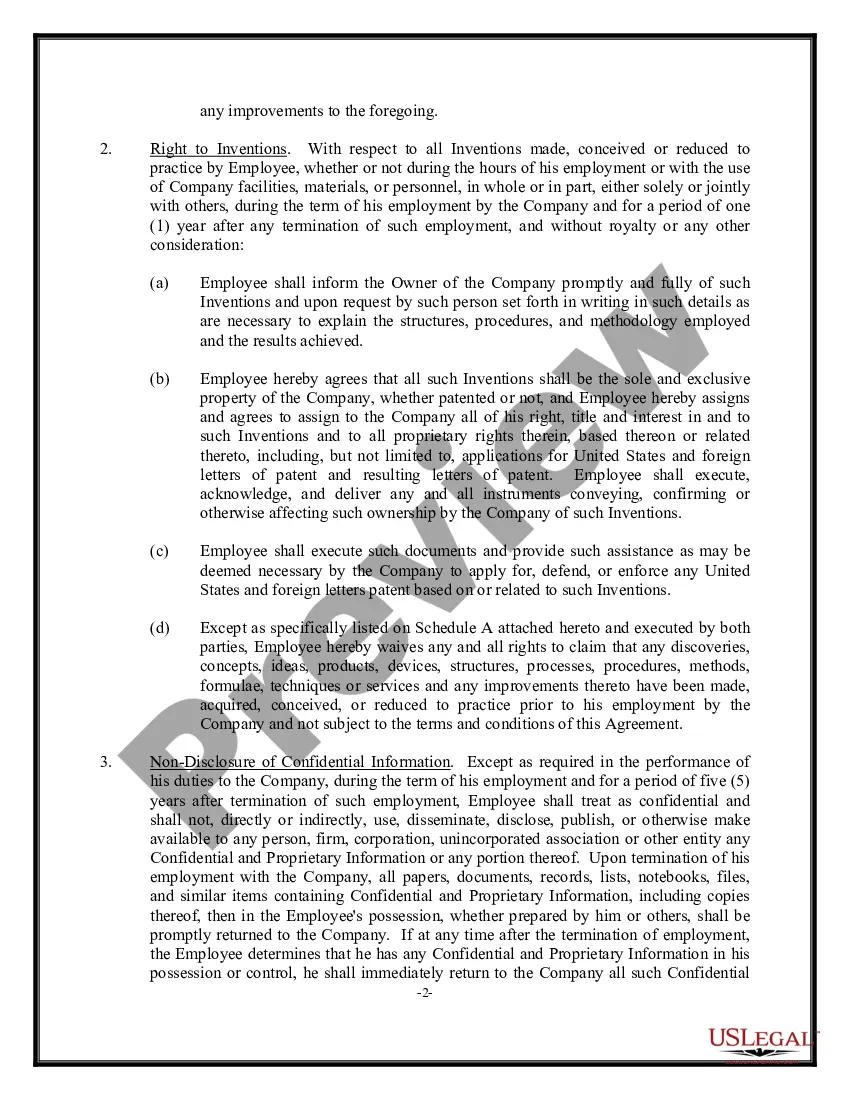
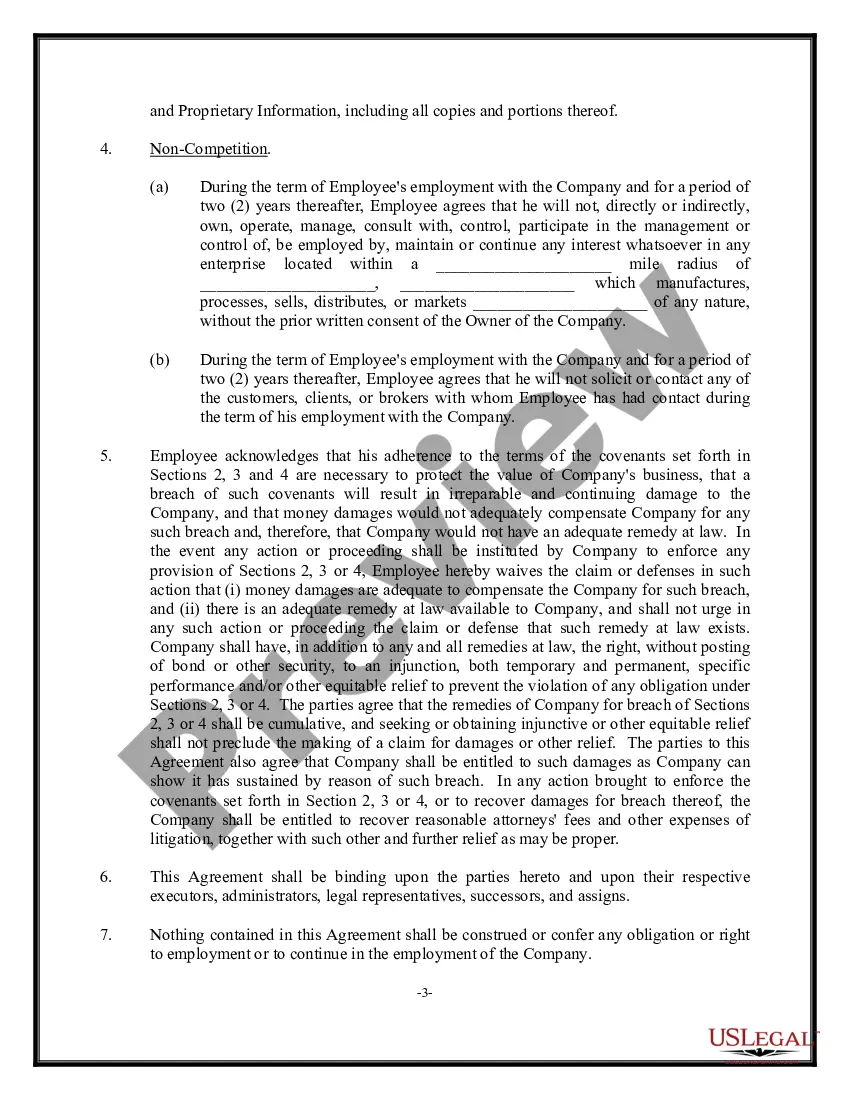
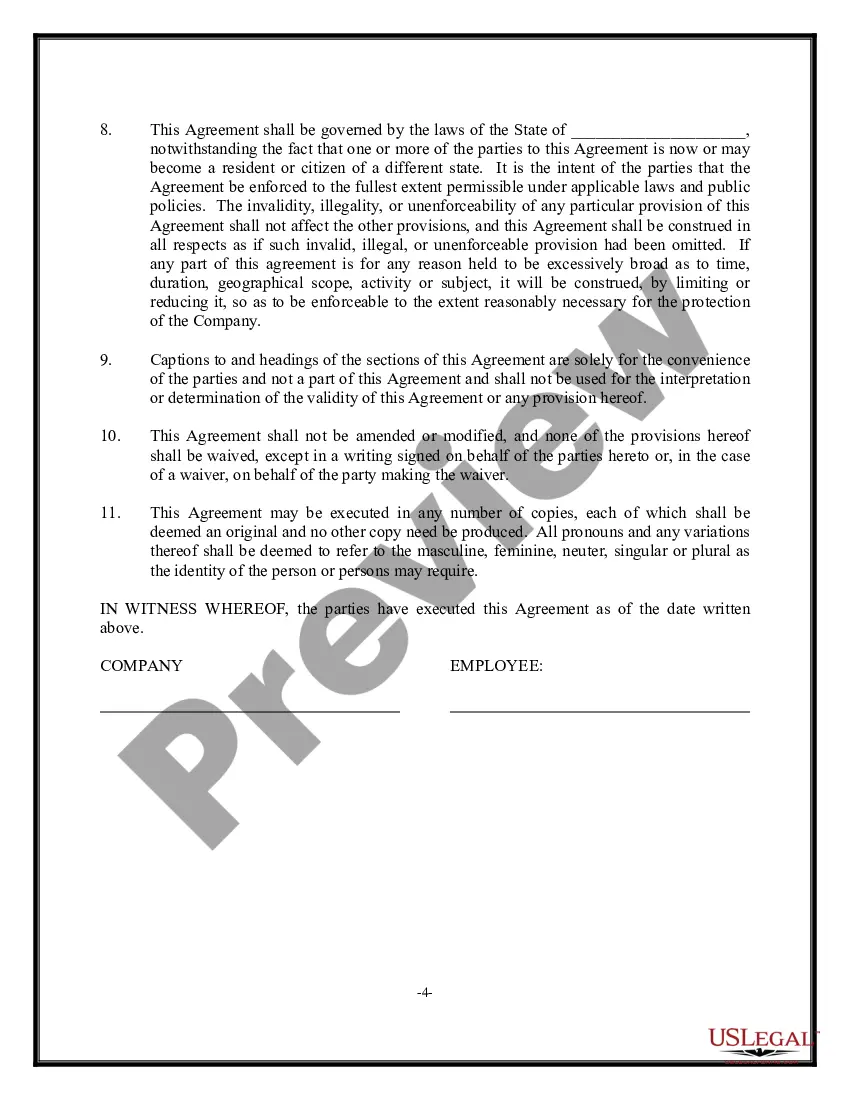
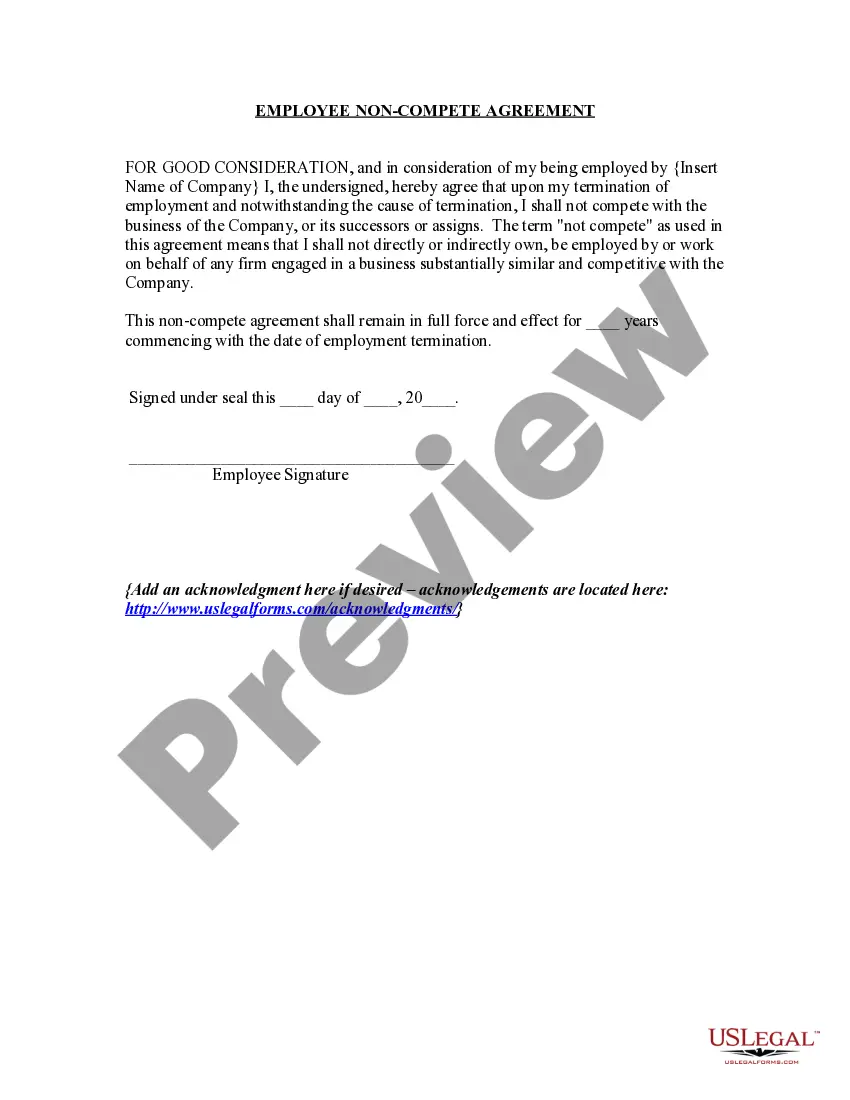
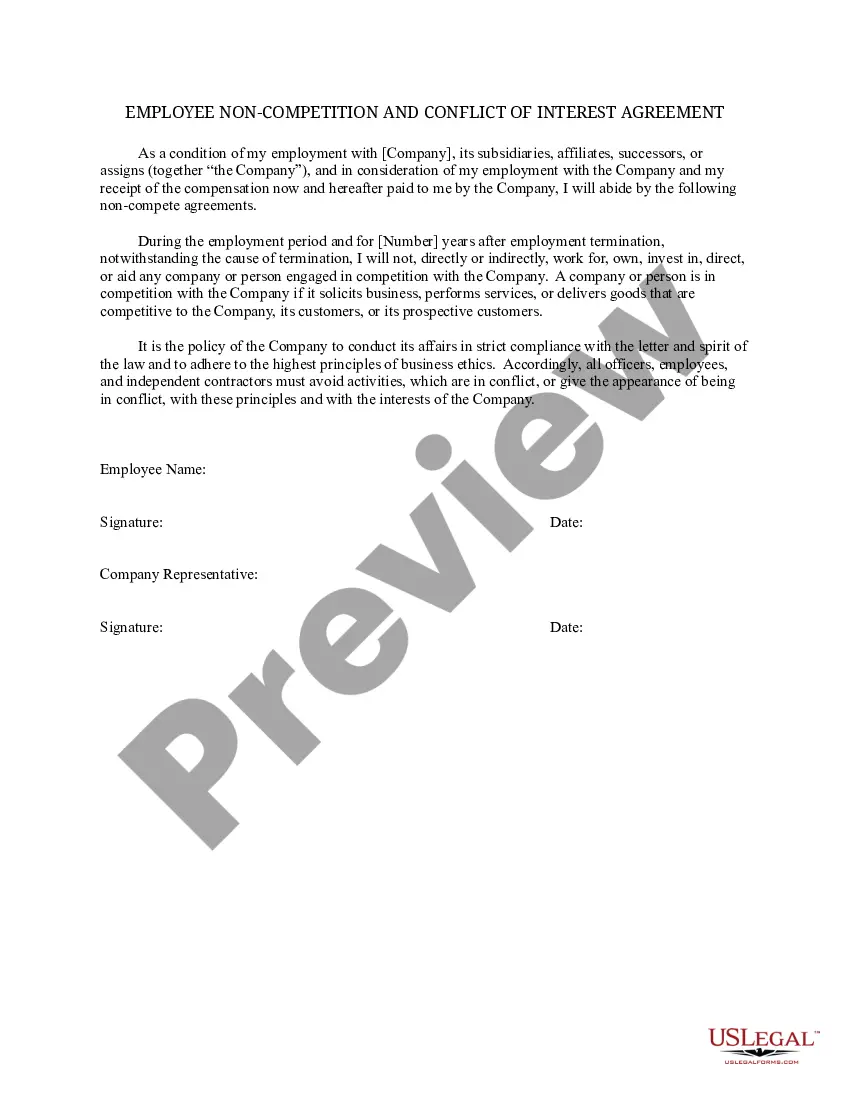
Competition Noncompetition For 50 In Cuyahoga
Description

Get your form ready online
Our built-in tools help you complete, sign, share, and store your documents in one place.
Make edits, fill in missing information, and update formatting in US Legal Forms—just like you would in MS Word.
Download a copy, print it, send it by email, or mail it via USPS—whatever works best for your next step.
Sign and collect signatures with our SignNow integration. Send to multiple recipients, set reminders, and more. Go Premium to unlock E-Sign.
If this form requires notarization, complete it online through a secure video call—no need to meet a notary in person or wait for an appointment.
We protect your documents and personal data by following strict security and privacy standards.

Make edits, fill in missing information, and update formatting in US Legal Forms—just like you would in MS Word.

Download a copy, print it, send it by email, or mail it via USPS—whatever works best for your next step.

Sign and collect signatures with our SignNow integration. Send to multiple recipients, set reminders, and more. Go Premium to unlock E-Sign.

If this form requires notarization, complete it online through a secure video call—no need to meet a notary in person or wait for an appointment.

We protect your documents and personal data by following strict security and privacy standards.
Looking for another form?






Form popularity
FAQ
If you work in California and have signed a non-compete agreement, you're not bound by the agreement. If a company tries to enforce the agreement, California courts will generally refuse to enforce the provisions.
You can get out of one if the terms of it are overly restrictive and unfair to you. It will take some lawyering, but it can be done. For this reason, companies that I have worked for that got me to sign non-compete agreements got legal advice before getting me to sign them so that they would stand up in court.
A noncompete agreement has the ability to threaten your future job prospects, prohibit you from using your hard earned skills and compromise your livelihood. Fortunately, it is unlawful for an employer to enforce non-compete agreements in California.
The following are the most common ways to get out of a non-compete agreement: Determine that the terms of the contract do not in fact prevent you from a desired course of action. Recognize when a non-compete contradicts the law. Negotiate a release agreement with the involved parties. Ignore the agreement.
Compensation: An employer must offer some benefit to the employee in exchange for limiting future opportunities. For new employees, the job offer itself is generally considered sufficient compensation. Still, existing employees asked to sign a covenant not to compete may be entitled to a raise or promotion.
Hourly Rates for Non-Compete Agreements Clients will not know the extent of their legal fees until after the project is complete. The marketplace data for ContractsCounsel shows the average hourly rate for a non-compete agreement lawyer ranges from $200 - $350 per hour.
Under Ohio law, noncompetition contracts are generally enforceable if they are reasonable. The question of what's reasonable is a very fact-specific one though. It depends on the particular circumstances of a given situation, and the Ohio Supreme Court has set out a legal test for courts to apply.
Choropleth map showing California, Minnesota, North Dakota and Oklahoma have full bans on noncompete agreements. Nine states and D.C. have restrictions on noncompetes based on an employee's income level. 25 states have other restrictions on noncompetes while 12 states have no restrictions.
