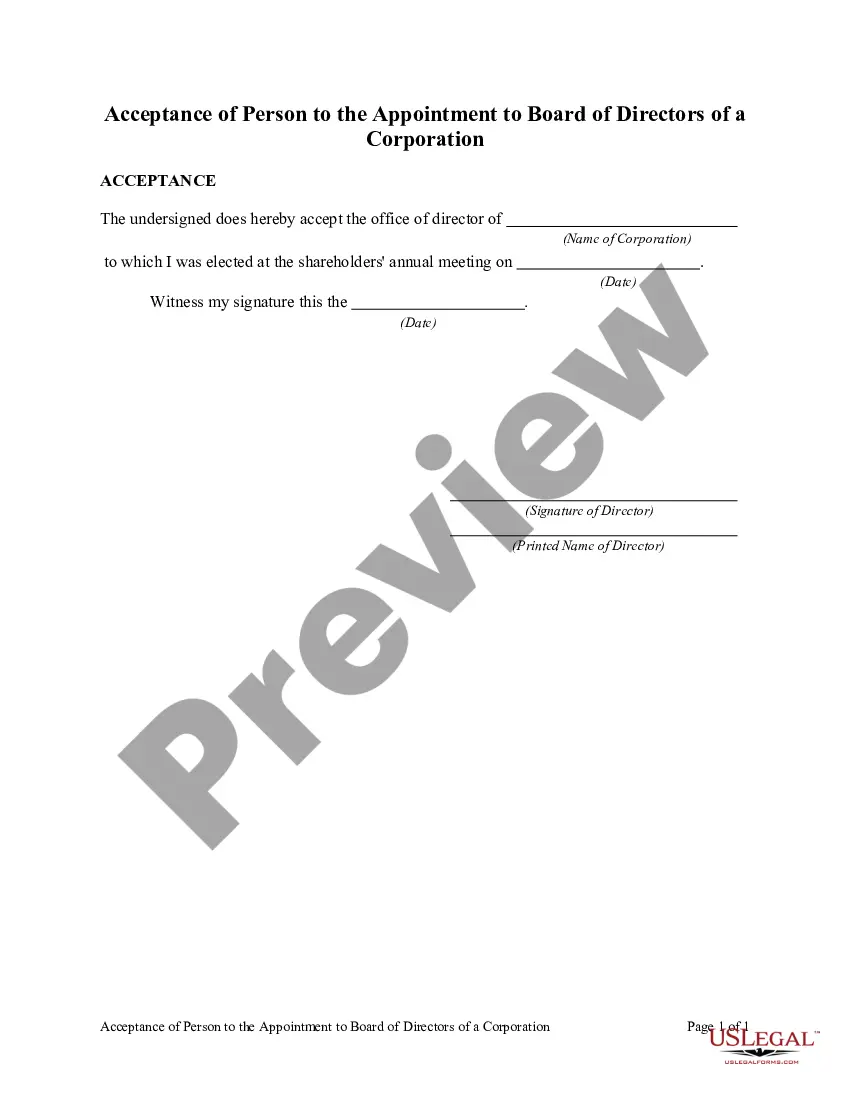
Competition Non Competition With No One In Chicago
Description

Get your form ready online
Our built-in tools help you complete, sign, share, and store your documents in one place.
Make edits, fill in missing information, and update formatting in US Legal Forms—just like you would in MS Word.
Download a copy, print it, send it by email, or mail it via USPS—whatever works best for your next step.
Sign and collect signatures with our SignNow integration. Send to multiple recipients, set reminders, and more. Go Premium to unlock E-Sign.
If this form requires notarization, complete it online through a secure video call—no need to meet a notary in person or wait for an appointment.
We protect your documents and personal data by following strict security and privacy standards.

Make edits, fill in missing information, and update formatting in US Legal Forms—just like you would in MS Word.

Download a copy, print it, send it by email, or mail it via USPS—whatever works best for your next step.

Sign and collect signatures with our SignNow integration. Send to multiple recipients, set reminders, and more. Go Premium to unlock E-Sign.

If this form requires notarization, complete it online through a secure video call—no need to meet a notary in person or wait for an appointment.

We protect your documents and personal data by following strict security and privacy standards.
Looking for another form?










Form popularity
FAQ
Illinois courts generally disfavor non-competes as a restraint of trade. However, Illinois courts enforce non-compete agreements if they are: Reasonable. Supported by adequate consideration.
The simplest way to get out of that kind of contract is merely to ask them to release your from it. If they refuse, you might need to get a lawyer to aid you in doing so. Non-compete contracts usually have penalties specified and certainly have durations. A contract that the courts deem to be unfair can be nullified.
Illinois courts generally disfavor non-competes as a restraint of trade. However, Illinois courts enforce non-compete agreements if they are: Reasonable. Supported by adequate consideration.
The employer's breach of the parties' employment relationship or unclean hands can serve as a defense to defeat a covenant not to compete or non-solicitation clause signed by the employee, even if that agreement is otherwise properly narrowly drafted and enforceable.
Non-compete agreements cannot be used if an employee earns less than $75,000 per year. (Note: this salary baseline increases in 2027 and in 5 year periods after that.) Non-solicitation agreements cannot be used if the employee earns less than $45,000 per year.
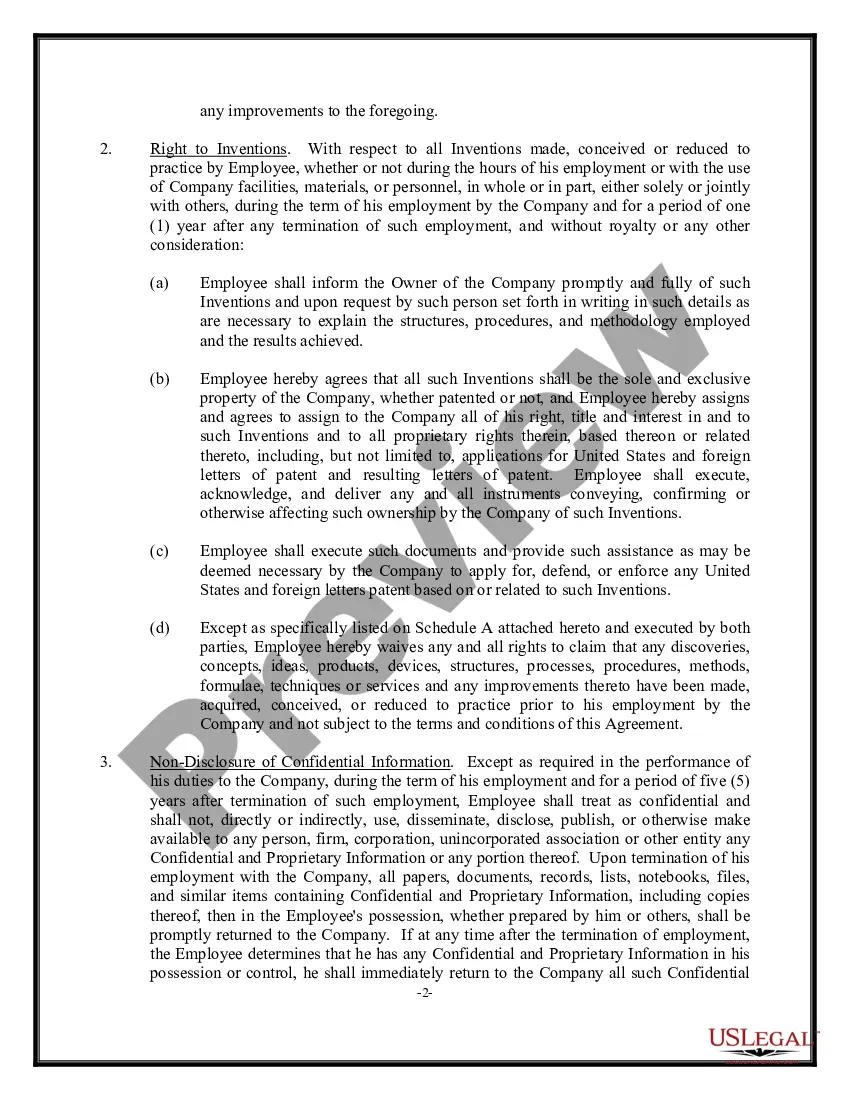
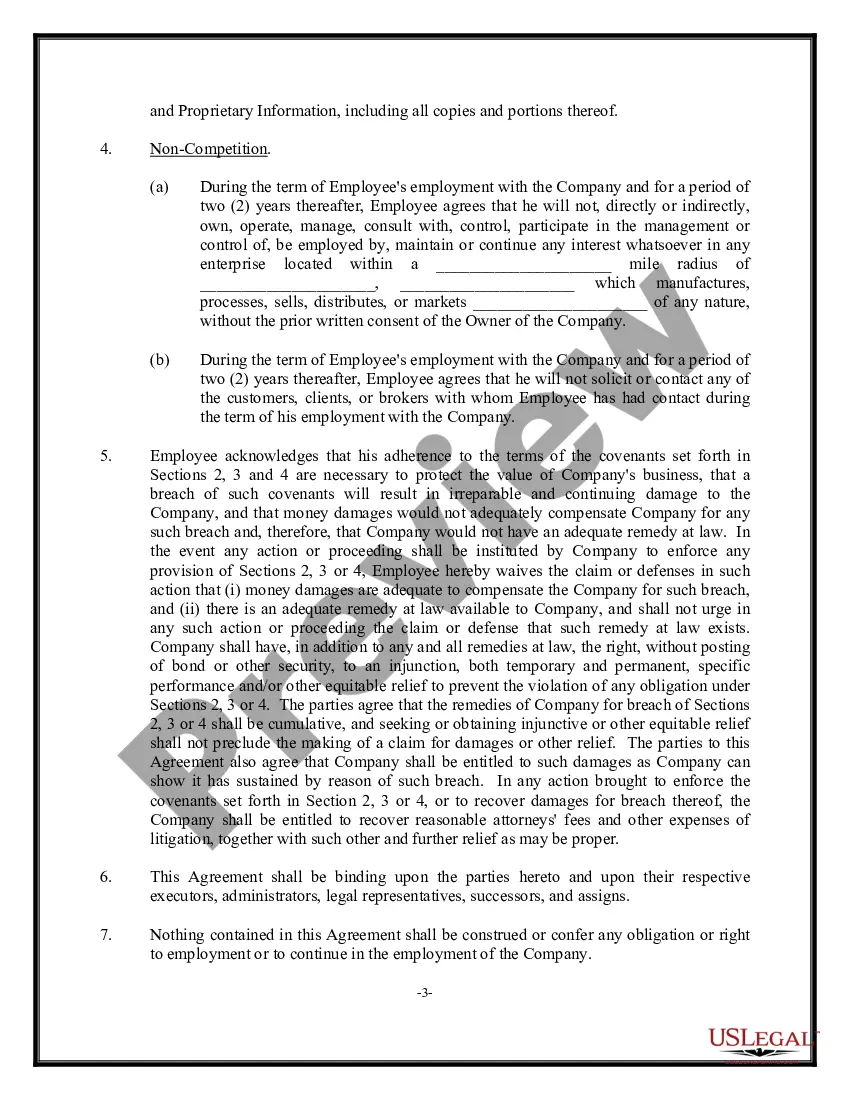
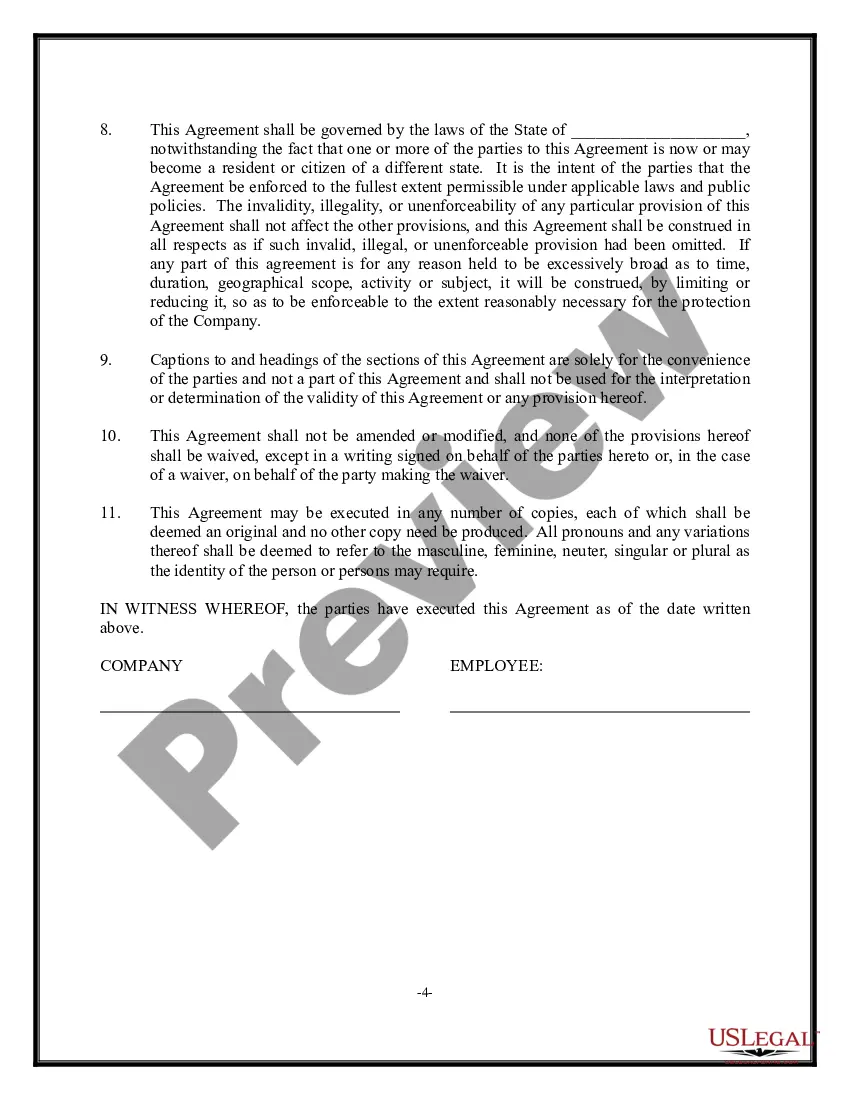
Under case law, non-competes will only be enforceable if they are no wider than reasonably necessary to protect a legitimate interest (e.g. protection of confidential information or customer contacts) and are not contrary to the public interest.
Illinois courts generally disfavor non-competes as a restraint of trade. However, Illinois courts enforce non-compete agreements if they are: ∎ Reasonable. ∎ Supported by adequate consideration.
As you can see, non-competes are not enforceable in California, although other states currently allow them. Instead, you can opt for a non-disclosure agreement, or hire employees who live and work in other states.