Competition Noncompetition Within A Company In California
Description

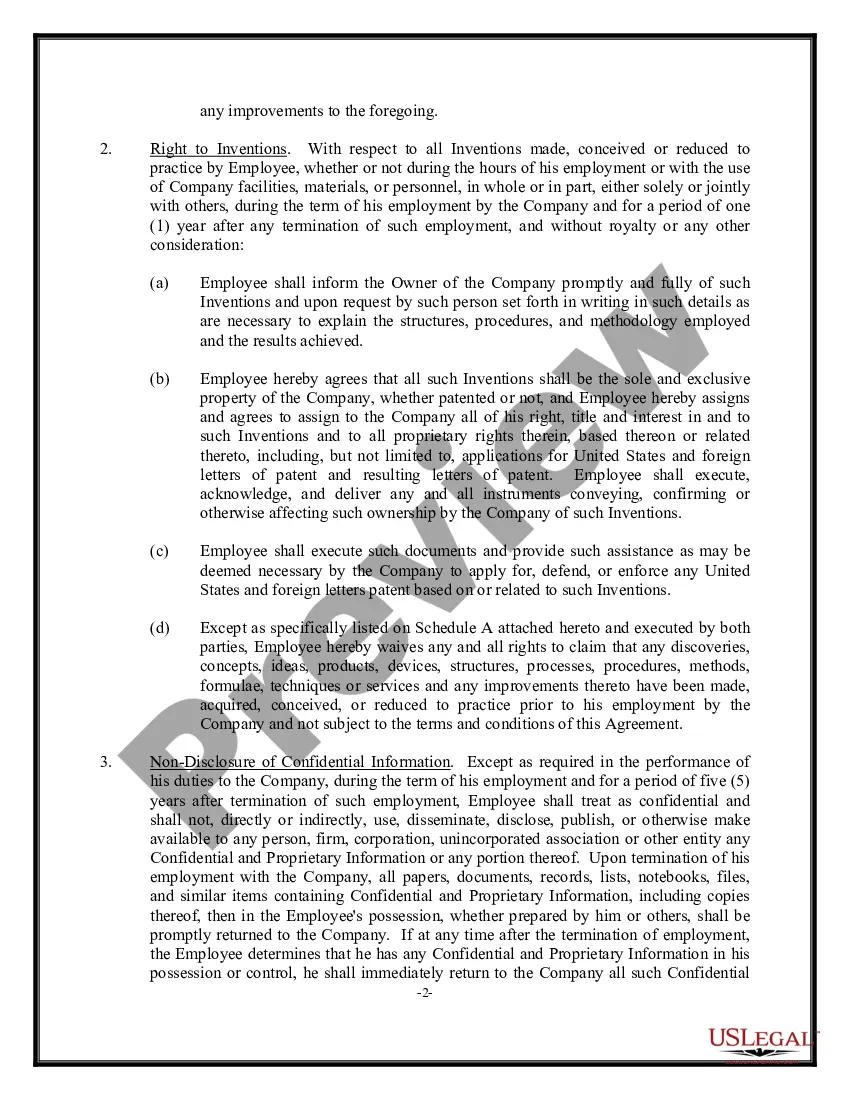
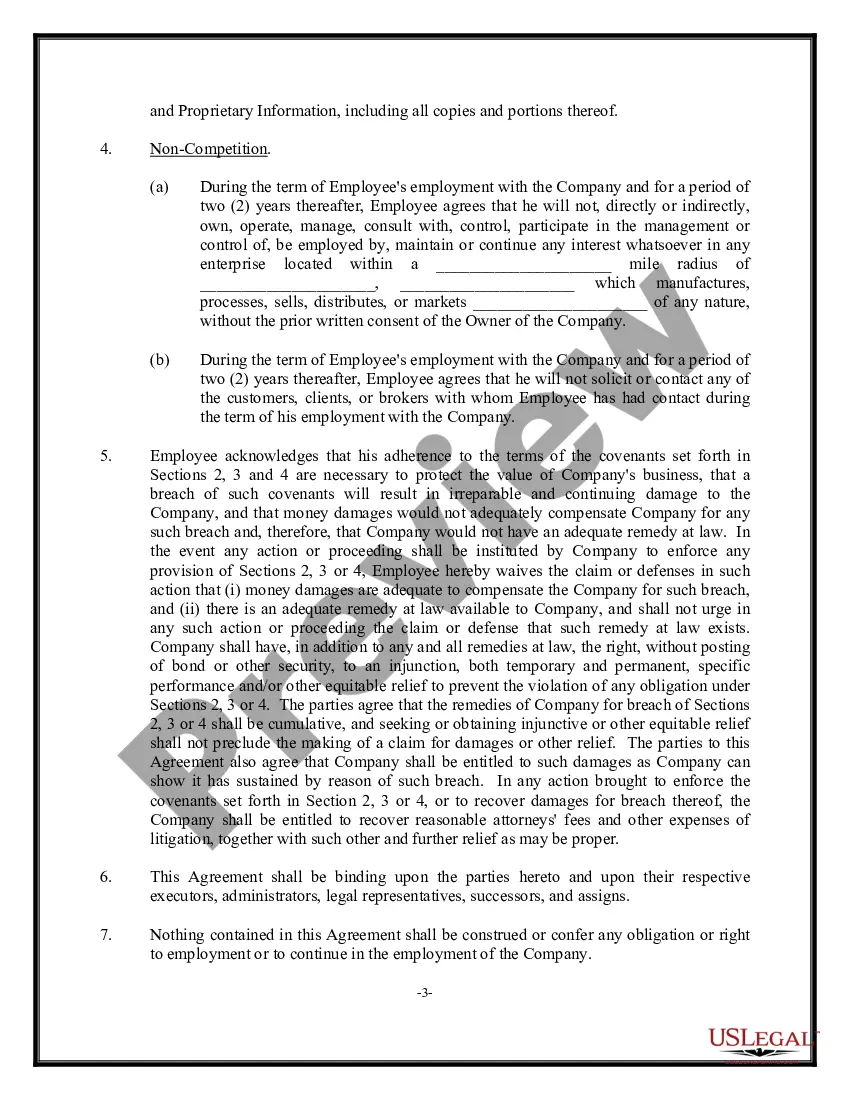
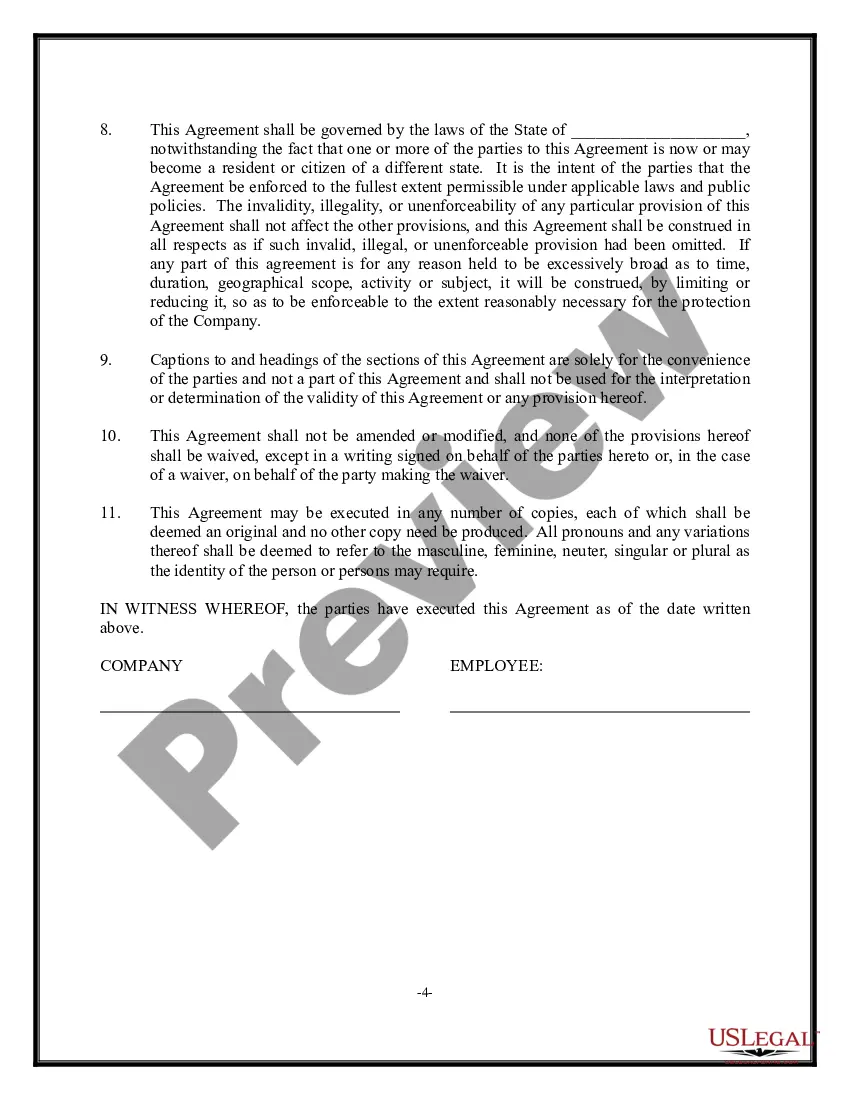
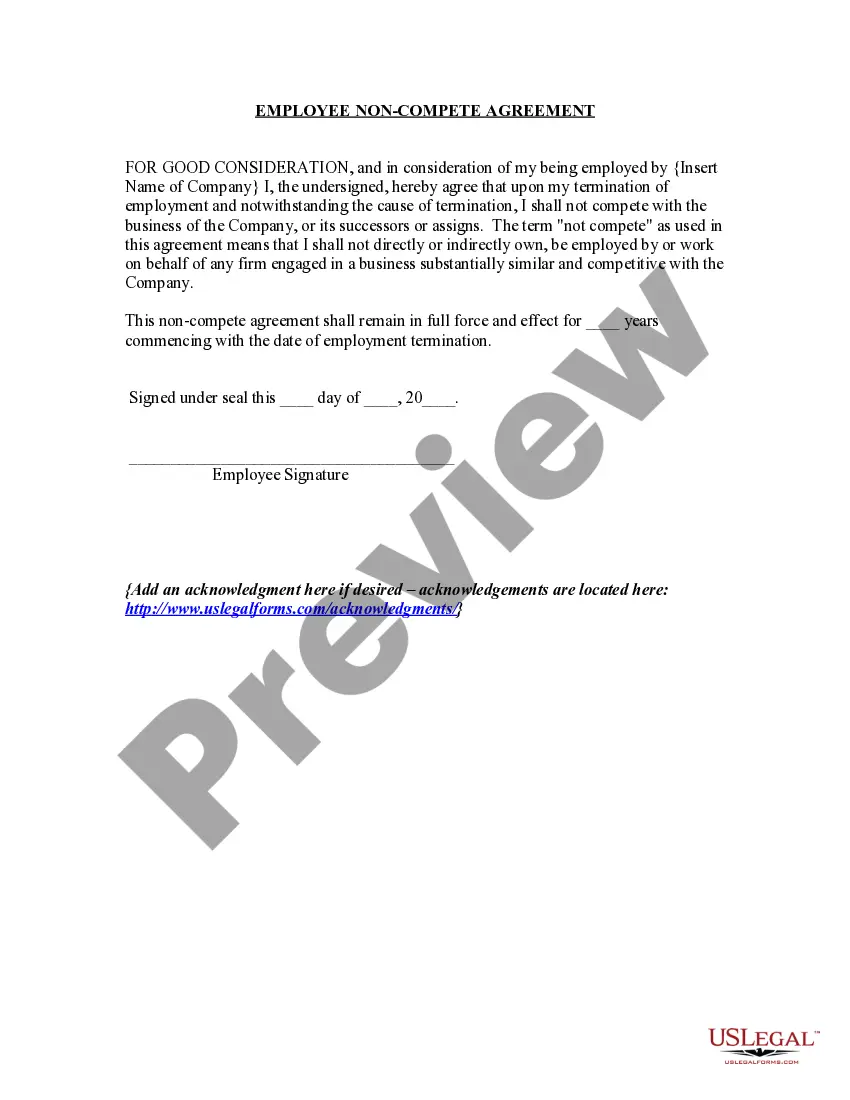
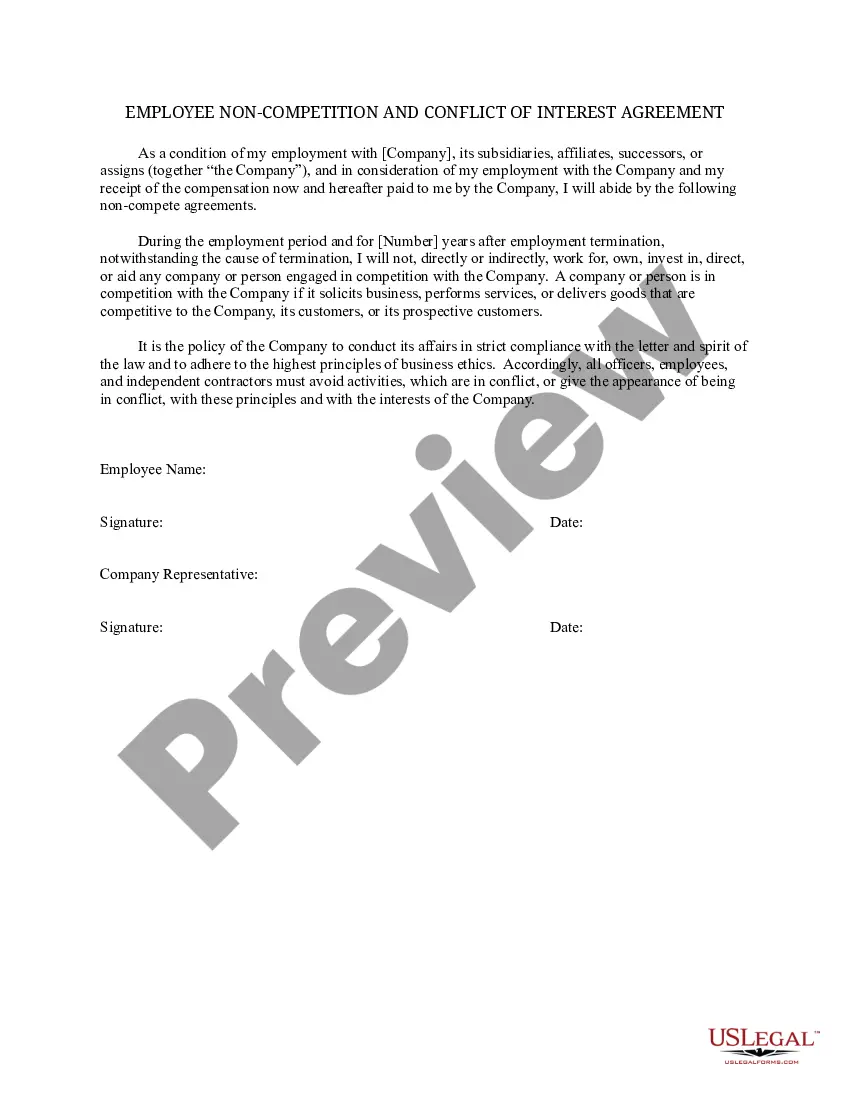
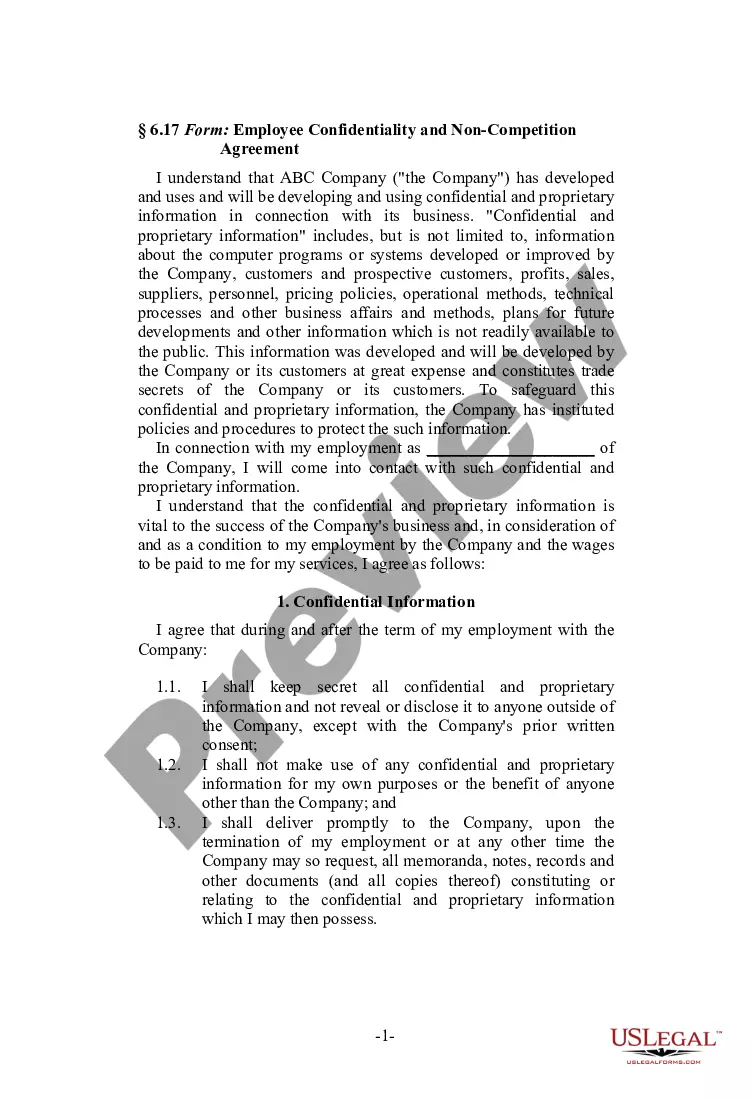
Get your form ready online
Our built-in tools help you complete, sign, share, and store your documents in one place.
Make edits, fill in missing information, and update formatting in US Legal Forms—just like you would in MS Word.
Download a copy, print it, send it by email, or mail it via USPS—whatever works best for your next step.
Sign and collect signatures with our SignNow integration. Send to multiple recipients, set reminders, and more. Go Premium to unlock E-Sign.
If this form requires notarization, complete it online through a secure video call—no need to meet a notary in person or wait for an appointment.
We protect your documents and personal data by following strict security and privacy standards.

Make edits, fill in missing information, and update formatting in US Legal Forms—just like you would in MS Word.

Download a copy, print it, send it by email, or mail it via USPS—whatever works best for your next step.

Sign and collect signatures with our SignNow integration. Send to multiple recipients, set reminders, and more. Go Premium to unlock E-Sign.

If this form requires notarization, complete it online through a secure video call—no need to meet a notary in person or wait for an appointment.

We protect your documents and personal data by following strict security and privacy standards.
Looking for another form?
Form popularity
FAQ
Under California law, many non-compete agreements are automatically void. Evaluate whether your non-compete agreement falls under the general prohibition of California Business and Professions Code Section 16600. If the agreement was executed after January 1, 2024, it is likely void under AB 1076.
Another court in California, meanwhile, clarified the state's sale-of-business exception, holding that non-competes arising out of partial sales of an owner's interest should be subject to a reasonableness review, while non-competes arising out of an owner's sale of its entire interest could still be invalid if the ...
The enforceability of a non-compete agreement can be affected by various factors after termination without cause. Courts generally consider factors such as the reason for termination, the terms of the agreement, and whether the employer has discontinued a line of business.
One of the responsibilities is to liquidate the company and one of the rights is to enforce contracts. So theoretically, the company, even if it is closed, could attempt to enforce the non-compete and it may have a responsibility to do so for the benefit of the owners of the company.
Fortunately, it is unlawful for an employer to enforce non-compete agreements in California.
Non-Compete Agreements are generally not enforceable unless they're used to protect trade secrets or a purchaser of a business, recover education or training expenses from an employee of less than two years, or restrict executive and management personnel or professional staff to those personnel ( C.R.S.
In most cases, non-compete agreements are considered legally binding and can be enforced when an employee departs from the company, irrespective of whether they were terminated or voluntarily left.
Code §§ 16600, 16601, and 16602.5). The only exceptions are non-compete or restrictive covenants that fall within one of the narrow exemptions authorized by statute, all of which relate to the sale of the goodwill of a business, or of a substantial ownership stake in the business.
A noncompete agreement has the ability to threaten your future job prospects, prohibit you from using your hard earned skills and compromise your livelihood. Fortunately, it is unlawful for an employer to enforce non-compete agreements in California.
AB 1076 Makes Noncompetes Unlawful Noncompetes in the employment law context are expressly unlawful. Employers must notify California employees (and former employees) hired after January 1, 2022, that their noncompetes are void. (Employers had a deadline of February 14, 2024, to do this.)
