Competition Non Competition With Friends In Broward
Description

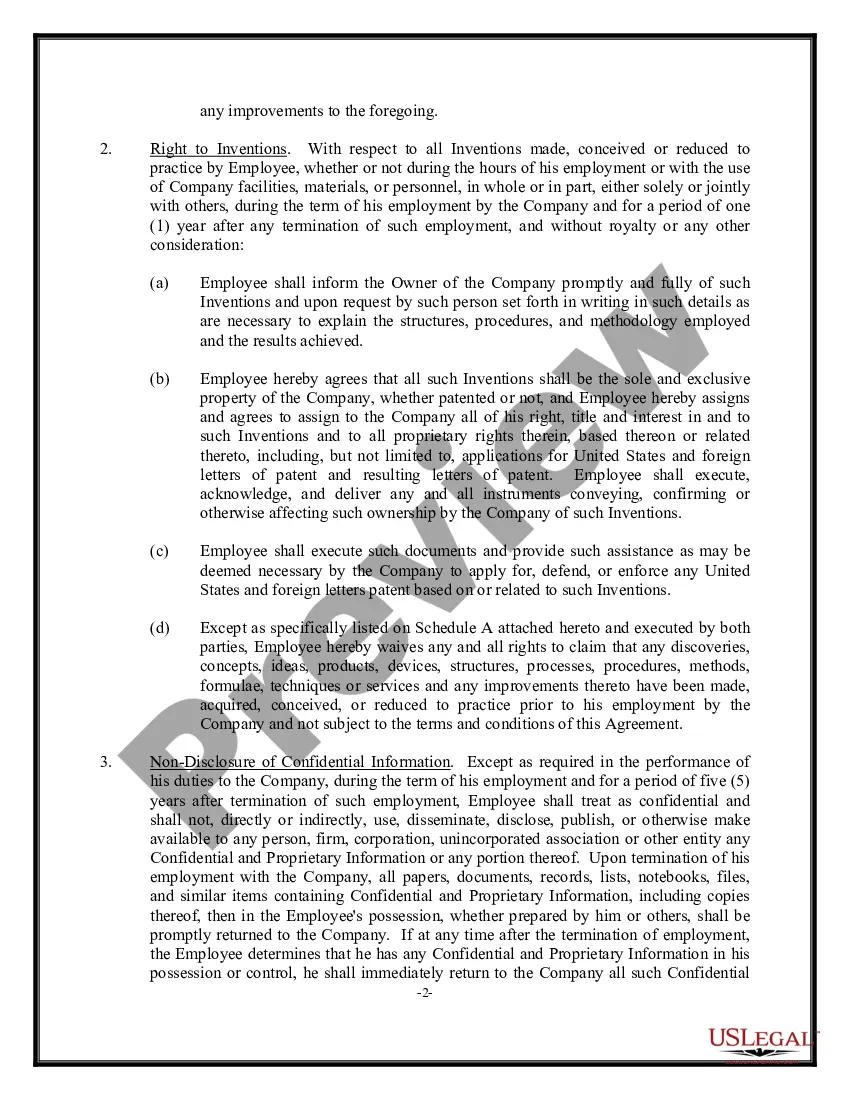
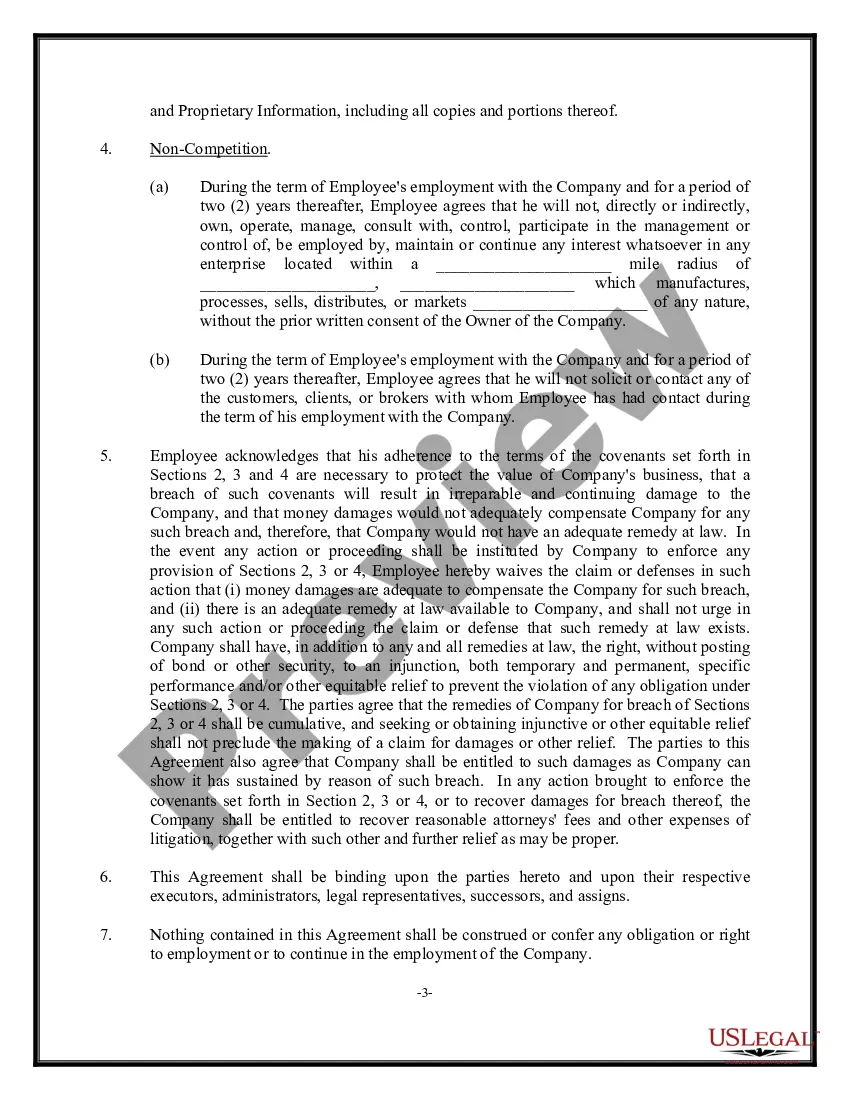
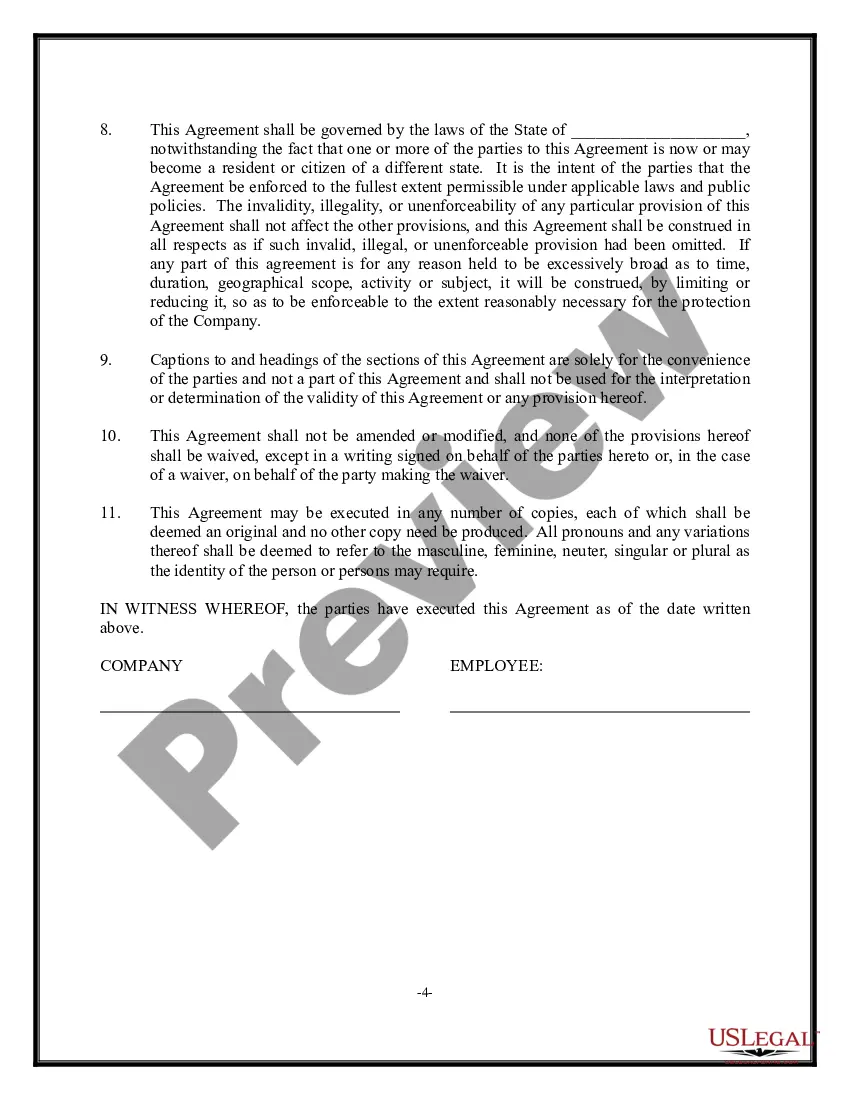
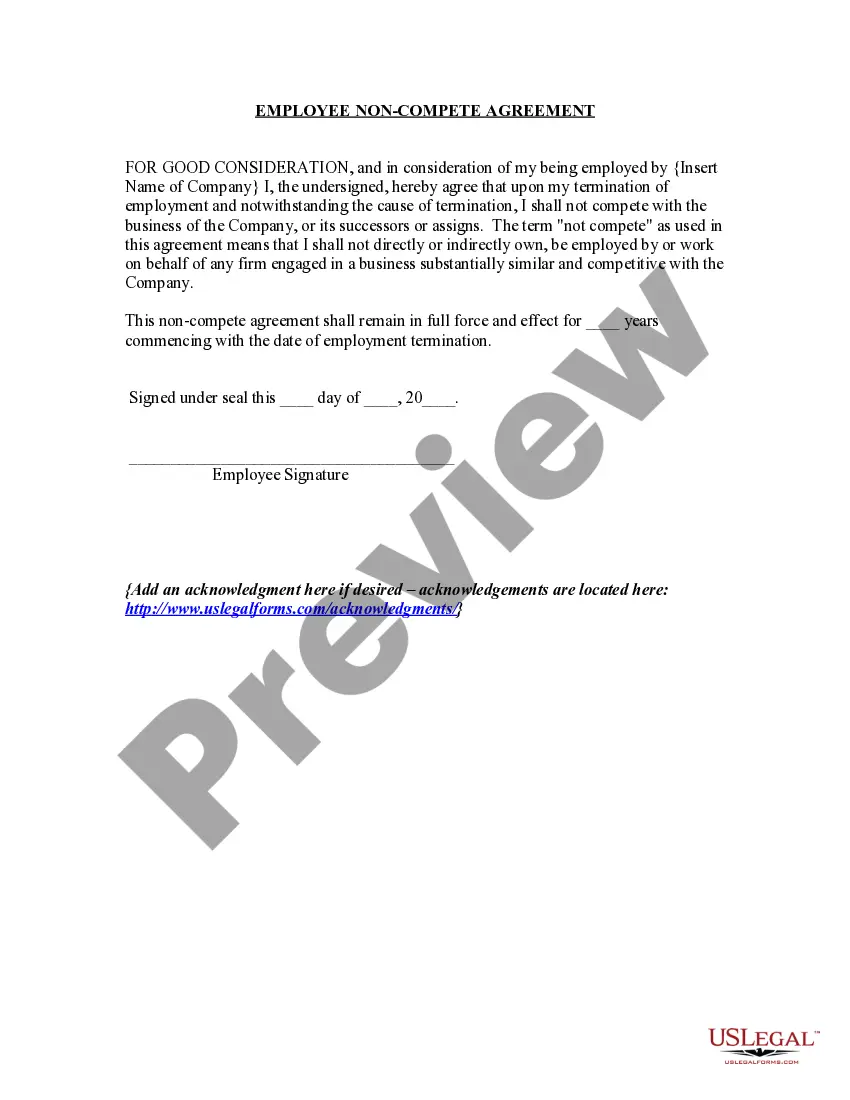
Get your form ready online
Our built-in tools help you complete, sign, share, and store your documents in one place.
Make edits, fill in missing information, and update formatting in US Legal Forms—just like you would in MS Word.
Download a copy, print it, send it by email, or mail it via USPS—whatever works best for your next step.
Sign and collect signatures with our SignNow integration. Send to multiple recipients, set reminders, and more. Go Premium to unlock E-Sign.
If this form requires notarization, complete it online through a secure video call—no need to meet a notary in person or wait for an appointment.
We protect your documents and personal data by following strict security and privacy standards.

Make edits, fill in missing information, and update formatting in US Legal Forms—just like you would in MS Word.

Download a copy, print it, send it by email, or mail it via USPS—whatever works best for your next step.

Sign and collect signatures with our SignNow integration. Send to multiple recipients, set reminders, and more. Go Premium to unlock E-Sign.

If this form requires notarization, complete it online through a secure video call—no need to meet a notary in person or wait for an appointment.

We protect your documents and personal data by following strict security and privacy standards.
Looking for another form?








Form popularity
FAQ
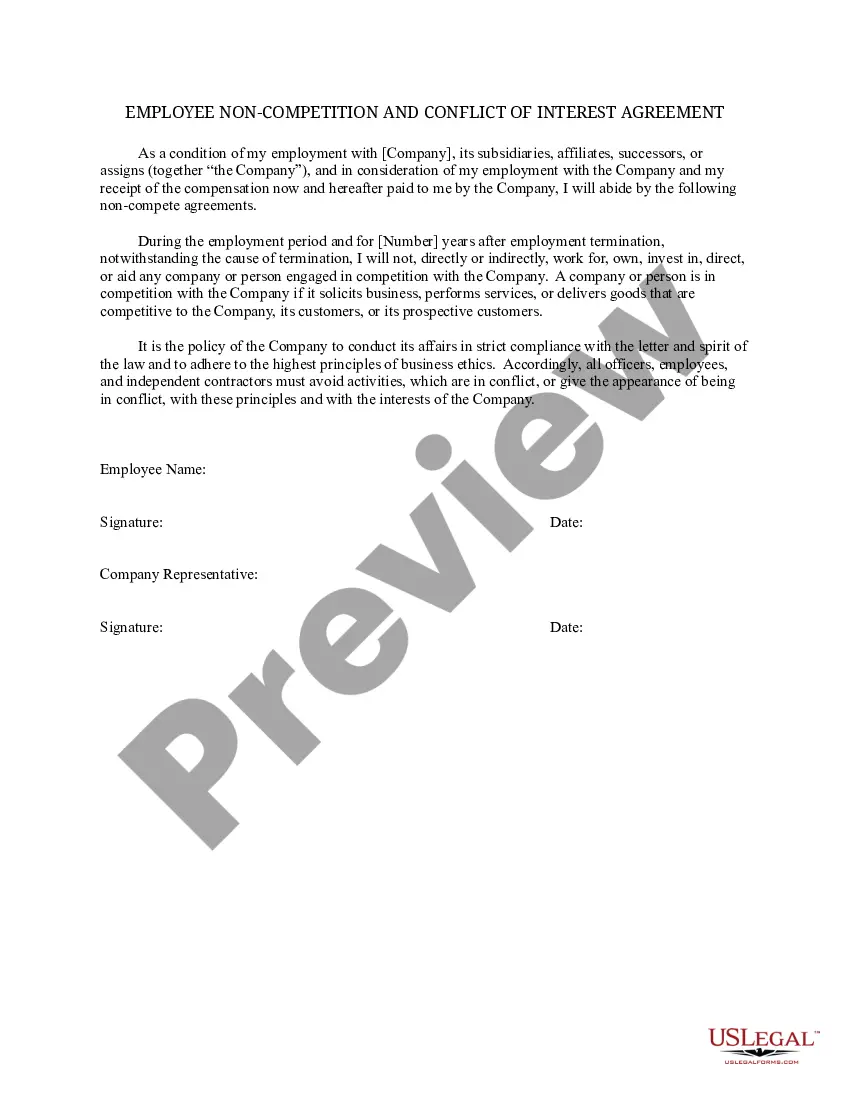
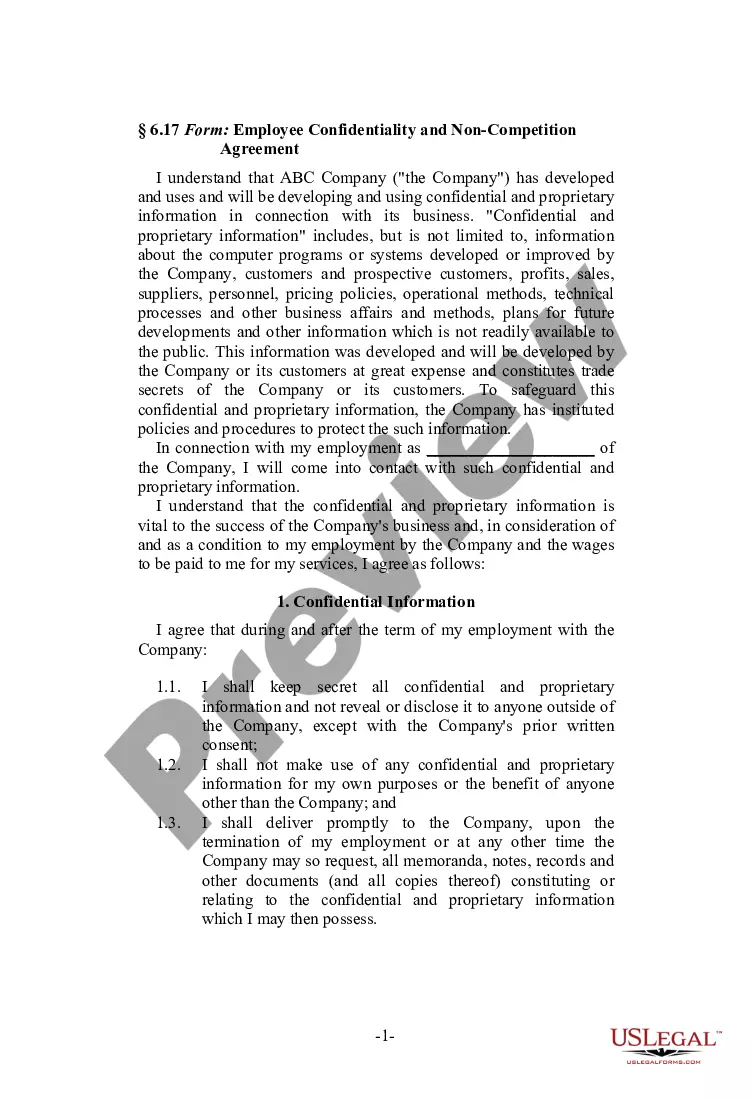
Florida Courts Generally Enforce Non-Compete Agreements As a general rule, Florida courts will enforce non-compete agreements that employers have their employees sign as a condition of employment. This is true even when the only alternative to signing the agreement is to decline employment.
You are bound by whatever conditions you agreed to in the non compete contract. You can leave the job and likely still practice in your given field. The most common restriction is one of distance. So you cannot leave your current company and go across the street to work for a competitor.
How to Get Around a Non-Compete in Florida Seek Legal Advice from an Attorney. Review the Agreement Carefully. Evaluate the Legitimacy of Employer Interests. Assess the Reasonableness of the Agreement. Negotiate with the Employer. Challenge the Enforceability in Court. Exploring Alternative Career Options.
A court determining the enforceability of a noncompete agreement will review the nature of the restraints to assess if they are reasonable. If unreasonable, a court may limit the noncompete in some ways (e.g., term length or geographic boundary) or, if necessary, void the agreement altogether.
The Enforceability of Non-Compete Agreements in Florida In Florida, non-compete agreements are enforceable under Florida Statute 542.335, provided they are reasonable in terms of time, area, and line of business.
If the restriction on the employee is for an unusually long period of time, there's going to be a problem. One to two years is typically reasonable, while three to five years is unlikely to be upheld by a court.
Florida's non-compete statute specifically states that a non-compete “not supported by a legitimate business interest is unlawful and is void and unenforceable.” The meaning of what is a “legitimate business interest” has been the source of a great deal of litigation.
The following are the most common ways to get out of a non-compete agreement: Determine that the terms of the contract do not in fact prevent you from a desired course of action. Recognize when a non-compete contradicts the law. Negotiate a release agreement with the involved parties. Ignore the agreement.
The Final Rule bans almost all non-competes between employers and workers, but does not explicitly ban non-disclosure agreements, customer non-solicitation agreements, or employee non-solicit agreements.
The short answer is yes. Broadly speaking, a non-compete agreement is fully enforceable in the state of Florida as long as it contains the following elements: The Business Interest: Non-competes are only valid if they contain a description of the legitimate business interest they are protecting.
