Sample Letter With Signature In Utah
Description

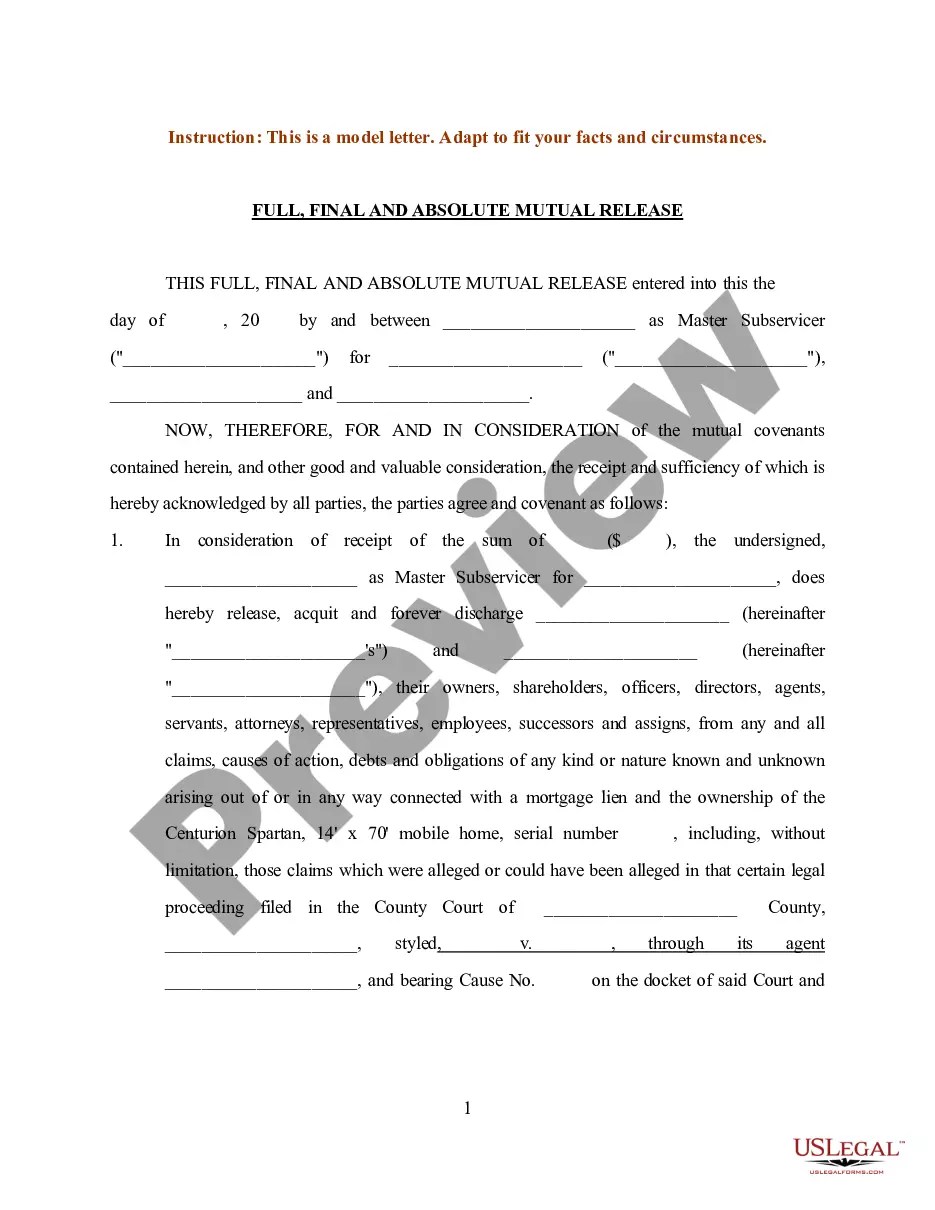
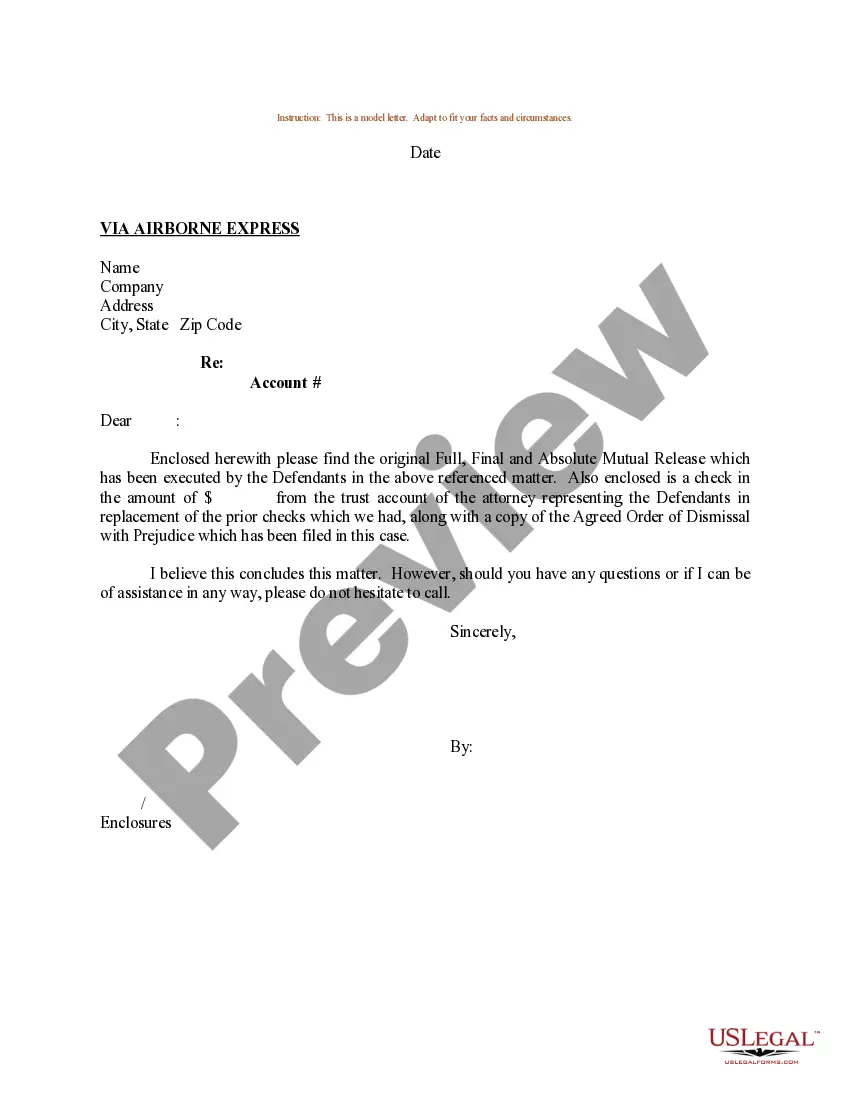
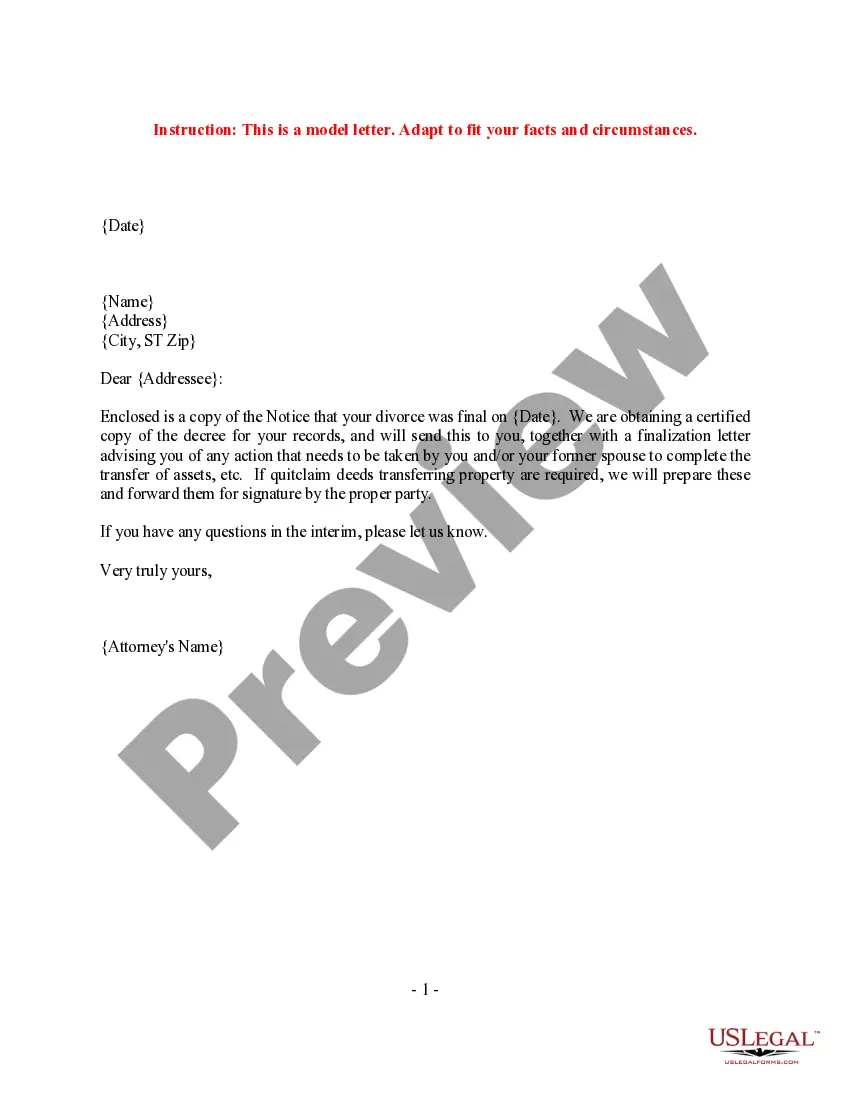
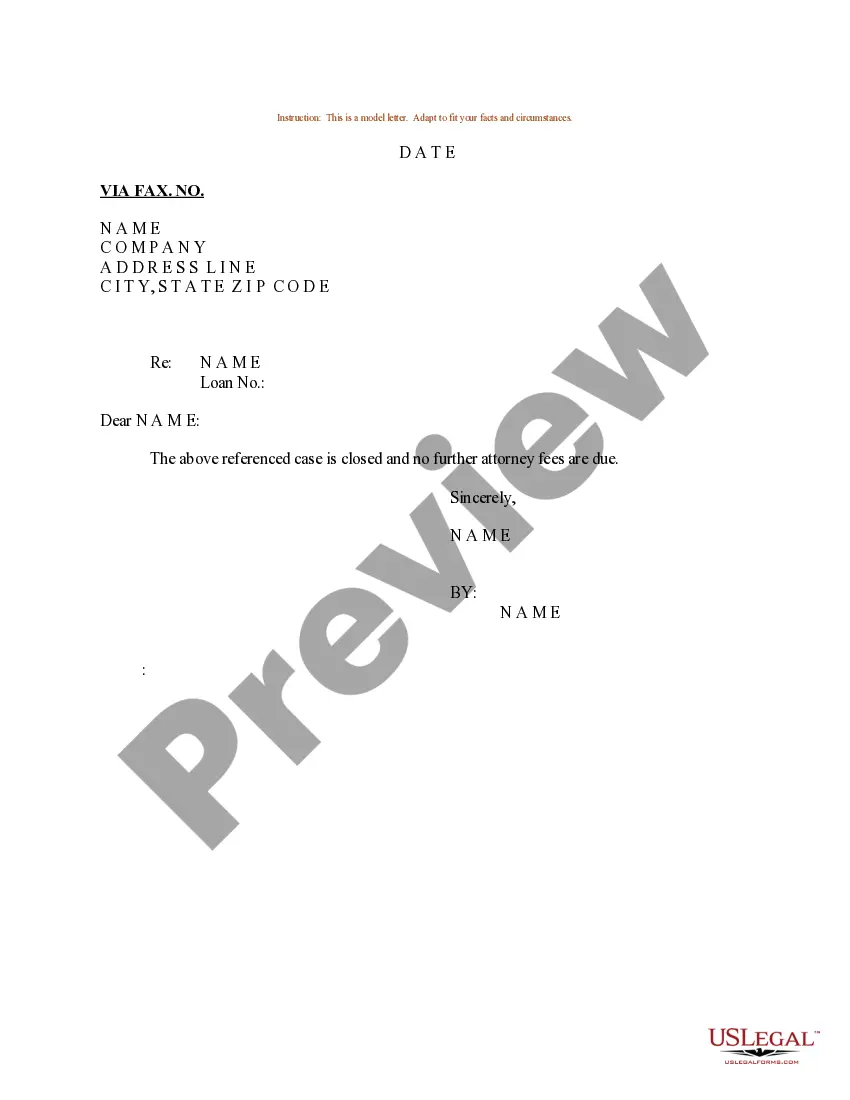
Get your form ready online
Our built-in tools help you complete, sign, share, and store your documents in one place.
Make edits, fill in missing information, and update formatting in US Legal Forms—just like you would in MS Word.
Download a copy, print it, send it by email, or mail it via USPS—whatever works best for your next step.
Sign and collect signatures with our SignNow integration. Send to multiple recipients, set reminders, and more. Go Premium to unlock E-Sign.
If this form requires notarization, complete it online through a secure video call—no need to meet a notary in person or wait for an appointment.
We protect your documents and personal data by following strict security and privacy standards.

Make edits, fill in missing information, and update formatting in US Legal Forms—just like you would in MS Word.

Download a copy, print it, send it by email, or mail it via USPS—whatever works best for your next step.

Sign and collect signatures with our SignNow integration. Send to multiple recipients, set reminders, and more. Go Premium to unlock E-Sign.

If this form requires notarization, complete it online through a secure video call—no need to meet a notary in person or wait for an appointment.

We protect your documents and personal data by following strict security and privacy standards.
Looking for another form?








Form popularity
FAQ
The purpose of signature witnessing is to prevent fraud and ensure that the signatory is fully aware of the legal consequences of the document they are signing. It reduces the risk of influence or coercion, as the witness can determine if the signer is mentally sound and can understand what the document entails.
While Utah law does not require a notary to keep a journal, here is a good question to ask yourself when considering whether or not to keep one: How will you defend yourself in a court of law if a notarization is called into question? If your answer is: “My notary journal”, you would be correct.
Is it unlawful for a Utah notary to complete a notarization with someone over skype, facetime, etc.? Why or why not? Yes, the physical presence of the signer is required. In order to complete a remote notarization, a notary must be approved as a remote notary and using an approved remote notary vendor.
Witnessing a Signature Your witness simply has to watch you sign the document and then sign it themselves to confirm they saw you sign it. Importantly, they must actually view you signing the relevant document rather than signing a pre-signed piece of paper you tell them you marked earlier.
A signature witnessing is an official notarial act, though it is not allowed in all states. To perform a signature witnessing, the Notary must have the signer personally appear and provide satisfactory proof of identity. The signer must then sign the document in the Notary's presence.
(a) Satisfactory evidence of identity" means identification of an individual based on:(i) valid personal identification with the individual's photograph, signature, and physical description issued by the United States government, any state within the United States, or a foreign government;(ii) a valid passport issued ...
After witnessing the document being signed, the Notary then completes the appropriate certificate wording for the signature witnessing. An acknowledgment, on the other hand, does not require the Notary to personally witness the signature being written in most states.
Signature witnessing is defined under an official notarial act but is not legally applicable in all states. Signature witnessing happens when the witness is presented in front of the notary and the principal signer to identify the individual and sign the document in the notary's presence.

