Sample Membership Letters For Nonprofit Organizations In Salt Lake
Description

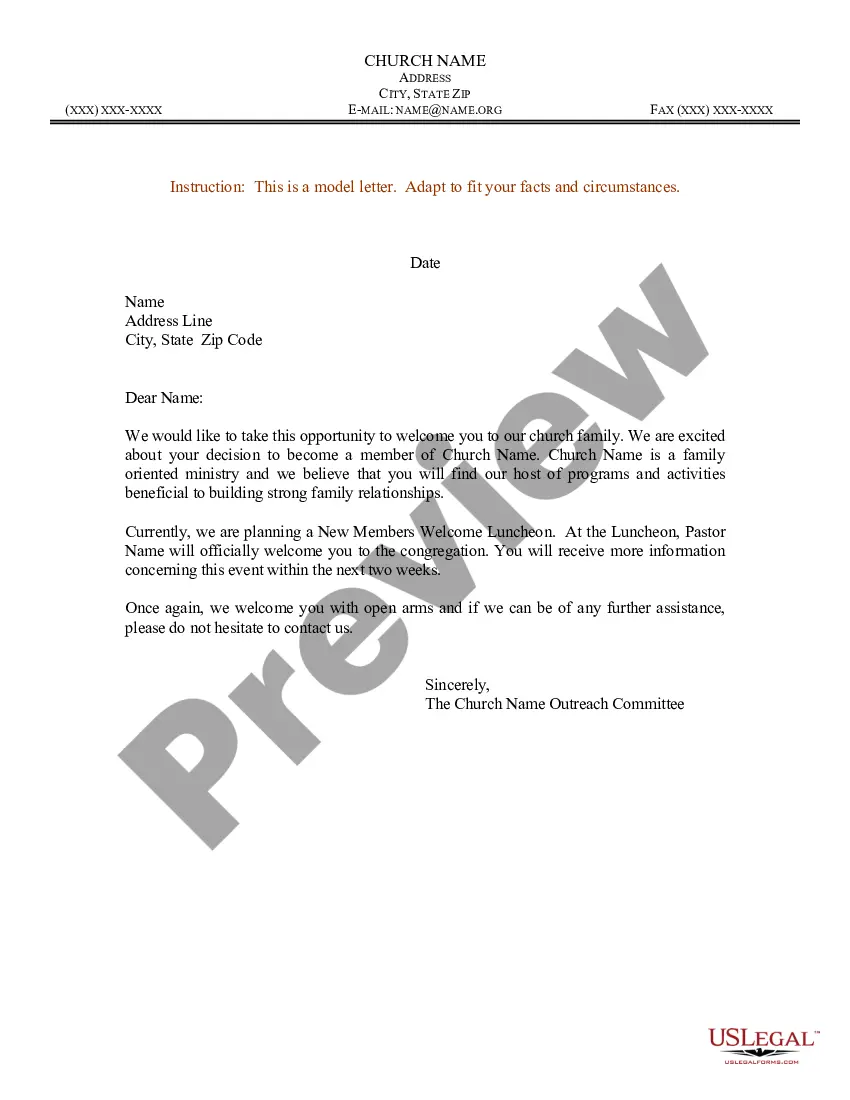
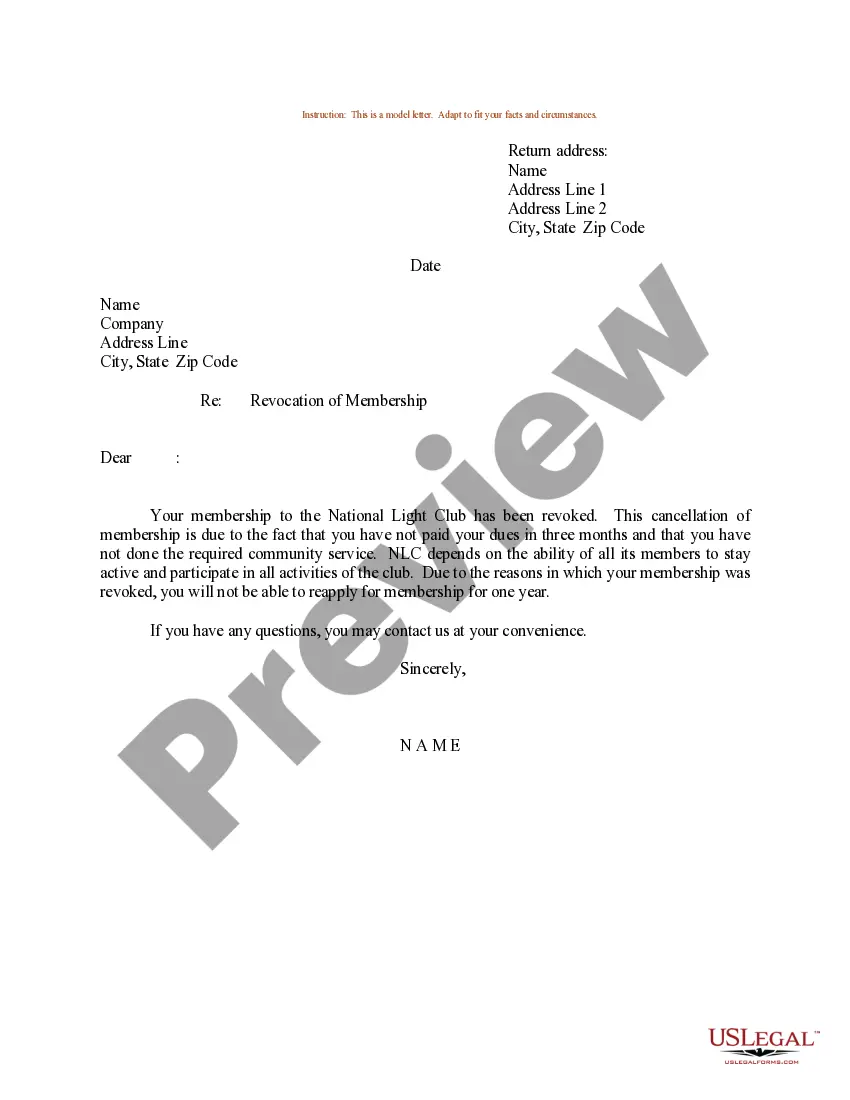
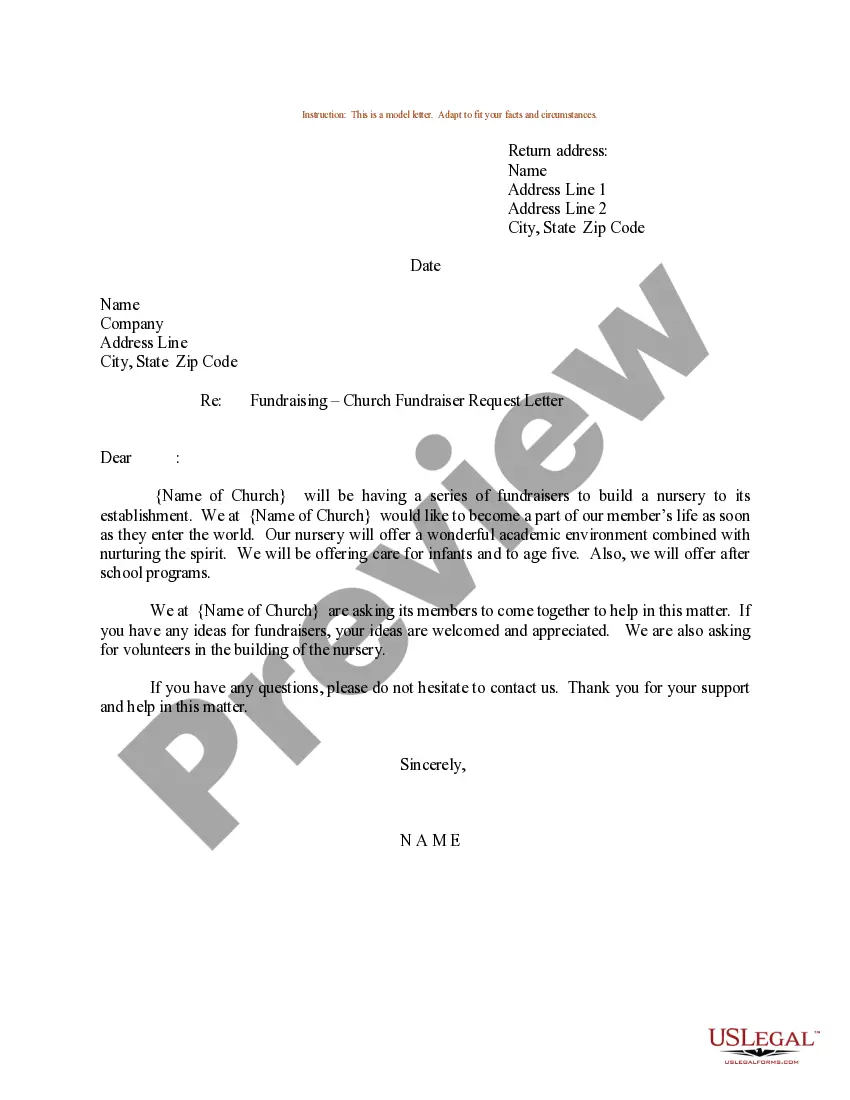
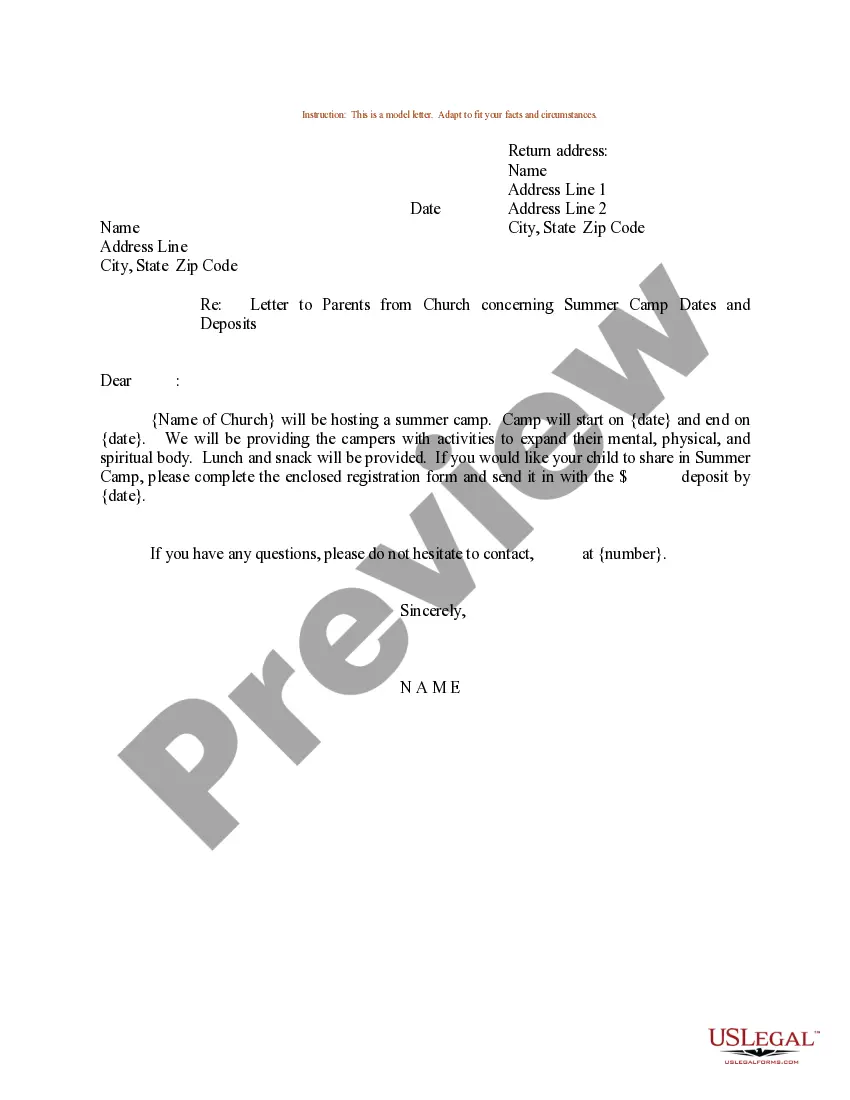
Get your form ready online
Our built-in tools help you complete, sign, share, and store your documents in one place.
Make edits, fill in missing information, and update formatting in US Legal Forms—just like you would in MS Word.
Download a copy, print it, send it by email, or mail it via USPS—whatever works best for your next step.
Sign and collect signatures with our SignNow integration. Send to multiple recipients, set reminders, and more. Go Premium to unlock E-Sign.
If this form requires notarization, complete it online through a secure video call—no need to meet a notary in person or wait for an appointment.
We protect your documents and personal data by following strict security and privacy standards.

Make edits, fill in missing information, and update formatting in US Legal Forms—just like you would in MS Word.

Download a copy, print it, send it by email, or mail it via USPS—whatever works best for your next step.

Sign and collect signatures with our SignNow integration. Send to multiple recipients, set reminders, and more. Go Premium to unlock E-Sign.

If this form requires notarization, complete it online through a secure video call—no need to meet a notary in person or wait for an appointment.

We protect your documents and personal data by following strict security and privacy standards.
Looking for another form?






Form popularity
FAQ
Exemption requirements - 501(c)(3) organizations In addition, it may not be an action organization, i.e., it may not attempt to influence legislation as a substantial part of its activities and it may not participate in any campaign activity for or against political candidates.
Steps in becoming a board member Identify an organization you're interested in serving. If you are already a volunteer in an organization, you might investigate the possibility of joining its board. Contact the organization. Exchange information. Understand the expectations. Moving forward.
Members often financially support the mission or volunteer their time. American Heart Association, Planned Parenthood, or parent-teacher associations are examples, where members do not benefit financially or professionally but gain as part of the targeted public.
Through their program, a nonprofit grants members certain privileges or perks in exchange for charitable contributions through membership fees or dues.
Nonprofit organizations with membership programs not only reap the benefits of extra donations through membership fees, but they also provide specialized perks and engagement opportunities for invested supporters—a truly mutually beneficial relationship!
A formal membership organization is a nonprofit that grants its members specific rights to participate in its internal affairs. These rights are established in the articles of incorporation and defined in more detail in the bylaws.
Structuring and Writing Your Donation Letter Write the Perfect Introduction. Detail Your Nonprofit's Mission and Needs. Provide a Strong Call to Action. The Importance of Personalization For Non-Profit Organizations. Donation Request Letter Template for Nonprofits. Why Is Donation Follow-Up Important to Businesses?
What Do You Write in a Membership Application Letter? The name of the person who wanted to apply for membership. The kind of membership that the individual wants to acquire. The name of the club, organization, or establishment that a person wants to be a member of. The qualifications of the person to be a member.
Charitable Organizations That Relieve Poverty and Distress. Cultural Organization: Museums, Government Art Programs, Library Support Organizations, and Zoological Societies. Veterans' Organizations. Religious Organizations. Social and Fraternal Organizations.
1) A Personalized Email and Recognizable Confirmation Subject Line. 2) Confirmation They Made the Right Decision. 3) A Brief Introduction to Your Organization. 4) Sprinkle in Member Benefits. 5) Links to Other Helpful Resources on Your Website. 6) A Clear Description of What Will Happen Next. 7) A Bit of Personality.

